

19th Century Marble Plinths
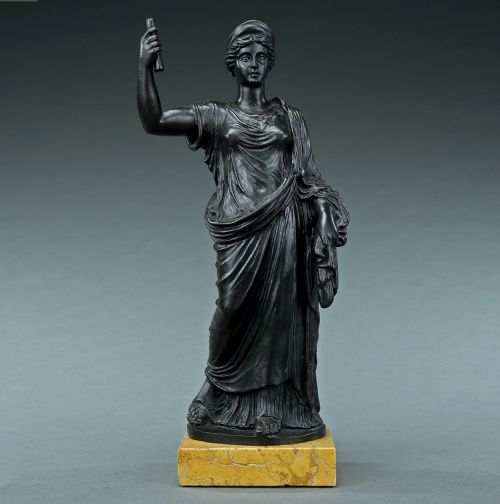
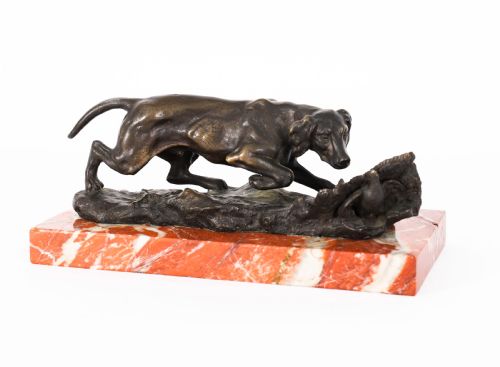
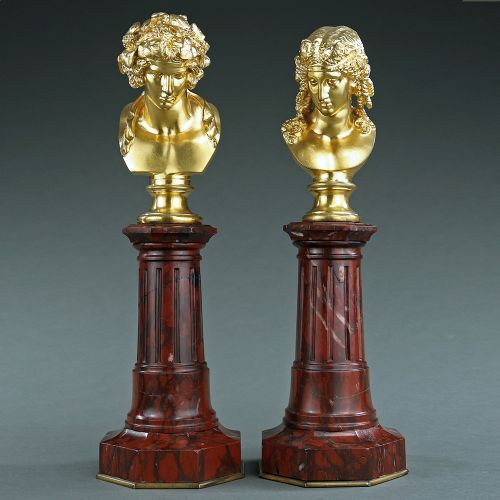
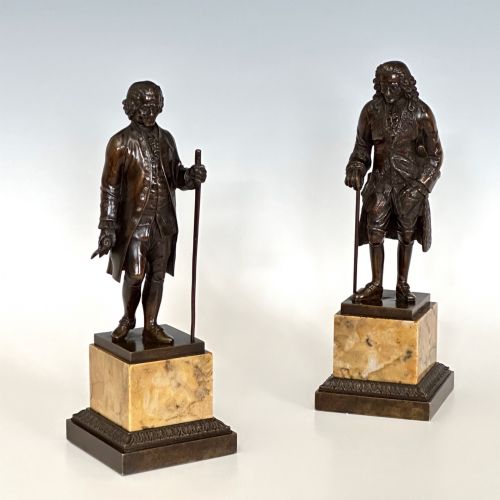
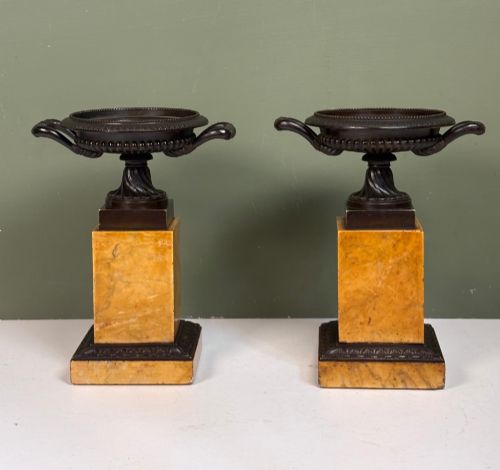
These 19th century marble plinths provide a classical architectural foundation for antique bronzes, busts, and decorative urns.
19th Century Marble Plinths
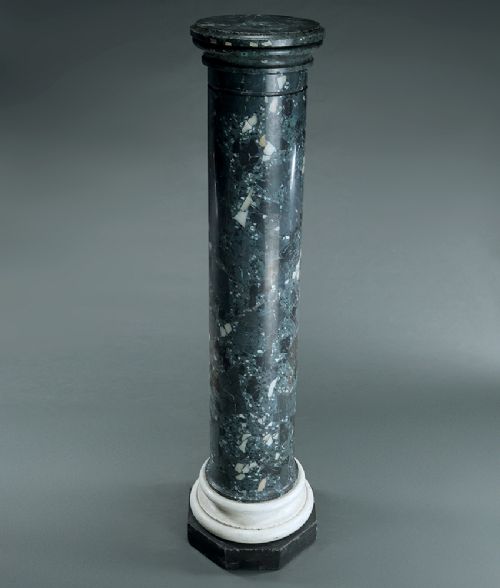
19th century marble plinths encompass architectural columns, torchere stands, and smaller display bases designed to elevate sculptures and decorative objects. Buyers seeking these pieces generally encounter items rooted in the Grand Tour tradition or classical revival styles.
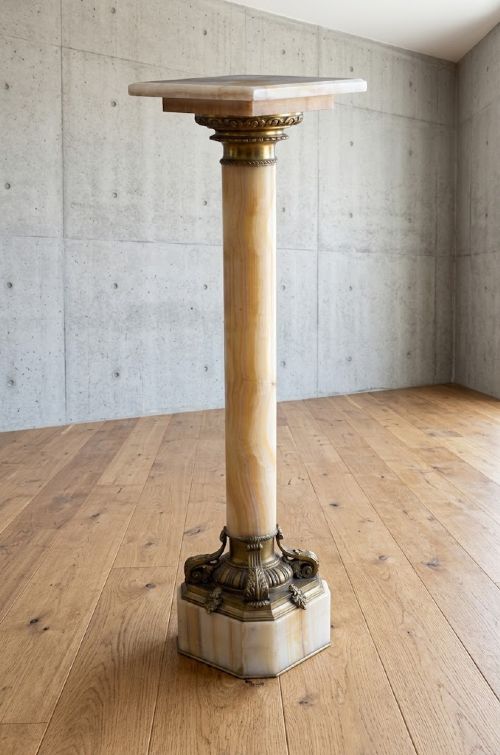
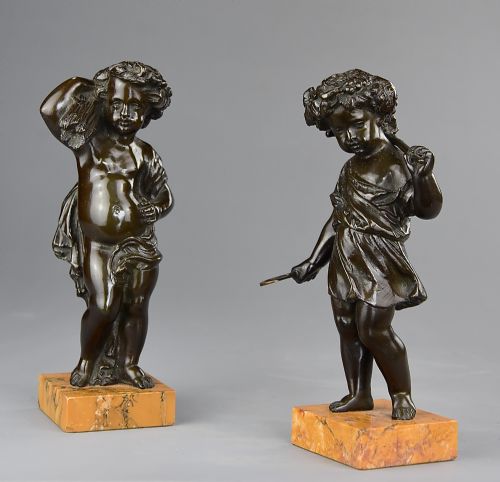
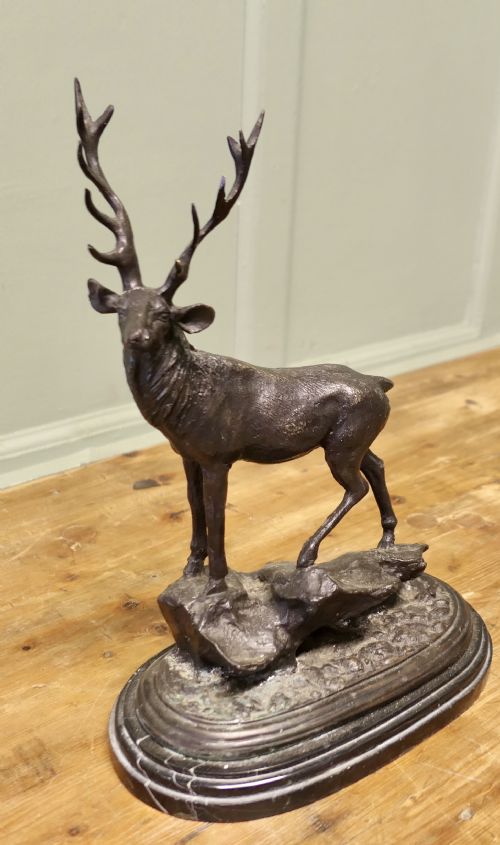
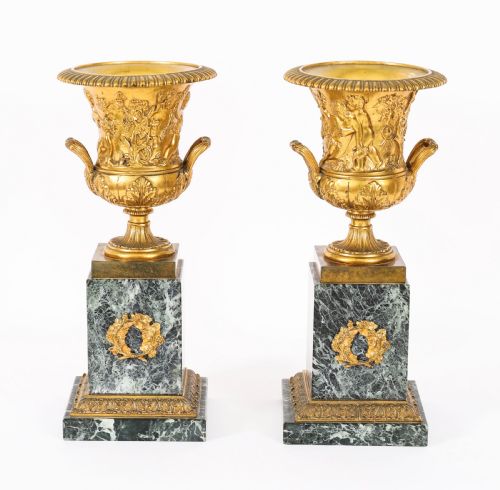
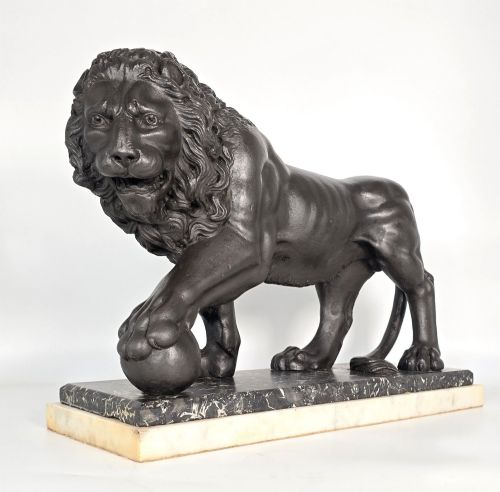
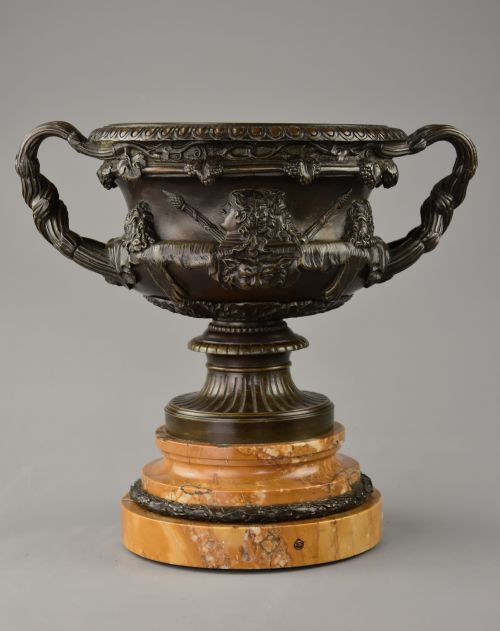
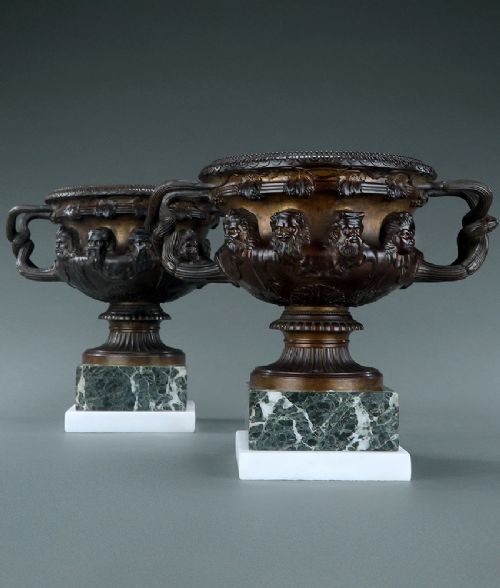
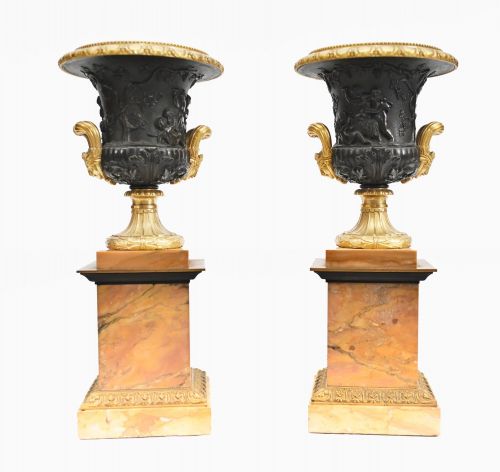
The selection ranges from tall green serpentine and onyx columns to compact socle bases and square blocks. Many support bronze animalier figures, vases, or marble busts originating from French and Italian workshops.
Makers utilised various coloured stones to mimic antiquity, producing pieces that functioned both as furniture and as display supports for cabinet bronzes. The forms draw heavily on Neoclassical, Empire, and Regency design vocabularies.
How they were made
Craftsmen shaped natural stones including Carrara, sienna, and verde antico marble on lathes or through hand-cutting. These structural elements frequently incorporated scagliola or painted faux marble finishes to imitate costlier mineral varieties.
Foundries cast accompanying mounts, collars, and figures in bronze, gilt bronze, and ormolu using traditional techniques. Artisans then chased the metal surfaces by hand before securing them to the stone bases with pins or adhesives.
Several columns disguise themselves as solid stone through scagliola, fooling the eye with painted plaster and glue.
What varies in quality
Quality rests upon the selection and figuration of the marble itself, alongside the precision of the stonecutter's lathe work. Superior examples display tightly matched veining and uniform polishing across all visible surfaces.
The execution of accompanying metal mounts and cast bronze figures dictates the upper tier of the range. Finer pieces show crisp chasing, substantial weight in the ormolu, and a harmonious proportion between the stone plinth and the object it supports.
Carl Kauba·Selim Bright
The 19th Century Marble Plinths Glossary
- Grand Tour
- A traditional travel itinerary through France and Italy undertaken by European elites to collect classical antiquities and souvenirs. These nineteenth-century items often replicate famous Roman or Greek sculptures in miniature bronze and marble.
- Ormolu
- Finely ground high-carat gold mercury-gilded to a bronze base. This technique creates a rich, durable golden surface on decorative mounts and furniture hardware.
- Scagliola
- A composite material made from selenite, glue, and pigments, pressed and polished to imitate marble and other hardstones. Artisans utilised this method to produce decorative columns and insets at a manageable weight and cost.
- Tazza
- A shallow cup or vase on a pedestal foot, derived from ancient Roman tableware. Makers produced these in bronze and marble as decorative centrepieces.
- Torchere
- A tall, slender stand or column designed to support a lamp, urn, or bust. Nineteenth-century versions frequently employ onyx, serpentine, or scagliola shafts.
19th Century Marble Plinths: Frequently Asked Questions
What styles define these plinths?
Neoclassical and French Empire aesthetics dominate the design of these architectural supports. Makers drew heavily on classical antiquity, incorporating motifs such as fluted columns and restrained geometric lines.
Later Victorian interpretations often merged these classical forms with eclectic revival styles. The resulting pieces served both ornamental and functional roles in nineteenth-century interiors.
How do I identify Grand Tour pieces?
Grand Tour items typically feature reduced-scale bronze casts of famous ruins, vases, or mythological figures mounted on stone bases. These souvenirs were acquired by travellers touring Italy and France.
The materials frequently include verde antico marble, onyx, and patinated bronze. Signatures are uncommon, though the craftsmanship often reflects specialised European foundries.
Where should I place a column?
Columns and torchere stands suit corners, entrance halls, or flanking doorways where they can support heavier decorative items. Taller shafts require stable, level flooring to ensure safety for displayed sculptures.
Smaller plinths sit comfortably on sideboards, desks, or mantelpieces beneath cabinet bronzes or clocks. The weight of the marble generally provides adequate stability for top-heavy objects.
How do I care for marble and bronze?
Dust marble surfaces regularly with a soft, dry cloth to prevent particulate accumulation in the stone's natural pores. Avoid acidic cleaners, oils, and excessive moisture, which can stain or etch polished finishes.
Bronze mounts require gentle dusting without chemical polishes that strip historical patination. Maintaining a stable indoor environment protects both the stone and the underlying metal fixings from humidity.