

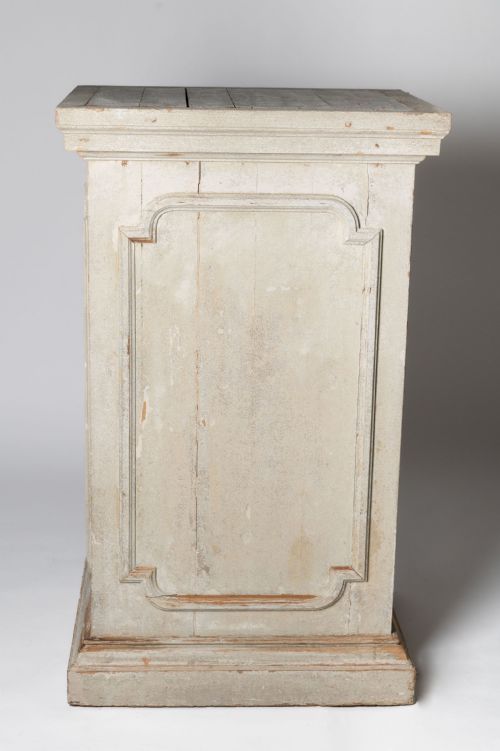
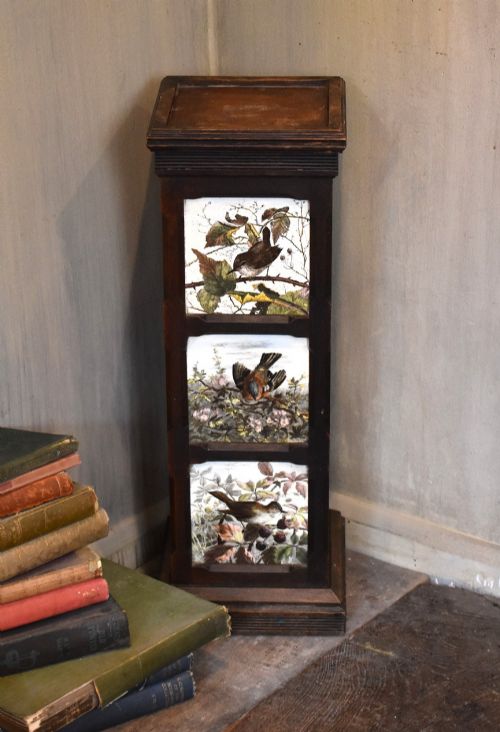


Painted Wood Display Plinth
These painted wood display plinth options are solid timber columns and stands designed to elevate sculpture, ceramics and ornaments in any interior.
Painted Wood Display Plinth
A painted wood display plinth serves as an architectural stage for decorative objects, elevating them within a room to command attention. The selection ranges from cylindrical sculpture stands to grand architectural columns and torchieres designed to hold heavier display items.
Most examples originate from the nineteenth century, encompassing Victorian and Edwardian periods as well as continental European workshops. Makers employed various forms including square capitals, circular tops and fluted shafts to support ornamental pieces.
Stylistic influences span from Neoclassical and Baroque Revival to the Aesthetic Movement and English Country taste. Buyers encounter straightforward turned timber supports alongside elaborate decorative columns intended to anchor a room's decorative scheme.
How they were made
Carpenters constructed the structural cores using sturdy timbers such as pine, mahogany and dark wood, often turning columns on a lathe or assembling multi-part pedestals. Surface preparation involved applying gesso layers over the wood to create a smooth, durable foundation for subsequent ornamentation.
Craftsmen applied paint layers to simulate expensive stones like verde antico and marble, using specialised graining techniques to mimic natural mineral veining. Finishing touches frequently included gold leaf applied to parcel gilt details, enhancing carved mouldings and architectural capitals.
Painted Wood Display Plinth Retail Price Guide 2026
Typical asking prices for painted wood display plinth among the pieces listed under this phrase on Sellingantiques today, from the lower quarter to the upper quarter. They describe what is for sale here now, not the wider market.
Listings feature nineteenth-century materials including painted timber, gesso, gold leaf and ceramic tile inserts.
What varies in quality
The sophistication of the surface finish dictates the visual success of a painted wood display plinth, separating basic painted coats from intricate faux marble simulations. Skilled graining creates convincing depth and movement that mimics actual stone rather than flat pigmentation.
Proportion and structural integrity matter significantly, as taller columns require precise weight distribution to support heavy ceramic or sculptural pieces safely. Finer pieces demonstrate careful attention to classical architectural proportions, crisp moulding profiles and well-preserved gilding.
Marguerite
The Painted Wood Display Plinth Glossary
- Plinth
- A heavy base supporting a statue, column or obelisk. It provides stability and visual weight to the elevated object.
- Torchere
- A tall stand or ornamental candlestick designed to hold a light source or decorative object at height. These slender supports often feature intricate carving and paintwork.
- Gesso
- A plaster mixture applied to wood surfaces as a base for paint or gold leaf. It creates a smooth ground for decorative finishes.
- Parcel Gilt
- Decoration where portions of an object are covered with gold leaf while other areas remain painted or exposed. This technique highlights specific architectural details and carvings.
- Verde Antico
- A dark green serpentine marble often imitated by painters. Artisans replicated its mottled appearance on wooden columns using specialised brushwork.
Painted Wood Display Plinth: Frequently Asked Questions
What are painted wood display plinths used for?
These columns and stands elevate sculptures, vases and decorative objects to create focal points within a room. They lift items off the floor to showcase them at eye level.
Historically, they served as key architectural elements in drawing rooms and galleries to display prized collections of art and ceramics.
How do I choose the right height?
Consider the scale of the object you wish to display and the ceiling height of your room. Taller torchere columns suit larger corner spaces, while compact stands fit tighter areas.
Ensure the top surface area matches or slightly exceeds the base of the item placed upon it for stable presentation.
How do I clean a painted wooden plinth?
Dust the surface regularly with a soft, dry cloth to prevent dirt accumulation. Avoid harsh chemical cleaners that might damage historic paint layers or delicate gilding.
Maintain stable indoor humidity levels to protect the underlying timber and prevent paint cracking or flaking over time.
How can I tell the period of a column?
Examine the underlying timber, construction methods and the style of the paint finish. Nineteenth-century examples often feature hand-mixed pigments and traditional joinery techniques distinct from modern manufacturing.
Stylistic cues such as Aesthetic Movement tiling or Neoclassical motifs provide clear indicators of the era in which the piece was produced.