
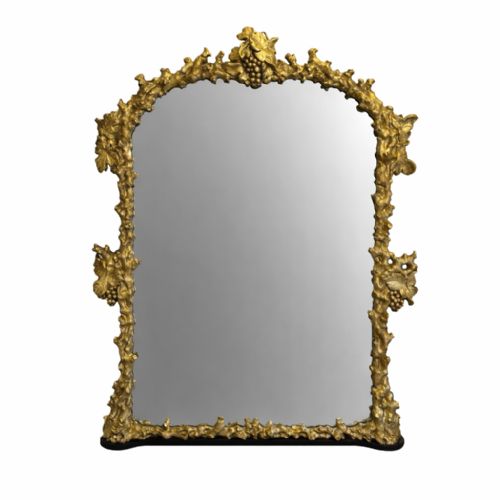
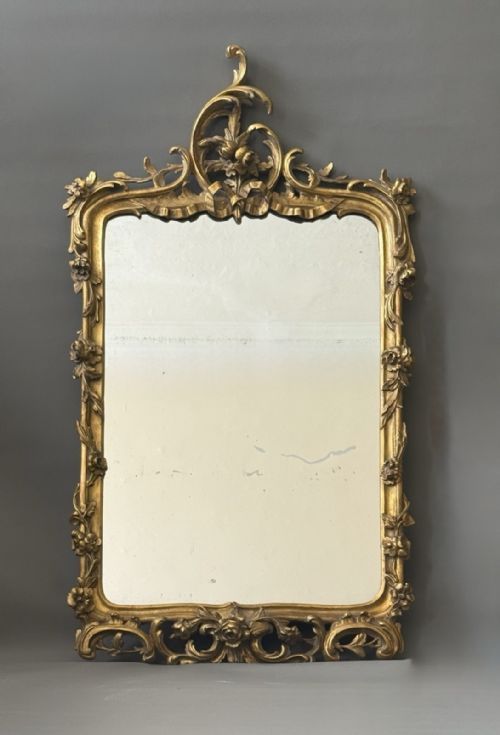


Rococo Carved Wood Frame
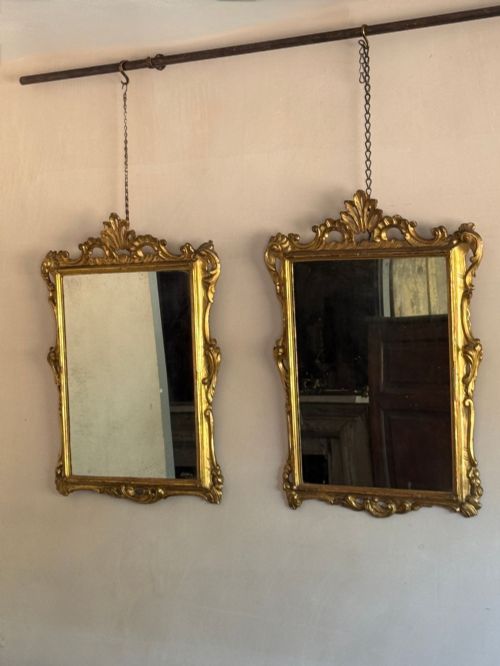
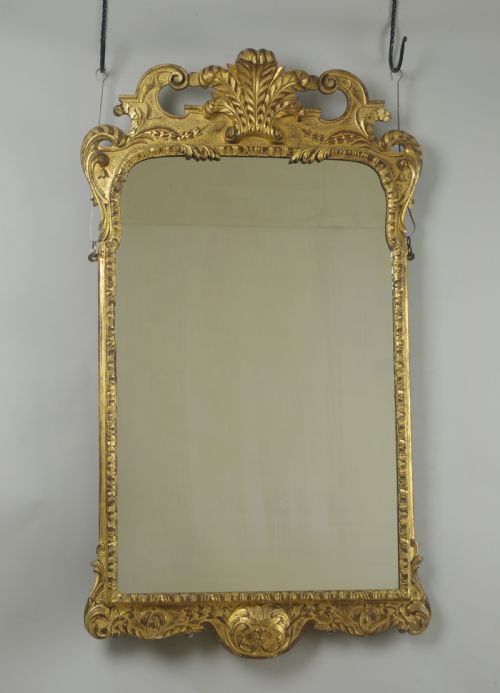
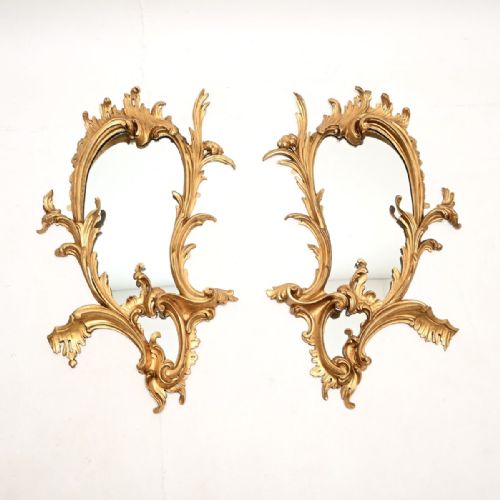
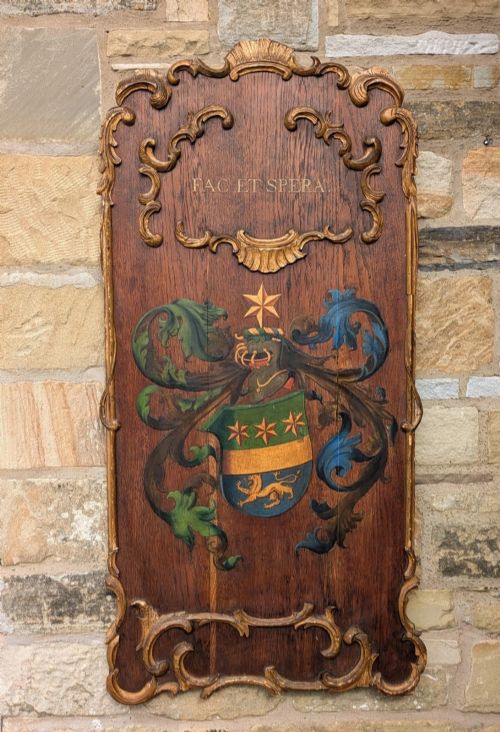
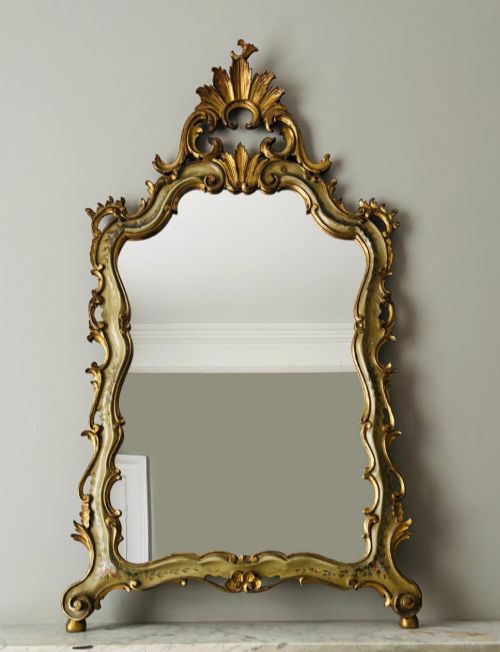
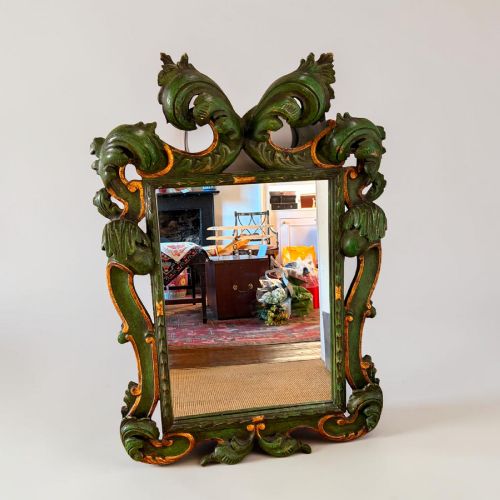
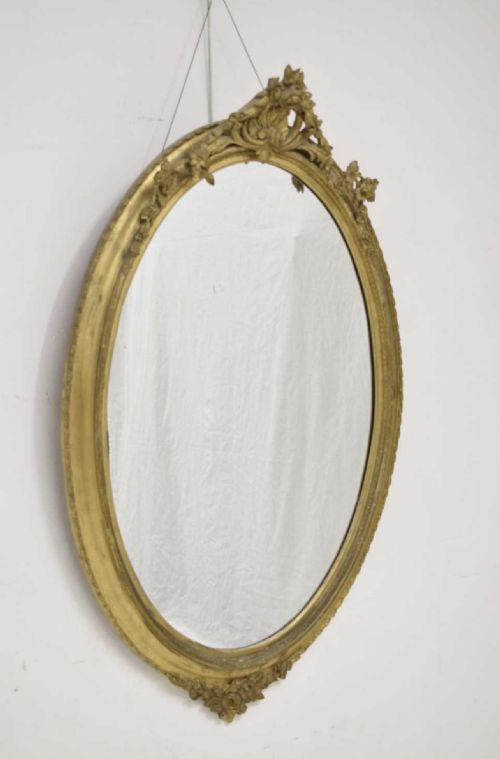
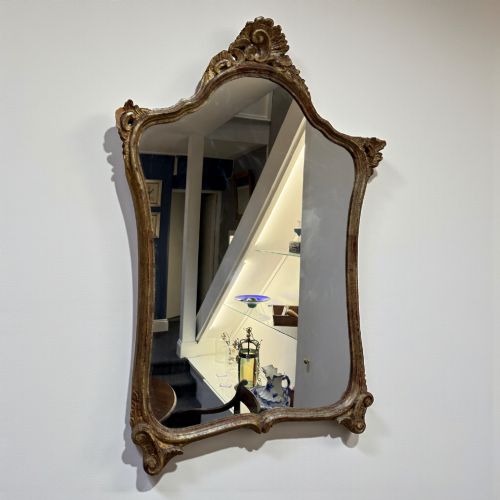
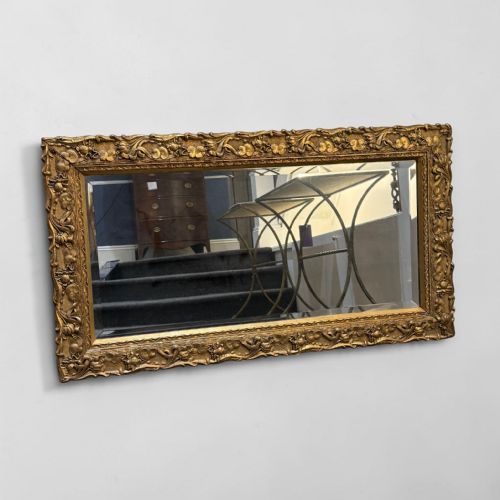
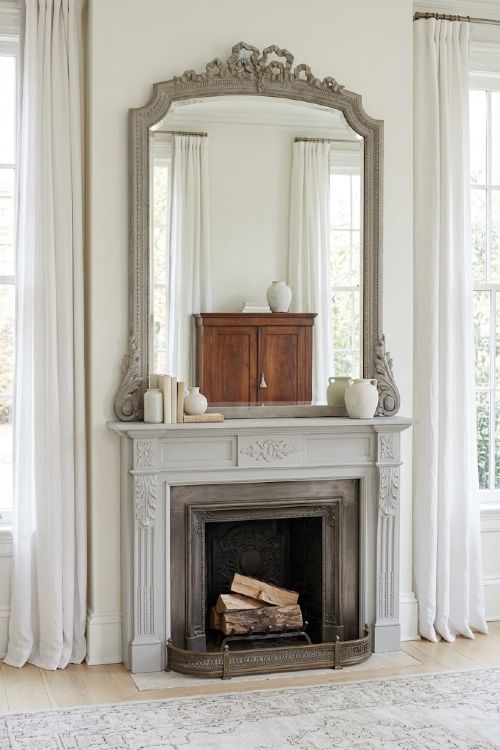
A rococo carved wood frame brings swirling asymmetry and intricate leaf work into a room, offering an ornate boundary for mirrors, beds and artwork.
Rococo Carved Wood Frame
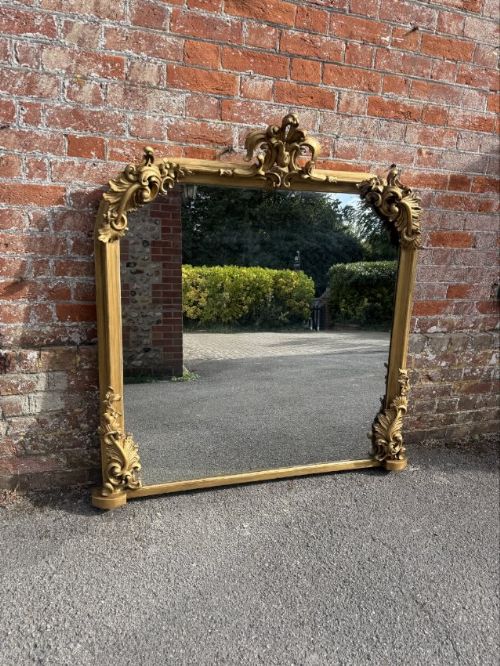
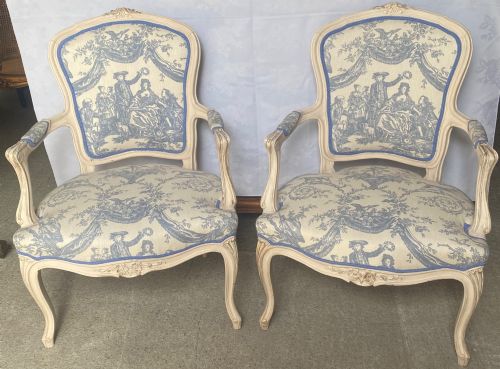
A rococo carved wood frame brings exuberant, flowing forms into a domestic interior through mirrors, seating and beds. When you search for a rococo carved wood frame, you encounter wall mirrors, overmantels, armchairs and bed frames spanning the eighteenth, nineteenth and early twentieth centuries. French and Italian examples dominate the selection, showing the characteristic asymmetry, C-scrolls and naturalistic motifs of the style.
The pieces appearing most frequently on this page are nineteenth-century giltwood wall mirrors and overmantels originating from France and Italy. Alongside these hanging glasses, buyers find walnut salon suites, mahogany frames and upholstered beds reflecting Louis XV tastes. Regional variations emerge from Italian Florentine workshops and English cabinet makers adapting continental designs.
Beyond mirrors, the category encompasses seating such as open armchairs, salon chairs, stools and day beds constructed from walnut, oak or mahogany. These functional items carry carved wooden surrounds or gilded details that echo the sweeping lines of the wall pieces. Every object shares a reliance on sculptural woodwork executed in distinct historical periods.
How they were made
Woodcarvers shaped foundational timbers such as oak, walnut, mahogany and general softwoods into elaborate reliefs using traditional hand chisels and gouges. Artisans applied layers of gesso over the carved timber surface to create a smooth, absorbent base for subsequent decoration. This preparation allowed intricate scrolls and leaf motifs to hold sharp definition before finishing.
Surface decoration relied heavily on water gilding or oil gilding, applying thin sheets of gold leaf to the prepared gesso ground. Makers also utilised paint, polychrome pigments and parcel gilding to highlight specific carved details against contrasting wood grains. Mirror plates often consisted of older mercury glass or bevelled antique glass secured within the assembled wooden rebate.
Listings feature items from the eighteenth century up to the nineteen-thirties, spanning walnut, mahogany, gesso and giltwood materials.
What varies in quality
The depth and crispness of the hand carving separate simpler production from superior craftsmanship. Finer frames exhibit undercut foliage, naturalistic asymmetry and deeply reliefed scrolls that maintain sharp edges beneath layers of gilding. Weaker examples show shallow, mechanical tooling with softened details where the gesso and base layers have filled the carved recesses.
The integrity of the original surface finish dictates much of the visual distinction. Pieces retaining their authentic gold leaf and gesso without heavy modern overpainting or careless regilding hold greater historical coherence. The quality of the underlying timber and the joinery at the mitres also determine how well the structure withstands centuries of tension.
The Rococo Carved Wood Frame Glossary
- Giltwood
- Wood that has been coated with thin leaves of gold. This finish requires a prepared gesso ground on the timber substrate.
- Gesso
- A plaster mixture applied to wood frames to create a smooth surface for gilding or painting. It fills minor imperfections in the carved timber.
- Overmantel mirror
- A large horizontal mirror designed to hang specifically above a fireplace mantelpiece. These pieces often anchor the decorative scheme of a formal reception room.
- Parcel gilt
- A technique where only specific parts of an object are gilded, leaving other areas of exposed wood or paint visible. This method highlights particular carved elements.
- Mercury glass
- A type of double-walled silvered glass produced in the nineteenth century using a mercury amalgam. It creates a characteristic mottled, dark reflection.
- Girandole
- A branched wall sconce or candleholder attached to a mirrored backplate. The reflective glass multiplies the candlelight within the room.
Rococo Carved Wood Frame: Frequently Asked Questions
Are these mirrors original to their glass?
Many nineteenth-century frames retain their original mercury glass plates, identifiable by soft, mottled oxidation and dark speckling. Replacement plates often appear clearer, flatter and lack the characteristic historical imperfections of antique silvering.
Inspect the backing boards and fixings to understand whether the mirror plate has been swapped over time. Older plates typically secure into the frame with traditional wooden slips and iron nails.
How do I hang a heavy overmantel mirror?
Secure heavy timber and giltwood mirrors directly into structural wall studs using appropriate masonry fixings or steel brackets. Relying solely on plasterboard leads to failure under the substantial weight of carved wood and glass.
Distribute the load across multiple fixing points or a heavy-duty mirror chain attached securely to the frame's original hanging rings. Professional installation is recommended for large pieces exceeding standard weights.
How do I distinguish eighteenth-century pieces?
Early pieces from the seventeen-hundreds display hand-carved pine or fruitwood beneath the gesso, showing tool marks and construction methods consistent with period joinery. The carving style leans toward organic, flowing asymmetry without the heavier, more symmetrical revival tendencies of the later Victorian era.
Examine the construction of the corners, the composition of the gesso ground, and the wear patterns on the gilding. Archival clues and timber shrinkage over centuries help confirm genuine period age.