
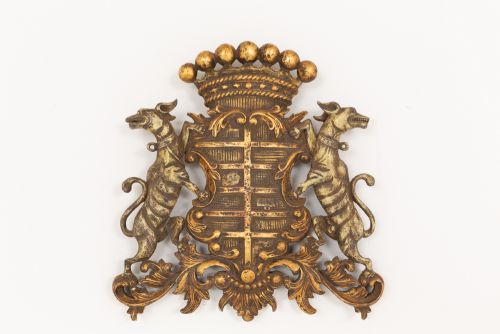
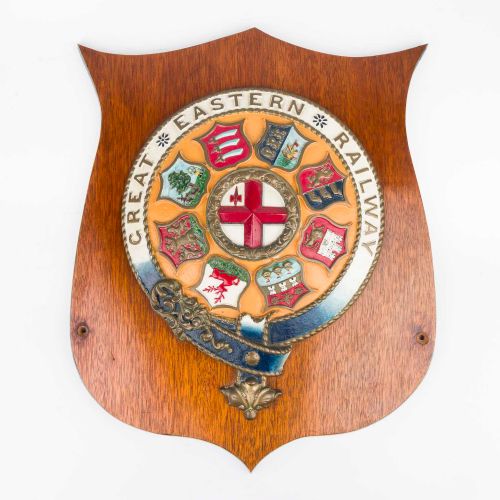
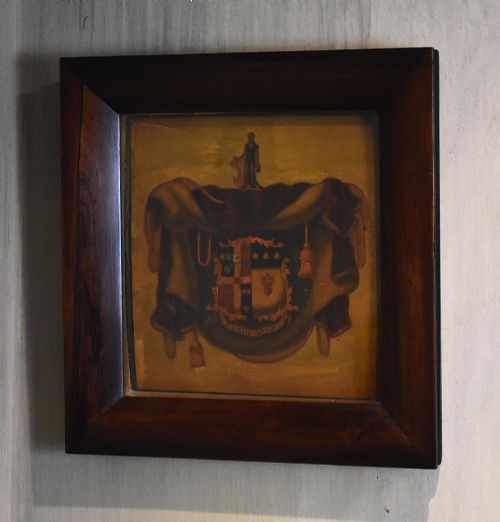


Heraldic Wall Shield
These heraldic wall shield pieces are historic decorative displays of arms and crests designed to bring centuries of lineage and craft into your home.
Heraldic Wall Shield
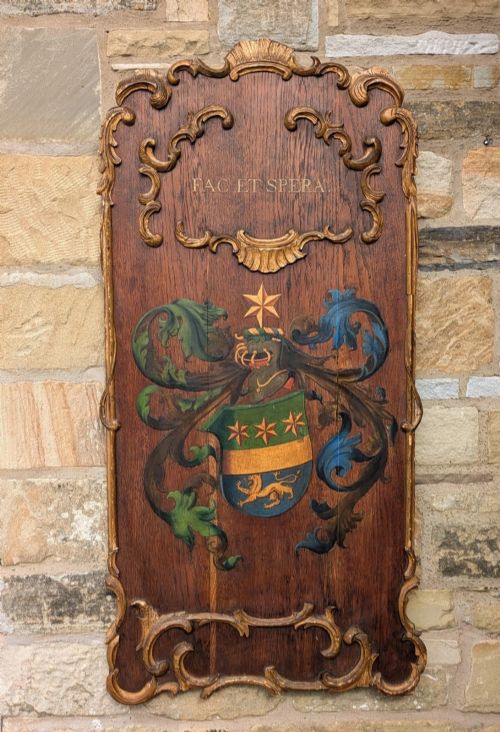
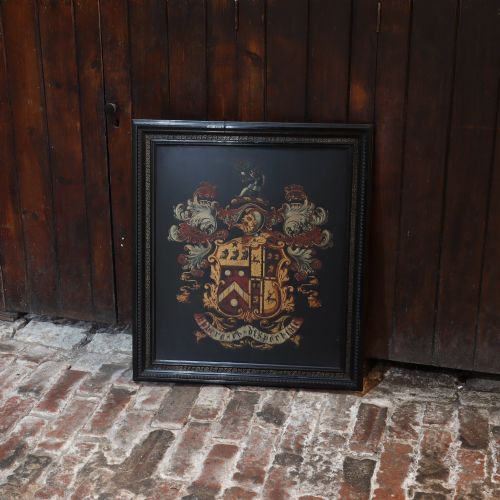
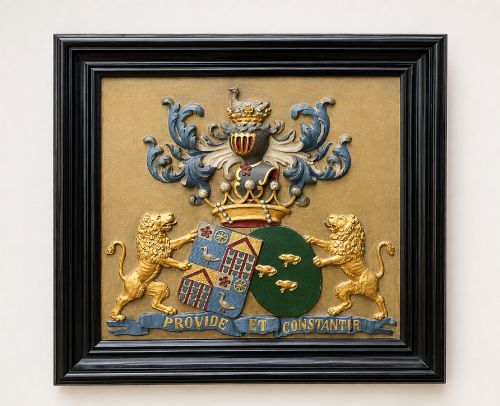
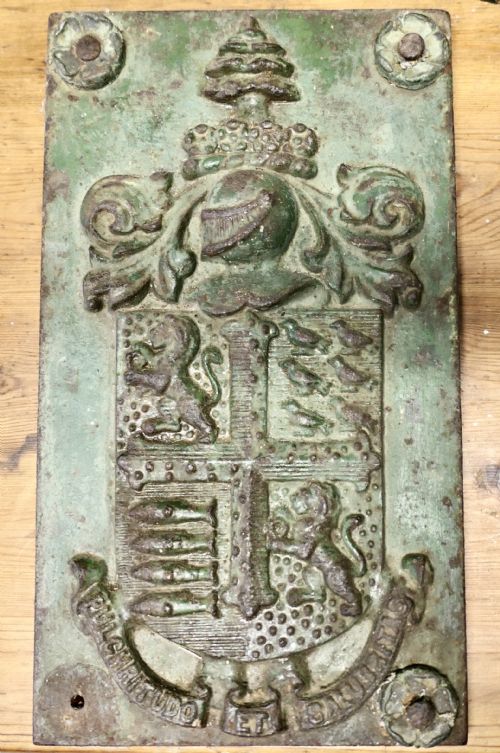
A heraldic wall shield represents familial lineage, corporate heritage, or institutional identity through carved, cast, and painted coats of arms. When searching for a heraldic wall shield, you encounter a diverse range of forms, from large nineteenth-century oak panels and iron plaques to bronze railway crests and painted marriage boards.
The pieces on this page span the eighteenth, nineteenth, and early twentieth centuries, reflecting styles such as Victorian Gothic Revival, Baroque, and Dutch Rococo. Wall plaques, carved hardwood shields, and cast metal emblems dominate the selection, offering rich historic character for interior display.
Most examples originate from British, Dutch, and European workshops, utilising traditional materials to record specific families, railway companies, or civic bodies. You will frequently find nineteenth-century oak, iron, and polychrome painted wood amongst the available options.
Materials and construction methods
Carvers shaped solid woods such as oak, walnut, and tiger oak using traditional hand tools to create deep relief panels and sculptural lions. Gesso and paint were frequently applied over the carved timber to achieve vibrant polychrome finishes and heraldic tinctures.
Foundries utilised cast iron and bronze to produce robust armorial plaques for institutional and railway use, often highlighting the metal with painted or gilt details. Brass frames and gold leaf accents were also employed to enhance the visual prominence of the crests.
Object forms include wall plaques, coach panels, marriage boards, and mirrors shaped as heraldic shields.
Assessing craftsmanship and execution
The quality of a heraldic wall shield rests primarily on the sharpness of the carving and the precision of the heraldic details. Finer pieces demonstrate meticulous hand-carving in hardwood or carefully chased metalwork that respects the strict rules of heraldry.
The integrity of the original paint, gesso, and gilding significantly elevates a piece. Superior examples retain their authentic historic surfaces, whereas lesser items suffer from unsympathetic modern repainting or loss of structural definition.
Nanninga Uitterdyke·Great Eastern Railway·Ministry of Supply Glasgow·Automobile Club of Switzerland
The Heraldic Wall Shield Glossary
- Coat of arms
- A distinct heraldic design on an escutcheon, surcoat, or shield. This visual system of identification developed in medieval Europe to distinguish knights in battle.
- Repousse
- Metalworking technique in which a malleable metal is ornamented or shaped by hammering from the reverse side. This method creates low or high relief designs on bronze and iron plaques.
- Gesso
- A plaster mix consisting of a binder mixed with chalk, gypsum, or pig skin glue. Craftsmen applied it to wood panels as a smooth base for painting and gilding.
- Armorial
- Relating to heraldry or heraldic arms. An armorial panel displays specific family or institutional crests and insignia.
- Polychrome
- The practice of decorating architectural elements, sculptures, or wood panels in a variety of colours. Historic heraldic shields relied on precise polychrome painting to denote correct family colours.
Heraldic Wall Shield: Frequently Asked Questions
What materials are these shields made from?
The pieces utilise a variety of traditional materials, including solid oak, carved hardwood, walnut, and cast iron. Many incorporate applied paint, gesso, gold leaf, and bronze to highlight the heraldic details.
Craftsmen selected these durable mediums to ensure the armorial bearings endured for generations, whether displayed inside grand halls or railway offices.
Are these shields authentic historic items?
The listings span the seventeenth through the early twentieth centuries, featuring period pieces created for specific families, institutions, and railways. Each item reflects the manufacturing techniques and stylistic conventions of its respective era, from Victorian Gothic Revival to Regency coach panels.
Careful inspection of the timber ageing, metal casting, and paint layers helps confirm the historical context of each armorial display.
How should I clean a painted wooden crest?
Maintain painted and carved wooden surfaces by gently dusting with a soft, dry microfibre cloth. Avoid using liquid cleaners, solvents, or modern polishes, as these can damage fragile historic gesso and nineteenth-century polychrome paint.
Keep the shield away from direct sunlight and dramatic humidity fluctuations to protect the timber and prevent paint flaking.