




Antique Heraldic Panel
An antique heraldic panel carries centuries of lineage in wood, glass, and pigment, displaying coats of arms that mark ancient family alliances.
Antique Heraldic Panel
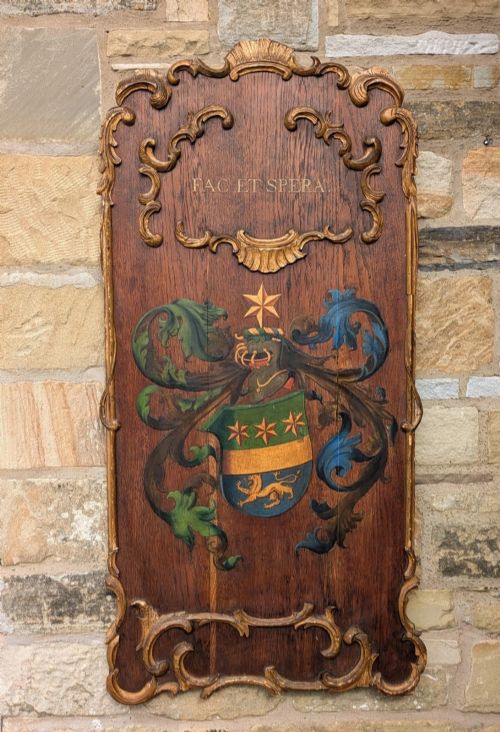
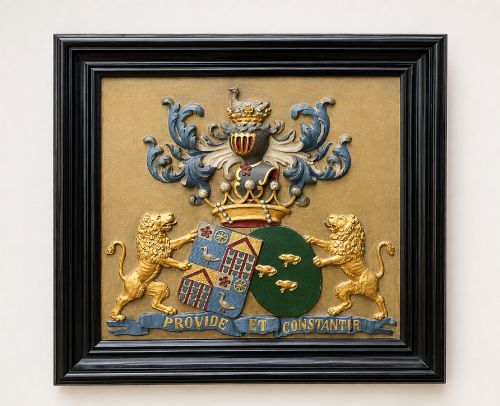
An antique heraldic panel displays coats of arms, crests, and armorial bearings that record family lineage and historic alliances. When searching for an antique heraldic panel, buyers encounter wall plaques, carved wooden panels, framed artwork, and painted coach panels from several eras.
The selections span the seventeenth, eighteenth, and nineteenth centuries, featuring styles such as Gothic Revival, Renaissance Revival, and Victorian. Pieces originate from British, Irish, Scottish, and continental European workshops.
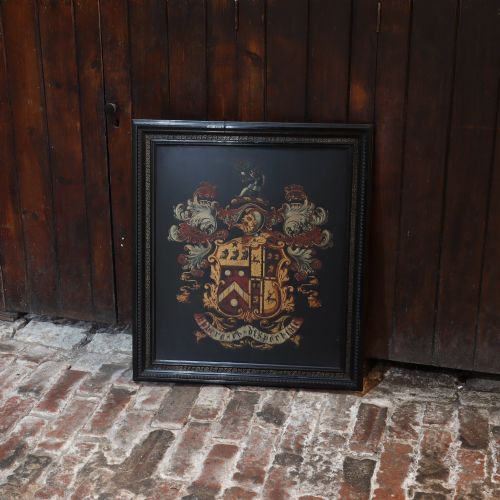
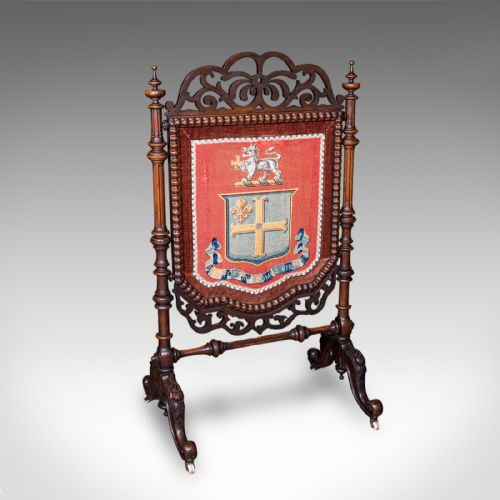
Common forms include carved wooden plaques, embroidered silk needlepoint screens, painted glass windows, and carriage panels originally mounted on aristocratic coaches.
Materials and construction methods
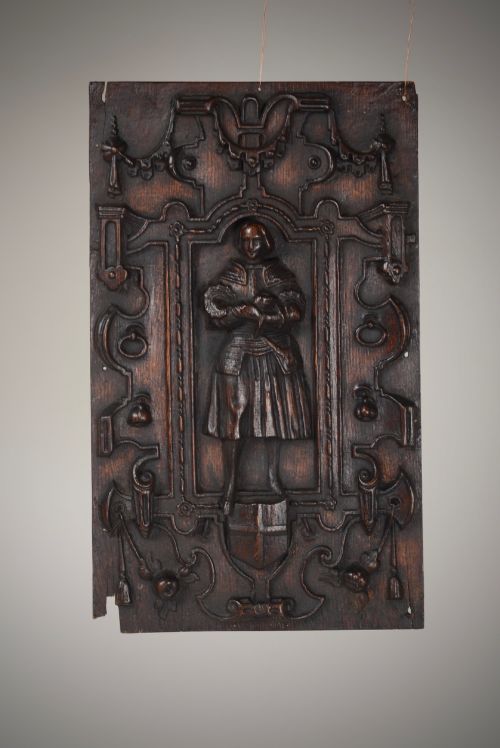
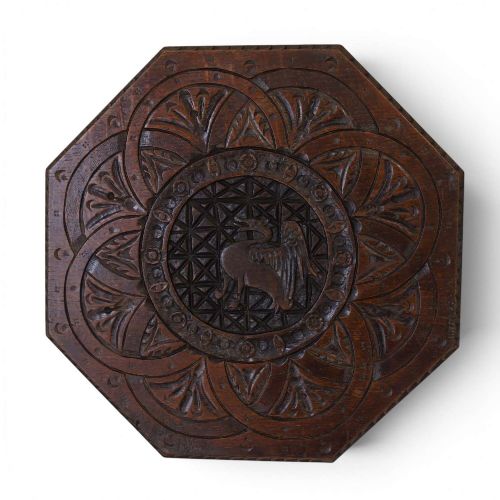
Carved panels utilise dense timbers such as oak and walnut, shaped with hand chisels to render heraldic beasts, shields, and mantling in relief. Wood surfaces frequently display original pigment, gilding, or polished wax patination.
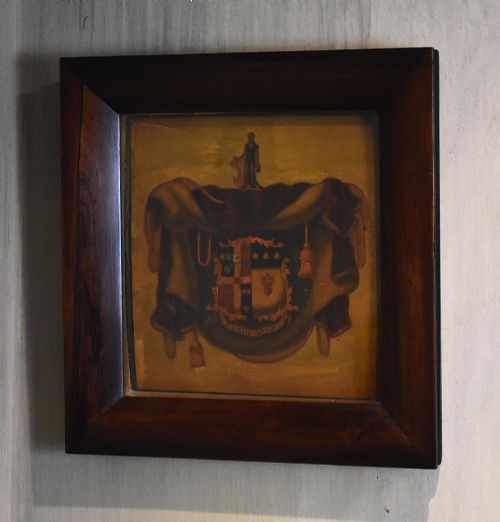
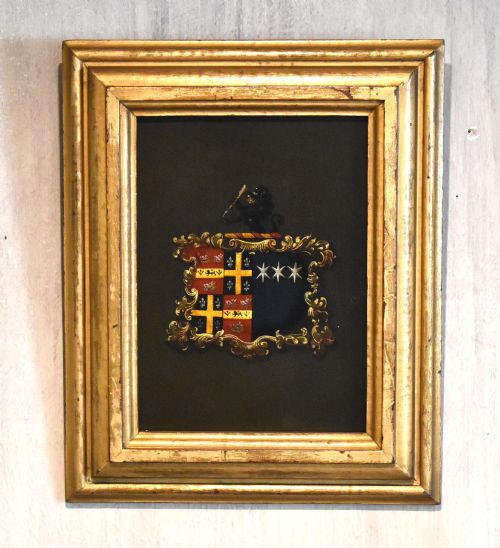
Painted and embroidered examples employ glass, silk thread, and oil pigment on wood, plaster, or copper supports. Needlepoint armorials use fine wool and silk threads stitched onto canvas grounds to delineate complex family crests.
Listings feature oak, walnut, glass, silk, and painted bronze materials spanning the seventeenth through twentieth centuries.
Assessing craftsmanship and heraldic accuracy
Quality rests upon the crispness of the carving, the precision of the heraldic tinctures, and the documentary clarity of the arms. Master carvers render the intricate details of mantling, crests, and supporters with sharp definition in the grain.
Provenance and documented lineage elevate certain pieces, particularly when the specific family, estate, or coach house is identified in records. Intact original framing, unpainted wooden surfaces, and authentic period pigments preserve the historical integrity of the armorial.
The Antique Heraldic Panel Glossary
- Coat of arms
- A formal design displayed on a shield representing a specific family, institution, or individual. These symbols developed in the medieval period for battlefield identification and later marked property and lineage.
- Coach panel
- A painted wooden section lifted from the door of a horse-drawn carriage to display the owner's crest. Aristocratic families mounted these heraldic signs on their coaches for status during travel.
- Gothic Revival
- An architectural and decorative style popular during the nineteenth century that revived medieval forms. Pieces in this style utilise pointed arches, tracery, and heavy carved oak.
- Mantling
- The ornamental foliage depicted around and above the shield in a coat of arms. It originates from the cloth hung over medieval helms to protect against the sun.
- Needlepoint
- Embroidery stitched onto a stiff canvas mesh to form dense pictorial designs. Armorial needlepoint panels were often mounted into firescreens or wall hangings.
Antique Heraldic Panel: Frequently Asked Questions
What is an antique heraldic panel?
An antique heraldic panel is a carved, painted, or embroidered piece displaying family crests and coats of arms. These objects served as decorative displays of lineage in historic homes and public buildings.
They appear as wall plaques, repurposed furniture elements, framed embroideries, and painted carriage panels. Each piece records specific heraldic bearings belonging to titled families and notable estates.
Where were heraldic panels displayed?
Historic owners placed heraldic panels in the great halls, libraries, and entranceways of country houses to declare their ancestry and social standing. Smaller painted versions adorned the doors of private horse-drawn carriages.
Carved wooden panels were frequently integrated directly into interior wall panelling, fireplace surrounds, or overdoors. Framed textile panels and glass windows hung on walls or served as functional firescreens.
How do I date a wooden heraldic panel?
Dating relies upon the timber species, tool marks left by hand chisels, and the stylistic conventions of the carving. Seventeenth-century panels often feature deep, robust relief work in native oak, while Victorian Gothic Revival pieces display sharper, more symmetrical machinery influence.
Examining the specific heraldic families named in the arms provides an anchor for historical research. Contemporary documentation or painted inscriptions on the reverse frequently record the date of creation or marriage.
How do I care for antique wood and textile panels?
Wooden panels require stable indoor humidity away from direct sunlight and heat sources to prevent timber splitting. Gentle dusting with a dry, soft cloth maintains the surface without stripping historic wax patination.
Textile and embroidered panels need protection from bright light to prevent fading of the silk and wool threads. Framing behind glass shields delicate needlepoint and painted surfaces from airborne dust and moisture.