


Hand Painted Heraldic Crest
These hand painted heraldic crest items display detailed armorial bearings and family symbols, offering a tangible link to historical lineage and decorative heritage.
Hand Painted Heraldic Crest
When you search for hand painted heraldic crest pieces, you encounter a varied selection of armorial objects spanning multiple centuries and European traditions. The inventory includes decorative plates, porcelain bowls, glassware, and stained glass windows.
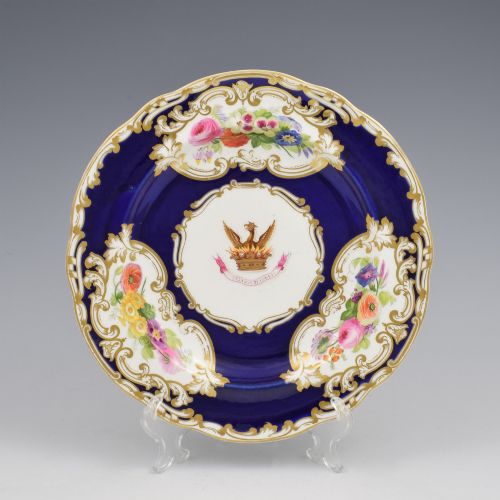
Most pieces date from the Georgian and Victorian eras, alongside Dutch, German, and Chinese export variants. You are likely to meet porcelain plates and armorial jugs bearing specific family coats of arms executed in pigment and gold leaf.
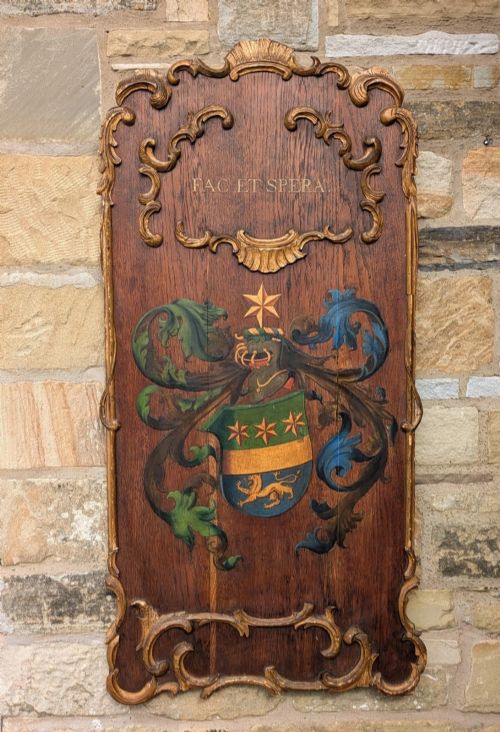
Beyond tableware, the selection extends to wall panels, leaded glass windows, and carved wooden crests. Each object serves as both a decorative focal point and a record of genealogical identity.
How They Were Made
Makers utilised fine porcelain, glass, and oak as substrates for intricate pigment work and gilding. Enamel and gold leaf frequently highlight the raised details of the armorial bearings.
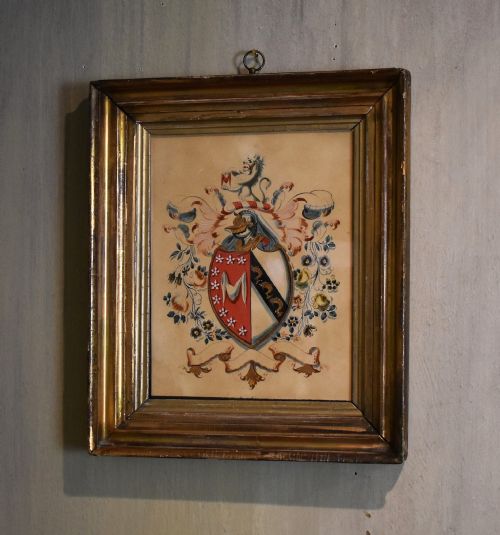
Techniques range from on-glaze porcelain painting and watercolour on paper to leaded glass construction and polychrome wood carving. Firing processes fixed the enamel and pigment firmly to ceramic and glass surfaces.
Listings feature items from the eighteenth and nineteenth centuries, including Georgian and Victorian periods, utilising porcelain, gold leaf, and enamel.
What Varies in Quality
The precision of the brushwork and the delicacy of the heraldic detail dictate the standing of an individual piece. Finer examples display crisp lines in the rendering of mantling, charges, and tinctures.
The quality of the base material also matters, whether it is translucent porcelain, heavy glazed pottery, or clear glass. Superior gilding application and well-preserved pigment integrity elevate the overall execution.
Copeland·Chamberlain Worcester·Samson Of Paris
The Hand Painted Heraldic Crest Glossary
- Armorial
- Relating to heraldry or bearing a coat of arms. This term describes items decorated with specific family crests or shields.
- Roemer
- A traditional large drinking glass used in northern Europe, often decorated with enamelled motifs. These glasses typically feature a wide bowl on a studded stem.
- Polychrome
- Painted or printed in several colours. This describes the multi-coloured pigment work found on wooden carvings and ceramics.
- Historismus
- A nineteenth-century artistic style drawing inspiration from historical periods. German roemers in the listings often reflect this revivalist aesthetic.
- Gilt
- Covered thinly with gold leaf or gold paint. Gilding highlights raised portions of the armorial design.
Hand Painted Heraldic Crest: Frequently Asked Questions
What is an armorial plate?
An armorial plate is a ceramic dish decorated with a family coat of arms or crest. These were traditionally commissioned by noble or wealthy families for dining or display.
Over time, such plates transitioned from functional tableware into decorative collectors' items, prized for their genealogical and artistic associations.
How are German roemers used?
German roemers are large, historic drinking vessels traditionally utilised for white wine during feasts and gatherings. Their distinctive studded stems provided a secure grip during use.
Today, they are typically displayed as decorative glassware to showcase their enamelled heraldic motifs.
How do I date an armorial piece?
Dating relies on examining the ceramic body, glaze characteristics, and the style of the armorial painting. Porcelain bodies and enamel compositions shifted noticeably between the Georgian and Victorian eras.
Maker marks, where present, and stylistic cues from the surrounding mantling also help narrow down the period of manufacture.
Can I hang armorial wall panels?
Armorial wall panels and carved wooden crests are designed specifically for interior display. They were originally mounted above doors or within wood-panelled rooms.
When living with these pieces, ensure secure wall fixings to support the weight of the timber and gesso components.