
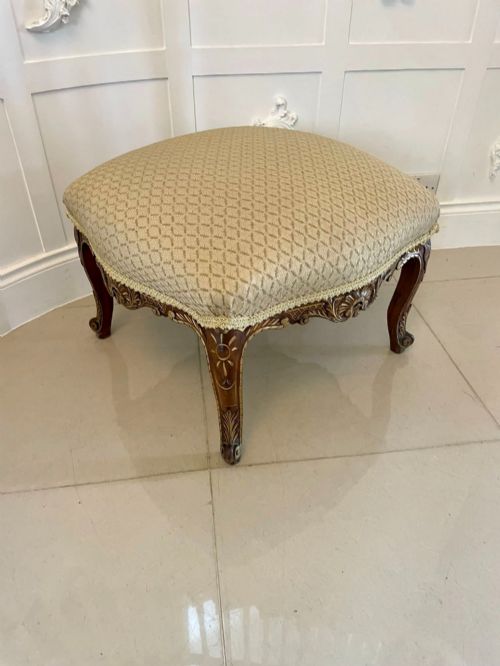
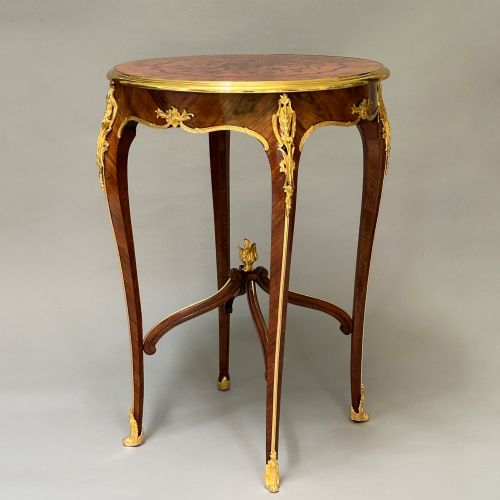
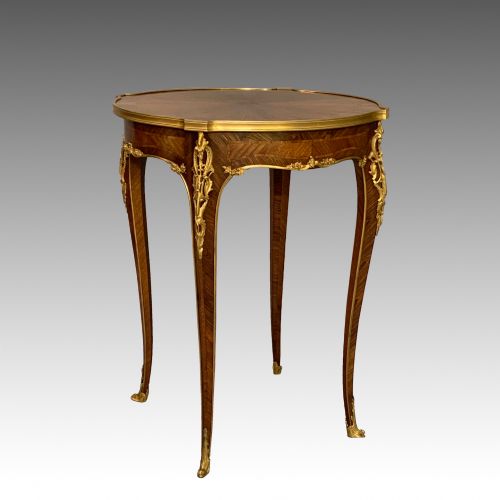

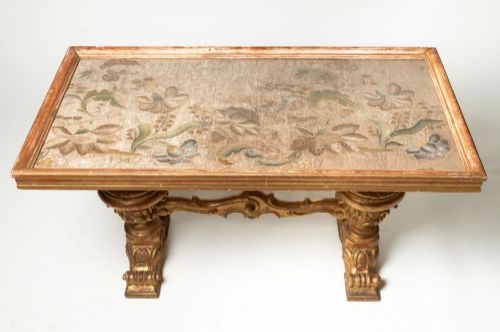
Rococo Accent Table
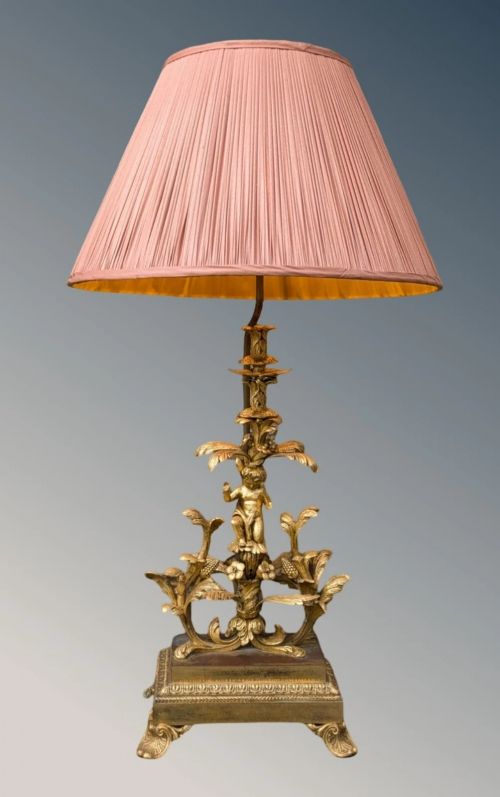
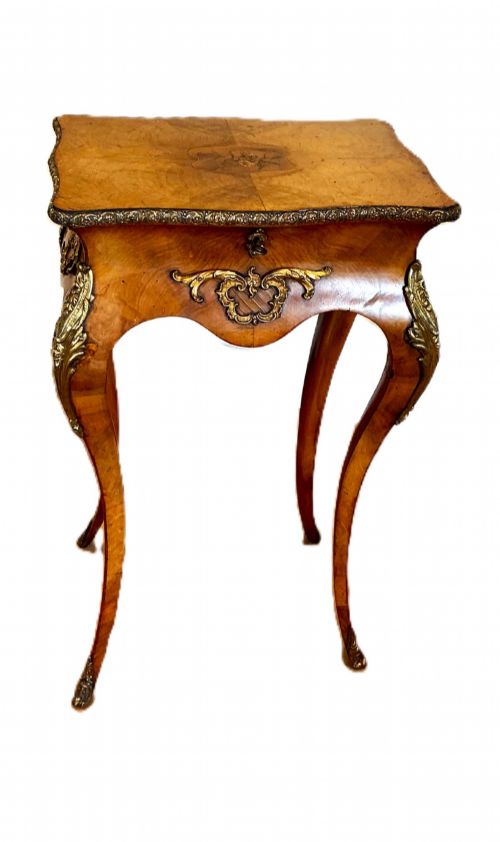
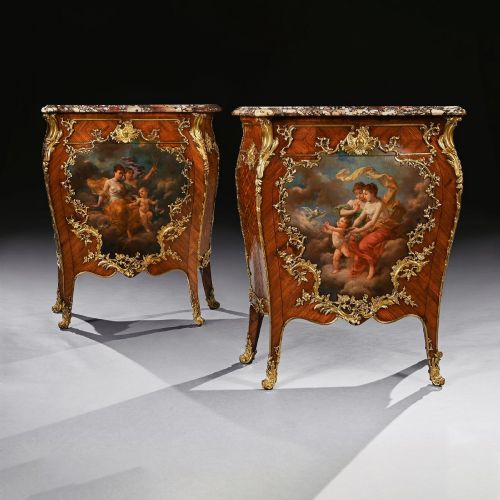
These rococo accent table pieces combine elaborate organic curves with rich timbers and gilt mounts, bringing dramatic French and Victorian revival flair to any room.
Rococo Accent Table
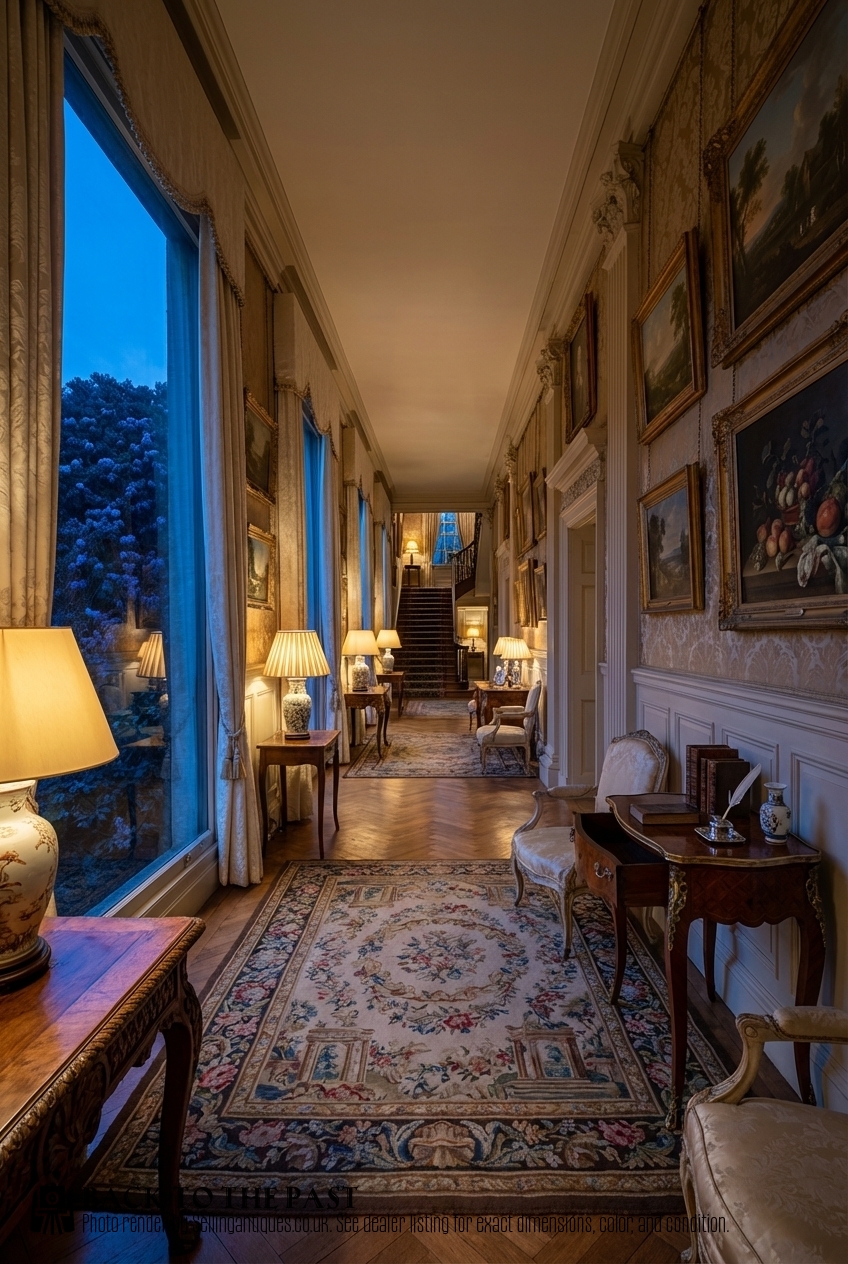
A rococo accent table brings nineteenth-century revival styling into domestic spaces through compact occasional furniture. These pieces draw directly upon French Louis XV designs, featuring asymmetric scrollwork and serpentine surfaces.
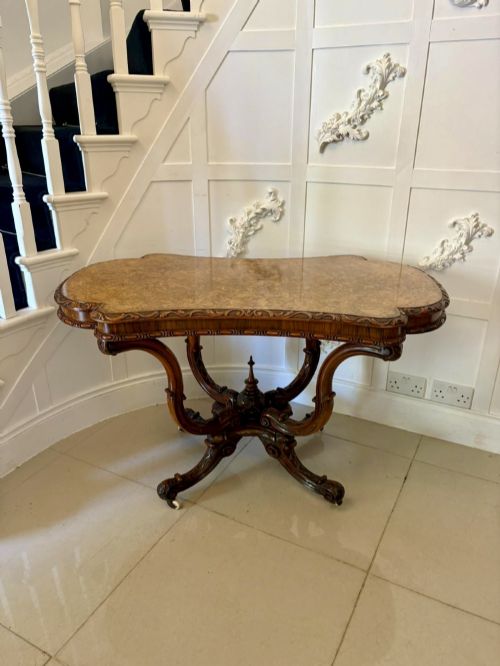
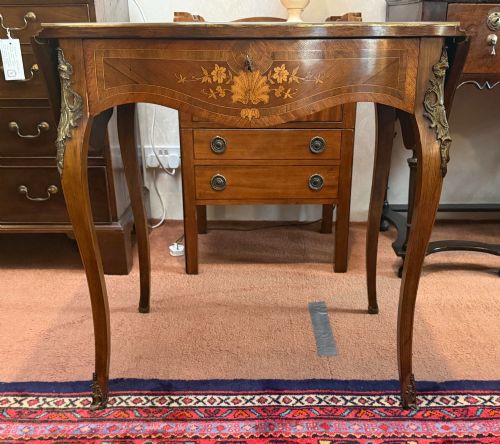
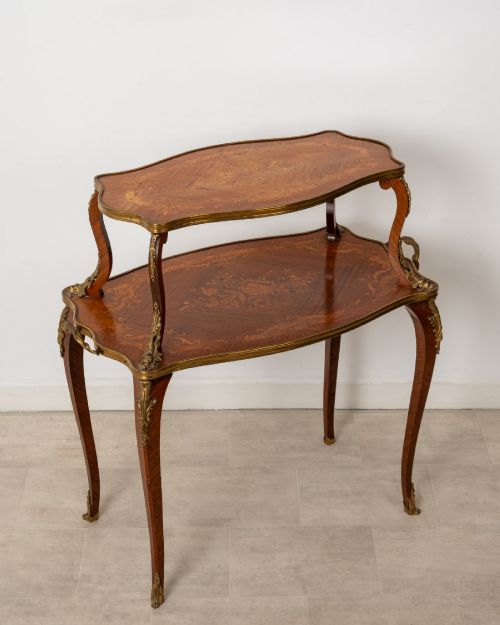
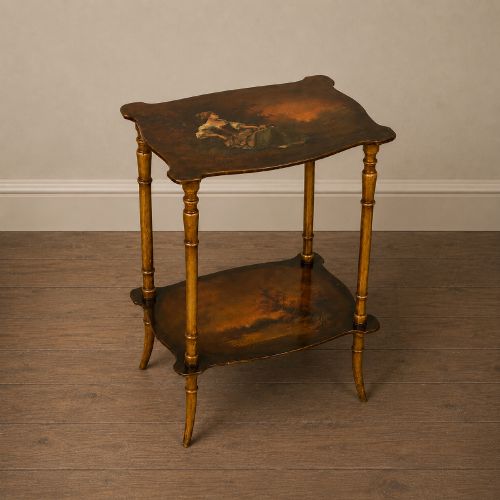
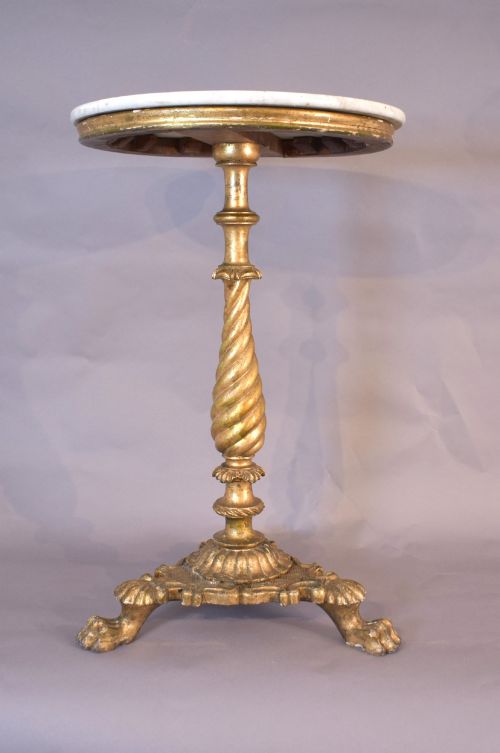
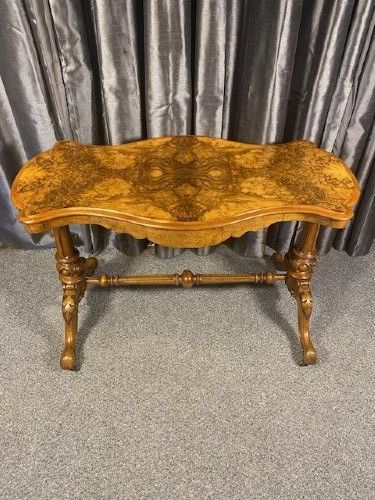
The most common forms seen on this page include walnut and kingwood side tables alongside occasional tables, etageres, and marble top centre tables. Makers often incorporated marquetry inlay and gilt-bronze mounts to heighten the decorative impact.
Originating predominantly from nineteenth-century French and Victorian workshops, these items serve primarily as decorative display surfaces or functional occasional tables in drawing rooms and reception spaces.
Materials and construction
Cabinetmakers built these frames using solid walnut and structural hardwoods overlaid with decorative kingwood and burr walnut veneers. Marquetry details add intricate floral and geometric patterns across table tops and tier shelves.
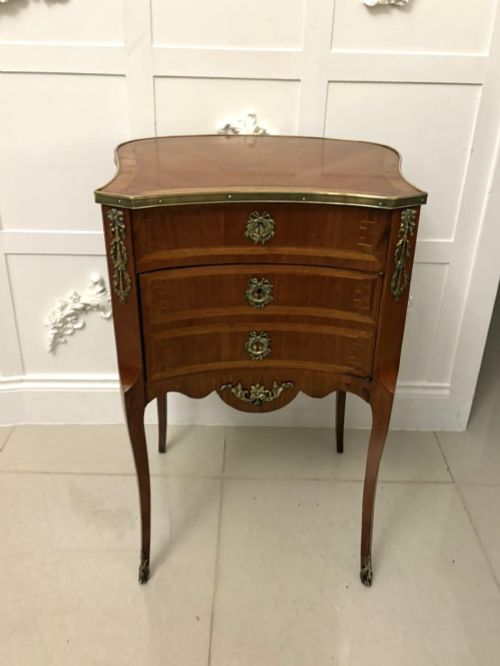
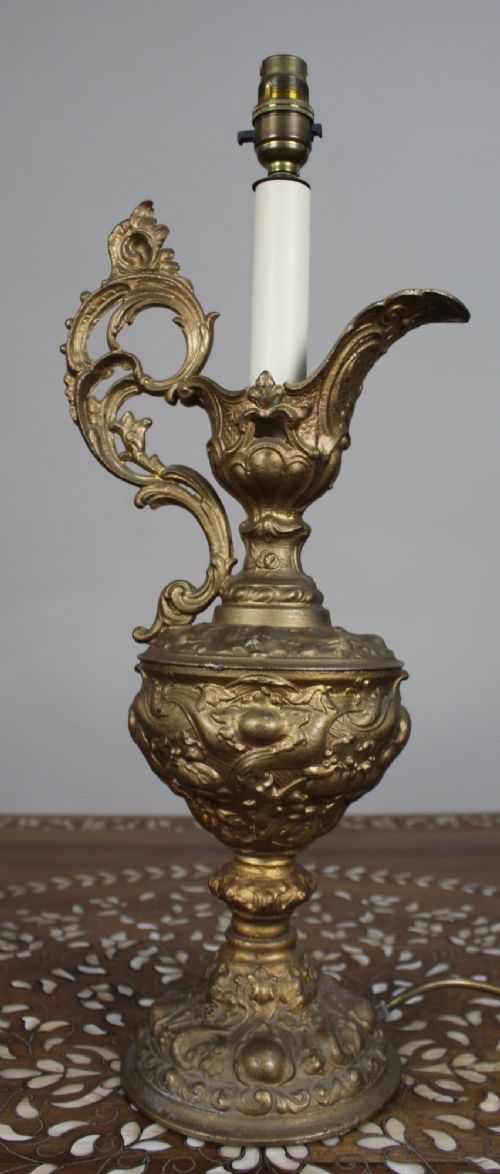
Cast ormolu and gilt bronze mounts define the revival aesthetic, accentuating table legs, aprons, and corners with chased rocaille motifs. Many surfaces are topped with fitted marble slabs or protective glass panels.
Judging the quality
Quality rests upon the crispness of the gilt-bronze chasing and the precision of the marquetry inlay across the wood surfaces. Superior examples demonstrate fluid hand-carving in the walnut frames rather than cast composition details.
The choice of timbers dictates baseline merit, with burr walnut and quartersawn kingwood sitting above plain painted finishes. Signed pieces by established makers elevate the standing of a table significantly.
Joseph-Emmanuel Zwiener·François Linke·Millet·Edwards & Roberts
The Rococo Accent Table Glossary
- Ormolu
- Gilded bronze used for decorative mounts and furniture trim. This technique involved applying finely ground gold mercury amalgam to cast bronze.
- Marquetry
- Inlaid wood veneers forming pictorial or geometric patterns on furniture surfaces. Craftsmen contrasted lighter exotic woods against dark walnut or kingwood bases.
- Étagère
- A set of open shelves for displaying small objects or ornaments. These tiered tables became popular during the nineteenth century for drawing room displays.
- Vernis Martin
- A type of simulated Japanese lacquer developed in France during the eighteenth century. Makers applied multiple translucent varnish layers to achieve a glossy decorative finish.
Rococo Accent Table: Frequently Asked Questions
How are these tables cleaned?
Dust wooden surfaces regularly with a soft, dry cloth to prevent dirt accumulation. Avoid harsh chemical polishes that can damage antique French wax finishes.
Keep ormolu mounts free of moisture using a dry brush. Professional restoration is recommended for damaged veneer or loose gilt bronze fittings.
Where should a side table go?
Place an occasional table beside a sofa or armchair to provide a convenient surface for lamps or drinks. Their decorative marquetry tops work well as focal points in hallways and reception rooms.
Ensure these pieces stay away from direct sunlight and strong heat sources to protect vulnerable wood veneers and antique glue.
How do I identify French revival furniture?
Look for characteristic Louis XV elements such as cabriole legs, asymmetrical cartouches, and flowing C-scroll motifs. Nineteenth-century revival pieces often employ machine-cut veneers alongside hand-chased ormolu mounts.
Check for maker signatures stamped on the bronze mounts or underside of the carcase. Cabinetmakers working in Paris during the nineteenth century frequently marked their output.
What is the difference between kingwood and walnut?
Walnut is a native European hardwood prized for its rich grain patterns and durable structural qualities. It served as the primary framing timber for many Victorian and French revival pieces.
Kingwood is a dense tropical timber featuring dark violet-brown tones with lighter golden streaks. Cabinetmakers reserved it for decorative veneer work rather than main structural frames.