
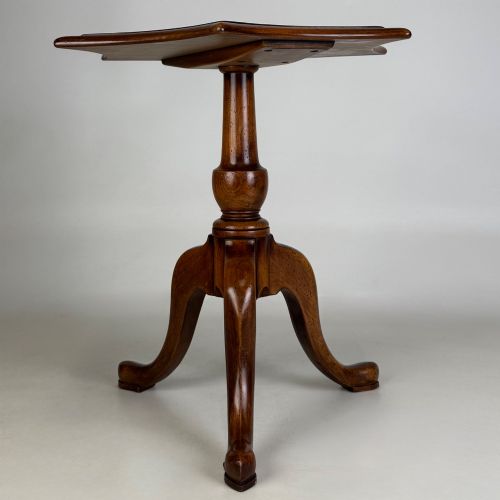
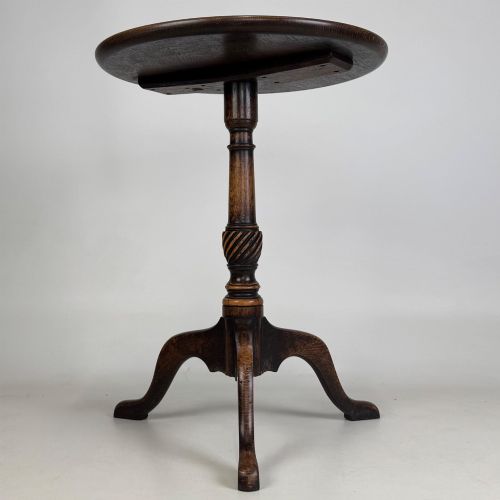
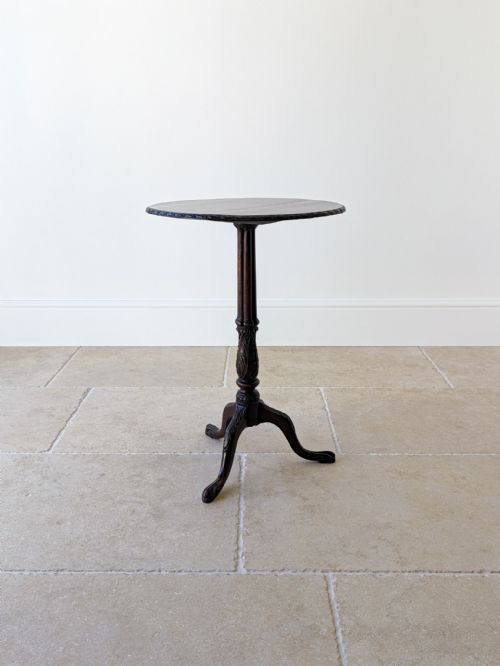
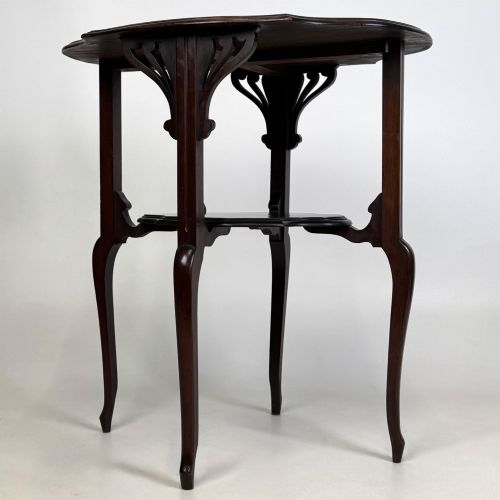
Carved Cabriole Occasional Table
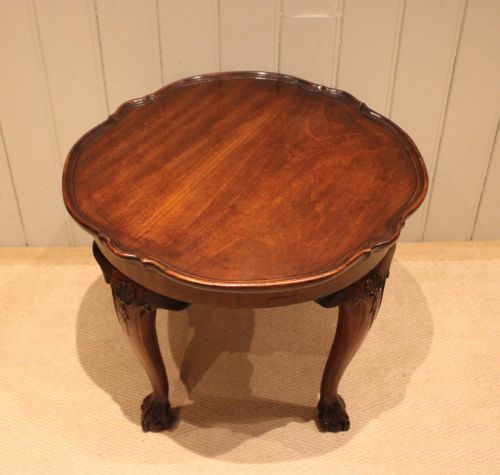
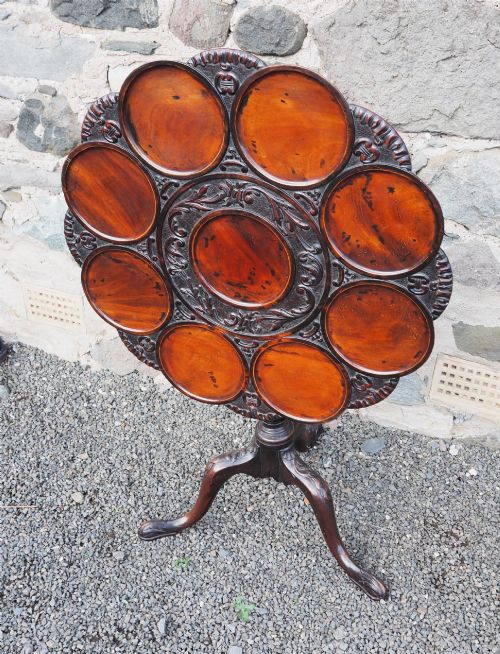
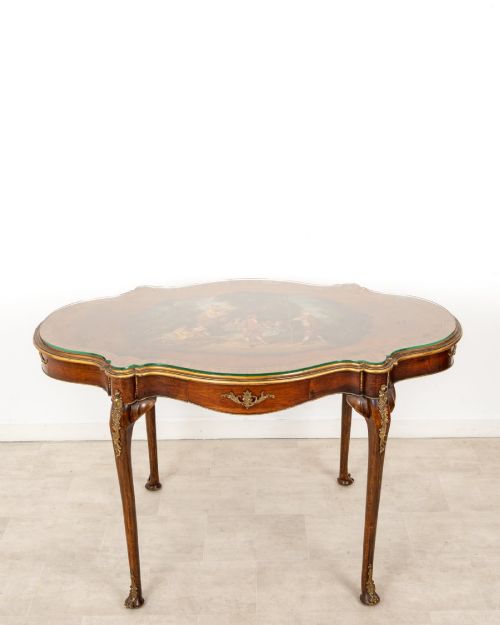
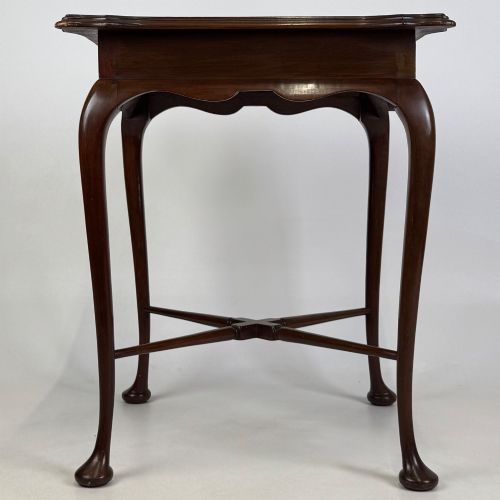
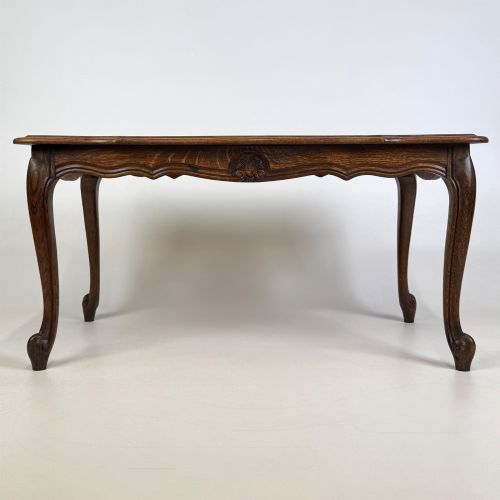
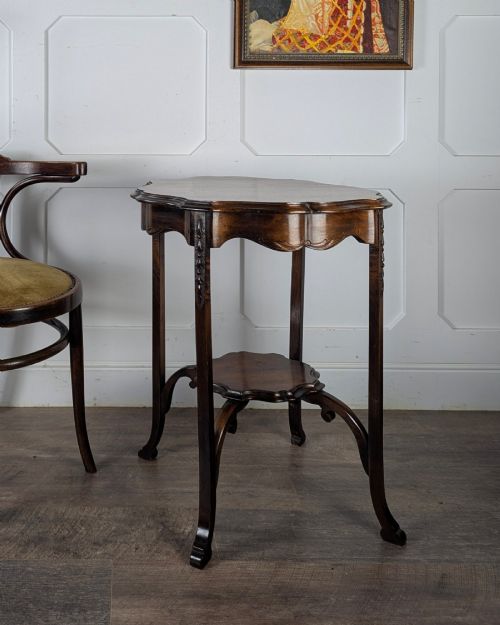
A carved cabriole occasional table brings together sinuous legs and timber craftsmanship to serve any room as a practical surface.
Carved Cabriole Occasional Table
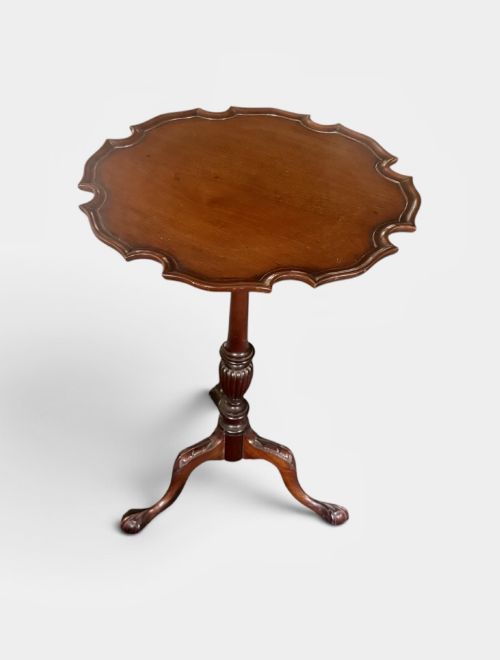
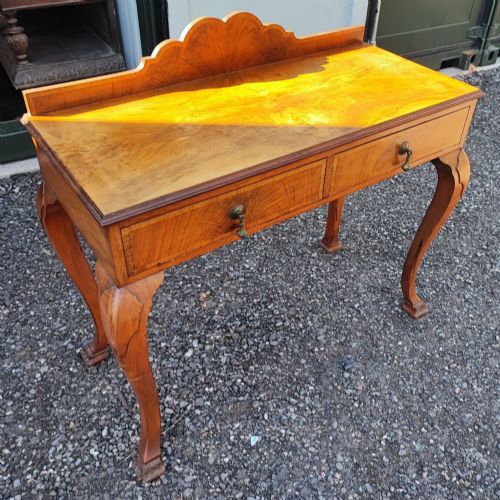
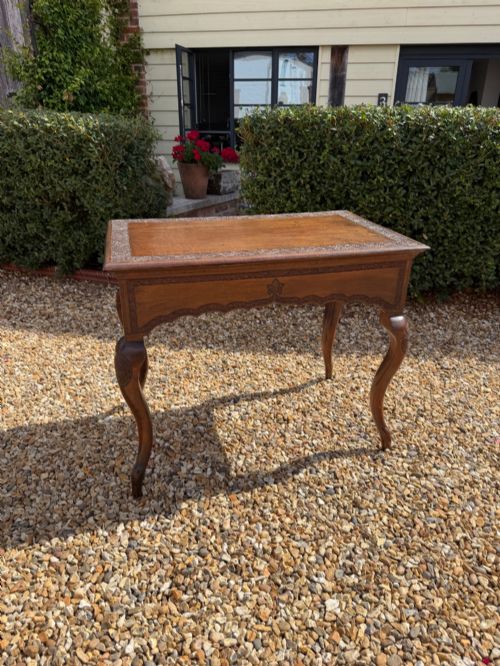
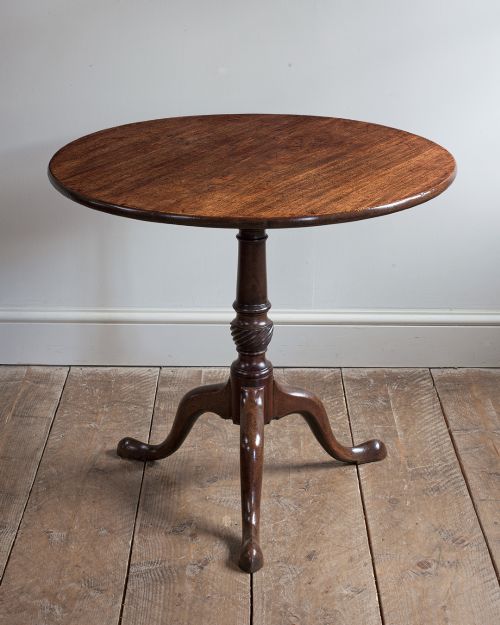
A carved cabriole occasional table brings together distinct periods ranging from the eighteenth century through to the early decades of the twentieth century. These pieces appear in forms such as side tables, coffee tables, wine tables, centre tables, and tea tables.
The materials span mahogany, walnut, oak, and brass, often displaying revival influences including Queen Anne and Chippendale styles. Surviving pieces trace origins through Edwardian, Victorian, and Georgian eras.
The selection on this page shows a strong presence of Edwardian and early twentieth-century examples alongside eighteenth-century items. Buyers frequently encounter walnut and mahogany constructions fitted with tripod bases or low frames.
Distinctions in Quality
Subtlety of carving and proportion separate standard examples from finer works. The crispness of detail on the legs and edges indicates the maker's hand.
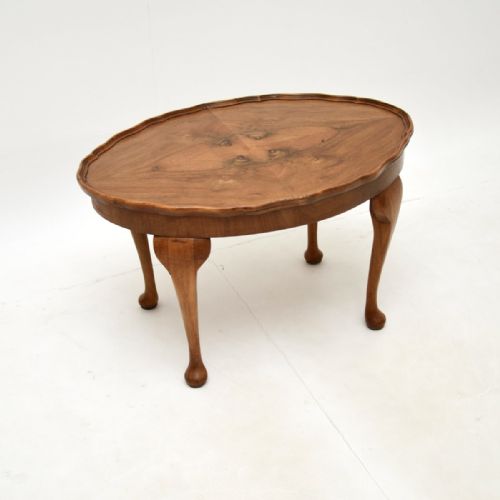
Selection of timber grain, particularly matched burr walnut veneers or dense mahogany, dictates the visual impact of the top surface. The integration of structural joints ensures stability without detracting from the silhouette.
Listings feature woods including oak, mahogany, walnut, and burr walnut veneer across various centuries.
Shapland and Petter·Waring and Gillow
The Carved Cabriole Occasional Table Glossary
- Cabriole
- A furniture leg that curves outward at the knee and tapers inward toward the ankle, ending in a pad or foot. This form derives from traditional Chinese furniture and became prominent during the eighteenth century.
- Pie crust rim
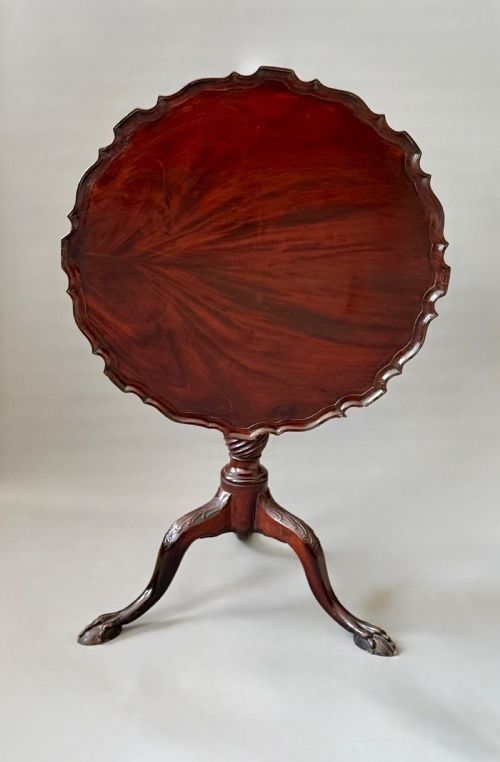
- A raised, scalloped edge carved along the perimeter of a circular table top. It resembles the fluted crust of a pastry.
- Tripod table
- A small freestanding table supported by a central pillar resting on three legs. Many versions feature a tilt-top mechanism for storage.
- Lowboy
- A small dressing or side table featuring one or more drawers beneath the top. They typically stand on four tall legs.
Carved Cabriole Occasional Table: Frequently Asked Questions
What is a cabriole leg?
A cabriole leg is a curved support that swells outward at the knee and tapers inward toward the foot. This shape mimics animal limbs and defines many eighteenth-century and revival pieces.
Makers carved these contours directly from solid timber or shaped them to integrate smoothly into the table frame.
Where should I place an occasional table?
These tables function well beside seating areas as lamp or wine surfaces, or as accent pieces in hallways. Their compact scale allows them to fit into corners and smaller spaces.
Many examples feature circular or oval tops that soften the geometry of a room.
How do I identify an eighteenth-century piece?
Eighteenth-century tables display construction methods typical of the period, including hand-cut joints and native timbers such as mahogany and oak. Patination develops naturally across the wood surfaces over generations of use.
Revival pieces from the Edwardian or Victorian eras often copy these earlier proportions and styles.