


Rich Mahogany Credenza
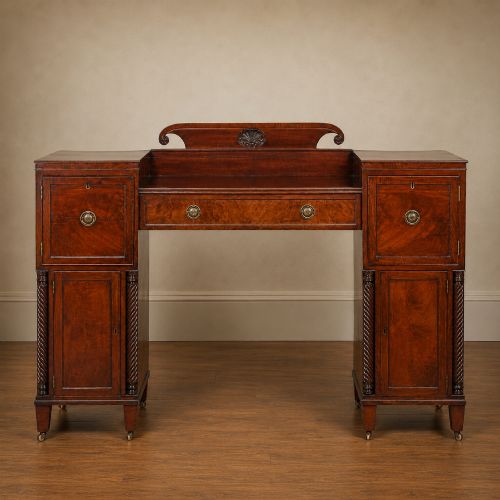
A rich mahogany credenza brings depth and presence to a room through dark timber and substantial joinery.
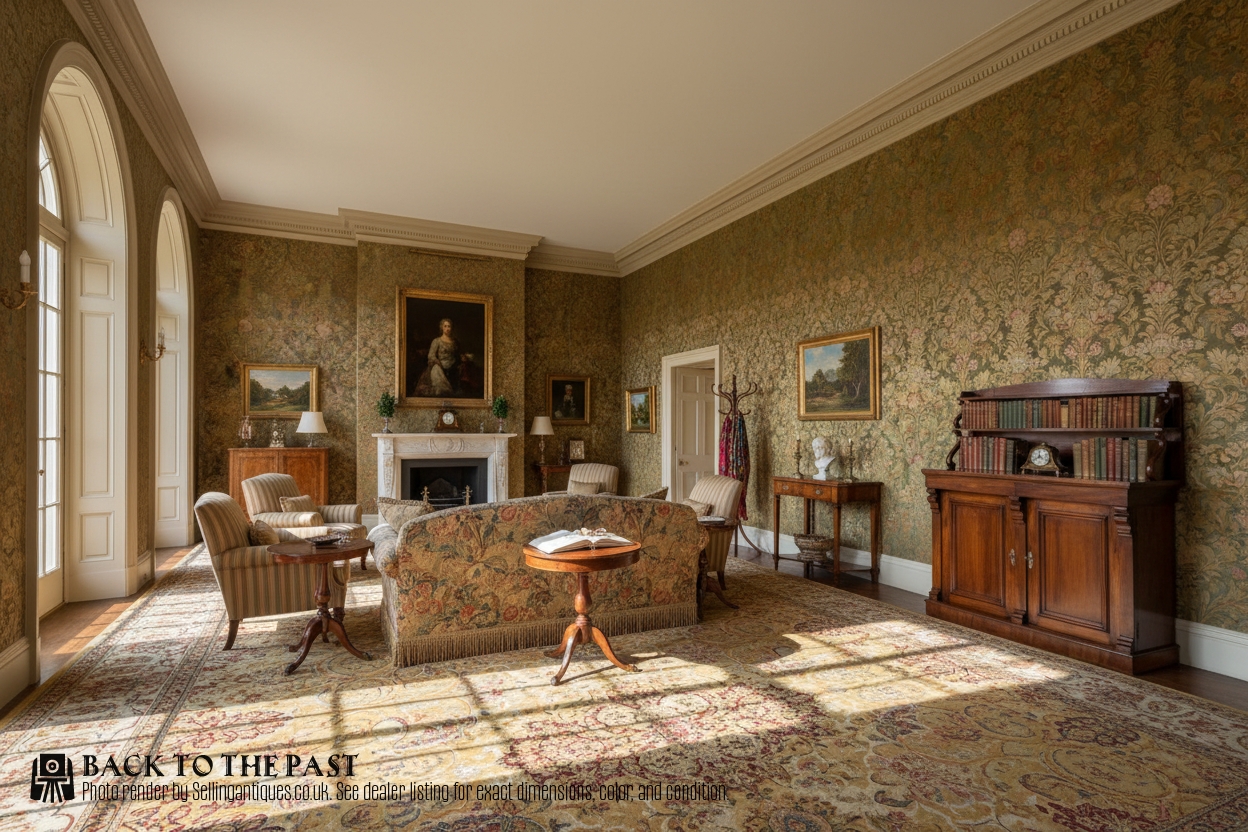
Rich Mahogany Credenza
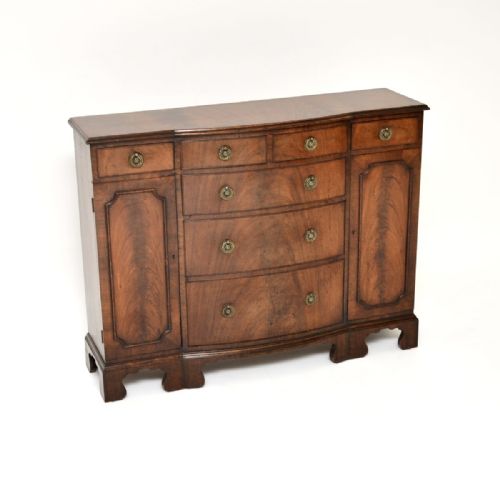
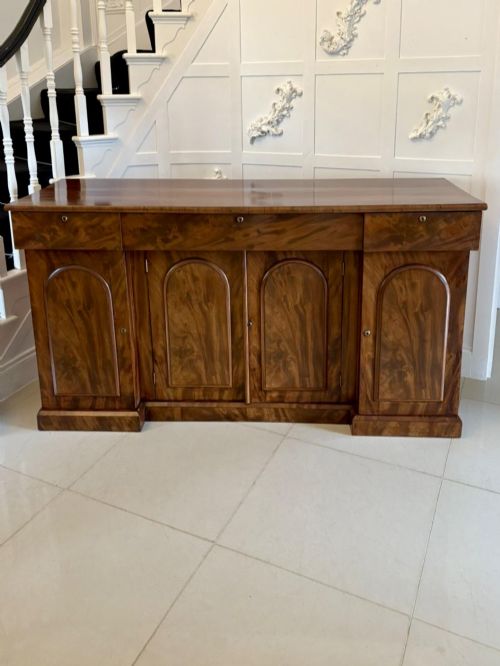
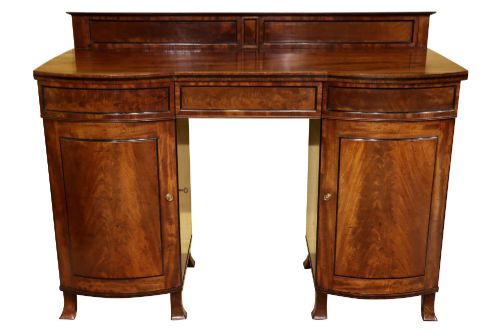
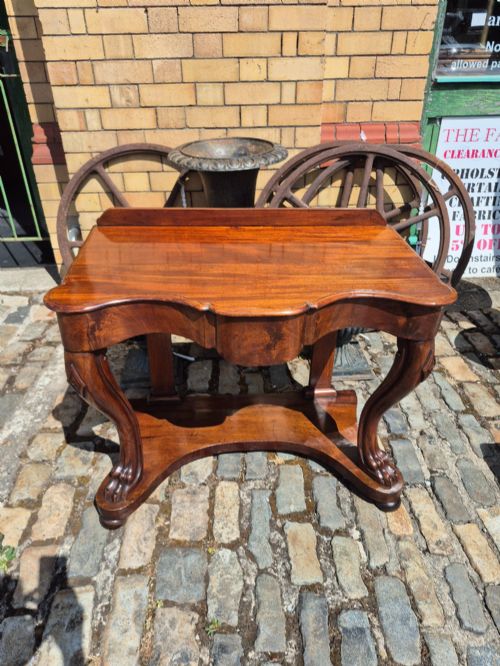
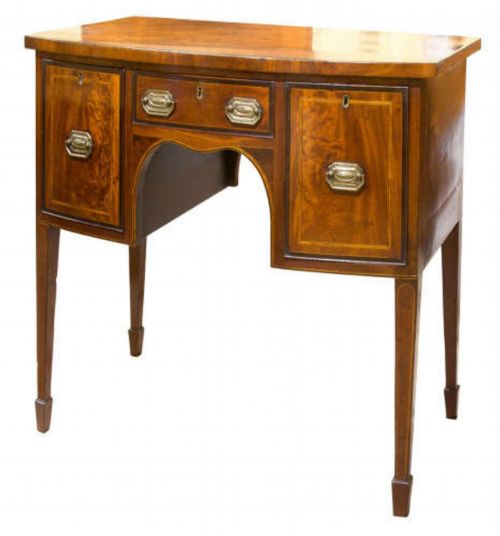
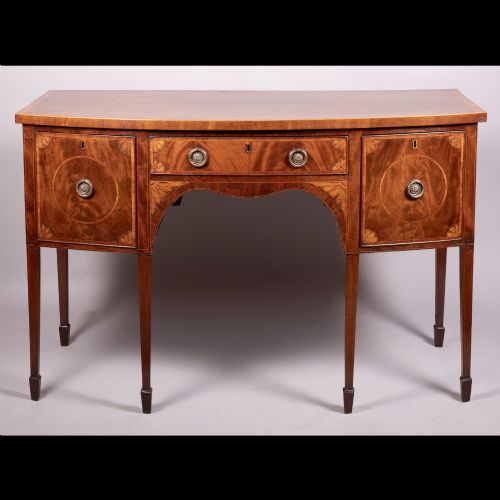
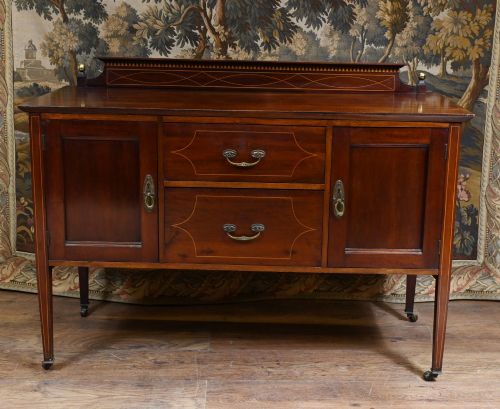
A rich mahogany credenza functions primarily as a substantial serving surface and storage piece, drawing on forms such as sideboards, chiffoniers, and servers. When searching for a rich mahogany credenza, buyers encounter pieces spanning the Georgian, Regency, and Victorian eras, alongside later revival styles.
The selection ranges from bow-fronted pedestal designs to carved chiffoniers and breakfront cabinets. These items originate predominantly from the nineteenth and eighteenth centuries, reflecting formal dining and parlour traditions.

Materials and construction
Makers utilised solid mahogany and applied veneer layers, frequently selecting flame mahogany to create striking grain patterns across large doors and drawer fronts. Secondary timbers and structural elements incorporate walnut, maple, and purpleheart banding for contrast.
Brass fittings, including handles, hinges, and gallery rails, provide functional and decorative accents. Inlays of satinwood further enrich the surface decoration on select Edwardian and Georgian examples.
Rich Mahogany Credenza Retail Price Guide 2026
Typical asking prices for rich mahogany credenza among the pieces listed under this phrase on Sellingantiques today, from the lower quarter to the upper quarter. They describe what is for sale here now, not the wider market.
Listings feature mahogany, walnut, and purpleheart timbers across Victorian, Regency, and Georgian periods.
Gradations of quality
The hierarchy of quality rests on the selection of the timber figure and the precision of the cabinetmaker's joins. Highly figured flame mahogany or plum pudding grain demands superior skill in veneer matching and selection.
Carved ornamentation, whether crisp foliate motifs or restrained brass inlay, distinguishes standard utility furniture from pieces commissioned for prominent town and country houses.
The Rich Mahogany Credenza Glossary
- Credenza
- A sideboard or cabinet used for serving food and displaying plate. It typically stands lower than a traditional tall buffet.
- Flame mahogany
- A veneer cut from the fork of the mahogany tree where the grain twists into a flame-like figure. It creates dramatic patterns across large cabinet doors.
- Breakfront
- A piece of furniture where the central section projects forward from the flanking wings. This architectural arrangement adds depth and shadow to large sideboards.
- Chiffonier
- A low sideboard or cabinet equipped with enclosed shelving and sometimes a small superstructure. It gained popularity during the Regency and Victorian periods.
- Purpleheart
- A dense American timber displaying a distinct purple hue, often utilised for contrasting bands and stringing on eighteenth-century surfaces.
Rich Mahogany Credenza: Frequently Asked Questions
What is a credenza?
A credenza is a long, low storage cabinet historically used for serving food and storing dining accessories. In modern interiors, it serves a similar function in dining rooms, hallways, and living spaces.
These pieces offer substantial surface area and enclosed cupboard space, making them practical for storing table linen, crockery, or media equipment.
How do I date a mahogany sideboard?
Dating relies on examining the construction methods, handle types, and secondary timbers used inside the drawers. Earlier pieces from the eighteenth century often feature hand-cut dovetails and solid timber secondary framing.
Stylistic cues also help determine age, such as the elegant curves of Regency pedestals compared to the heavier carved details of Victorian iterations.
How do I care for mahogany furniture?
Mahogany furniture requires stable indoor humidity and protection from direct sunlight to prevent the timber from fading or drying out. Regular dusting with a soft cloth keeps the polished surface clean.
Applying a traditional beeswax polish periodically nourishes the wood and maintains the natural lustre of the grain without building up heavy chemical residues.
Where were these pieces used?
These large serving tables and cabinets were traditionally placed in formal dining rooms to assist during large meals. They held silver platters, glassware, and serving dishes before service.
Over time, smaller proportions and varying designs allowed them to migrate into drawing rooms, parlours, and hallways as decorative display furniture.