
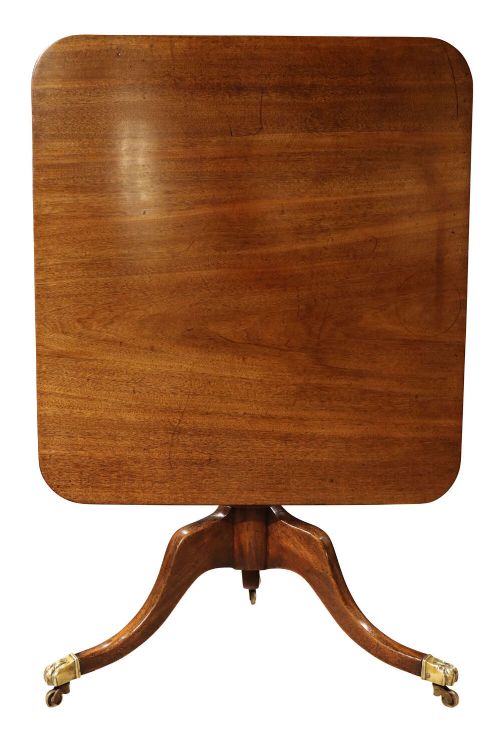
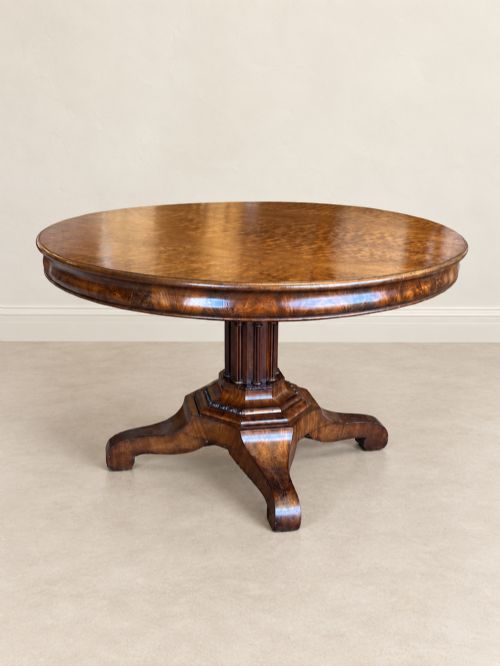
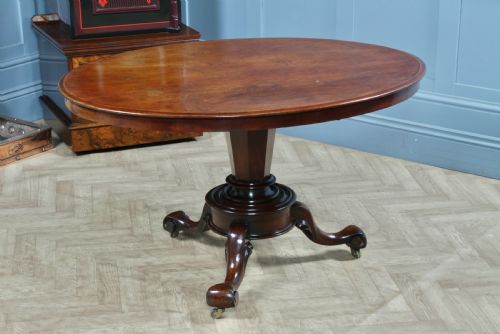
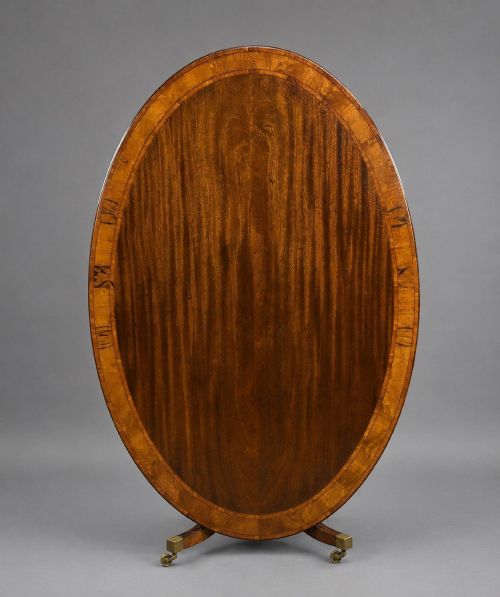




Rich Brown Tilt Top Table
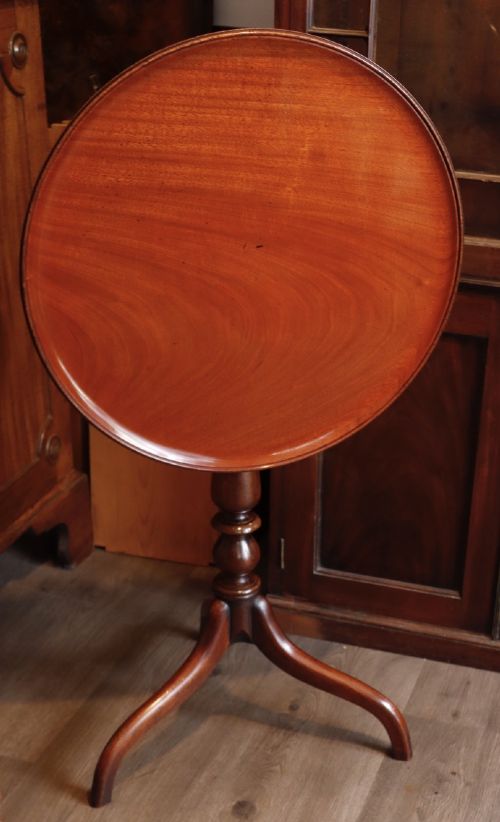
A rich brown tilt top table offers practical surface space with a clever folding mechanism that saves room when not in use.
Rich Brown Tilt Top Table
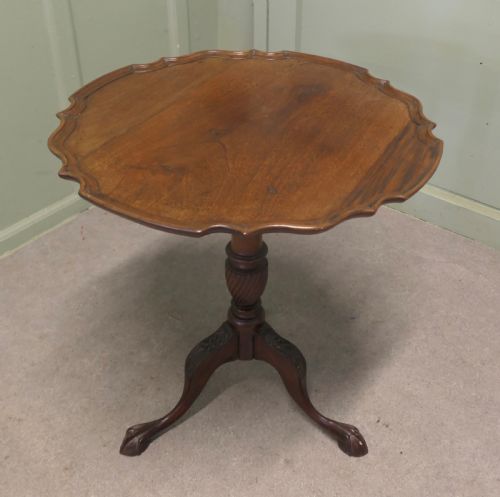
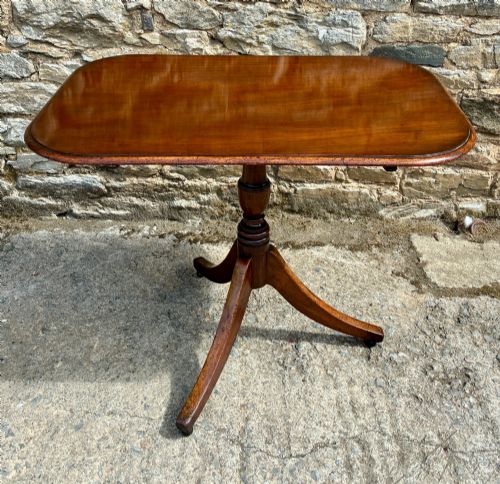
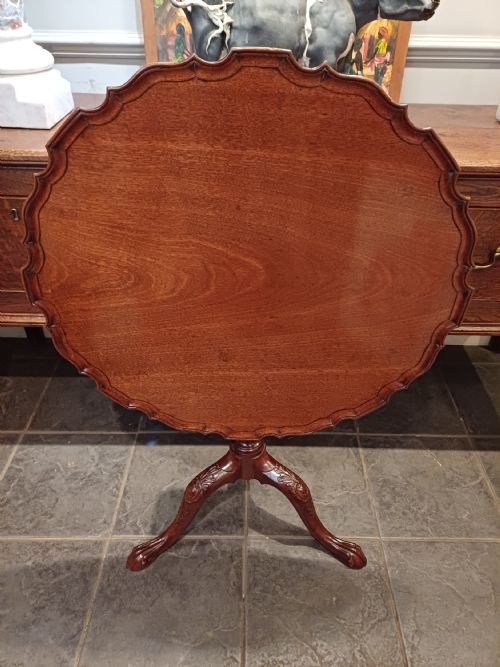
A rich brown tilt top table brings centuries of functional craftsmanship into modern spaces, offering versatile utility across multiple interior styles. When exploring a rich brown tilt top table, buyers encounter formats spanning the Georgian, Victorian, and Edwardian eras, each presenting distinct proportions and uses.
Forms range from compact wine tables and occasional pieces to larger breakfast and dining tables supported by tripod bases or central pedestals. Mahogany dominates the selection, frequently accompanied by rich timbers like gonçalo alves and rosewood.
Many examples incorporate clever mechanisms such as birdcage actions or snap-top catches, allowing the surface to swivel and fold flat vertically. This design tradition reflects historical needs for flexible domestic spaces where furniture could be easily cleared aside.
Materials and construction methods
Makers utilised solid and veneered timbers, with mahogany serving as the primary structural and visual material across various periods. Dense tropical hardwoods like rosewood and gonçalo alves appear in select pieces, contributing deep natural colour and varied grain patterns.
Tripod bases and pedestals provide sturdy support for the tilting mechanisms, often finished with brass fittings or castors on larger formats. Joinery techniques connect the pivoting top to the central column securely, ensuring smooth movement without compromising structural integrity.
Listings span multiple eras including the Georgian, Regency, Victorian, and Edwardian periods, alongside 1930s interpretations.
Distinguishing quality across examples
Quality reveals itself in the choice of timber and the precision of the pivoting mechanism, where tighter tolerances ensure stability when the top is locked horizontal. Finer pieces display carefully selected grain patterns on the surface top, maintaining visual balance across the entire expanse.
Proportion and carving detail separate standard workshop output from exceptional examples, particularly in the shaping of tripod legs and pedestal columns. The smoothness of the birdcage action or snap-top catch demonstrates the original standard of fitting and adjustment.
The Rich Brown Tilt Top Table Glossary
- Tilt top
- A table design featuring a hinged mechanism that allows the surface to rotate and lock into a vertical position for storage.
- Birdcage
- A timber framework beneath the table top that enables both pivoting and rotating movements on the central column.
- Tripod base
- A three-legged support structure commonly utilised on smaller occasional and wine tables for stability on uneven floors.
- Snap top
- A spring-loaded or catch mechanism that secures the table surface firmly in the horizontal position during use.
- Gonçalo alves
- A dense exotic hardwood prized for its striking contrasting grain, seen on specific Regency and William IV pieces.
Rich Brown Tilt Top Table: Frequently Asked Questions
What is a tilt top table used for?
These tables served flexible roles in historic homes, functioning as tea tables, dining surfaces, or card tables depending on their dimensions.
When not in use, the top tilted vertically so the piece could stand flat against a wall to maximise room space.
How do I identify the period of my table?
Period identification relies on examining the timber selection, leg profile, and the engineering of the tilting mechanism underneath.
Georgian and Regency pieces often feature refined tripod carving or pedestal bases, while Victorian and Edwardian examples show heavier proportions or alternative wood combinations.
Can I use a tilt top table daily?
These pieces suit everyday placement as side, lamp, or occasional tables provided the mechanism remains secure and stable.
Care should be taken when operating the pivot action to protect the internal block and hinge components from sudden strain.
What is a birdcage action?
A birdcage is an ingenious assembly of small wooden posts and rings located directly beneath the table top.
It allows the surface to both tilt upright and rotate fully in a horizontal circle without shifting the central column.