


Antique Wooden Supper Table
An antique wooden supper table brings sociable dining into the room, spanning Georgian tilt-tops and sturdy country pine.
Antique Wooden Supper Table
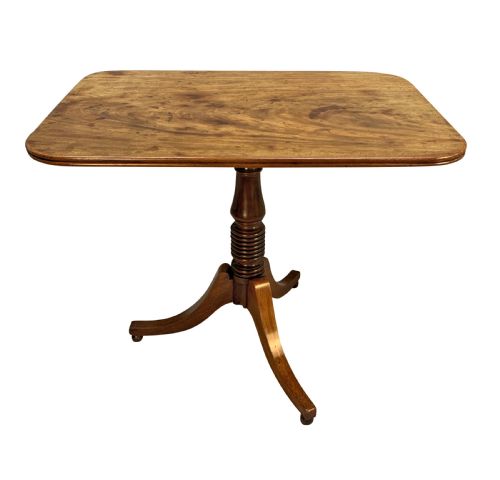
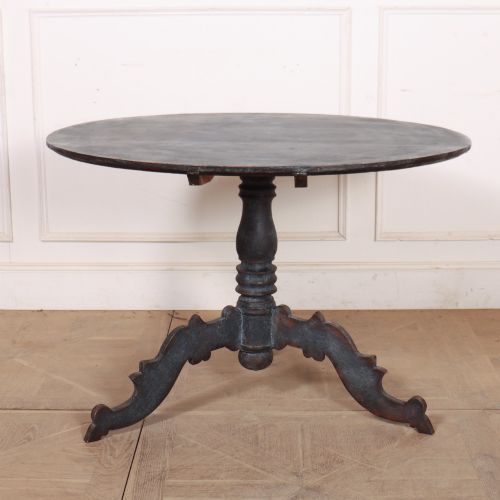
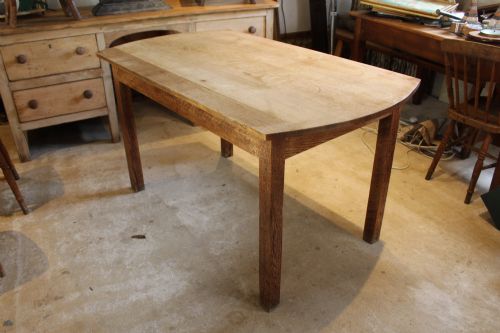
An antique wooden supper table spans compact tilt-top tripod designs and larger extending or drop-leaf dining formats. When searching for an antique wooden supper table, buyers encounter pieces from the Georgian, Regency, and Victorian periods alongside 19th-century country kitchen examples.
The materials reflect the periods of their construction, with mahogany and oak appearing frequently alongside rosewood, satinwood, and painted pine. Formats vary from round birdcage tripod tables to oval pedestal dining tables and pembroke variants.
Makers and regional workshops produced these tables for domestic dining and evening gatherings across English and Scandinavian traditions. Buyers are most likely to meet mahogany tripod tables or 19th-century country kitchen pieces on this page.
How they were made
Cabinet makers utilised dense hardwoods such as mahogany, rosewood, and satinwood for finer formal tables, often employing veneer and solid timber construction. Oak and pine served primarily in country kitchen and drop-leaf formats, built for daily domestic utility.
Mechanisms included brass hinges on drop-leaf and gate-leg designs, alongside snap-top and birdcage tilt-top pivots on tripod tables. Surface finishes relied on hand-applied polish and paint to protect the timber while highlighting the grain.
Listings span the 18th, 19th, and early 20th centuries, featuring Georgian, Regency, Victorian, and Edwardian styles.
What varies in quality
The selection of timber grain and the crispness of turned pedestal columns separate standard examples from finer pieces. Superior tables display balanced proportions between the top and the supporting legs, whether configured with a tripod base or a pedestal.
Original mechanisms, such as working tilt-top latches and well-fitted drop leaves, indicate careful historical construction. The integrity of the timber joints and the presence of period brass fittings further distinguish workshop standards.
John Bivins
The Antique Wooden Supper Table Glossary
- Tilt-top table
- A table featuring a hinged top that rotates to a vertical position when not in use. This mechanism allowed the furniture to be stored flat against a wall.
- Pembroke table
- A small rectangular table with hinged drop leaves on either side. These pieces often include one or two small drawers.
- Birdcage
- A timber framework beneath the top of a tilt-top table that allows the surface to both pivot and rotate. It is typically found on finer Georgian examples.
- Tripod table
- A small occasional or supper table supported by a central pillar and three legs. They frequently feature circular or pie-crust tops.
- Drop-leaf table
- A table with a fixed central section and hinged flaps that fold down. Brackets or swing legs support the leaves when raised.
Antique Wooden Supper Table: Frequently Asked Questions
How were supper tables used originally?
These tables served primarily for evening meals and social gatherings in domestic settings before dedicated dining rooms became standard.
Smaller tilt-top and tripod versions were easily moved around a room or stored against walls when not in use.
How do I distinguish Georgian from Victorian tables?
Georgian tables often display refined mahogany timbers, tripod bases with pad or claw feet, and lighter proportions.
Victorian examples tend to use heavier rosewood or oak, sometimes featuring more robust turnings and broader pedestal bases.
Will a antique supper table seat four people?
Many drop-leaf, gate-leg, and small pedestal supper tables comfortably accommodate four diners when fully opened.
Round tilt-top versions vary in diameter, so surface space depends on the specific tabletop dimensions.