


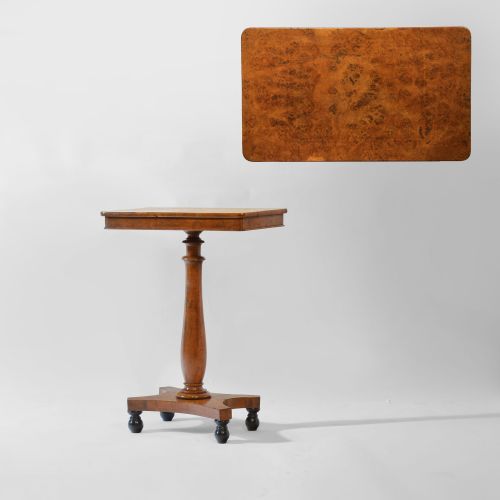


Rich Brown Pedestal
A rich brown pedestal brings warmth and dignity to a room, grounding the space through the deep tones of mahogany and oak.
Rich Brown Pedestal
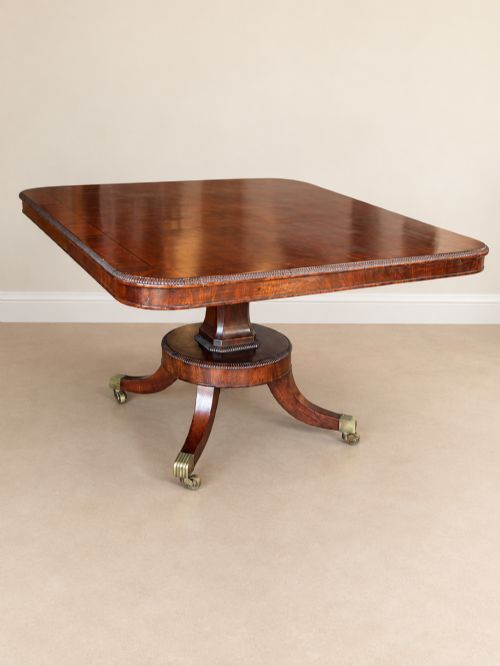
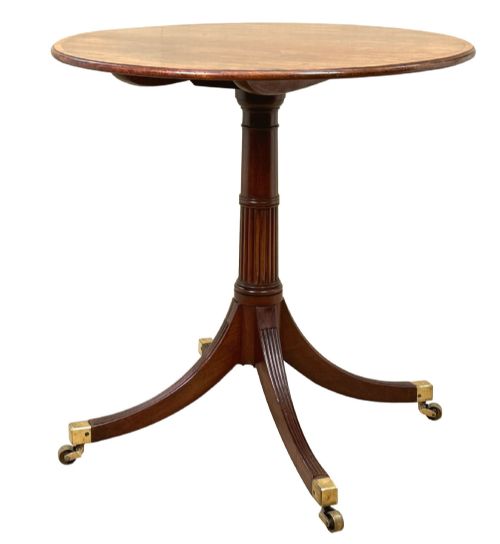
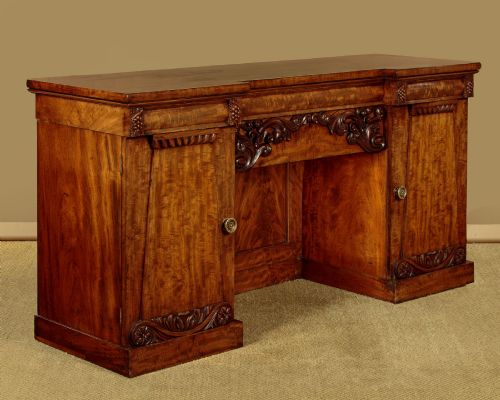
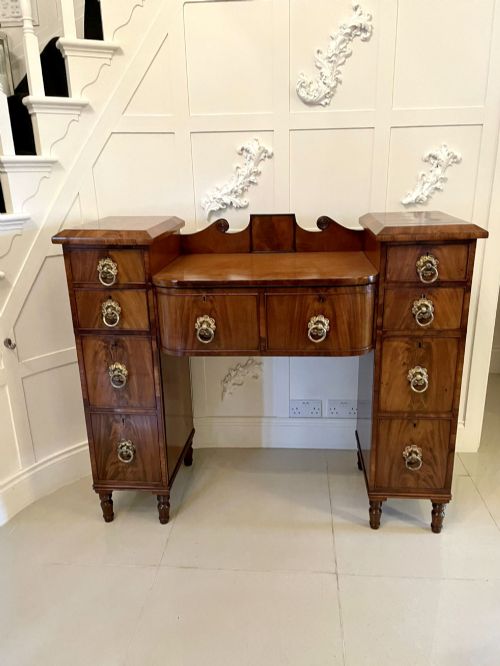
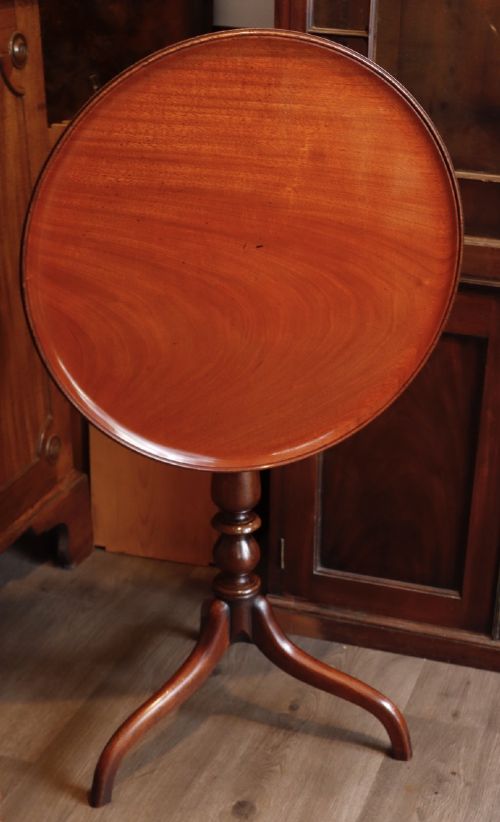
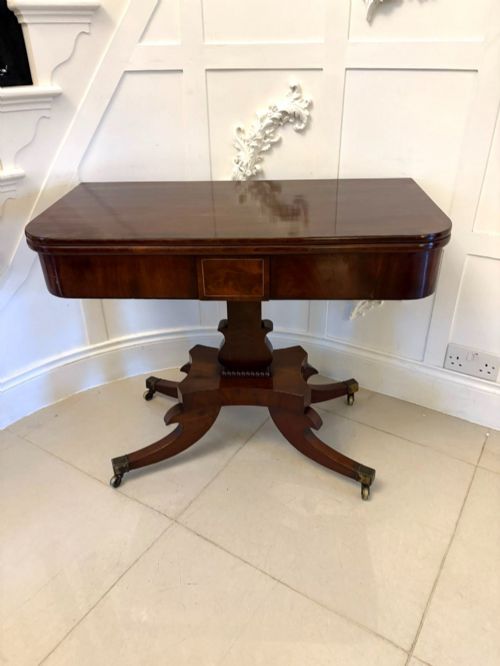
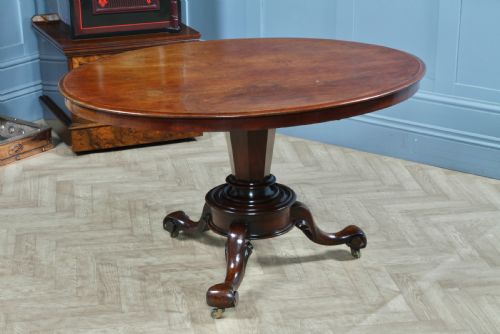
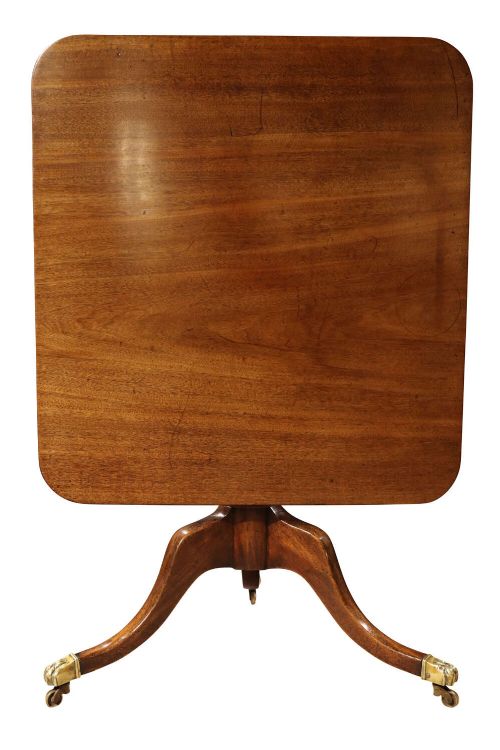
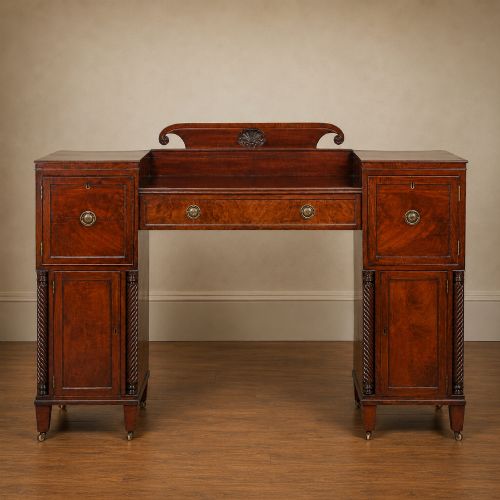
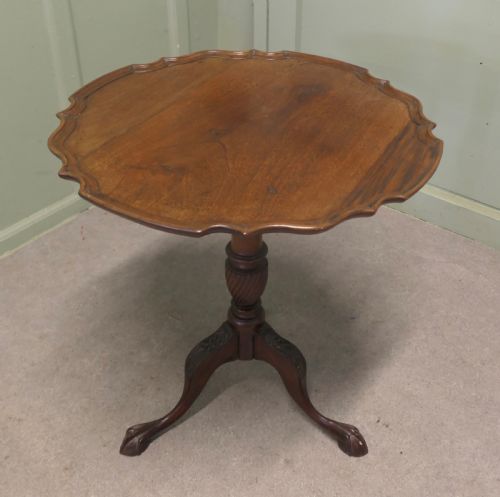
A rich brown pedestal typically manifests as a central support for tables, sideboards, and desks found across the Georgian, Regency, and Victorian periods. These forms range from occasional tripod tables and breakfast tables to heavy pedestal sideboards and lamp tables.
Buyers seeking this configuration will encounter numerous variations in mahogany and flame mahogany veneer, alongside occasional examples in pollard oak, burr walnut, and rosewood. The structural arrangement relies on a sturdy central column, often resting on carved or splayed legs.
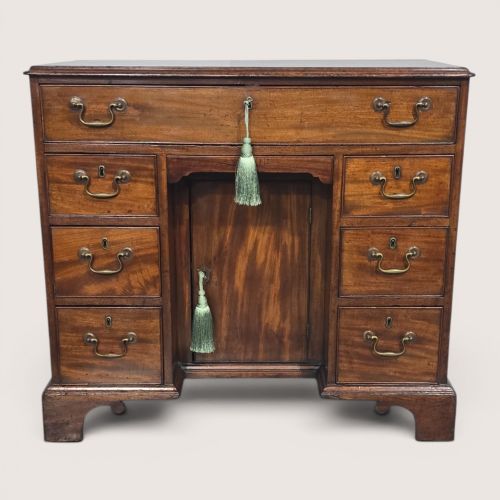
The selection on this page draws heavily from nineteenth-century craftsmanship, featuring pieces designated as Victorian, Regency, and Georgian. Forms extend from small bedside cabinets to large dining tables and architectural desks.
Materials and construction methods
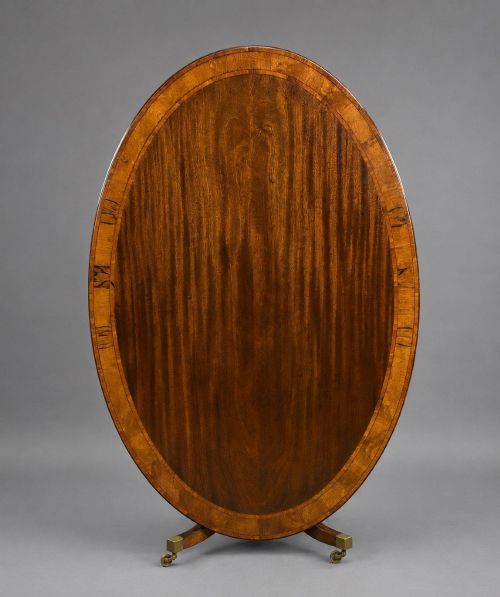
Makers relied primarily on solid mahogany and flame mahogany veneer, supplemented by structural oak and satinwood details. The wood was frequently polished to bring out deep, rich brown tones and figured grain patterns.
Brass fittings, such as castors and handles, appear regularly on tables and desks. Tilt-top mechanisms and tripod bases required precise joinery to ensure stability on the central pedestal column.
Rich Brown Pedestal Retail Price Guide 2026
Typical asking prices for rich brown pedestal among the pieces listed under this phrase on Sellingantiques today, from the lower quarter to the upper quarter. They describe what is for sale here now, not the wider market.
Listings feature mahogany, oak, walnut, and rosewood across Georgian, Regency, and Victorian periods.
Assessing quality in construction and grain
The distinction between standard and superior pieces rests on the choice of timber and the complexity of the veneer work. Figured mahogany, flame mahogany, and burr walnut mark the upper tier of production.
Proportion and carving define the architectural merit of a pedestal table or sideboard. Crisp detailing on the central column and feet separates workshop-produced furniture from simpler utilitarian items.
Gillows·Currie & Co
The Rich Brown Pedestal Glossary
- Pedestal
- A central vertical support that carries the weight of a table top, desk, or sideboard. It often terminates in a tripod or platform base.
- Flame mahogany
- A veneer cut from the fork of the mahogany tree, producing a distinctive rippled pattern resembling flickering flames. It was favoured for high-status cabinet work.
- Tilt top
- A table mechanism allowing the surface to pivot and lock vertically when not in use, saving space in smaller rooms. This feature is common on tripod and occasional tables.
- Birdcage
- A rotating wooden block assembly beneath a table top that allows the surface to both tilt and revolve. It sits directly atop the central pedestal column.
Rich Brown Pedestal: Frequently Asked Questions
What periods do these pieces come from?
The inventory spans the eighteenth, nineteenth, and early twentieth centuries, encompassing Georgian, Regency, Victorian, and Edwardian eras. Most examples date from the nineteenth century.
Craftsmanship shifts slightly across these decades, moving from eighteenth-century proportions to more exuberant Victorian forms and later twentieth-century interpretations.
What woods are most common?
Mahogany dominates the selection, appearing in both solid form and as flame mahogany veneer. Other woods present in the evidence include pollard oak, burr walnut, rosewood, and satinwood.
These timbers provide the characteristic deep brown palette associated with pedestal furniture from the Georgian and Victorian periods.
Where were these pieces used?
Pedestal forms served varied functions across the home, acting as breakfast tables in dining rooms, writing desks in libraries, and lamp tables in parlours. Sideboards with central pedestals stood in dining spaces for serving.
Bedside cabinets and teapoys fulfilled more private domestic requirements in bedrooms and drawing rooms.