

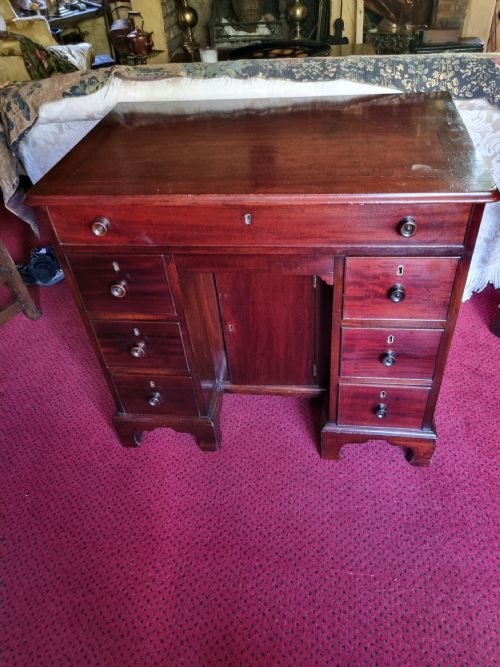


Rich Brown Pedestal Table
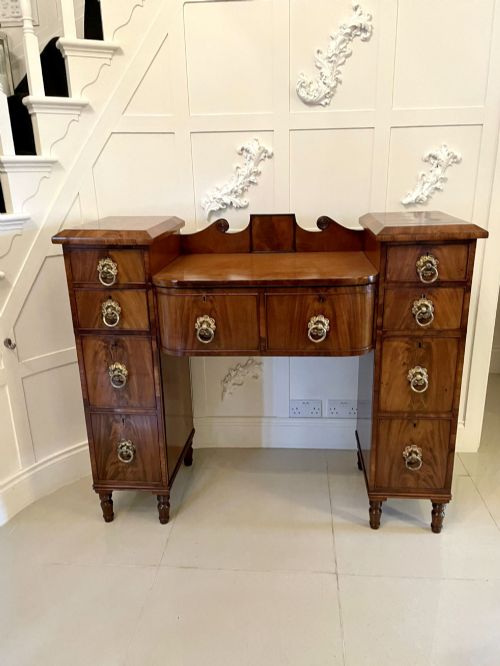
A rich brown pedestal table brings warmth and proportion to a room, offering a sturdy central column that supports dining, tea or occasional surfaces.
Rich Brown Pedestal Table
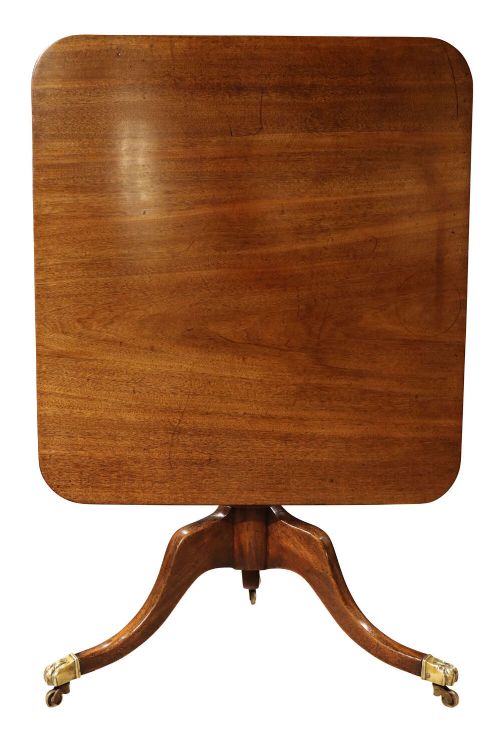
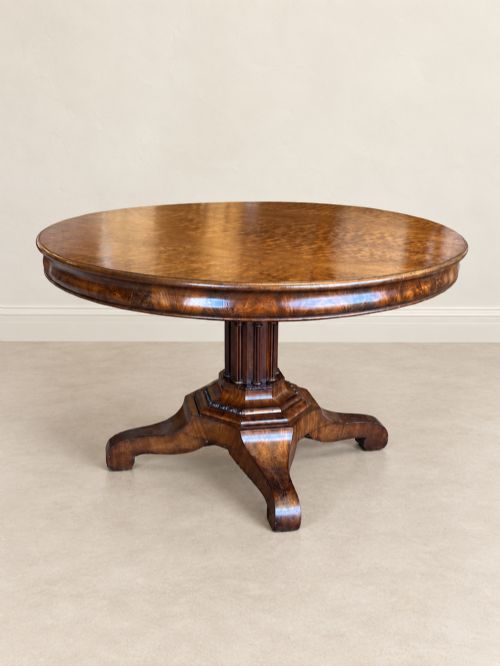
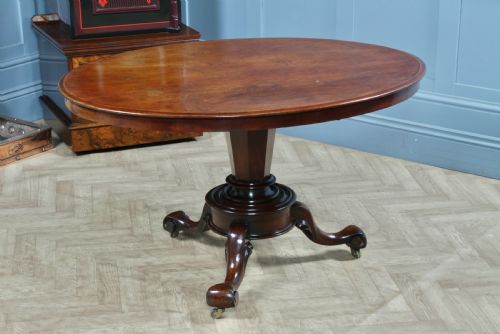
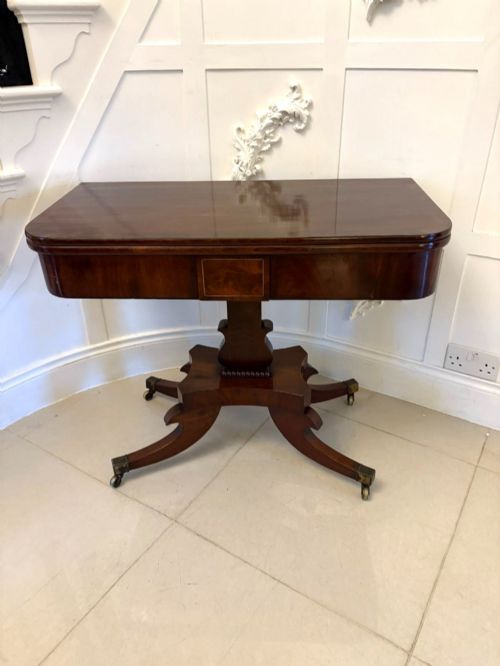
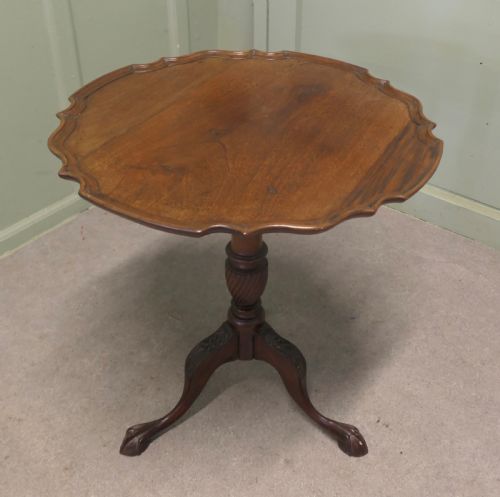
A rich brown pedestal table encompasses various forms resting on a single central support, drawing primarily from Georgian, Regency and Victorian eras. These pieces appear as breakfast tables, wine tables, card tables and occasional lamps tables designed for domestic use.
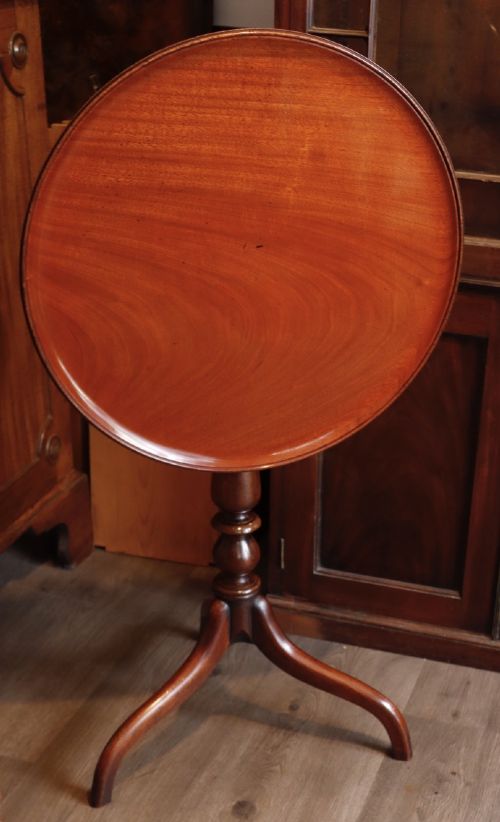
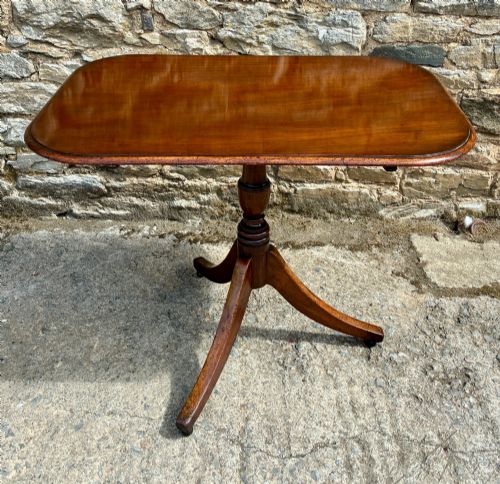
The selection centres heavily on mahogany timbers, displaying deep brown tones enhanced by figure and grain. Buyers frequently encounter tilt-top mechanisms, tripod bases and circular or octagonal surfaces that reflect traditional cabinet-making priorities.
Materials and construction methods
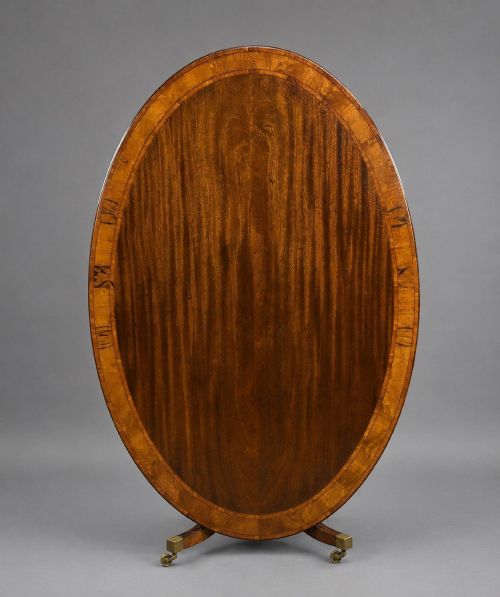
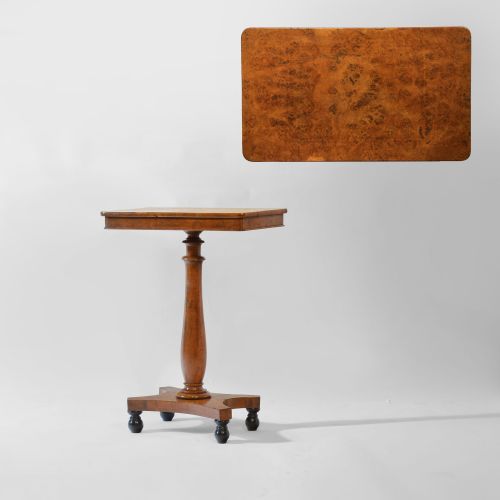
Makers relied extensively on solid mahogany and figured mahogany veneers, sometimes incorporating burr walnut, satinwood, pollard oak or rosewood for contrast. Timber selection was paramount, ensuring the grain patterns on table tops provided visual depth and a rich colour.
Structural stability relied on robust central pedestals, often terminating in tripod legs with brass castors or claw feet. Tilt-top designs required precise hinge mechanisms and brass catches to secure the top when horizontal.
Listings feature pieces spanning the Georgian, Regency, Victorian and Edwardian periods, constructed primarily in mahogany with occasional rosewood and walnut.
Distinctions in craftsmanship
Quality reveals itself in the selection of timber figures, such as flame mahogany or burr walnut, matched symmetrically across the table top. Superior examples exhibit crisply carved pedestal columns and finely shaped legs rather than plain turned posts.
Joinery standards define the better pieces, seen in tight joints on the tripod base and smooth operation of tilt-top or card table mechanisms. The weight and stability of the central pillar indicate the original maker's investment in solid materials.
Gillows·Currie & Co
The Rich Brown Pedestal Table Glossary
- Tilt-top table
- A table with a hinged top that can be folded vertical when not in use. This mechanism saved floor space in smaller period rooms.
- Tripod base
- A pedestal support featuring three curving legs radiating from a central column. It provided steady placement on uneven floorboards.
- Birdcage
- A rotating wooden framework beneath a table top that allows the surface to tilt and turn. It connects the top directly to the central pedestal.
- Flame mahogany
- A veneer cut from timber fork where branches meet the main trunk, producing a rippling, flame-like pattern. It is prized for its dramatic visual movement.
- Teapoy
- A small box on a pedestal stand originally used for storing and serving tea leaves. These decorative pieces often include interior compartments.
Rich Brown Pedestal Table: Frequently Asked Questions
What is a pedestal table used for?
These tables served multiple domestic functions ranging from serving breakfast and holding tea services to displaying lamps or supporting card games. Their central pillar design allowed chairs to tuck in easily around the perimeter.
In modern interiors, they function effectively as standalone lamp tables, occasional surfaces in hallways or compact dining tables in smaller reception rooms.
How do I identify a Regency pedestal table?
Regency examples typically display classical influences with reeded columns, brass inlay, or heavy circular platforms resting on paw feet. The timbers are predominantly dark, rich mahogany with a high polished finish.
Look for architectural proportions and restrained brass mounts that reflect the neoclassical taste prevalent in the early nineteenth century.
How do I care for mahogany furniture?
Mahogany surfaces benefit from regular dusting with a soft, dry cloth and occasional treatment with traditional beeswax to nourish the timber. Avoid placing these tables in direct sunlight or near heat sources to prevent the wood from drying out.
Using coasters and placemats protects the polished finish from moisture rings and heat marks.