

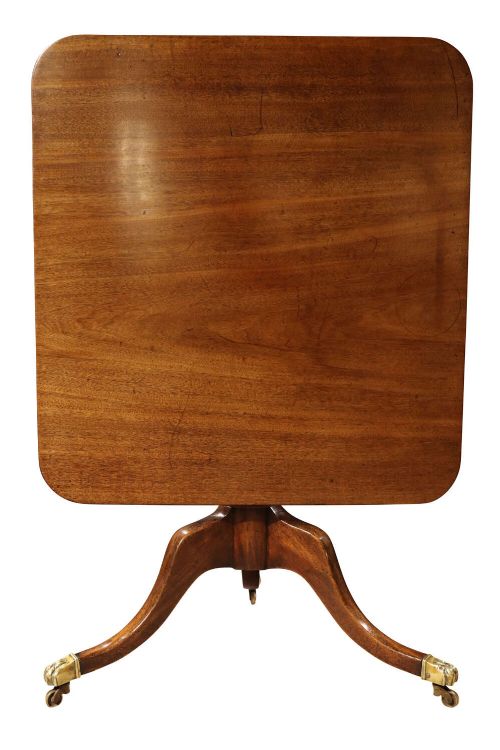
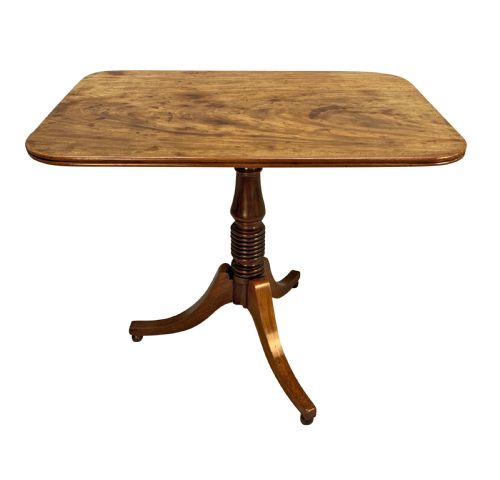


George III Supper Table
A george iii supper table brings Georgian dining and hospitality into a room, offering adaptable surfaces crafted from rich timber.
George III Supper Table
A george iii supper table encompasses versatile dining and occasional furniture from the Georgian period, including tilt-top tripod designs, pedestal forms, and breakfast tables. Buyers searching for a george iii supper table most frequently encounter mahogany examples, often featuring circular or oval tops designed for easy placement and removal when meals concluded.
The selections span the eighteenth century and around eighteen hundred, alongside nineteenth-century interpretations and George III Egyptian Revival pieces. Forms range from Pembroke tables and side tables to pedestal supper tables with tilt mechanisms.
Makers and craftsmen utilised figured mahogany, plum pudding mahogany, and satinwood, occasionally incorporating brass details. These pieces served flexible functions in period homes, functioning as side tables or dining surfaces as needed.
Materials and construction
Makers constructed these tables primarily using mahogany, including figured and plum pudding varieties, paired occasionally with satinwood for contrast. Brass fixtures frequently appeared on relevant hardware, tilt mechanisms, and fittings.
George III Supper Table Retail Price Guide 2026
Typical asking prices for george iii supper table among the pieces listed under this phrase on Sellingantiques today, from the lower quarter to the upper quarter. They describe what is for sale here now, not the wider market.
Object forms on this page include pedestal supper tables, tilt-top tripod tables, pembroke tables, and breakfast tables.
Judging quality in these tables
Quality rests upon the selection of timber figures, such as plum pudding mahogany and satinwood banding, which elevate the visual impact of the surface. Finer examples display meticulous joinery in the tilt-top mechanism and the turning of the pedestal tripod base.
Proportion and execution of decorative details, including George III Egyptian Revival motifs, separate standard utility pieces from higher expressions of period craftsmanship. The harmony between the top's grain and the underlying support structure dictates the overall success of the piece.
The George III Supper Table Glossary
- Tilt-top
- A tabletop design featuring a pivot and catch mechanism allowing the surface to fold vertical when not in use. This saved floor space in period rooms.
- Tripod base
- A three-legged pedestal support system common on occasional and supper tables. It provided stability on uneven floors.
- Pembroke table
- A small rectangular table with hinged drop leaves on either side. It offered flexible surface area for dining or writing.
- Plum pudding mahogany
- A highly figured tropical hardwood variety showing speckled grain patterns resembling Christmas pudding. Cabinetmakers utilised it for high-status surfaces.
- George III Egyptian Revival
- A decorative style incorporating pharaonic motifs, sphinxes, and classical Egyptian elements into British furniture design. It reflected contemporary archaeological interest.
George III Supper Table: Frequently Asked Questions
What is a george iii supper table used for?
These pieces originally served flexible dining and social functions in Georgian homes, often positioned for evening meals or drinks.
Their tilt-top mechanisms allowed them to stand flat against a wall when not in use, saving valuable floor space.
How do you operate a tilt-top table?
A release catch beneath the tabletop unlocks the pivot, allowing the surface to swing from horizontal to a vertical position.
This made it straightforward to store the table out of the way between meals.
What woods were used for these tables?
Cabinetmakers relied primarily on mahogany, including figured and plum pudding variations, for durability and rich grain appearance.
Satinwood and brass frequently provided decorative contrast and functional hardware.
How do I date a Georgian supper table?
Dating relies on stylistic markers, construction techniques, and material choices associated with the eighteenth century and around eighteen hundred.
Specific design variants like Egyptian Revival help narrow down the production era within the broader Georgian span.
Are these tables suitable for modern dining?
Their compact footprints and pedestal or tripod bases make them practical for contemporary dining rooms and occasional spaces.
Tilt-top designs retain their original space-saving utility for modern interiors.