

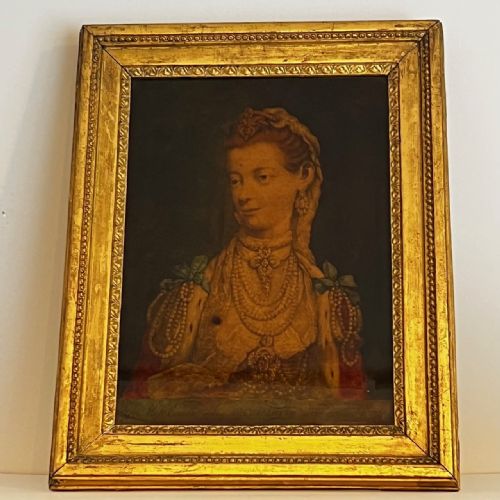


Reverse Painted Glass
These reverse painted glass pieces combine delicate brushwork with lustrous surfaces, offering collectors a striking window into historical decorative artistry.

What They Are
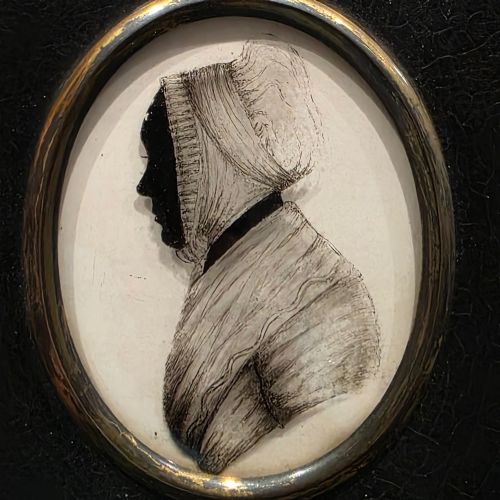
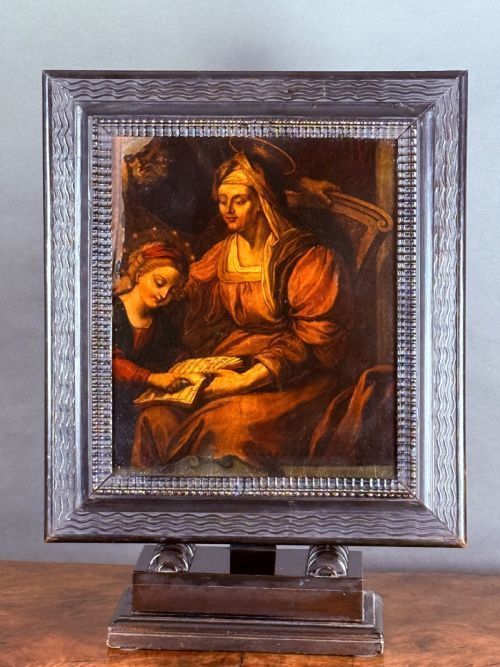
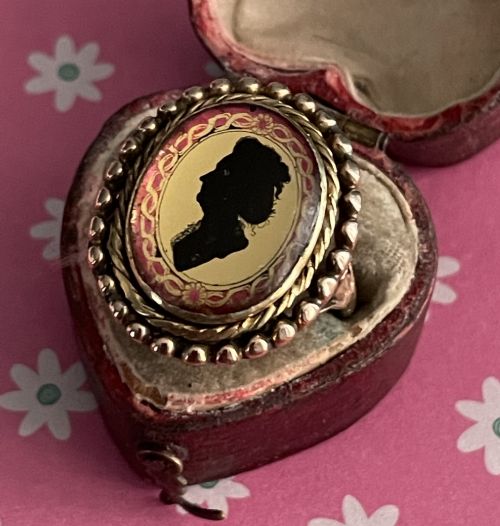
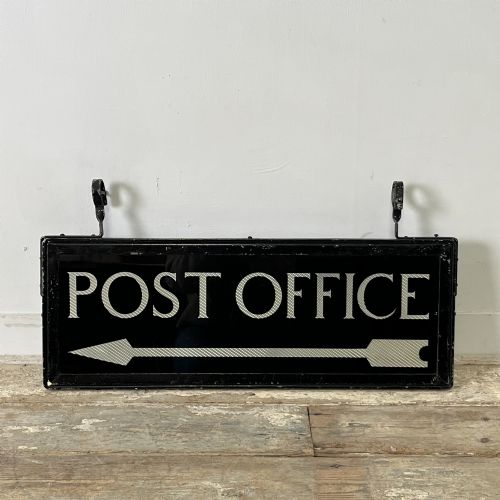
When you search for reverse painted glass, you encounter delicate works applied directly to the rear of transparent panes. These items span wall art, mirrors, advertising signs, boxes, and small domestic accessories.
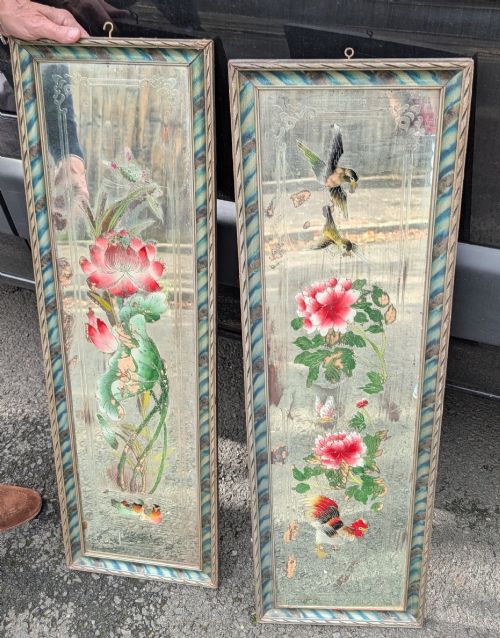
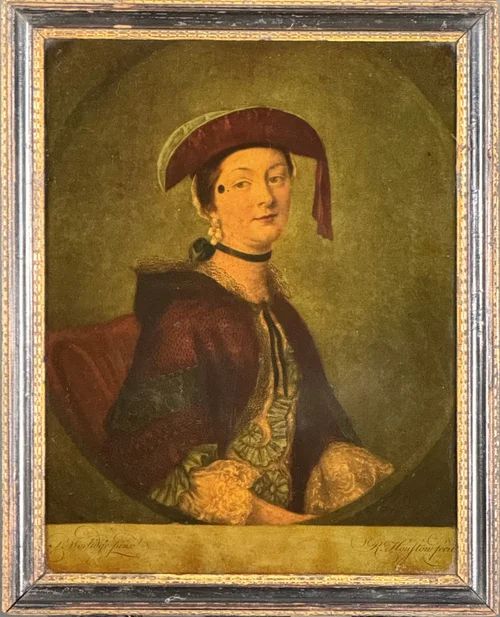
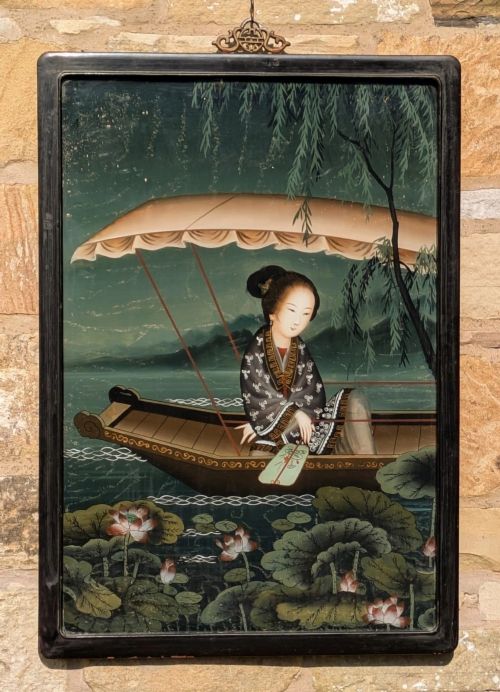
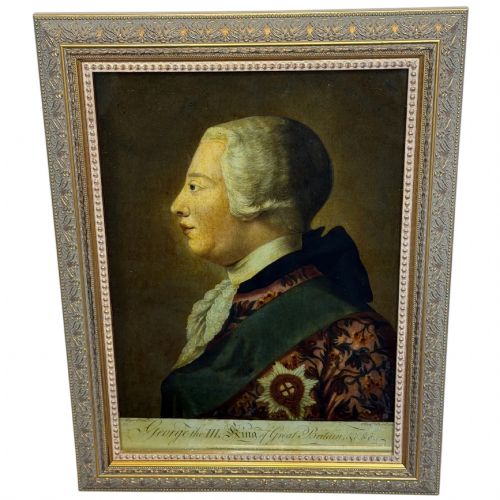
The pieces on this page appear predominantly in Georgian, Regency, and nineteenth-century iterations. You will frequently find Chinese export trade goods alongside British prints, portraits, and commercial signs.
How They Were Made
Artisans applied paint, gold leaf, and occasionally paper or pearl details directly onto the back of glass panels. This technique required the design to be painted in reverse, beginning with the foreground details before building up the background.
Finished glass panels were then mounted into frames made of wood, hardwood, or gilt wood, sometimes incorporating mirror glass or tortoise-shell with ivory stringing.
Retail Price Guide 2026
Typical UK retail prices for reverse painted glass, calculated from the Sellingantiques database of over a million retail prices indexed since 2003. This retail price guide relies exclusively on Sellingantiques data; no external sources or auction records are used, so the figures do not describe the wider market.
What Varies in Quality
Quality rests upon the precision of the brushwork and the complexity of the composition, particularly where gold leaf and fine engraving intersect. Portrait miniatures and export landscapes demand immense control over minute details.
The Reverse Painted Glass Glossary
- Reverse painting
- A technique where the design is applied to the back of a glass sheet so the finished image is viewed correctly through the front. This method protects the pigment from dust and damage.
- Chinese Export
- Goods manufactured in China specifically for Western markets, often blending Eastern subjects with European framing and taste. These items frequently feature maritime trade themes.
- Mezzotint
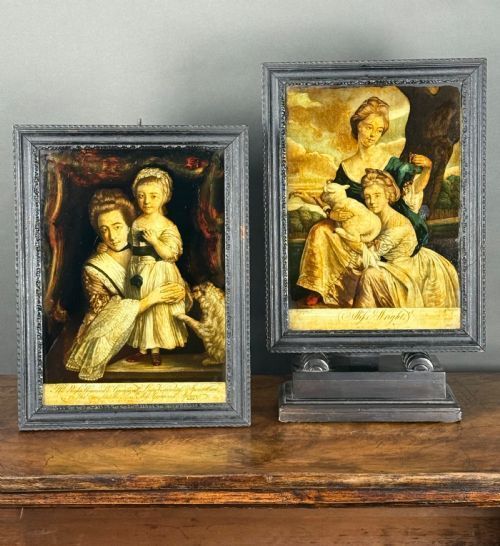
- A printmaking process that achieves rich tonal variations, often found transferred and painted behind glass in Georgian interiors. It allows for subtle gradients of light and shadow.
- Pier glass
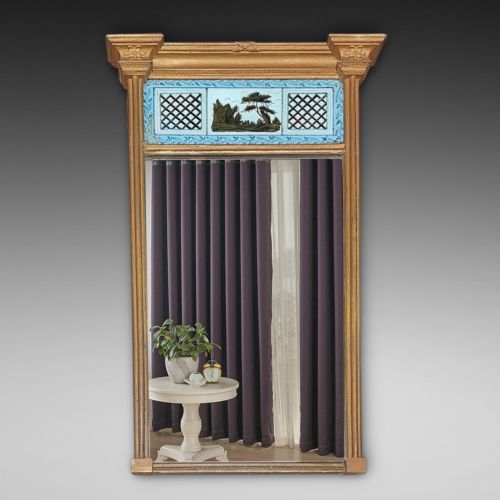
- A tall, narrow mirror designed to hang on the wall space between windows. They often incorporate reverse painted glass panels within their upper sections.
- Patent painting
- A specialised technique involving pearl or metallic foils applied to glass surfaces to create iridescent effects. Thomas Lane is particularly known for this method.
Frequently Asked Questions
How do I clean reverse painted glass?
Dust gently with a soft, dry cloth and avoid applying any liquid cleaners directly to the surface. Moisture can seep behind the glass panel and lift the delicate paint layers.
Keep these pieces away from direct sunlight and damp environments to protect the fragile pigments and gold leaf from deterioration over time.
Were these pieces used in shops?
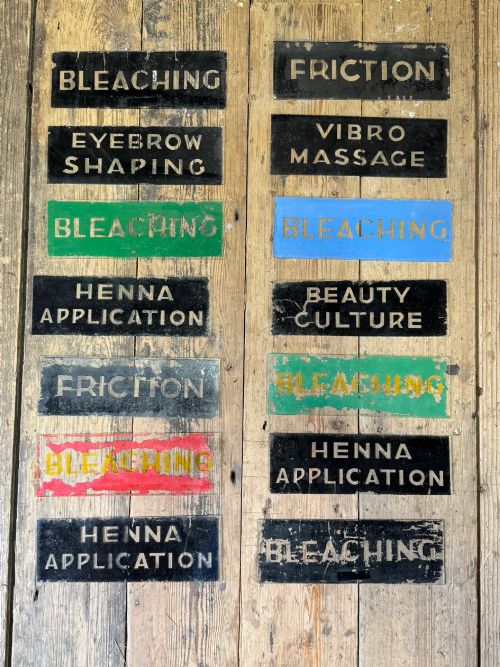
Some items served commercial functions, such as advertising signs utilised in retail environments. Shoeshop signs and trade pieces promoted businesses directly to the public.
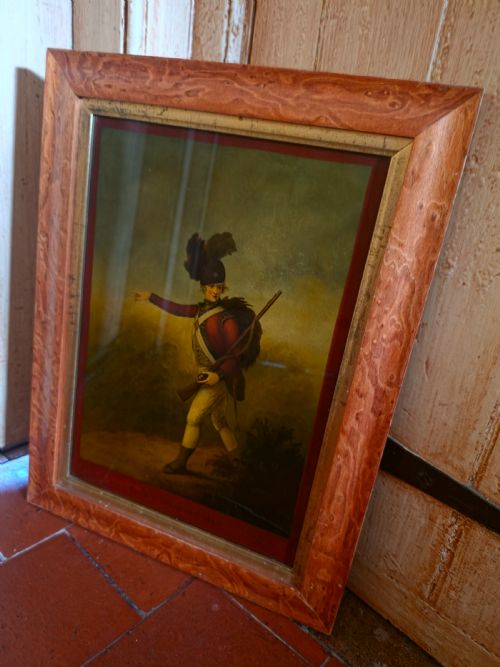
Domestic examples instead focused on decorative wall art, portraits, and framed prints intended for private sitting rooms.
How do I identify a Georgian piece?
Georgian examples often feature hand-colored prints, classical subjects, or aristocratic portraits framed in simple wood or gilt surrounds. The subject matter typically reflects eighteenth-century literary and portraiture tastes.
Examining the backing boards, old fixings, and glass thickness helps confirm the age of these earlier items.
What is Chinese export reverse painting?
These are decorative panels and mirrors produced in Chinese workshops for the European market during the eighteenth and nineteenth centuries. They often depict detailed landscapes, figures, and maritime scenes.
Export pieces stand out through their distinct palette and meticulous rendering of architectural and botanical elements.