
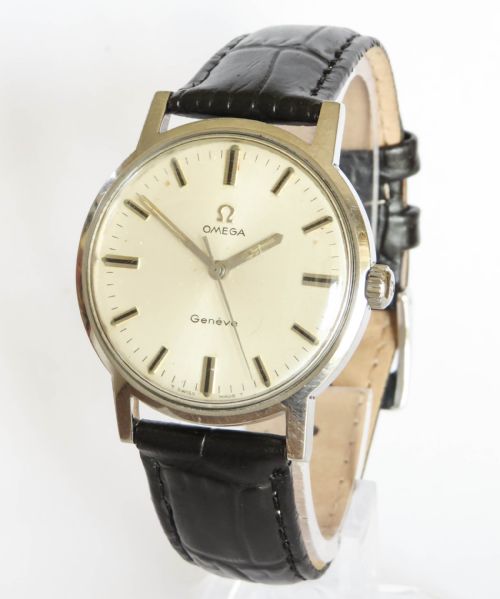
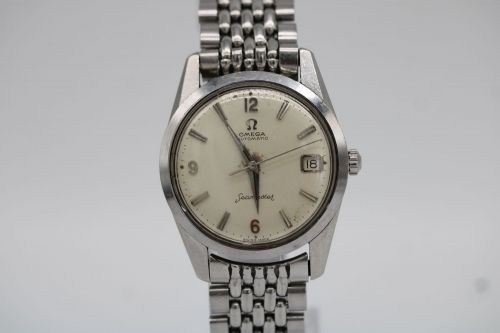
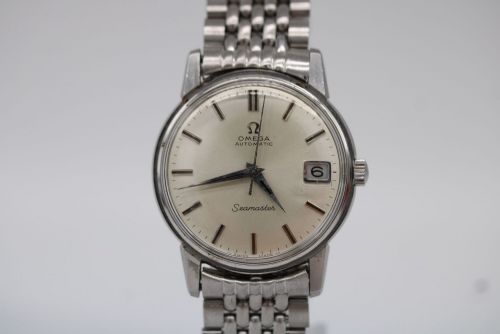
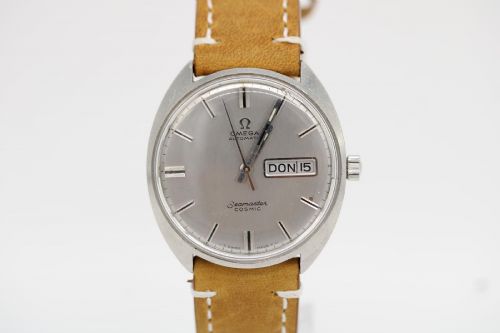
Retro Steel Wristwatch
A retro steel wristwatch brings mid-century horology to the wrist, combining durable metal cases with mechanical movements from past decades.
Retro Steel Wristwatch
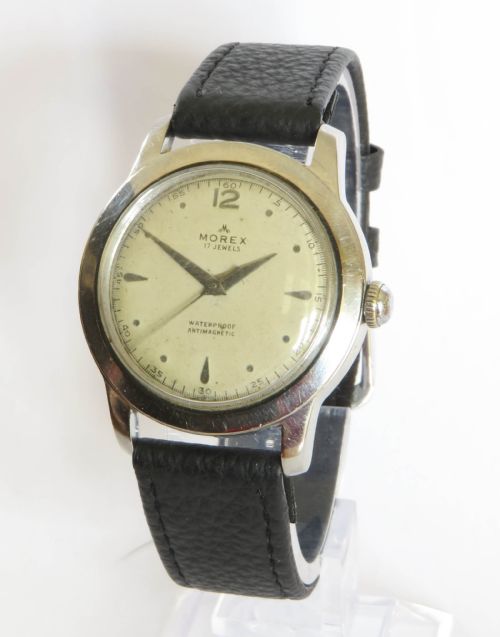
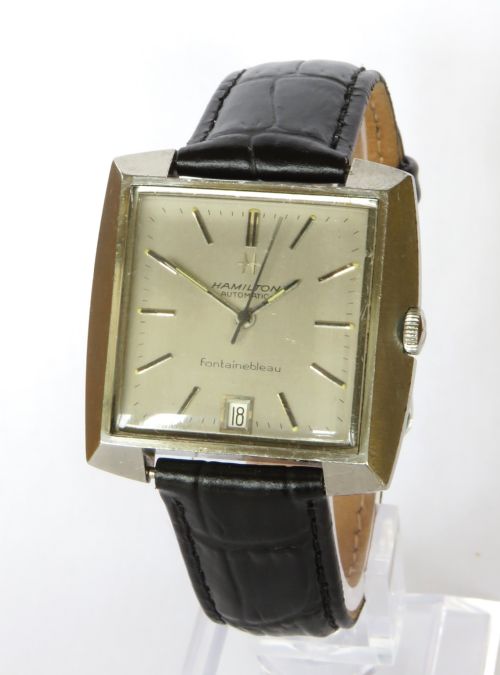
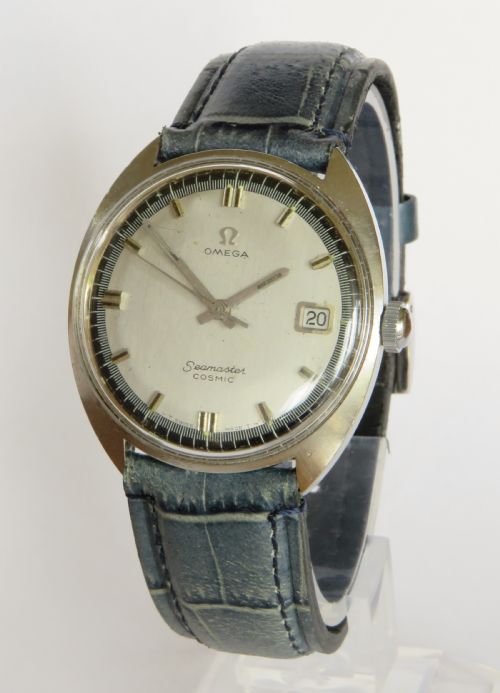
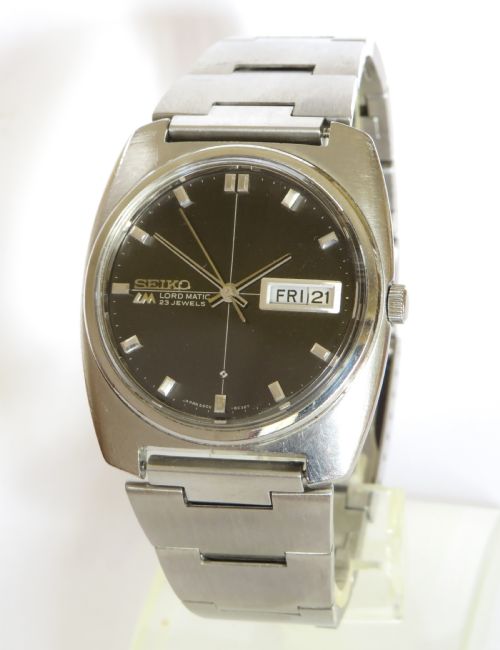
A retro steel wristwatch represents a portable timekeeper housed in a stainless steel or chrome case, originating predominantly from the mid-twentieth century. When searching for a retro steel wristwatch, collectors encounter diverse styles spanning Art Deco influences, mid-century modern design, and 1970s variants.
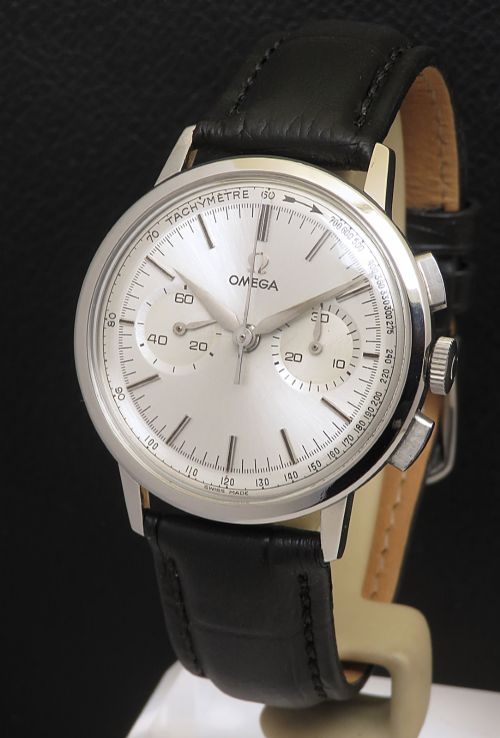
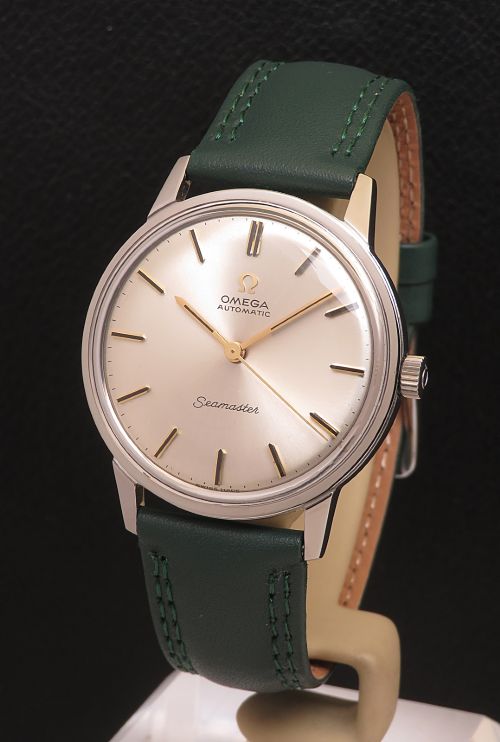
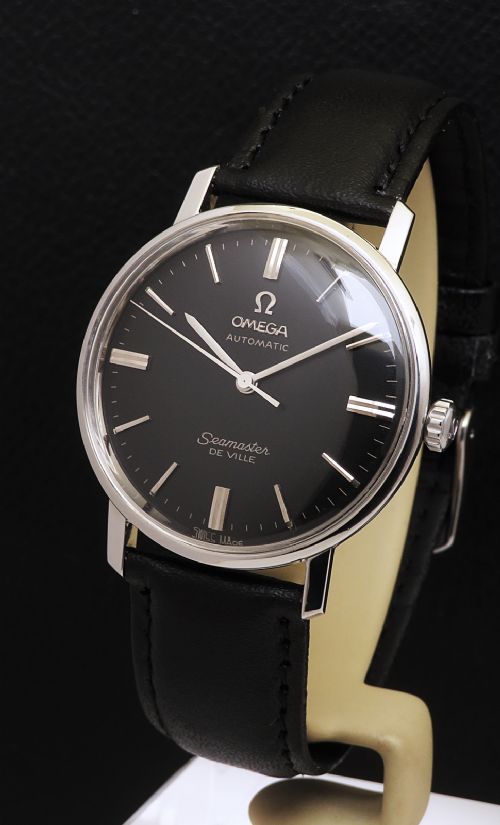
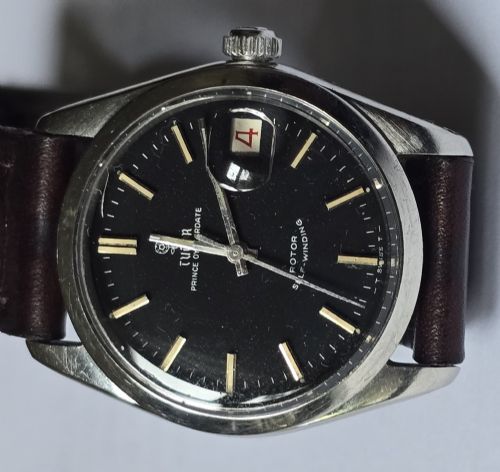
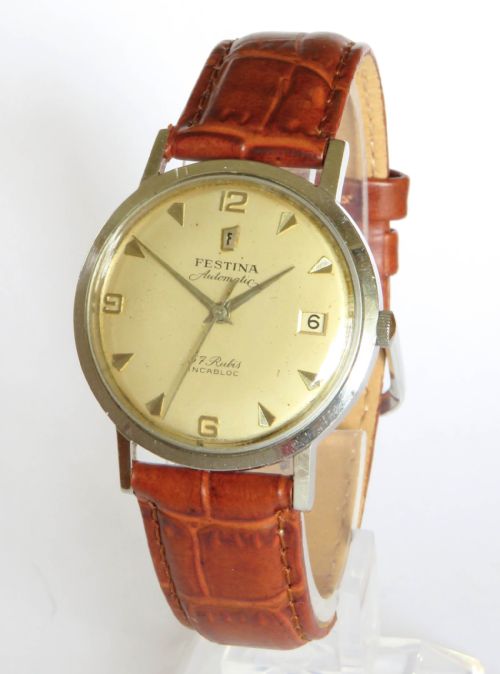
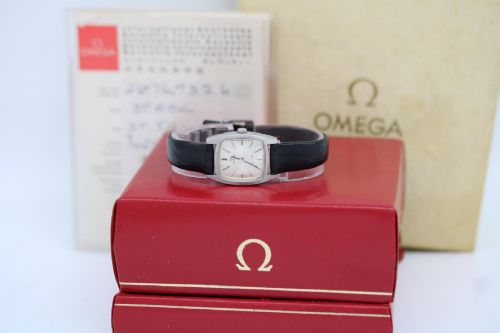
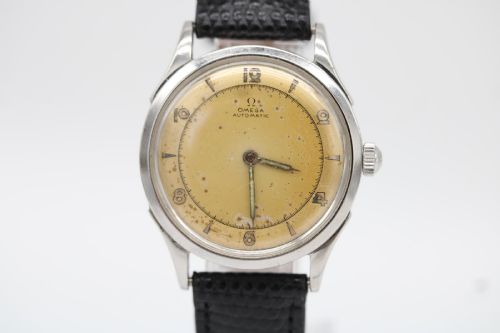
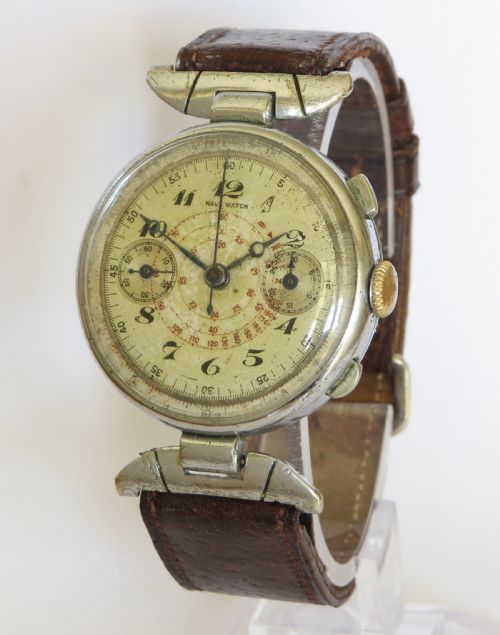
The specimens seen here include automatic movements, manual wind calibres, and complex chronographs designed for everyday wear or specific occupational uses. Most pieces belong to the 1950s and 1960s periods, offering practical diameters alongside distinctive dials.
Makers ranging from large Swiss houses to independent watchmakers produced these items using robust metals suited to active lifestyles. Buyers find both simple date models and specialised aviation or diving pieces within this selection.
How they were made
Cases utilise stainless steel or chrome plating to provide structural durability, housing intricate mechanical gear trains powered by springs and jewelled levers. Dials sit beneath protective layers of glass, acrylic, or acrylic glass, while straps attach via fixed or spring-loaded metal bars using leather or steel bracelets.
Movements rely on precision metal components assembled by hand, often featuring specialised shock-resistant mechanisms to protect the balance wheel from impact. Dials receive printed numerals, applied markers, and specialist finishes such as patinated surfaces or contrasting sub-dials for chronograph functions.
Some dials feature a cheerful curved smile inscription on the face, reminding wearers not to take time too seriously.
What varies in quality
The grade of a piece depends on the complexity of its internal movement, ranging from standard three-hand calibres to multi-register chronograph mechanisms and chronometer-certified designs. Originality plays a significant role, with untouched dials and matching factory parts commanding higher regard among experienced collectors.
Case finishing, dial legibility, and the presence of specialised complications such as calendar displays or rotating bezels distinguish standard production items from top-tier examples. The standard of internal restoration and mechanical preservation also determines how reliably the mechanism measures time.
Omega·Tudor·Seiko·Festina·Longines·Eterna·Girard Perregaux·Tissot·Invicta·Breitling·Benrus·Montilier·Hamilton·Cyma·Kered·Prisma·Dogma·Marvin·Belair·Ebana·Smiths
The Retro Steel Wristwatch Glossary
- Calibre
- The specific internal movement designation used by a manufacturer to identify a particular watch mechanism. Different calibres indicate varying levels of mechanical complexity and size.
- Chronograph
- A watch equipped with a stopwatch function that allows the measurement of elapsed time via independent sweep hands. These mechanisms often include subsidiary dials for tracking minutes and hours.
- Automatic
- A self-winding mechanical movement that uses a weighted rotor to wind the mainspring using the natural motion of the wearer's wrist. This system removes the need for daily manual winding.
- Bumper
- An early type of automatic movement where the rotor swings back and forth against internal springs rather than rotating in a full circle. This distinctive mechanical action can be felt on the wrist during wear.
- Incabloc
- A brand of spring-loaded shock protection system designed to safeguard the delicate balance staff pivots from damage during accidental impacts. Many mid-century movements incorporate this technology.
Retro Steel Wristwatch: Frequently Asked Questions
How do I wind a mechanical watch?
Manual wind watches require turning the crown clockwise between your fingers until resistance is felt, powering the internal mainspring.
Automatic models wind themselves through wrist movement, though gentle manual priming may be needed if the watch has stopped entirely.
Can I wear my vintage watch daily?
Many of these pieces were designed for everyday wear, featuring sturdy steel cases and robust mechanical movements that handle regular use.
However, vintage models lack modern water resistance standards and require careful handling around moisture and heavy impacts.
What is a chronograph watch?
A chronograph is a timepiece that includes built-in stopwatch capabilities, allowing you to measure short intervals of time independently from the main timekeeping hands.
These models usually feature additional pushers on the case side alongside subsidiary dials on the face.
How do I identify the production era?
Eras are typically identified through a combination of case styling, dial typography, logo variations, and movement serial numbers documented by the manufacturer.
Mid-century pieces often display distinctive geometric markers, Dauphine hands, or rounded steel cases characteristic of the 1940s through the 1960s.