



1960s Chronograph Wristwatch
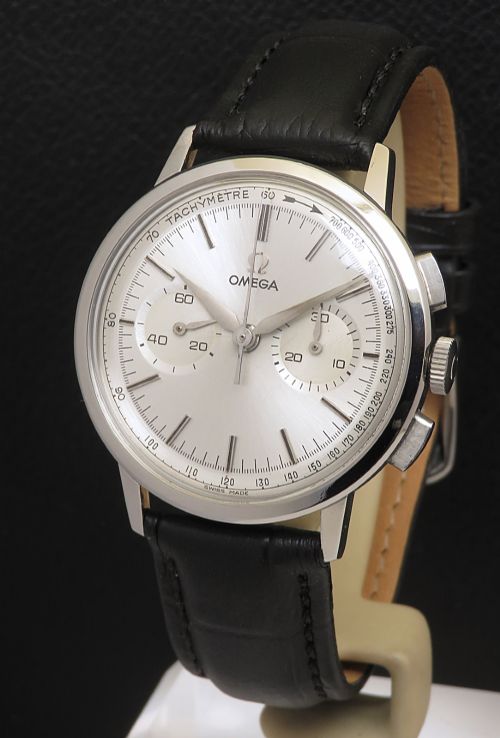
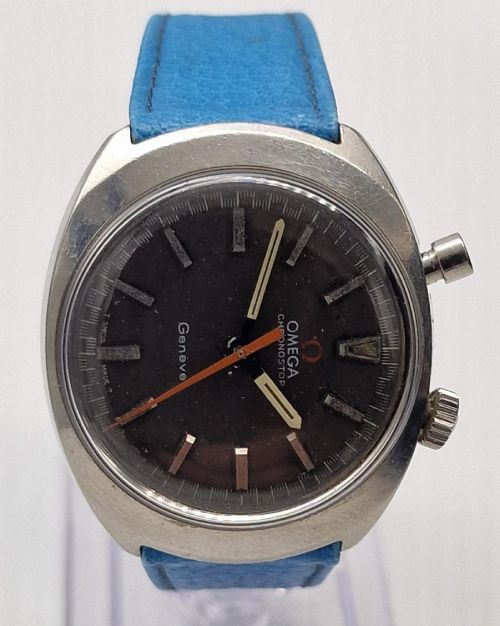
These 1960s chronograph wristwatch examples offer precise mechanical timing alongside mid-century design.
1960s Chronograph Wristwatch
A 1960s chronograph wristwatch brings together traditional mechanical timekeeping and stopwatch functions housed within mid-century watch design. These pieces emerged from a period when functional aviation and motoring instruments influenced everyday dress accessories.
Most examples found here date from the 1960s itself, spanning pilot models, driver editions, and dress chronographs. Brands such as Omega and Breitling dominate the selection, accompanied by specialist makers like Chronographe Suisse, Invicta, Mappin, Beltane, and Sultana.
Dials range from clean silver surfaces and panda layouts to distinctive square cases and specialised scales. Manual wind movements power the majority of these timepieces, reflecting the technical standards of the decade.
Materials and construction
Cases utilise durable stainless steel or gold plate, sheltering internal mechanical calibres like the Omega calibre 320 and Landeron calibre 51. These metals provided the necessary rigidity for frequent handling of pushers and crowns.
Dials sit beneath clear acrylic, acrylic glass, or glass crystals, while straps of leather secure the watch to the wrist. The construction relies entirely on mechanical gears and manual winding rather than electronic components.
1960s Chronograph Wristwatch Retail Price Guide 2026
Typical asking prices for 1960s chronograph wristwatch among the pieces listed under this phrase on Sellingantiques today, from the lower quarter to the upper quarter. They describe what is for sale here now, not the wider market.
Listings feature stainless steel and gold plate cases paired with leather straps and acrylic crystals.
Evaluating quality and condition
Quality separates through the originality of dial components, case finish preservation, and movement execution. Pieces retaining authentic hands, unpolished cases, and signed movements command greater attention from collectors.
The sophistication of the internal movement dictates the tier of the watch, moving from standard commercial ebauches to refined in-house chronographs. Dial legibility and crispness of printing on specialised scales further distinguish finer examples.
Omega·Breitling·Chronographe Suisse·Invicta·Mappin·Beltane·Sultana
The 1960s Chronograph Wristwatch Glossary
- Chronograph
- A watch equipped with a display function for measuring elapsed time alongside normal timekeeping. Pushers on the side of the case start, stop, and reset the stopwatch mechanism.
- Panda dial
- A watch dial featuring a light background with contrasting dark subsidiary registers. This layout improves legibility and remains strongly associated with mid-century sports watches.
- Manual wind
- A mechanical movement powered by hand-tensioning the mainspring via the crown rather than through automatic rotor weights. Daily winding was standard for these vintage pieces.
- Calibre
- The specific manufacturer's designation for a particular watch movement design. Collectors look to specific calibres to determine the technical lineage of a timepiece.
1960s Chronograph Wristwatch: Frequently Asked Questions
How do I wind a manual chronograph?
Rotate the crown gently clockwise between your thumb and forefinger until you feel resistance. Stop immediately to avoid damaging the mainspring.
Wind the watch at roughly the same time each day to maintain consistent tension and accurate timekeeping.
Can I wear these watches daily?
These vintage pieces require careful handling and protection from heavy impacts and moisture. Most lack modern water resistance seals.
Rotating your wear and treating the pushers with care ensures the mechanical movement stays in reliable working order.
What is a driver edition watch?
Driver edition models feature rotated dials or specialist layouts intended for reading time while holding a steering wheel. They reflect the motorsport culture of the decade.
These pieces were engineered specifically for automotive enthusiasts who needed rapid elapsed time measurements.
How do I identify a 1960s model?
Examine the dial typography, case geometry, and movement serial numbers against period documentation. Mid-century design cues like baton markers and clean subdials are typical indicators.
Reference numbers stamped inside the case back often confirm the exact production era and model lineage.