
Retro Steel Watch
A retro steel watch brings mid-century horology directly to the wrist with robust stainless cases and mechanical movements.
Retro Steel Watch
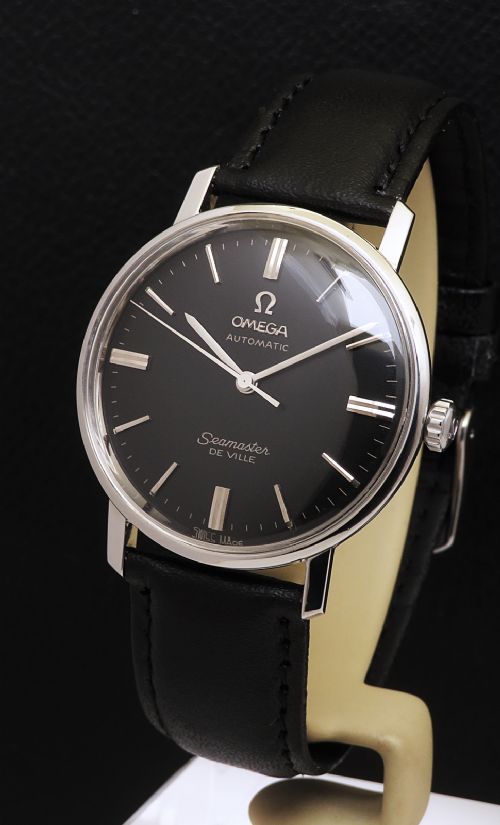
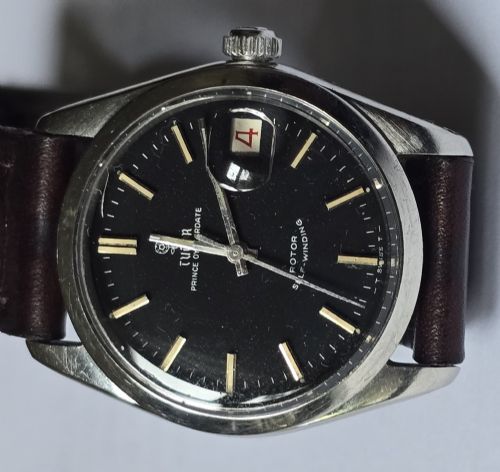
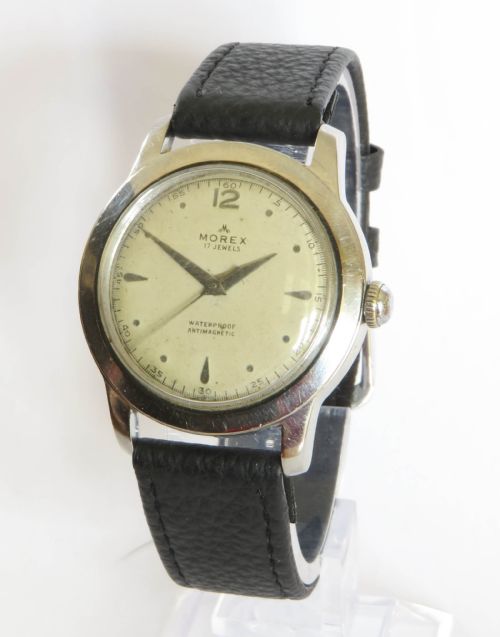
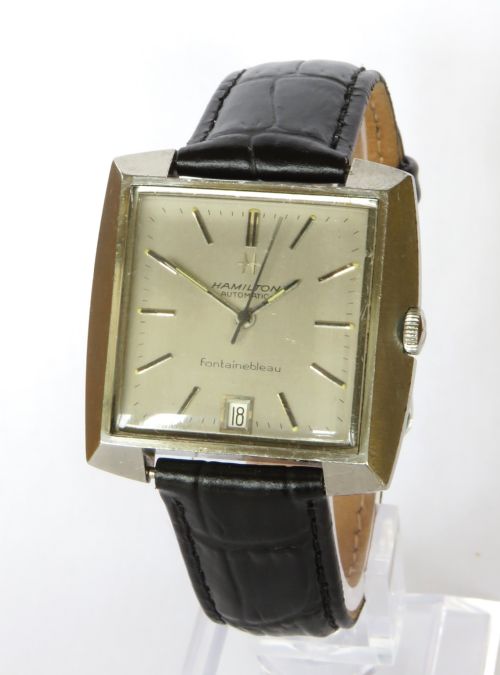
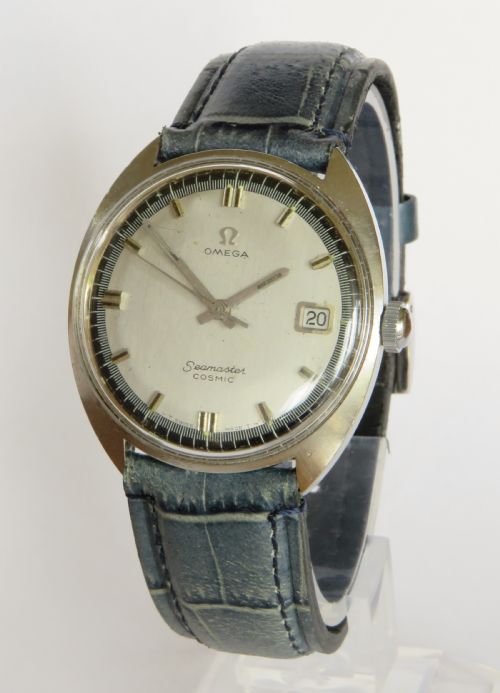
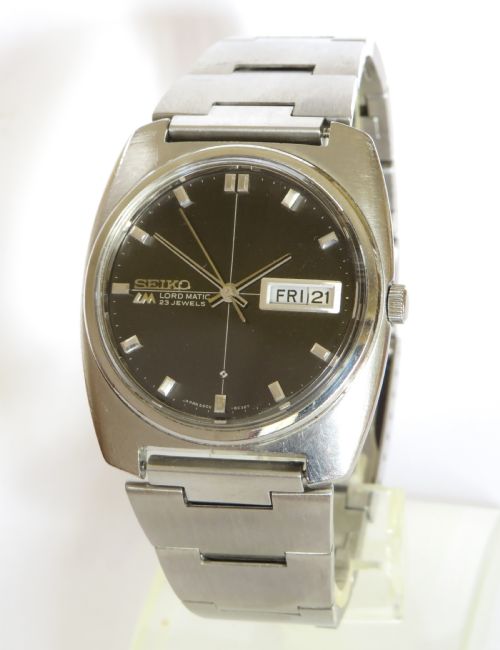
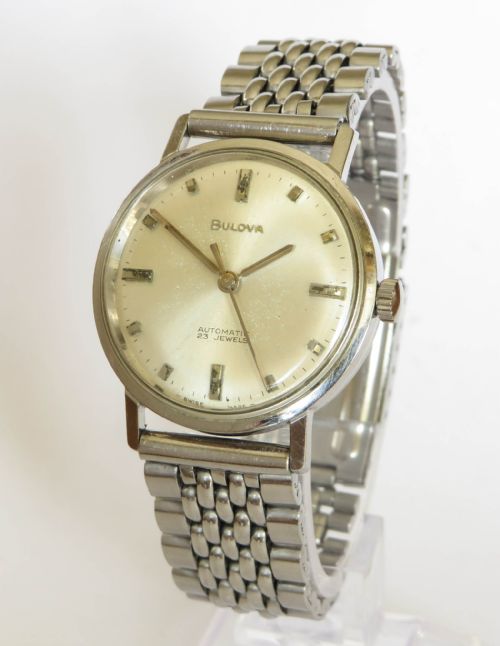
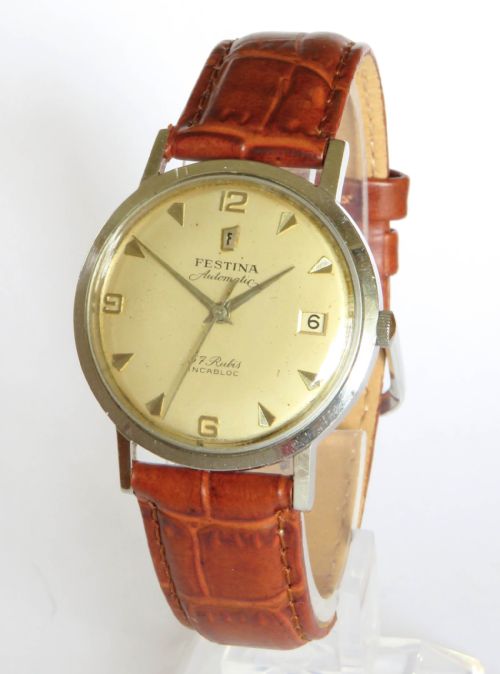
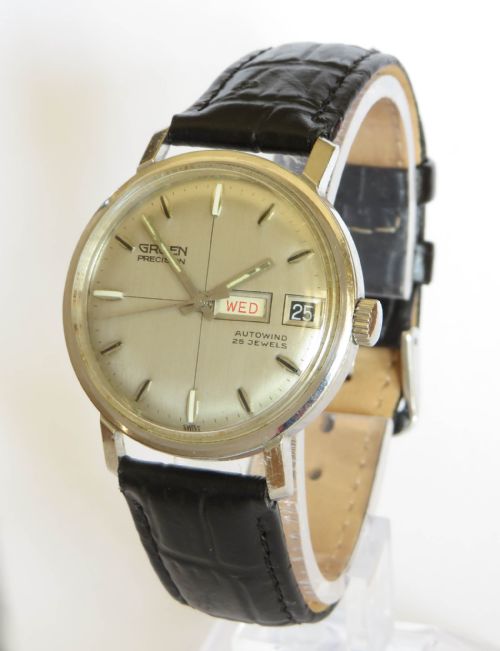
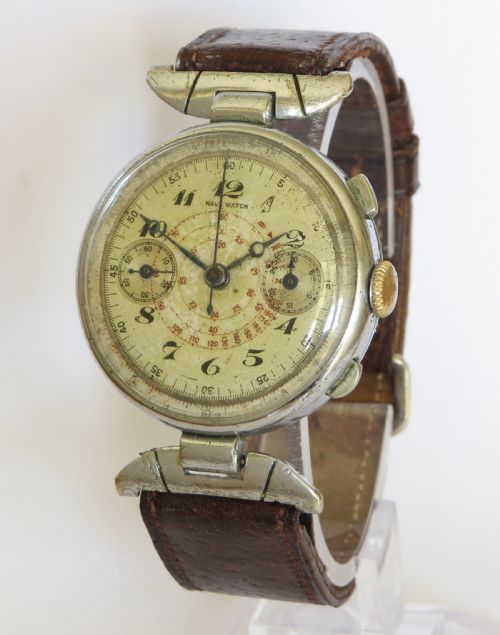
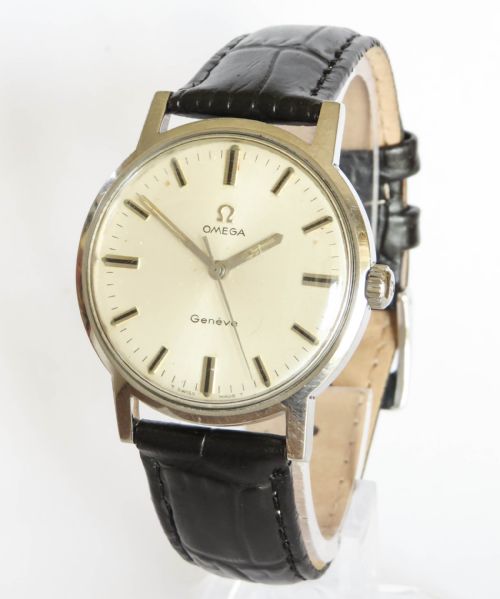
A retro steel watch encompasses wristwatches produced across the decades from the 1930s through the 1970s, utilising durable metal housings for everyday wear. The selection focuses heavily on gents models featuring automatic, manual wind and chronograph complications.
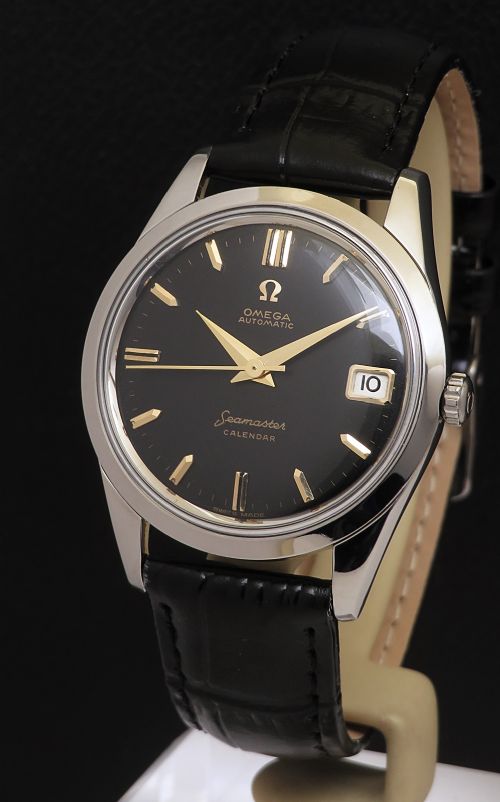
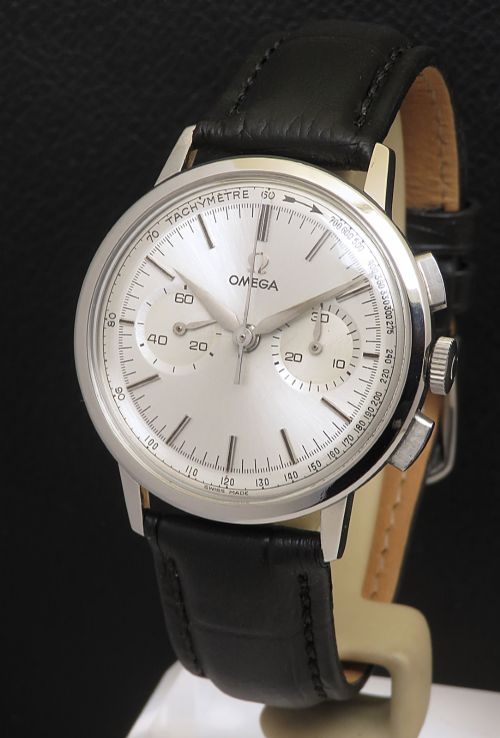
Most examples hail from the 1950s and 1960s, reflecting the post-war expansion of brands like Omega, Seiko and Eterna. Formats range from understated dress pieces to specialist aviator chronographs and day-date calendar watches.
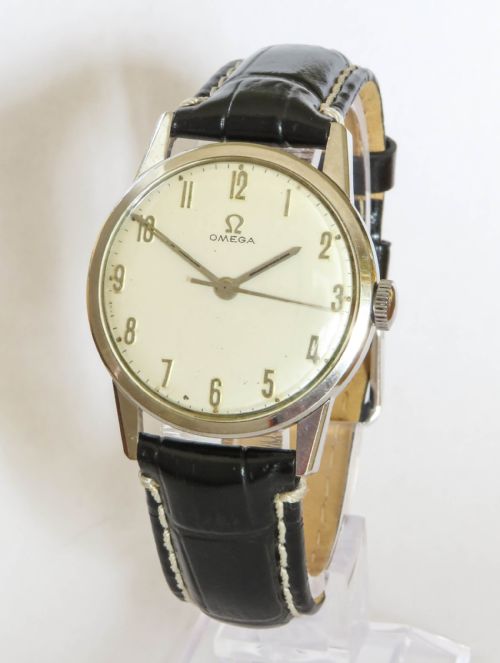
Collectors encounter various dial configurations, including patinated surfaces, black dials, and specialised scales housed within mid-century modern and Art Deco design frameworks.
How they were made
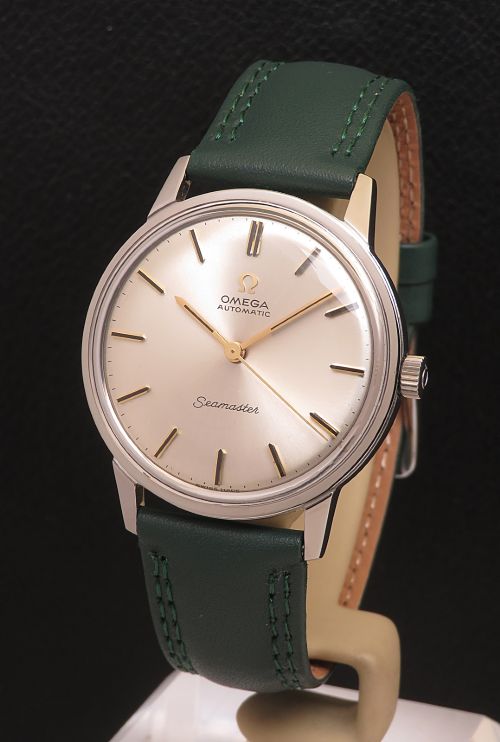
Makers housed mechanical movements inside stainless steel cases, frequently paired with acrylic or glass crystals to protect the dial. Leather straps or metal bracelets completed the assembly, utilising gold plate for specific decorative accents.
Chronographs and calendar movements relied on intricate mechanical gear trains assembled by horological workshops, incorporating shock-resistant balance systems and automatic winding rotors by the 1950s and 1960s.
The inventory contains numerous automatic and chronograph wristwatches originating from mid-century Swiss and Japanese makers.
What varies in quality
Quality depends on the preservation of the original dial and the complexity of the movement inside, such as chronographs versus standard time-only calibres. Factory originality, including correct signed crowns and untouched case geometry, distinguishes superior examples.
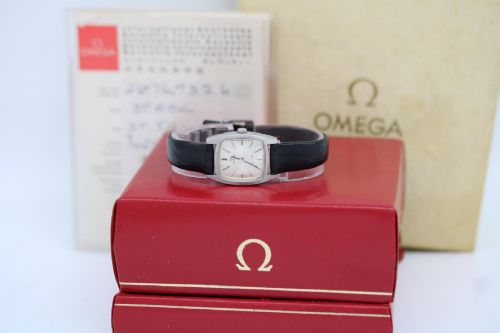
The degree of restoration and the presence of original boxes and paperwork influence the standing of a piece within horological history.
Omega·Tudor·Seiko·Bulova·Eterna·Longines·Girard Perregaux·Tissot·Benrus
The Retro Steel Watch Glossary
- Chronograph
- A watch with a stopwatch function alongside normal timekeeping. This complication uses independent sweep hands operated via pushers on the case.
- Automatic
- A self-winding mechanical movement that uses the natural motion of the wearer's wrist to tension the mainspring. This system removes the need for daily manual winding.
- Calibre
- The specific internal movement design and manufacturer designation of a watch. Horologists use this term to identify the exact mechanical engine powering the timepiece.
- Acrylic glass
- A lightweight, shatter-resistant plastic material used for watch crystals during the mid-century period. It can be easily polished to remove surface scuffs.
Retro Steel Watch: Frequently Asked Questions
What is a bumper automatic movement?
A bumper automatic is an early self-winding mechanical movement where the oscillating weight swings back and forth against buffer springs rather than rotating fully 360 degrees. The wearer feels a distinct tap on the wrist as the weight moves.
This mechanism represents an important transitional technology between manual-wind watches and the fully rotating rotors that became standard later.
How do I date a vintage steel watch?
Dating relies on movement serial numbers, case reference numbers, and stylistic markers such as dial typography and lug shapes. Brand archives and specialised reference guides connect these numbers to specific production years.
Many pieces from the 1950s and 1960s feature hallmarks or movement engravings that pinpoint their exact era of manufacture.
Are these watches suitable for daily wear?
These timepieces were built for everyday use with sturdy stainless steel cases and robust mechanical movements. Many incorporate shock-resistance systems developed during the mid-century period to protect the balance staff.
Routine servicing by a qualified watchmaker ensures proper lubrication and keeps the mechanical components running reliably.