
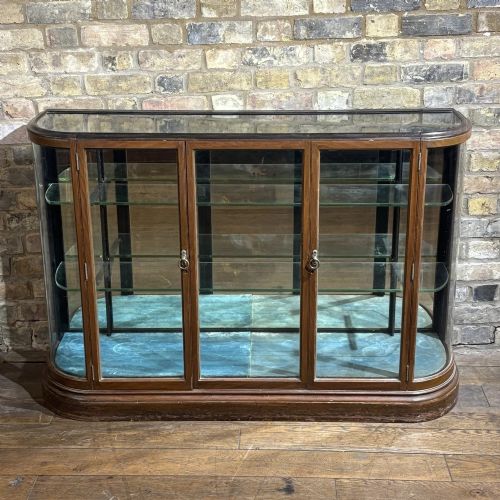


Retail Display Cabinet
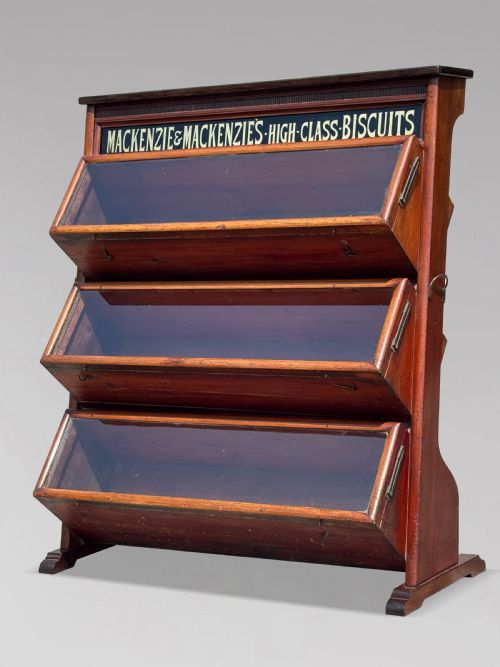
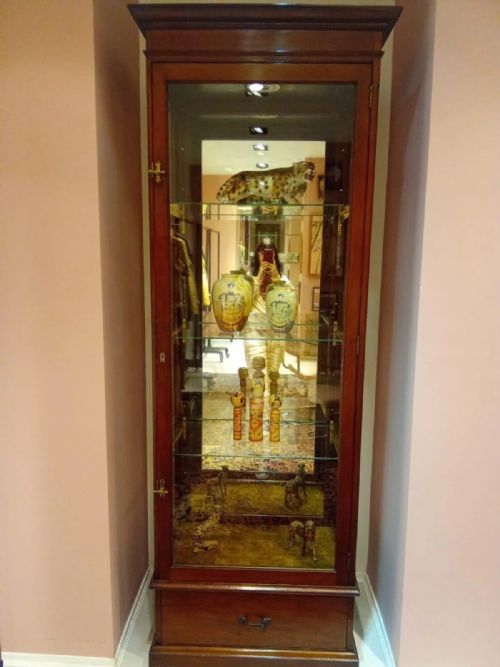
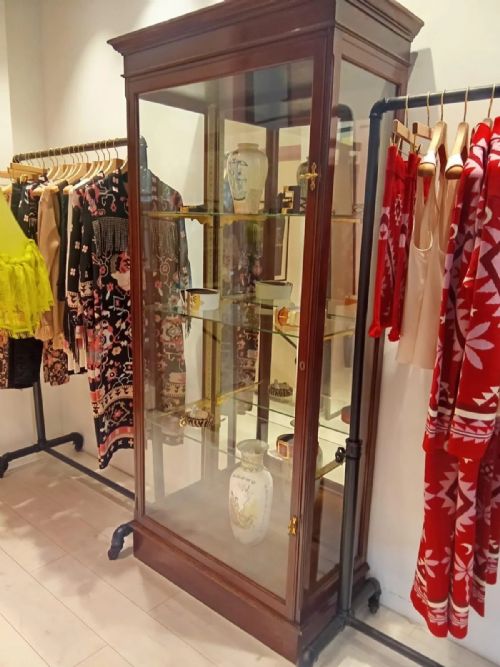
These retail display cabinet pieces bring genuine commercial heritage into domestic rooms, offering large glass panes and sturdy timber frames built for trade.
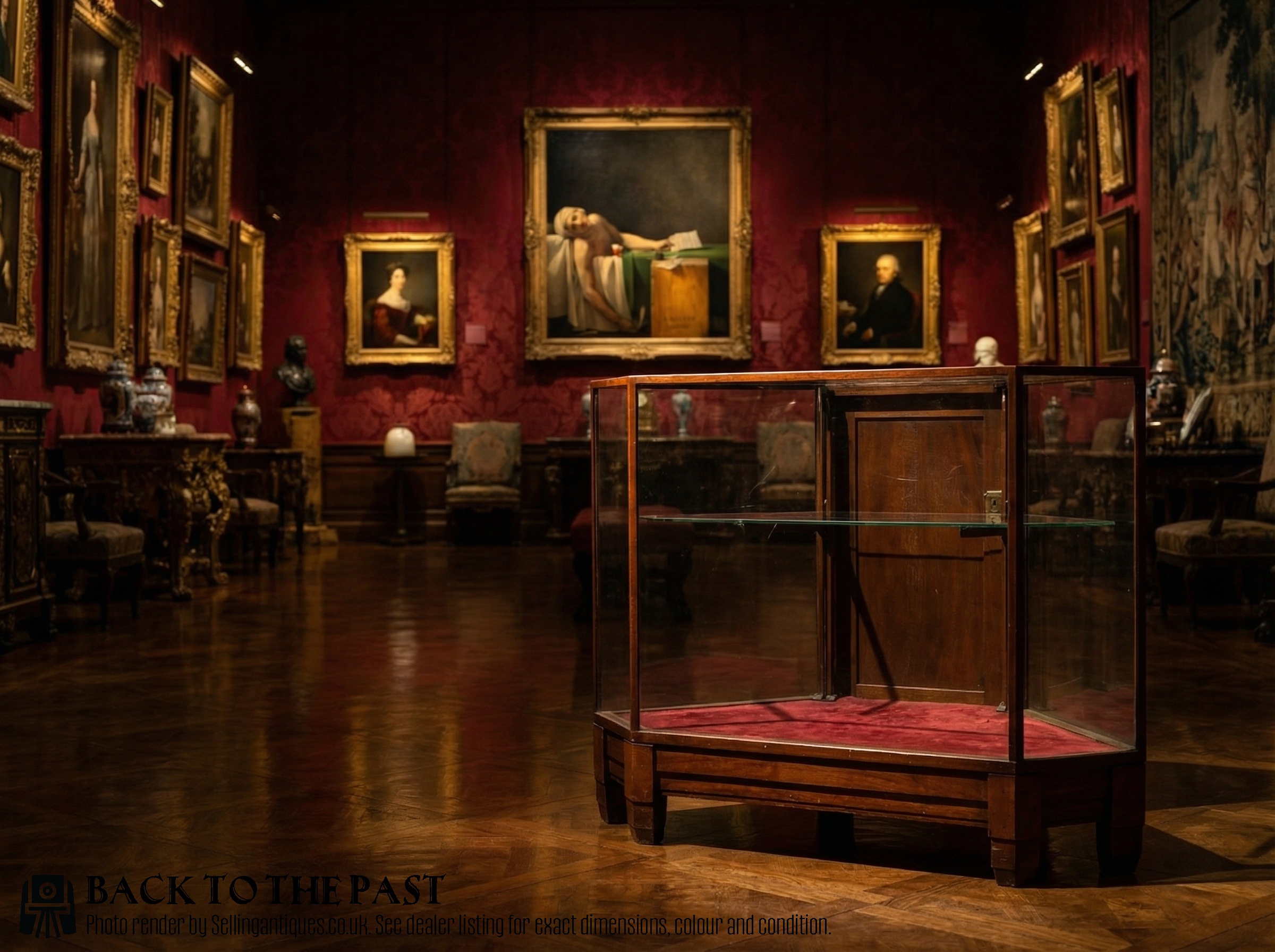
Retail Display Cabinets
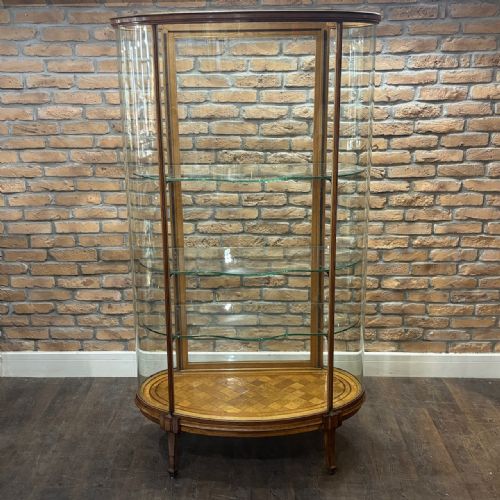
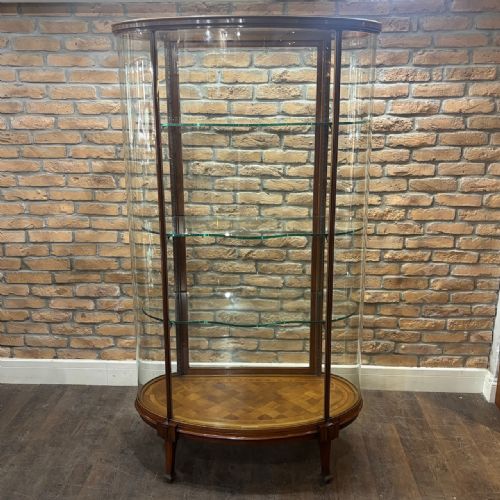
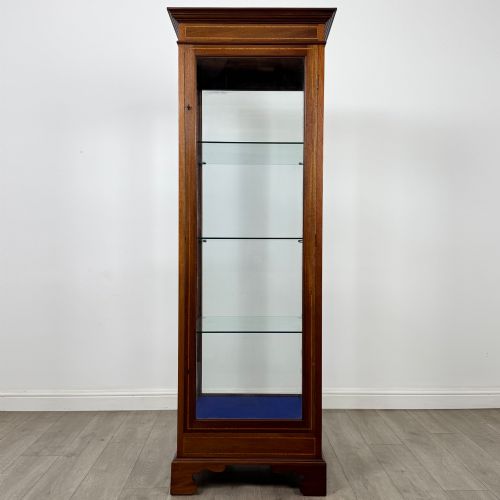
A retail display cabinet serves to showcase goods securely behind glass, originating in trade environments from the Victorian and Edwardian eras through to the nineteen thirties. These fixtures include tall tower cases, long counters, and countertop vitrines designed for commercial merchandise.
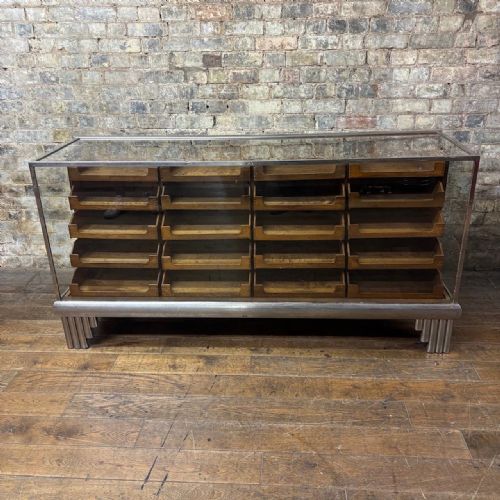
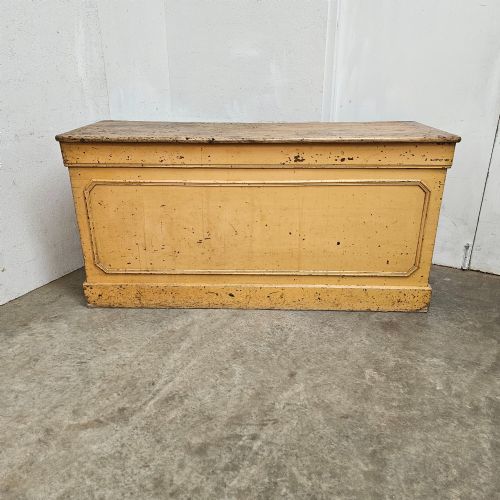
The pieces appearing on this page span several decades, featuring Victorian, Edwardian, and nineteen twenties or nineteen thirties styles. Buyers encounter both floor-standing configurations and low counters utilised originally in shops.
Materials range from solid hardwoods like mahogany and oak to ebonised wood and metal framing, often incorporating original glazing and advertising elements. Such forms reflect their past lives in chemist shops, haberdasheries, and general stores.
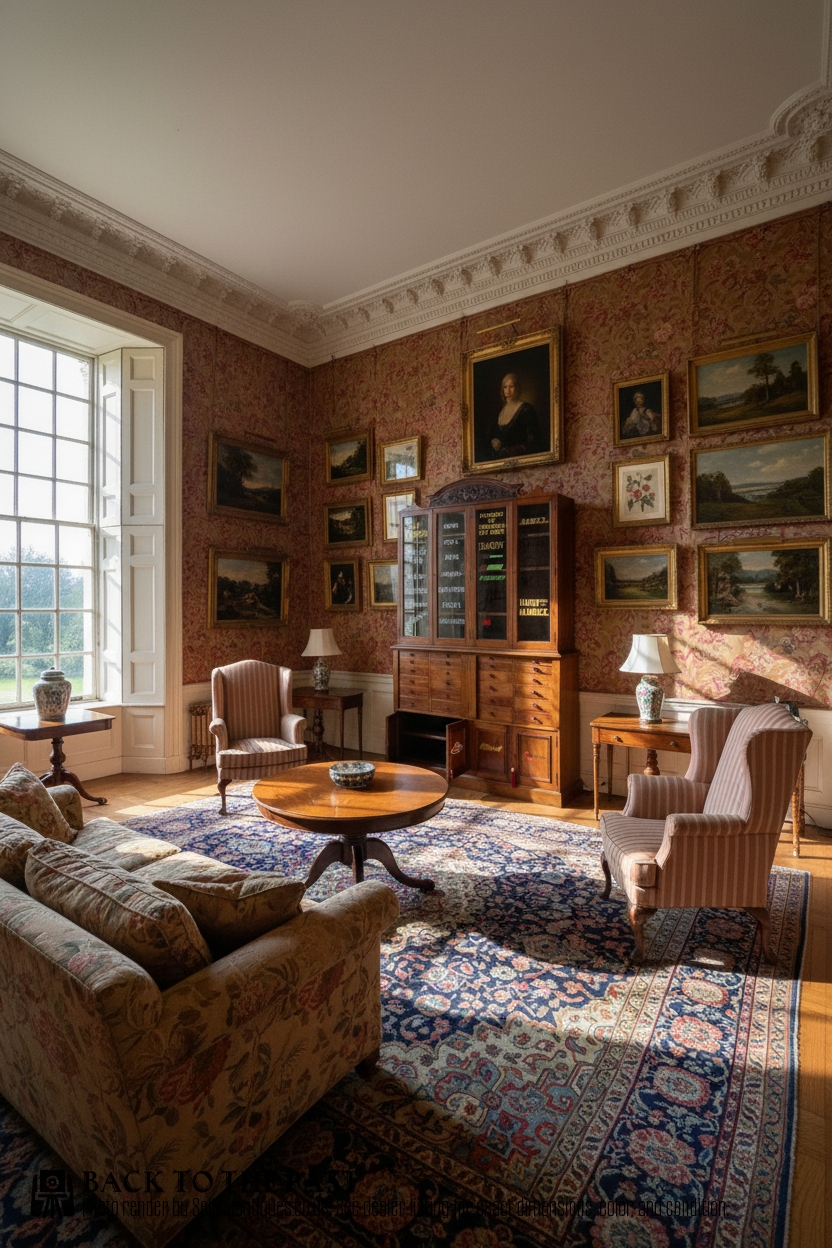
Construction and Materials
Workshops utilised durable timbers such as mahogany, oak, walnut, pine, and ebonised wood to build robust frames capable of supporting heavy glass panels. Brass and bronze framing also appears alongside timber structures to hold large viewing areas.
Joinery techniques focused on strength and visibility, combining glazed doors and side panels with velvet linings or wooden shelving. Sign-writing and etching were applied directly to glass or timber surfaces for commercial branding.
Retail Price Guide 2026
Typical UK retail prices for retail display cabinet, calculated from the Sellingantiques database of over a million retail prices indexed since 2003. This retail price guide relies exclusively on Sellingantiques data; no external sources or auction records are used, so the figures do not describe the wider market.
One former chocolate display cabinet arrived bearing its original advertising for Fry’s, proving that sweet-toothed Victorians required serious security.
Assessing Quality
The finest examples display superior timber selection and refined hardware, such as original brass fittings and working locks that survived decades of commercial use. Superior cabinet work is evident in the seamless integration of large glass panes and sturdy internal shelving.
Historical advertising and signed makers' details elevate a piece, transforming a standard shop fitting into a documented artefact of trade history. The clarity of original etched or sign-written glass adds considerable character to the piece.
Saml. Elliott & Sons·Mabie Todd & Co·Lennards
The Retail Display Cabinet Glossary
- Vitrine
- A glass-fronted cabinet designed for displaying delicate objects or merchandise. These cases provide all-round visibility for items placed inside.
- Haberdashery cabinet
- A specialised shop fitting featuring multiple shallow drawers or glass compartments intended for small sewing goods and accessories. Collectors prize them for organisation.
- Bijouterie case
- A glass-topped table or cabinet used historically by jewellers to display small valuables. They lift open to allow close inspection of precious items.
- Shopfitting
- The trade of manufacturing and installing fixtures and furniture for retail premises. These custom-built pieces were made to fit specific interior layouts.
- Ebonisation
- A wood-finishing process that stains timber to resemble ebony. This dark, formal surface treatment appeared frequently on nineteenth and early twentieth-century display furniture.
Frequently Asked Questions
What were retail display cabinets used for?
These cabinets served merchants as secure viewing areas for goods ranging from cigars and chocolate to jewellery and haberdashery. Retailers positioned them on counters or floors to entice customers while protecting stock.
Today, the same enclosed shelving suits collectors wishing to display porcelain, books, or curiosities in a home setting without dust accumulation.
How do I date a display cabinet?
Dating relies on stylistic clues, construction methods, and materials that align with specific decades from the Victorian era onward. Edwardian pieces often feature lighter oak timbers, while nineteen thirties examples lean toward metal framing and Art Deco lines.
Original hardware, lock types, and trade labels further help pinpoint the exact manufacturing period of each individual cabinet.
Are these cabinets suitable for modern homes?
Their substantial glass surface area and timber construction allow these cabinets to anchor modern living rooms, studies, or kitchens. They offer practical storage while keeping prized possessions fully visible.
Placing a tall tower or counter cabinet requires measuring floor space and ceiling height carefully to accommodate the original proportions.
What is sign-writing on a cabinet?
Sign-writing involves hand-painted lettering applied directly to the glass or wood of a shop fitting for commercial advertising. Surviving examples often promote period brands or specific goods sold in the original shop.
This painted detail provides a direct link to the piece's commercial past and adds historical depth to the item.