



Restoration Era Oak Carving
Restoration era oak carving brings seventeenth-century craftsmanship into your home through sturdy chests, tables, and architectural panels.
Restoration Era Oak Carving
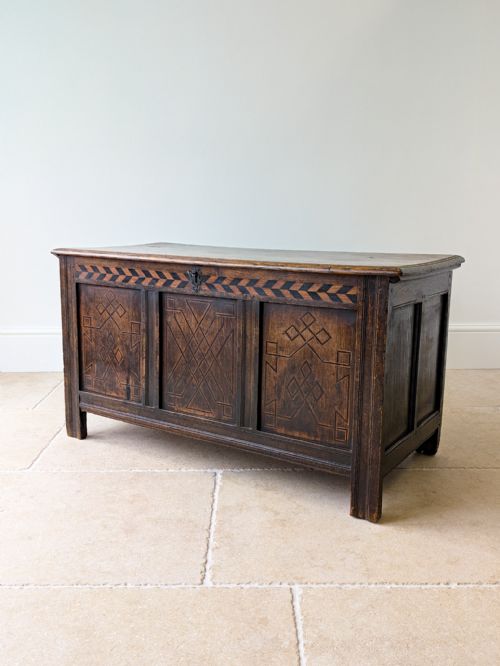
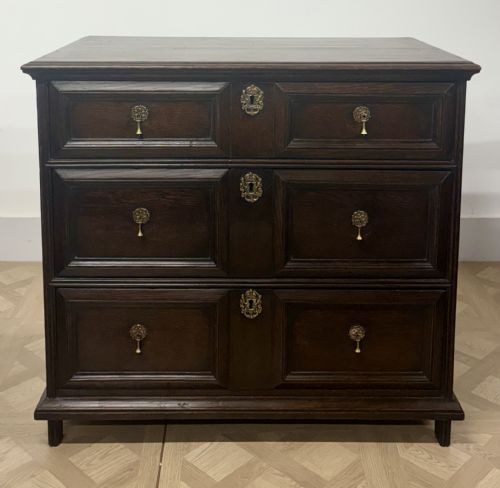
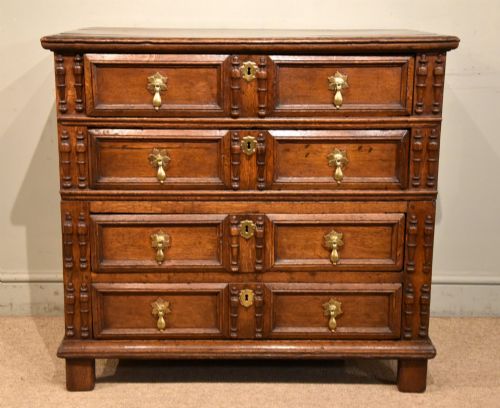
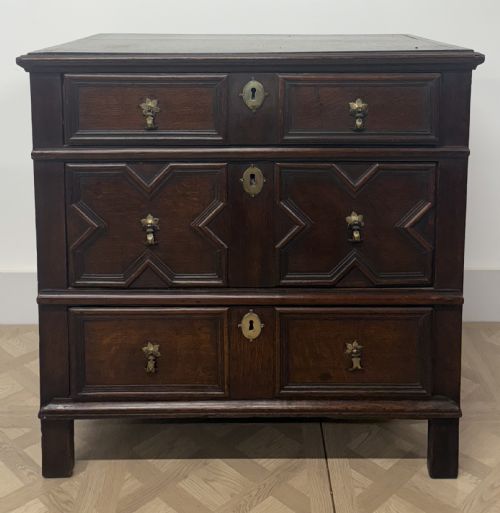
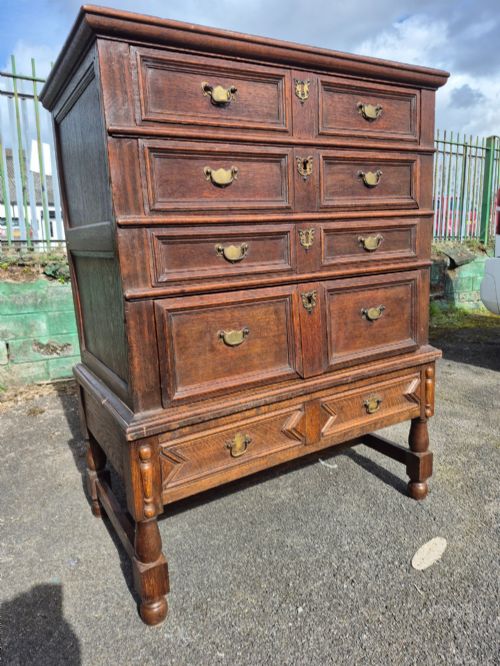
Restoration era oak carving encompasses seventeenth-century furniture and architectural salvage created during the Charles II, Carolean, and Baroque styles. When searching for restoration era oak carving, buyers encounter robust pieces such as chests of drawers, court cupboards, gateleg tables, and staircase panels.
The objects on this page predominantly date from the seventeenth century, spanning periods noted as Select and Georgian within the listings. These works reflect the aesthetic values of the seventeenth century Stuart era, often displaying intricate geometric mouldings and figurative motifs.
How they were made
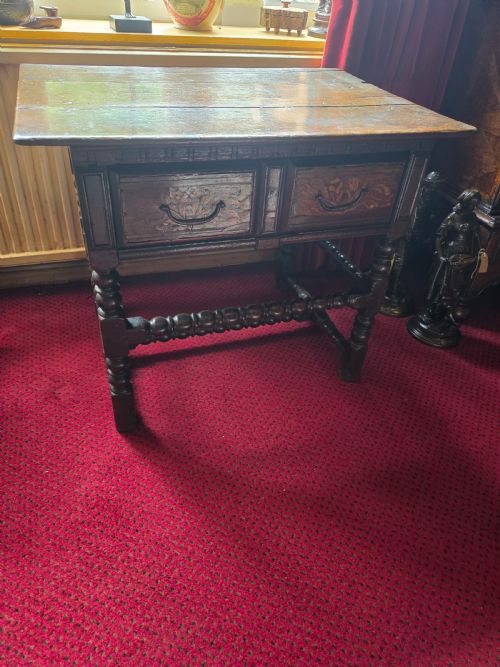
Maker construction relies heavily on solid oak, frequently augmented with wood inlay, iron hardware, and brass elements. Structural integrity is achieved through traditional joinery suited to heavy timber.
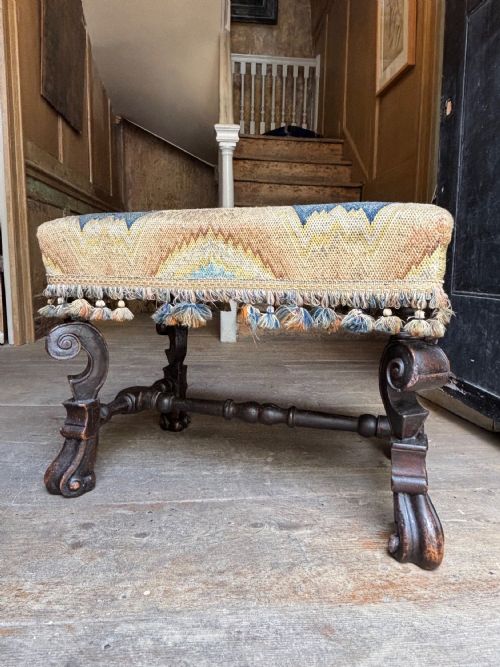
Surfaces demonstrate sculptural depth through relief carving, while textile works incorporate silk and tapestry materials like stumpwork embroidery. Architectural salvage panels display robust dimensional shaping characteristic of seventeenth-century workshops.
Restoration Era Oak Carving Retail Price Guide 2026
Typical asking prices for restoration era oak carving among the pieces listed under this phrase on Sellingantiques today, from the lower quarter to the upper quarter. They describe what is for sale here now, not the wider market.
Materials appearing across the inventory span solid oak, walnut, brass, iron, wood inlay, silk, tapestry, and textile elements.
What varies in quality
Quality manifests in the depth and execution of the carving, ranging from simple geometric mouldings to exuberant baroque forms and armorial details. The sophistication of the design dictates the visual distinction between standard utility furniture and high-status decorative works.
The integrity of the timber and the survival of original components such as brass hardware or textile elements influence the overall character. Pieces retaining their original seventeenth-century structure command greater aesthetic appreciation than heavily altered examples.
The Restoration Era Oak Carving Glossary
- Carolean
- Pertaining to the reign of King Charles II, spanning the mid-to-late seventeenth century. This style is frequently associated with rich carving and baroque influences.
- Gateleg table
- A table with hinged drop leaves supported by swing-out legs. This form provides versatile dining and surface space in seventeenth-century interiors.
- Court cupboard
- A heavy storage piece used for displaying plate and storing household goods. These architectural cupboards typify seventeenth-century vernacular and elite rooms.
- Stumpwork
- A raised embroidery technique popular in the seventeenth century. It frequently depicts historical figures and court scenes using padded silk and thread.
- Geometric moulding
- Raised wooden profiling applied in repetitive patterns to drawer fronts and panels. This technique creates strong shadow lines characteristic of the period.
Restoration Era Oak Carving: Frequently Asked Questions
What is a court cupboard?
A court cupboard is a large seventeenth-century storage unit featuring enclosed compartments and display tiers. These heavy oak pieces served both utilitarian and decorative functions in historical homes.
Buyers often place them in dining rooms or hallways as focal points. Their substantial presence requires careful measurement of your available space.
How do I identify Charles II furniture?
Charles II furniture is identified by robust oak construction, geometric mouldings, and baroque carved details. Many pieces date from the seventeenth century and reflect the aesthetic shifts following the Restoration.
Look for architectural elements such as applied split turnings and panelled drawer fronts. These characteristics help distinguish seventeenth-century pieces from later revival items.
Where should I place a gateleg table?
A seventeenth-century oak gateleg table fits well in a dining area or a spacious living room. The drop leaves allow you to adjust the surface area according to your daily needs.
Keep these tables away from direct heat sources to protect the aged timber. Regular gentle polishing preserves the rich patina of the historic oak.
What is stumpwork embroidery?
Stumpwork embroidery is a raised textile technique prominent in the seventeenth century. It often portrays royal subjects, such as King Charles II, using padded stitching and varied threads.
Display these textiles behind protective glass away from direct sunlight. Proper framing prevents the fragile silk and threads from degrading over time.