





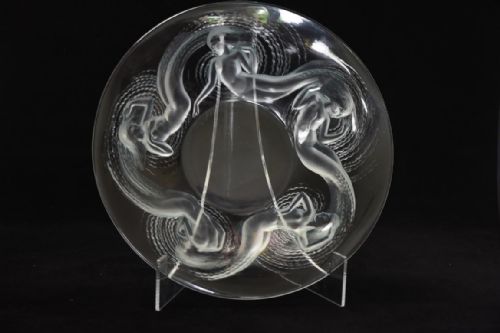


Rene Lalique Glass Bowl
A rene lalique glass bowl brings the intense optical play of twentieth-century design directly into a room through moulded relief and shifting colour.
Rene Lalique Glass Bowl
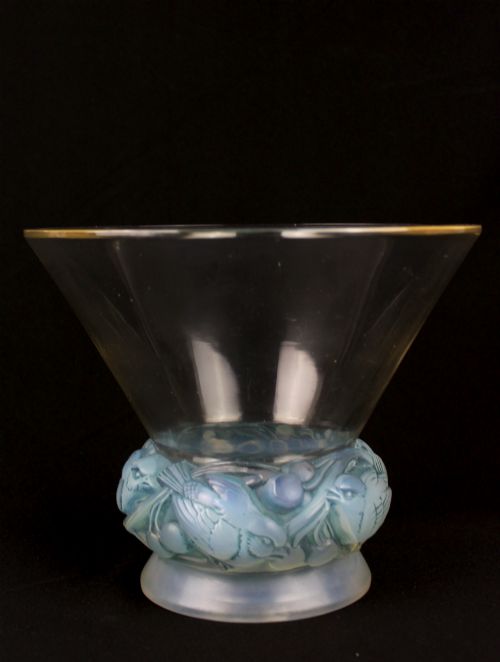
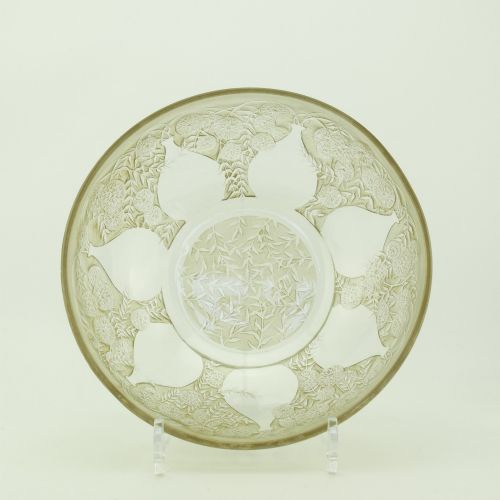
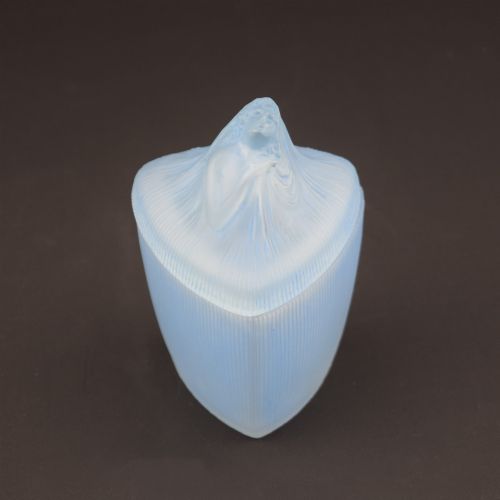
When searching for a rene lalique glass bowl, buyers encounter vessels designed primarily during the Edwardian period, 1910, 1920, and 1930 eras. These pieces take the form of decorative bowls, plates, chargers, and powder boxes displaying distinct stylistic roots.
The aesthetic bridges Art Nouveau curves and geometric Art Deco layouts. Forms range from shallow coupes and open bowls to footed vessels bearing specific named motifs.
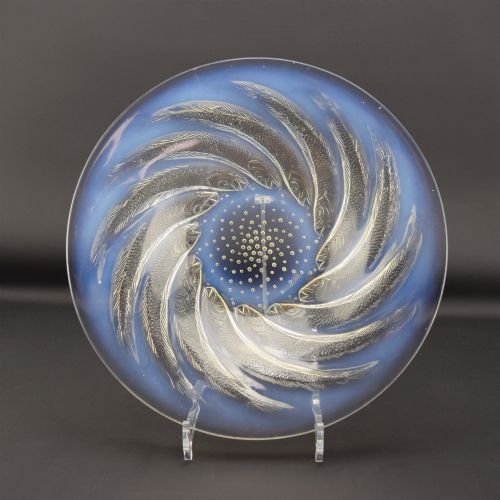
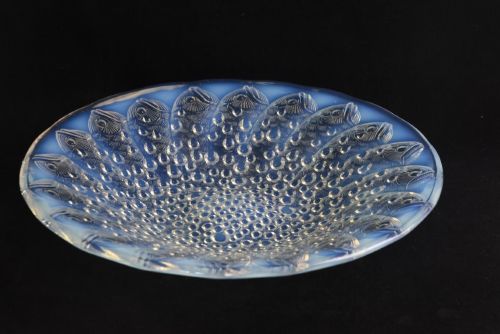
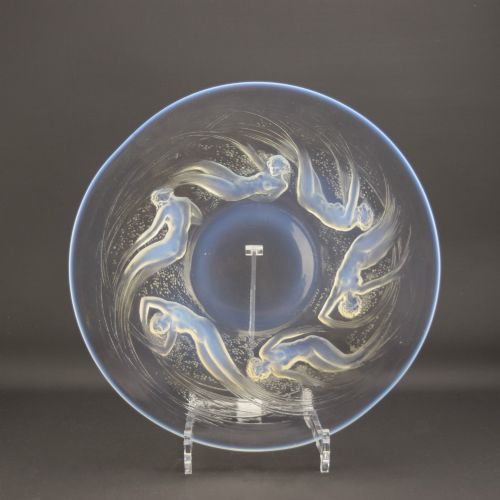
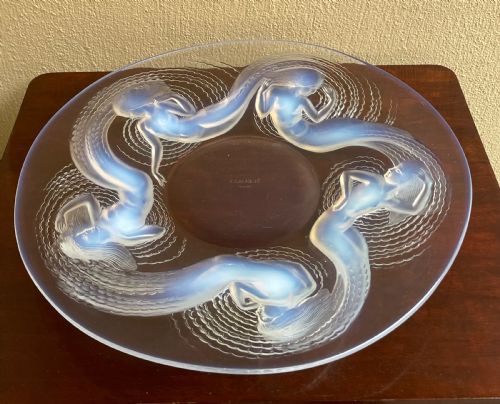
Examples frequently integrate aquatic themes, flora, and fauna into their relief work. Prominent designs include fish, flowers, and birds rendered in tactile glass.
How they were made
Production relies on glass manipulated through moulding and pressing techniques to achieve high-relief decorative surfaces. Craftsmen utilised clear, frosted, and amber glass alongside variants treated with patination or enamel.
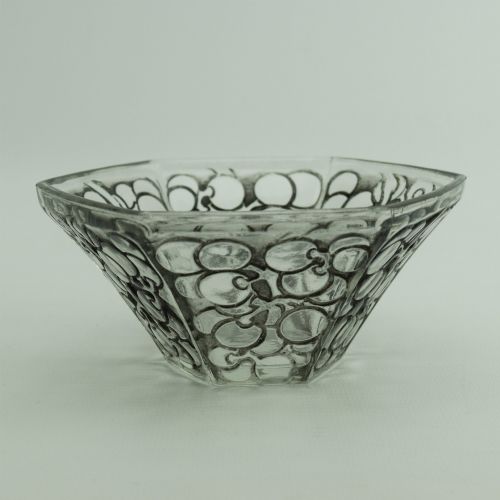
Opalescent glass plays a central role in these creations, catching ambient light and shifting between milky white and warm orange tones depending on the angle of illumination. Grey staining and coloured enamels further accentuate the recessed details of floral and animal subjects.
Rene Lalique Glass Bowl Retail Price Guide 2026
Typical asking prices for rene lalique glass bowl among the pieces listed under this phrase on Sellingantiques today, from the lower quarter to the upper quarter. They describe what is for sale here now, not the wider market.
Materials recorded across current inventory include opalescent, frosted, pressed, moulded, clear, amber, and patinated glass.
What varies in quality
Quality rests upon the crispness of the moulded relief and the depth of the opalescent effect within the glass body. Superior examples demonstrate sharp detail in complex subjects like fish scales or feather patterns.
The success of the secondary surface treatments, such as uniform patination, enameled highlights, and grey staining, dictates the visual impact of the piece. Handling of light transmission through frosted and clear sections separates standard production from exceptional works.
Rene Lalique
The Rene Lalique Glass Bowl Glossary
- Opalescent glass
- Glass containing agents that cause it to appear milky blue in transmitted light and warm yellow-orange in reflected light. This optical property creates the signature glow seen in many period designs.
- Coupe ouverte
- An open bowl or shallow vessel form frequently utilised for decorative tableware and centrepieces. These wide formats allow intricate rim motifs to remain fully visible.
- Patinated glass
- Glass treated with pigment rubbed into the recessed areas of the design to heighten contrast. This technique emphasises the carved or moulded details.
- Frosted glass
- Glass given a matte surface texture through acid-etching or sandblasting. It diffuses light softly across the body of the object.
- Plafonnier
- A ceiling bowl light fixture designed to mount flush against a room surface. These items translate decorative glass patterns into architectural illumination.
Rene Lalique Glass Bowl: Frequently Asked Questions
How do I identify a period piece?
Examine the signature style, manufacturing material, and documented motifs associated with the maker's twentieth-century output. Pieces often correspond to specific design years recorded in period catalogues.
Look closely at the handling of opalescence and surface patination, which reflect the technical standards of the 1920 and 1930 eras.
What are powder boxes used for?
Powder boxes served as elegant vanity containers for cosmetic powders during the early twentieth century. Their lids feature high-relief sculptural decoration.
Today, collectors appreciate them as compact display objects that showcase intricate moulding in a smaller format.
Where should I display a bowl?
Place these items where natural light can pass through the glass to activate the opalescent qualities. Open surfaces like dining tables or mantelpieces allow proper visibility of the exterior relief.
Keep them away from high-traffic edges to protect the delicate frosted and moulded rims.
Are Art Deco and Art Nouveau styles different?
Art Nouveau designs emphasise organic, flowing lines inspired by natural forms like flowers and winding stems. Art Deco shifts toward geometric discipline, symmetry, and stylised patterns.
Both movements appear across the maker's output, bridging naturalism with modernism.