




Rene Lalique Bowl
A rene lalique bowl brings glass artistry into everyday spaces through moulded forms from the early twentieth century.

Rene Lalique Bowl
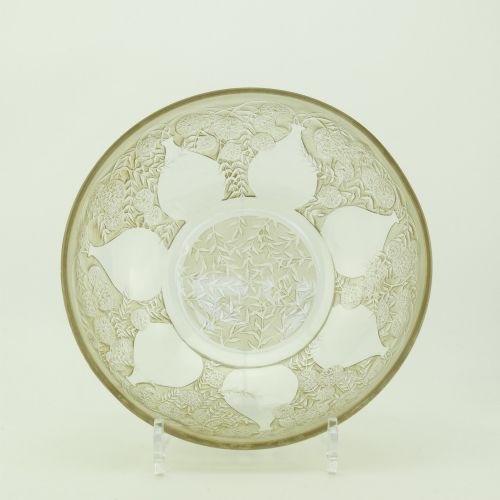
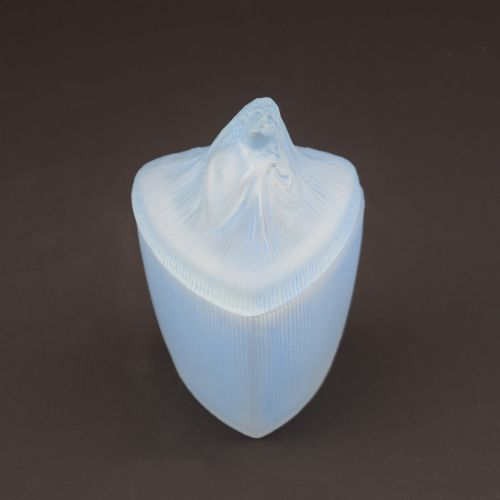
Collectors seeking a rene lalique bowl encounter decorative vessels produced across the 1910s, 1920s, and 1930s, encompassing both Art Nouveau and Art Deco movements. These pieces range from shallow dishes and chargers to deep footed bowls and covered powder boxes.
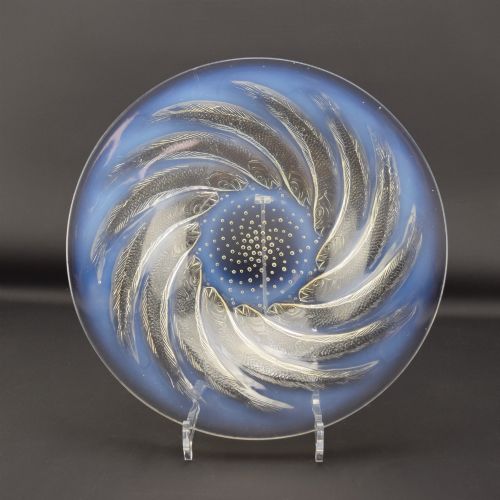
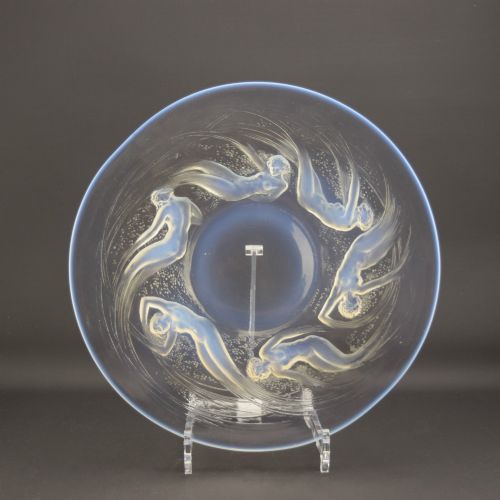
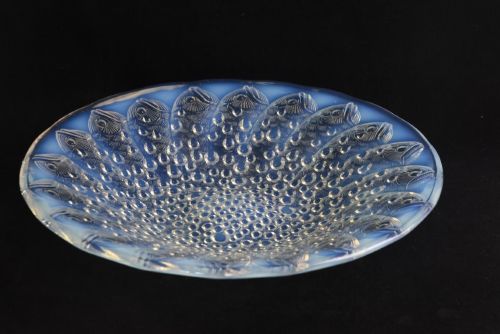
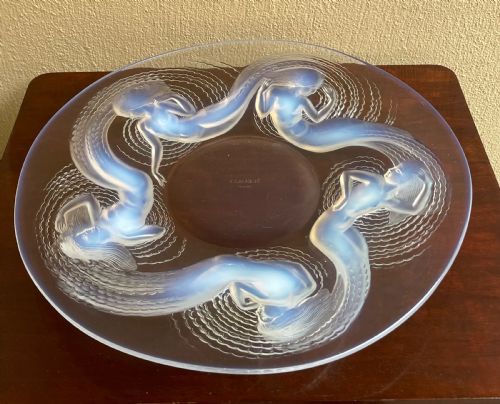
The most common examples on this page are opalescent glass pieces bearing specific model names like Poissons, Ondines, and Volubilis. Formats vary from small domestic bowls to large chargers intended for display.
Design vocabulary draws heavily from nature, displaying motifs of fish, flowers, birds, and foliage moulded directly into the glass body. Production spans the Edwardian era through the interwar period, reflecting shifting aesthetic ideals.

Materials and production techniques
Moulded and pressed glass techniques form the structural foundation of these objects, allowing intricate relief designs to repeat across production runs. Makers utilised clear, frosted, amber, and opalescent glass to manipulate light passing through the vessel.
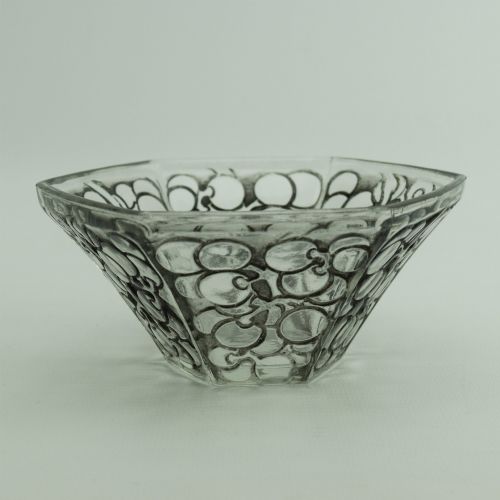
Surface finish is enhanced through patination, enamelling, and staining in grey, sepia, blue, or black. These contrasting pigments settle into the recessed details of the mould, accentuating the floral and animal motifs characteristic of the period.
Rene Lalique Bowl Retail Price Guide 2026
Typical asking prices for rene lalique bowl among the pieces listed under this phrase on Sellingantiques today, from the lower quarter to the upper quarter. They describe what is for sale here now, not the wider market.
Fish swim across multiple bowl bases while beetles and birds peer from glass rims.
Assessing quality and finish
The sophistication of the secondary staining or enamel work also distinguishes standard production from finer examples. Controlled application of colour into the low relief heightens the sculptural impact of the design.
Rene Lalique
The Rene Lalique Bowl Glossary
- Opalescent glass
- Glass that appears milky-blue when viewed by reflected light and warm amber or orange when viewed by transmitted light. This optical property results from the controlled cooling and reheating of chemical additives during manufacture.
- Coupe ouverte
- An open bowl or shallow vessel form frequently utilised for floral and aquatic motifs. These open shapes display the moulded decoration across the interior base.
- Patinated glass
- Glass treated with applied pigments or stains rubbed into the recessed portions of the design. This technique creates contrast against the frosted or clear background.
- Plafonnier
- A ceiling bowl or light shade suspended from mounts. These items share the moulded relief patterns found on freestanding table vessels.
Rene Lalique Bowl: Frequently Asked Questions
How do I date a rene lalique bowl?
Dating relies on stylistic indicators, signatures, and known production records from the 1910s through the 1930s. Art Nouveau examples typically feature softer floral transitions, while Art Deco pieces embrace geometric symmetry alongside natural forms.
Signatures etched or moulded into the glass change across decades, helping establish the manufacturing period. Comparing the specific model name and glass tone against archival records narrows the production window further.
What is opalescent glass?
Opalescent glass contains chemical agents that diffuse light, creating a characteristic milky-blue sheen on raised surfaces. When light passes through the glass, it shifts to an amber or yellowish tone.
This dual colour effect was a signature development utilised to highlight moulded botanical and animal subjects. The intensity of the opalescence varies between individual pieces depending on the glass batch composition.
Where were these bowls displayed?
Interiors of the 1920s and 1930s featured these vessels as centrepieces on dining tables, sideboards, and mantelpieces. Shallow bowls and chargers held fruit or served purely decorative functions.
Covered powder boxes sat upon dressing tables alongside matching glassware. Their reflective surfaces caught ambient daylight and electric interior lighting alike.
How do I care for my bowl?
Cleaning requires lukewarm water and a mild detergent applied with a soft cloth. Harsh chemicals, abrasive sponges, and ultrasonic cleaners risk damaging surface patination and enamel infills.
Display surfaces should be stable and protected from direct physical impacts. Routine dusting maintains the clarity of the moulded glass without risking the tinted recessed areas.