



Renaissance Wooden Statues
Renaissance wooden statues are carved figures of saints, angels and secular subjects that bring centuries of devotional and decorative art into a room.
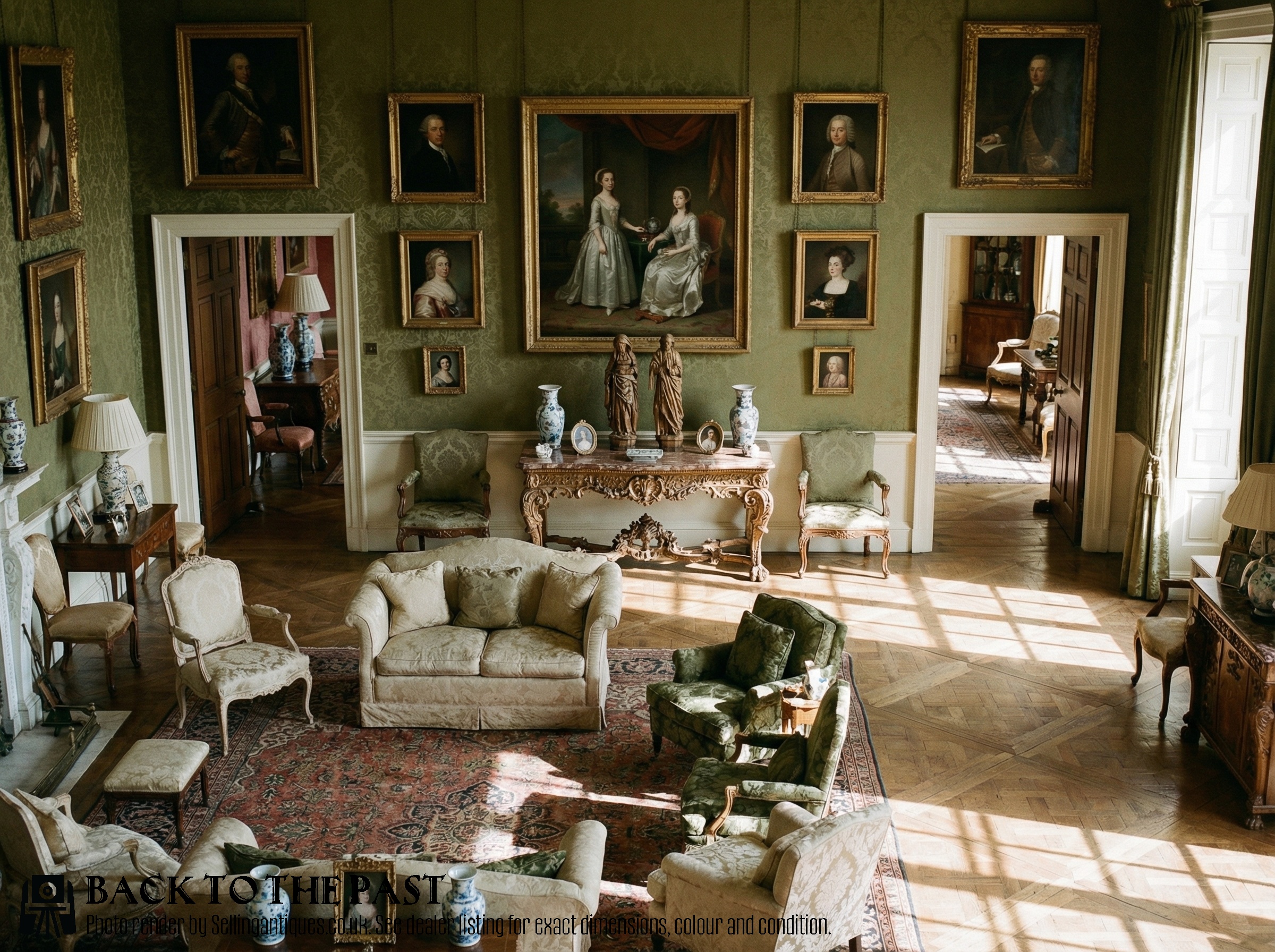
Renaissance Wooden Statues
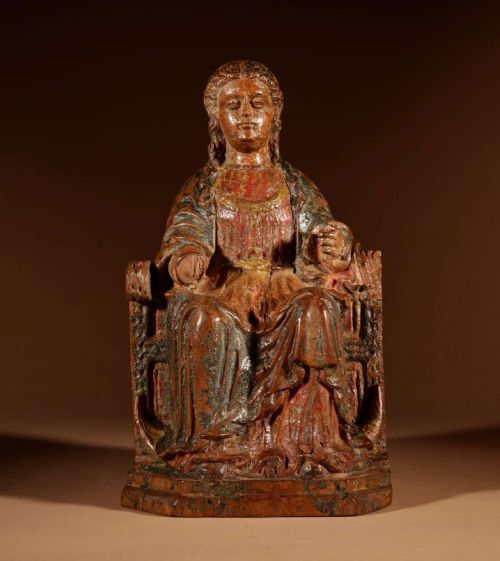
When you search for renaissance wooden statues, you encounter carved religious figures and secular ornaments spanning the sixteenth century alongside nineteenth-century revivals. The selection includes individual saints, seated Madonnas, and detailed busts originating from France, Italy, Germany, and Flanders. These forms range from monumental architectural salvage and display pedestals to intimate devotional reliefs.
You are most likely to meet sixteenth-century oak and limewood figures depicting saints, alongside nineteenth-century Italian and French revival pieces. Figures such as St. John the Baptist, the Virgin, and St. Jude appear frequently as standalone sculptures or paired carvings. These works demonstrate the enduring appeal of carved timber across both the original period and later revival movements.
What varies in quality
The degree of anatomical mastery and the sensitivity of the carving distinguish finer examples from simpler work. Master carvers achieved fluid drapery folds and lifelike expressions that breathe movement into dense timber. Weaker pieces often display rigid posture and mechanical tool marks that lack the expressive depth of period workshops.
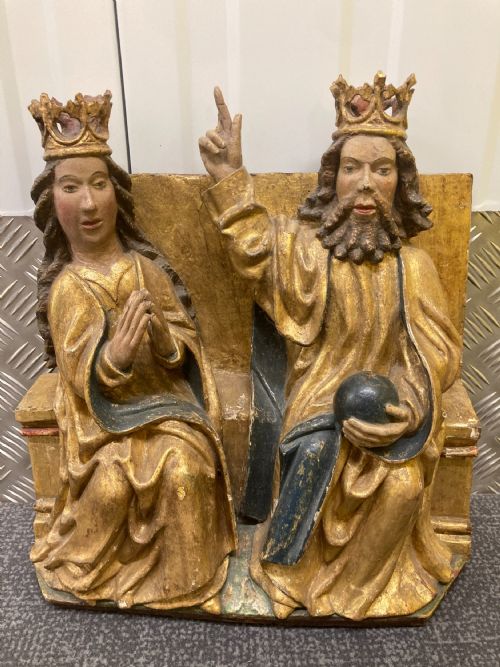
The survival of original surface decoration, such as polychrome paint and gold leaf, significantly influences the character of a piece. Traces of ancient pigment add historical depth, whereas heavy later repainting obscures the underlying wood. The integrity of the timber ground and the proportion of the original carving determine the overall standing of the object.
Periods represented range from pre-sixteenth century Gothic work through nineteenth-century revivals.
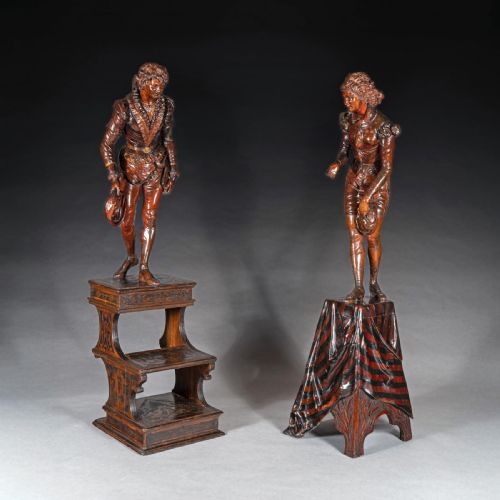
Valentino Besarel
The Renaissance Wooden Statues Glossary
- Polychrome
- Decorated in a variety of colours. This term refers to painted surfaces found on historic wooden sculptures and architectural elements.
- Gesso
- A plaster mixture used as a smooth base for paint or gold leaf. Artisans applied this compound to wood before adding fine surface gilding.
- Giltwood
- Wood carved and prepared with a thin layer of gold leaf. This finish provided a rich, reflective surface for religious and decorative figures.
- Relief
- A sculptural technique where figures project from a flat background. These carved panels often depict narrative scenes or portraits.
- Salvage
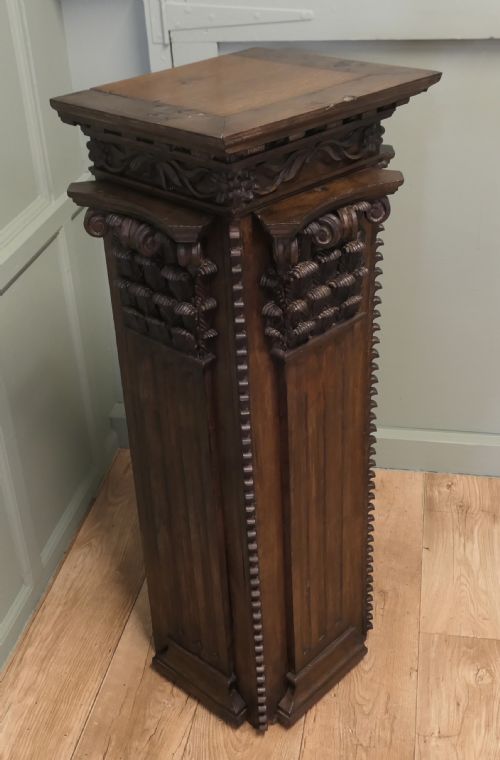
- Architectural elements rescued from historic buildings. These fragments include columns, pedestals, and display plinths.
Renaissance Wooden Statues: Frequently Asked Questions
What subjects do these statues show?
The pieces primarily depict religious figures including saints, angels, the Madonna and child, and biblical apostles. You also encounter secular animal figures, portrait busts, and decorative human reliefs.
Many of these works originated as church furnishings, altarpieces, or architectural ornaments before entering the collector market.
How do I tell sixteenth-century work from later revivals?
Sixteenth-century pieces display period tool marks, timber oxidation, and wear patterns consistent with centuries of handling. Nineteenth-century revival works often utilise similar woods and historic styles but reveal different construction methods and surface patination.
Examining the underside, grain shrinkage, and pigment structure helps clarify the actual age of the carving.
Where were these wooden figures made?
The listings feature works originating from major European artistic centres including Italy, France, Germany, and Flanders. Regional workshops developed distinct carving styles, choosing local timbers such as oak, walnut, or limewood.
These geographic origins influence both the sculptural approach and the type of surface decoration applied to the wood.
How should I display a wooden statue at home?
These sculptures suit placement on sturdy furniture, dedicated display pedestals, or mounted securely as wall reliefs. Stable indoor environments away from direct heat sources protect the historic timber and any remaining polychrome paint.
Allowing adequate space around the figure highlights the depth and detail of the original hand carving.