


Renaissance Wood Relief Carvings
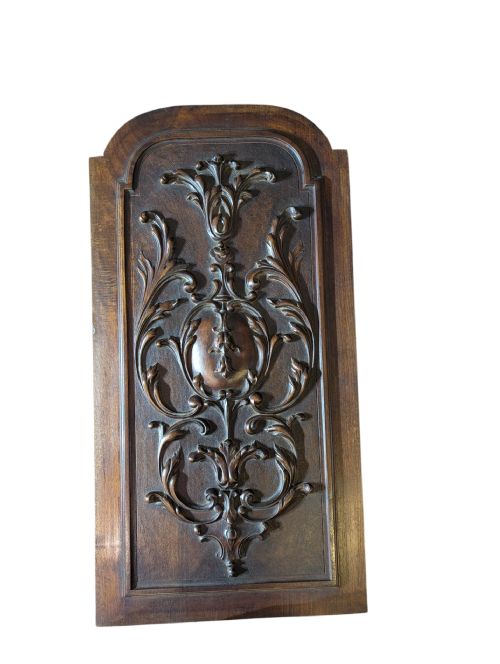
These renaissance wood relief carvings are historical timber panels and sculptures that bring immediate architectural depth and narrative weight to a room.
Renaissance Wood Relief Carvings
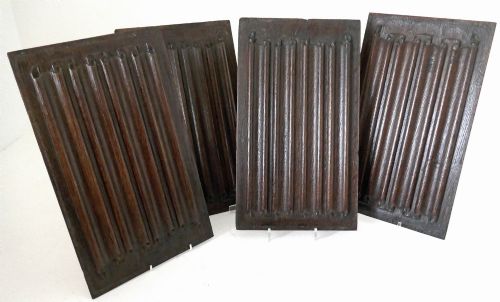
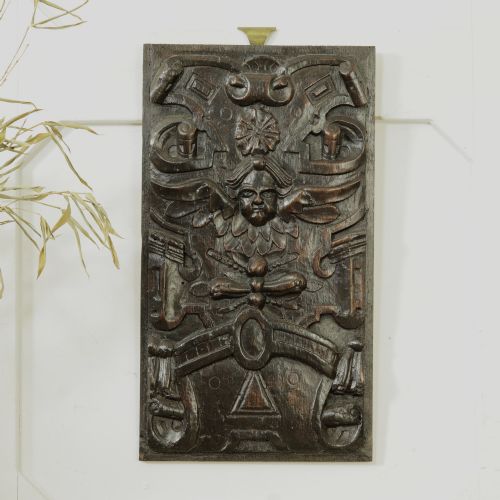
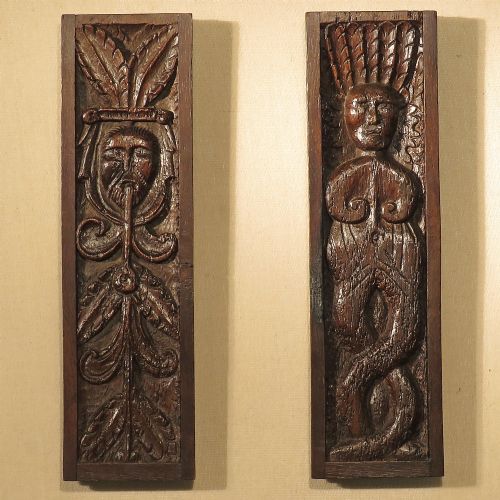
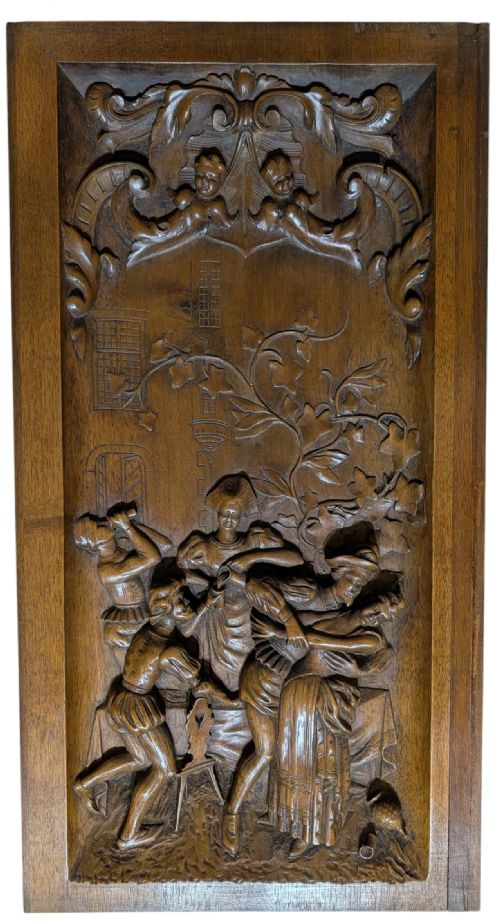
When you search for renaissance wood relief carvings, you encounter architectural salvage, wall panels, and figural sculptures dating predominantly from the sixteenth and seventeenth centuries. The selection ranges from English Tudor oak linenfold panels and Green Man motifs to Northern Renaissance religious scenes and secular walnut figures.
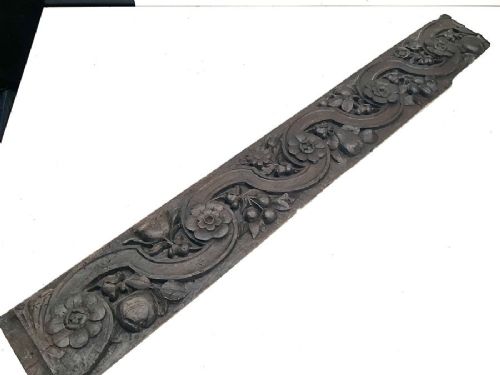
You are most likely to meet rectangular oak or walnut panels designed originally for wall integration, alongside freestanding relief sculptures and architectural fragments. European workshops produced these pieces across various styles including Tudor, Jacobean, and Renaissance Revival.
The objects frequently depict biblical narratives, such as Christ carrying the cross or the circumcision of Christ, alongside mythological termes and decorative putti. Later nineteenth-century revivals also appear, reflecting a persistent Victorian appetite for sixteenth-century forms.
How they were made
Carvers worked primarily in dense hardwoods such as oak and walnut, utilising hand chisels and gouges to achieve varying depths of relief from flat linenfold patterns to high-relief sculptural figures. Timber selection was vital for stability, ensuring the carved panels could withstand centuries of atmospheric change without excessive splitting.
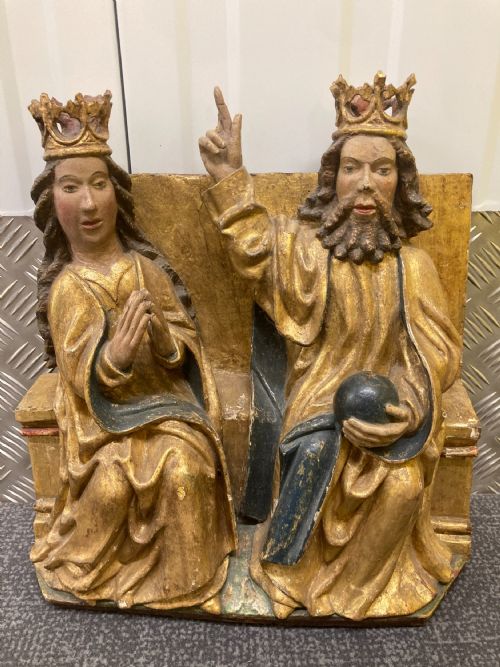
Surface finish involved more than bare wood in many instances, with workshops applying gold leaf and polychrome paint to accentuate facial expressions and drapery folds. Alternative mediums like leathermaché appear in architectural decorations, providing a lighter base for intricate moulded relief work.
Joinery methods matched the architectural function of the pieces, utilising tongue-and-groove boards or pegged frames to secure the carved panels within larger wall schemes.
The listings feature sixteenth-century and seventeenth-century pieces alongside mid-nineteenth-century revival items, constructed predominantly in oak, walnut, and carved wood with occasional gold leaf and polychrome paint.
What varies in quality
The distinction between ordinary workshop output and superior craftsmanship rests in the anatomical precision of the figures and the sharpness of the chisel work. Master carvers achieved depth and perspective through undercut relief, whereas lesser pieces rely on flat, repetitive stamping or shallow incisions.
Original surface treatments dictate much of the visual hierarchy within these carvings. Pieces retaining undisturbed traces of historic polychrome paint or gold leaf hold greater artistic integrity than those stripped down to raw timber during later restorations.
The Renaissance Wood Relief Carvings Glossary
- Linenfold
- A style of wood panel moulding carved to resemble folded vertical linen fabric. It is particularly characteristic of sixteenth-century English interior joinery.
- Polychrome
- The practice of decorating architectural elements and sculptures in multiple colours. Historic pieces often retain fragmentary layers of this original paintwork.
- Terme
- A pillar or pedestal tapering downward, topped with a bust or upper human body. These architectural supports frequently appear in sixteenth-century furniture and wall panels.
- Giltwood
- Timber treated with a thin layer of gold leaf or gold paint. It was applied to highlight specific architectural details and figural elements in ecclesiastical settings.
Renaissance Wood Relief Carvings: Frequently Asked Questions
How were these carvings used originally?
Historic workshops produced these carvings to ornament the walls and furniture of wealthy domestic interiors, civic buildings, and churches. They functioned as architectural salvage, wall panels, and devotional art.
Many panels were integrated directly into wood-panelled rooms or served as altarpieces and decorative plaques. Their sturdy construction in hardwoods ensured they survived centuries of architectural alterations.
How do I live with antique wood reliefs?
Display these carvings on interior walls away from direct sunlight and significant heat sources to prevent the timber from drying and splitting. Secure them using appropriate fixings suited to the weight of dense oak or walnut panels.
Allow sufficient space around the piece to let the sculptural depth and surface texture catch natural room lighting. Minimal dusting with a dry cloth is sufficient for maintenance.
How can I tell the period of a panel?
Examine the tool marks left on the reverse of the timber and the style of the carving on the front. Sixteenth-century pieces often display hand- adzed surfaces and characteristic regional motifs like Green Men or linenfold patterns.
Compare the wood species and construction methods against known historical examples from the Tudor, Jacobean, or Renaissance periods. Nineteenth-century revival pieces typically show machine-sawn timber backs and different ageing patterns.