




Renaissance Oil Painting
When you search for a renaissance oil painting, you encounter centuries of devotion to the classical human form and historical narrative.
Renaissance Oil Painting
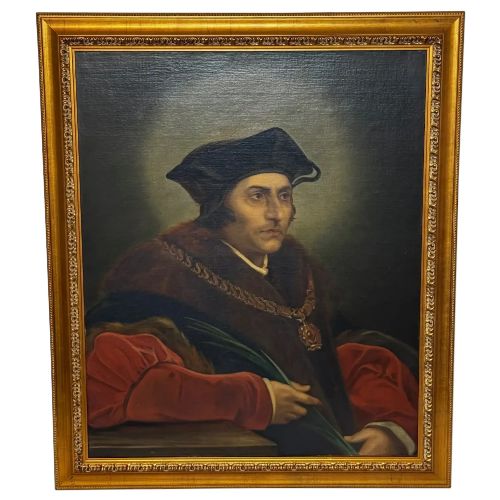
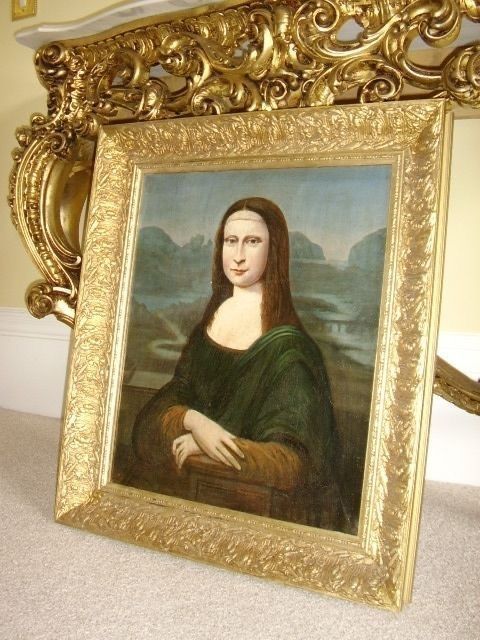
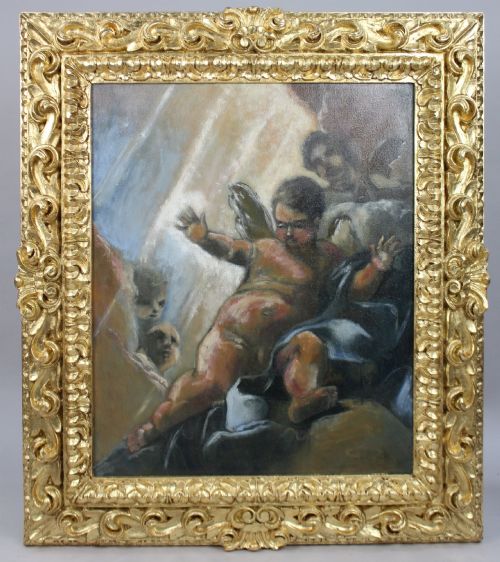
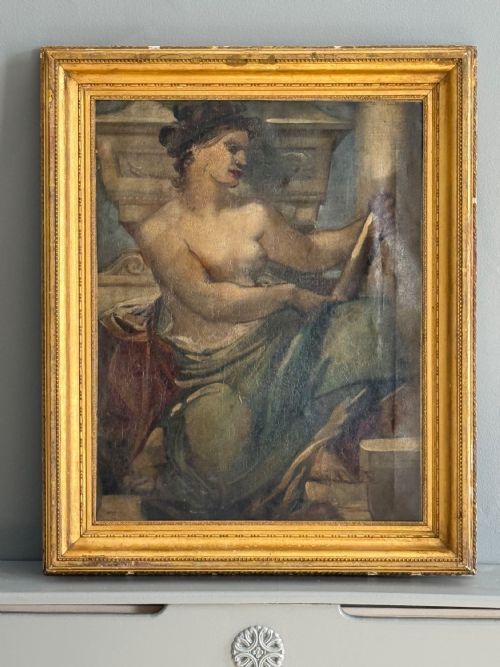
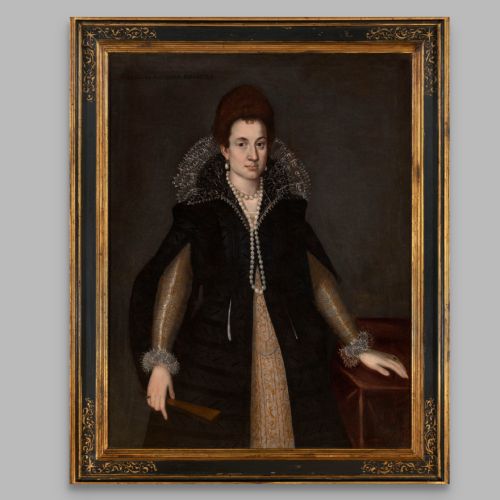
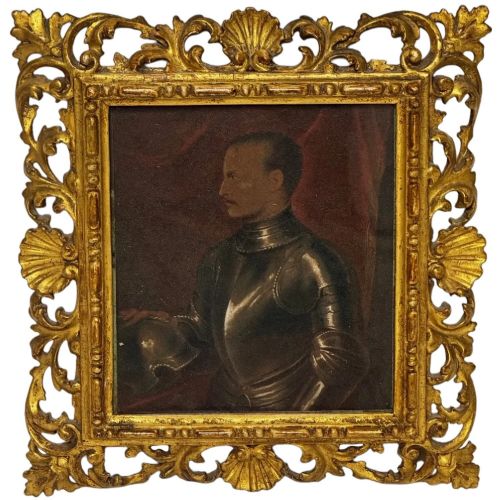
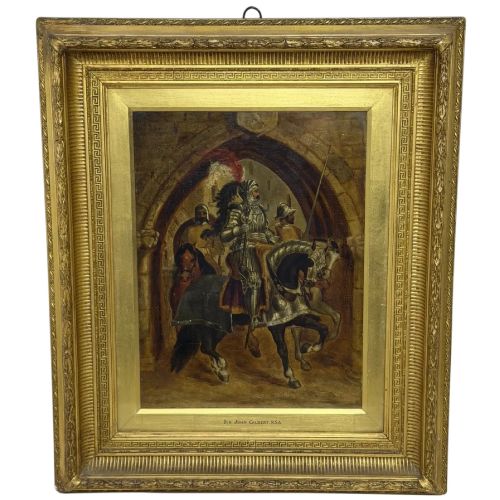
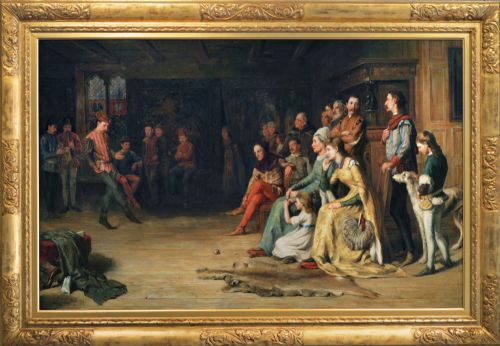
A renaissance oil painting encompasses original works, period copies, and later revival pieces depicting noble portraits, religious icons, and historical narratives. The selection ranges from authentic sixteenth-century Italian and Northern European compositions to nineteenth-century interpretations set within carved giltwood frames.
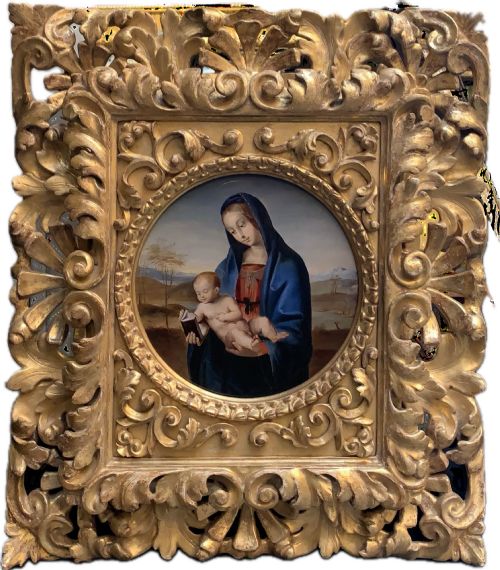
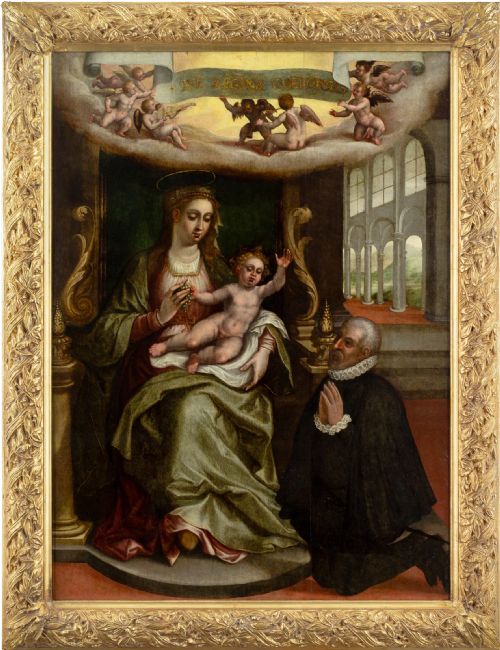
Buyers frequently encounter works executed in the manner of established masters, including depictions of the Madonna and Child, aristocratic portraits, and genre scenes. These pieces reflect the enduring influence of classical ideals across multiple centuries of artistic production.
Materials and Technique
The works utilise oil paint applied to canvas or wood panels, sometimes incorporating gold leaf highlights to enhance religious and portrait subjects. Artists built up transparent glazes over structured underpaintings to achieve depth in drapery and flesh tones.
Many surviving examples are housed in heavy, carved giltwood frames that complement the opulent character of the painted compositions. The support materials range from aged timber panels to finely woven canvas substrates.
Several portraits capture noblemen and noblewomen wearing stiff ruffs that look entirely uncomfortable yet endlessly distinguished.
Evaluating the Work
Quality rests in the precision of the brushwork, the handling of light and shadow, and the anatomical accuracy of the figures depicted. Superior examples demonstrate a careful balance of colour and texture that echoes the sophistication of the original period.
The depth of the composition and the integrity of the support material also distinguish finer works from more decorative later copies. A skilled hand in the execution of drapery and facial expression elevates a painting within its genre.
Pietro Fachetti·Gian Paolo Pace·Sir John Gilbert·Miguel Barroso·Paolo Veronese·Benvenuto Tisi·Scipione Pulzone·Giovanni Battista Moroni·Rosso Fiorentino·Hans Holbein·Cornelis Van Der Voort·Ambrious Benson·John Bettes the Elder·Frans Pourbus the Elder·Quentin Matsys
The Renaissance Oil Painting Glossary
- Oil paint
- A type of slow-drying paint consisting of pigment suspended in a drying oil, commonly linseed. This medium allowed artists to blend tones seamlessly and achieve rich luminosity.
- Giltwood
- Wood that has been treated with a thin layer of gold leaf or gilt powder. It is frequently seen on the ornate frames enclosing classical paintings.
- Canvas
- A heavy woven fabric used as a surface for oil painting. It replaced wood panels in many workshops for larger compositions.
- Renaissance Revival
- An artistic movement during the nineteenth century that drew inspiration from the art and architecture of the fifteenth and sixteenth centuries. Works from this period emulate earlier styles and techniques.
Renaissance Oil Painting: Frequently Asked Questions
What is a renaissance oil painting?
A renaissance oil painting is an artwork created in the style or period of the Renaissance, spanning from the fifteenth century onwards through various revival movements. These works often depict religious subjects, mythological scenes, and formal portraits using traditional oil techniques.
Buyers find both period originals and later nineteenth-century interpretations on canvas and wood panels. Each piece reflects the enduring fascination with classical balance and humanism.
How do I identify a period piece?
Identifying the age of a painting involves examining the canvas or panel preparation, the ageing of the pigment, and the style of the frame. Pigment analysis and the examination of craquelure help determine whether a work dates to the sixteenth century or a later revival.
Stylistic cues such as costume details, heraldry, and handling of light provide further clues to the era of creation. Many listings indicate whether a work is an antique copy or a period original.
Where were these paintings displayed?
Historically, these artworks hung in private chapels, noble residences, and civic buildings across Italy and Northern Europe. They served as expressions of piety, status, and cultural sophistication for wealthy patrons.
Today, similar works find places in domestic interiors, period drawing rooms, and private collections. Their presence adds historical weight and classical gravity to a room.
How should I care for a canvas painting?
Canvas paintings require stable environmental conditions with moderate humidity and temperature to prevent the wood stretcher and canvas from warping. Direct sunlight should be avoided to protect the oil pigments from fading or discolouring over time.
Dusting should be performed gently with a soft, dry brush by someone experienced in handling fine art. Professional conservation is recommended for any major cleaning or restoration work.