




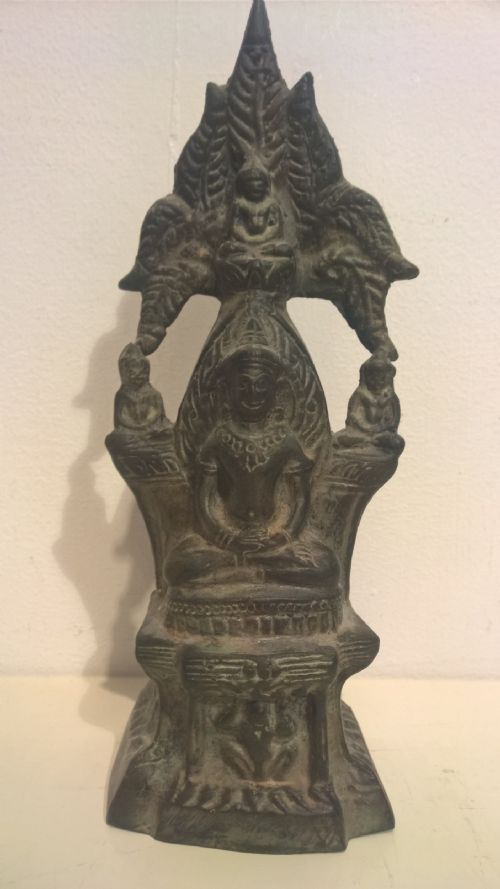
Religious Metal Icon
These pieces known as religious metal icon examples span centuries of faith, bringing cast bronze, brass, and enamel figures directly to your collection.
Religious Metal Icon
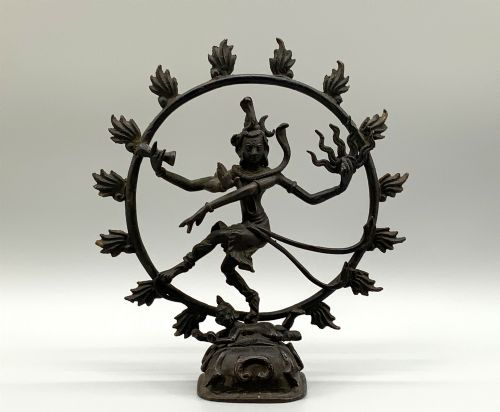
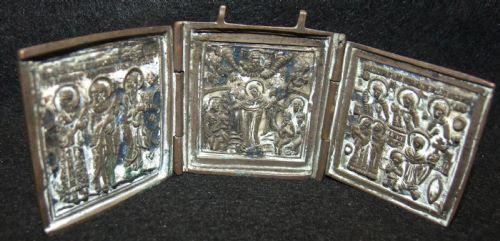
When you search for a religious metal icon, you enter a diverse world of devotional sculpture and sacred art spanning multiple traditions. The selections here range from cast bronze Hindu deities and Thai Buddha figures to Russian Orthodox folding triptychs and crosses.
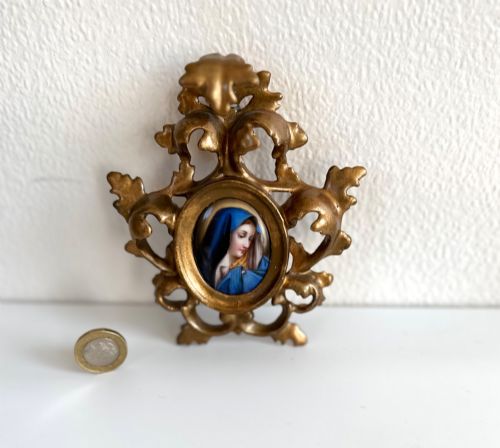
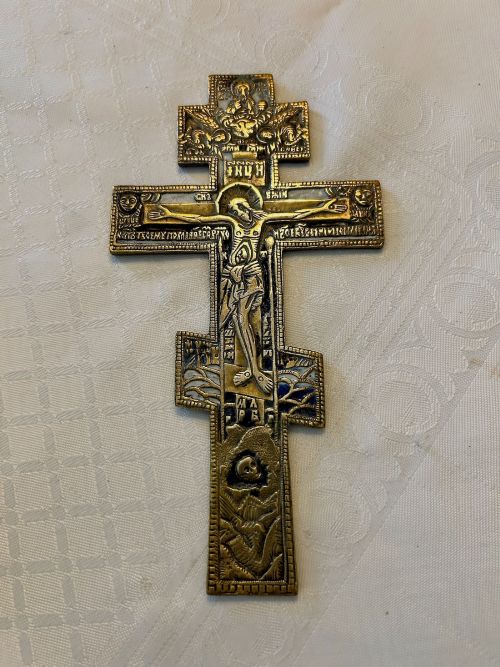
You are most likely to meet 19th-century Russian bronze and enamel pieces alongside South Asian and Southeast Asian bronzes on this page. Forms vary from miniature portraits and wall plaques to large statues, crucifixes, and framed icons in metal oklads.
The origins stretch from European workshops to Java, Thailand, and India, reflecting centuries of diverse religious devotion. Collectors encounter everything from cast brass folding travel icons to silver and copper alloy figures mounted on wood panels.
How they were made
Metal icons and figures are primarily produced through casting techniques, utilising bronze, brass, copper alloy, and silver. Artisans shape these metals into intricate deities, crosses, and relief panels, often enhancing them with blue enamel or gilding.
Many examples combine metalwork with other traditional media, such as tempera paint applied to wood panels beneath metal oklads. The combination of cast metal with wood, gilt, and enamel defines the construction across Russian, Asian, and Victorian pieces.
Listings feature periods spanning from pre-16th century Asian casting up to 1940 Art Brut, with a strong focus on 19th-century Russian metalwork.
What varies in quality
The integration of materials also dictates the standing of a piece, particularly where metal oklads meet painted wood panels or where gilding remains well preserved. Age, patination, and the complexity of the iconographic design further distinguish finer examples.
The Religious Metal Icon Glossary
- Triptych
- A three-panel folding icon hinged together for travel or devotional use. These metal folding pieces often feature intricate enamel work and multiple saints.
- Bronze
- A copper alloy traditionally utilised for casting durable sculptures and religious figures. It develops a rich patination over centuries.
- Tempera
- A permanent, fast-drying painting medium consisting of coloured pigments mixed with a water-binder. It frequently appears on wood panels beneath metal icon frames.
Religious Metal Icon: Frequently Asked Questions
What is a metal icon?
A religious metal icon is a devotional object cast in bronze, brass, or copper alloy, often decorated with enamel or gilding. These pieces serve as focal points for prayer and meditation across various global traditions.
They take many physical forms, including folding travel triptychs, wall plaques, crucifixes, and freestanding deity figures. The metal construction ensures durability and allows for intricate relief work.
How were folding travel icons used?
Folding travel icons were designed for portable devotion, allowing travellers and soldiers to carry their faith with them. The hinged panels protected the sacred imagery when closed.
When opened, the triptych or diptych provided a small altarpiece for prayer wherever the owner happened to rest. Their compact metal construction made them resilient enough for frequent journeys.
How do you date a bronze icon?
Dating a bronze icon involves examining the casting technique, the style of the iconography, and the natural patination of the metal. Different periods and regions employed distinct casting methods and artistic conventions.
Comparative analysis with known examples from specific eras, such as 19th-century Russian workshops or earlier Asian dynasties, helps establish the correct timeframe.