




Folk Art Statuette
A folk art statuette brings direct hand-carved character into a room, capturing historical figures, animals and storybook subjects in wood, ceramic and iron.
Folk Art Statuette
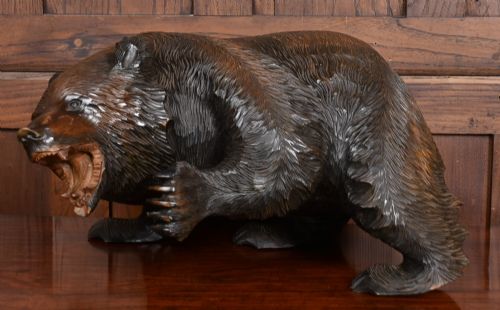
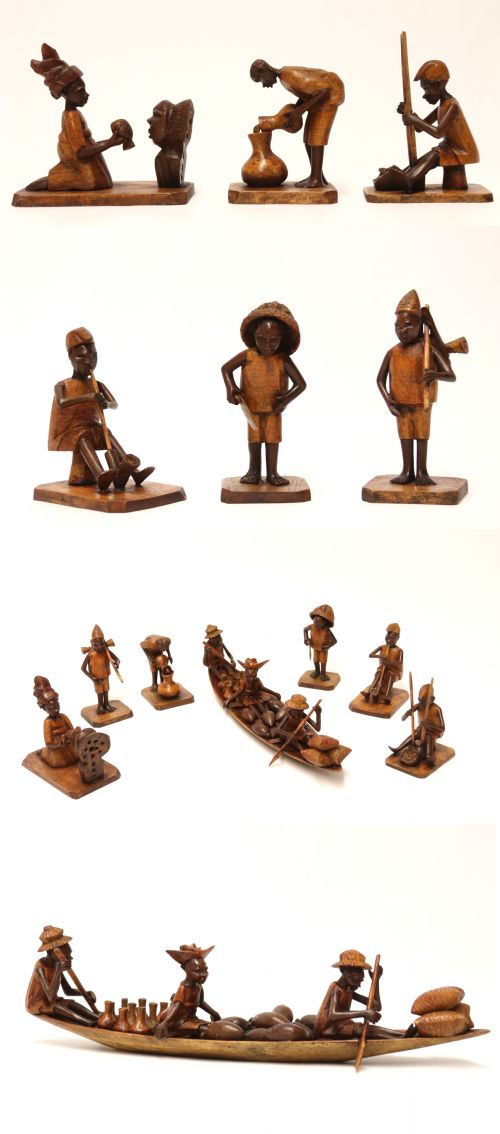
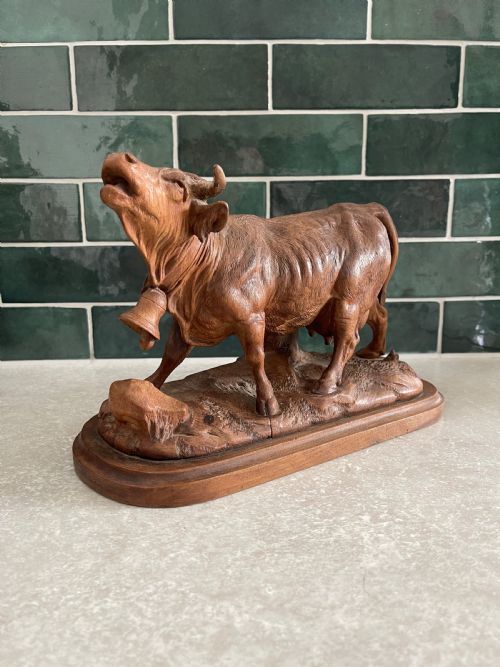
A folk art statuette encompasses hand-formed figures, animal carvings and character sculptures spanning the eighteenth century through to the mid-twentieth century. When exploring this selection, buyers encounter everything from Black Forest walnut carvings and Staffordshire pottery figures to Japanese carved wooden bears and Nigerian hardwood sculptures.
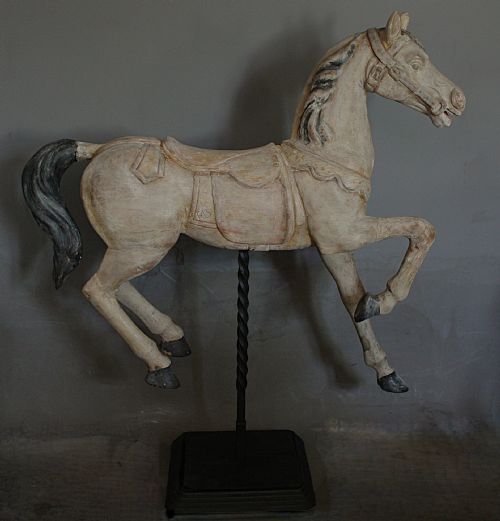
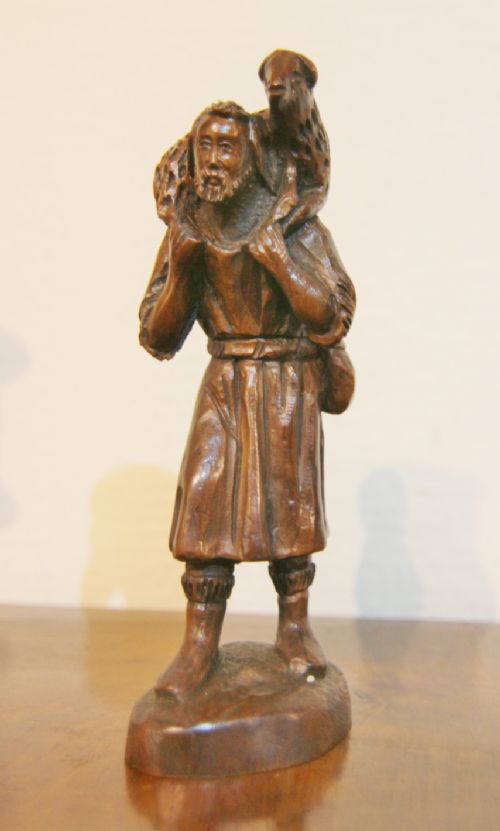
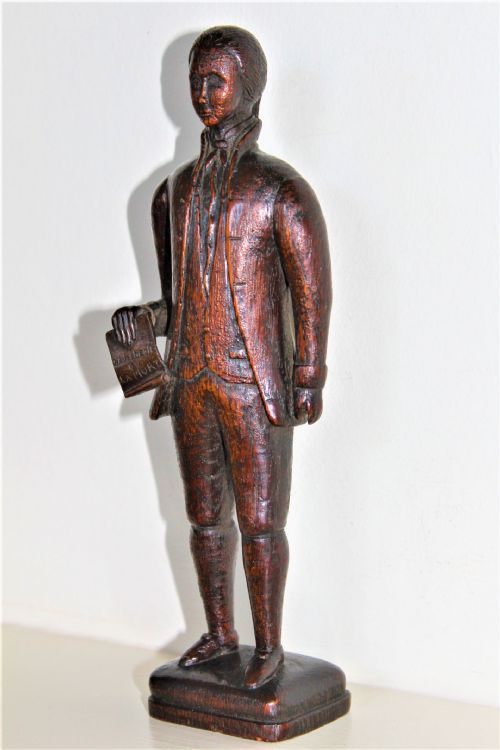
The regional variety runs from European decorative traditions to African folk art and Japanese craftsmanship, reflecting distinct local storytelling. Forms range from solitary literary and historical subjects such as Oliver Cromwell and William Tell to pastoral shepherds, flower sellers and carousel animals.
The materials deployed across these pieces include carved wood, hardwood, oak, earthenware, enamel and porcelain. Each statuette captures vernacular artistic expression rather than rigid academic convention, offering direct insight into period handwork.
How they were made
Makers shaped these statuettes primarily through hand-carving in various woods including walnut and oak, whilst others utilised earthenware, ceramic and porcelain. Polychrome paint finishes occasionally highlight details on carved wooden figures, adding surface depth to the natural grain.
Pottery examples relied on traditional moulding and hand-painting techniques typical of Staffordshire production and continental factories. Artisans worked within distinct regional vernaculars, whether producing Black Forest animal studies or African hardwood figures.
Listings feature items spanning the eighteenth century to the mid-twentieth century, utilising wood, earthenware, ceramic and porcelain.
What varies in quality
Material choice and preservation of original surface finishes also influence the standing of a statuette. Pieces retaining their original polychrome paint or undisturbed natural wood patination hold stronger visual presence than those with heavy later alterations.
Royal Copenhagen·Rozenburg
The Folk Art Statuette Glossary
- Black Forest carving
- Woodwork originating from the mountainous regions of central Europe, particularly known for realistic animal sculptures and literary subjects carved in walnut and lime. These pieces gained widespread popularity during the nineteenth century.
- Staffordshire figure
- Earthenware pottery sculpture produced in the English Potteries, typically depicting popular characters, animals and historical events. They were designed for domestic mantelpiece display.
- Art brut
- Art created from a raw, untrained perspective outside the academic tradition, encompassing primitive works and outsider art. Such pieces share aesthetic ground with traditional folk carving.
Folk Art Statuette: Frequently Asked Questions
What is a folk art statuette?
A folk art statuette is a small hand-carved or moulded figure created outside formal academic art traditions. These objects represent local cultural expressions, traditional stories, animals and historical personalities.
They appear in various media including carved hardwood, earthenware and porcelain, reflecting the specific regional craft methods of their makers.
How do I date an old statuette?
Dating relies on examining the material patination, tool marks left by the maker, stylistic conventions and any factory or maker marks present on the base. Nineteenth-century pieces often show distinct hand-carving techniques or period Staffordshire ceramic traits.
Comparing the subject matter and costume details against known historical periods helps narrow down the probable decade of creation.
Where should I display my statuette?
These figures suit placement on mantelpieces, bookshelves, side tables or dedicated display cabinets where their sculptural form remains clearly visible. Placing them away from direct sunlight protects vulnerable wooden surfaces and painted polychrome finishes from fading.
Grouping pieces of similar scale or material creates a cohesive display that highlights their varied regional characteristics.
Are wooden statuettes fragile?
Solid hardwood and oak carvings are generally robust, but protruding elements such as limbs, carved ears or delicate props require careful handling. Changes in environmental humidity can occasionally affect old timber.
Keeping pieces in stable indoor conditions prevents the wood from drying out or splitting over time.