
Relief Wall Plaque
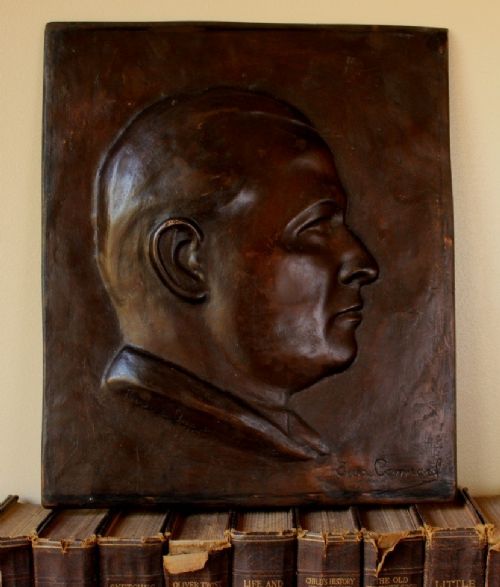
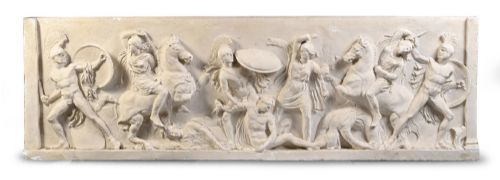
A relief wall plaque brings depth and texture to an interior, offering sculpted portraiture, classical mythology and carved ornament in bronze, wood or plaster.
Relief Wall Plaque
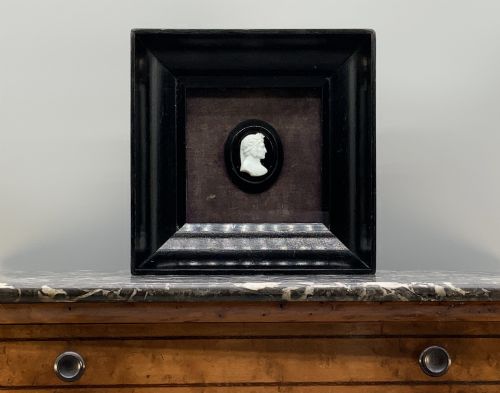
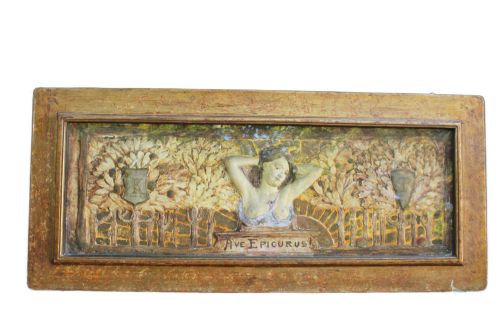
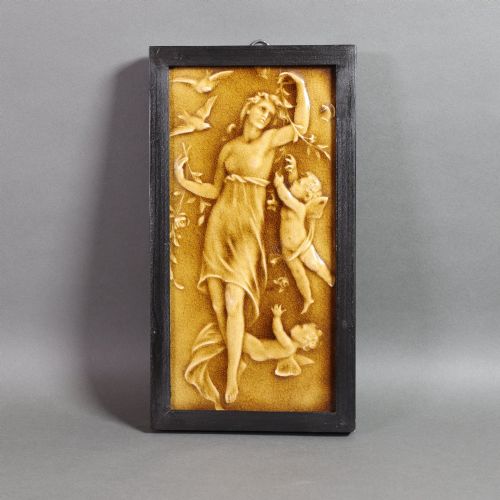
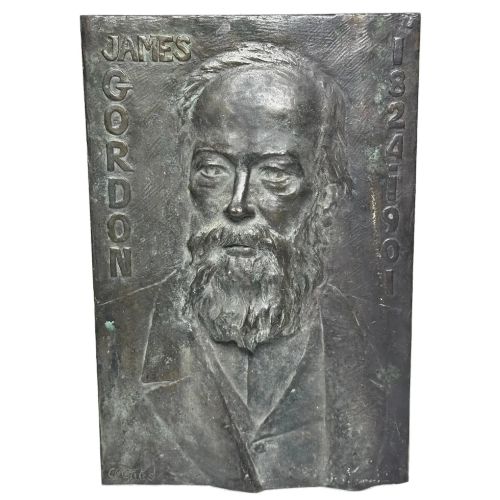
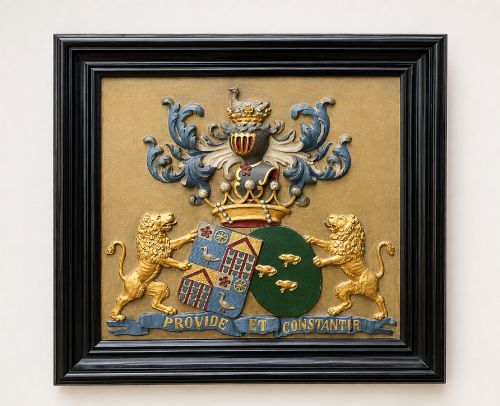
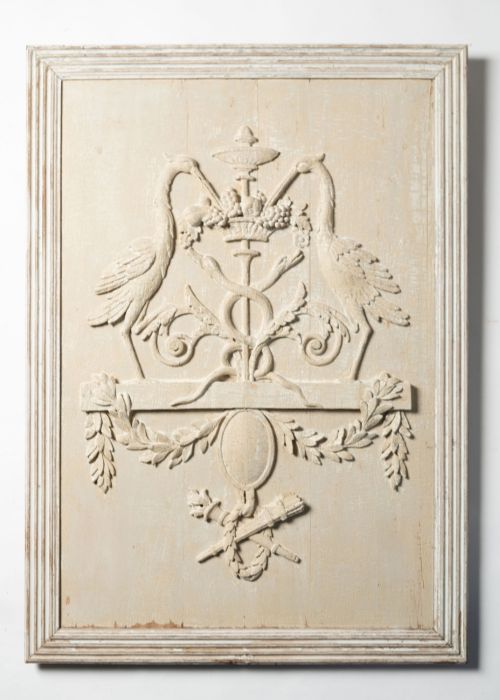
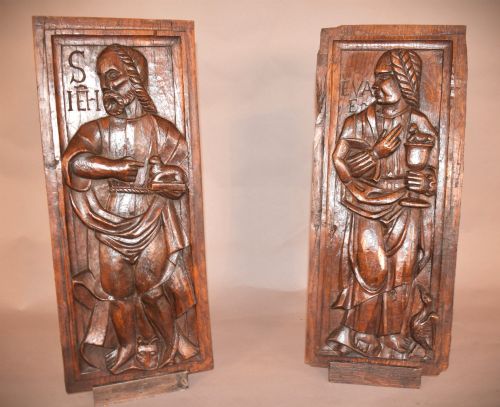
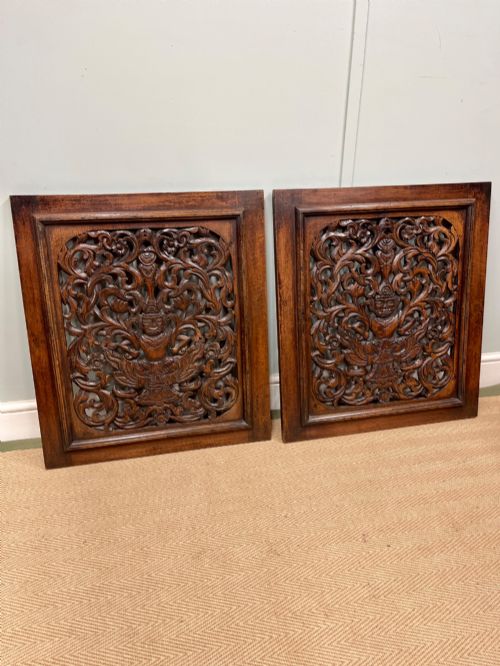
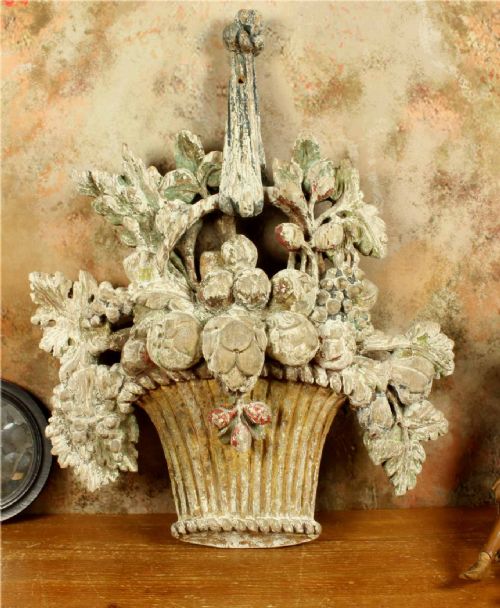
When searching for a relief wall plaque, collectors encounter a diverse range of sculptural panels, carved timber fragments and metal casts designed for display. These objects span multiple centuries, appearing in forms such as classical portraits, heraldic marriage plaques, religious scenes and architectural dioramas.
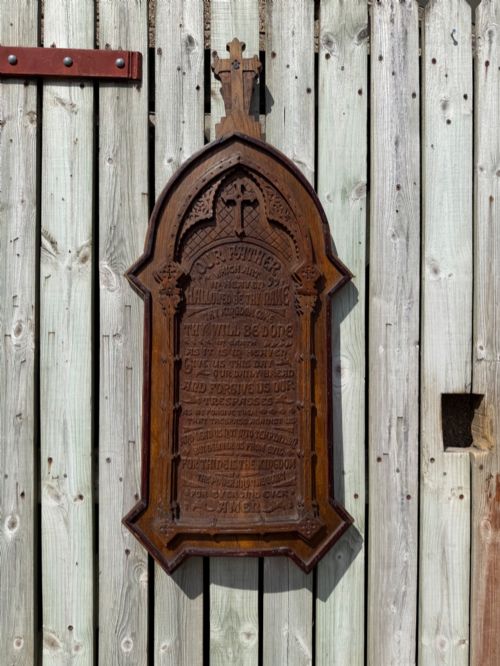
The most common examples on this page date from the nineteenth century, including Grand Tour souvenirs, Gothic Revival metalwork and Arts and Crafts plaster or tile pieces. Earlier centuries yield heavy carved oak and chestnut panels, while twentieth-century pieces introduce Art Nouveau copper and terracotta designs.
How they were made
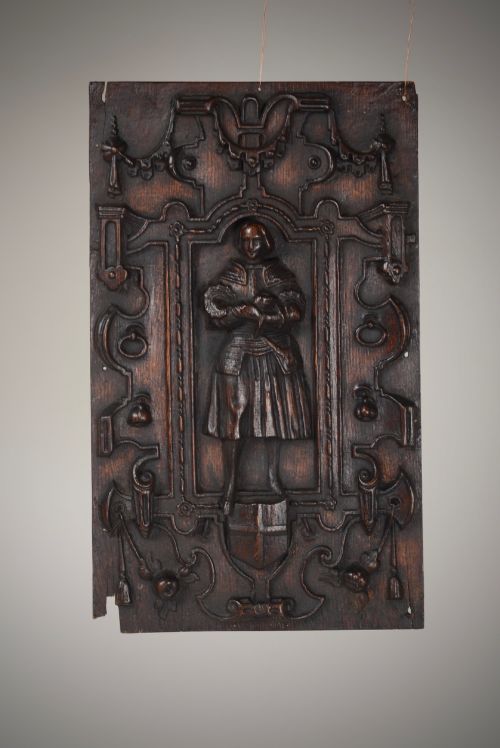
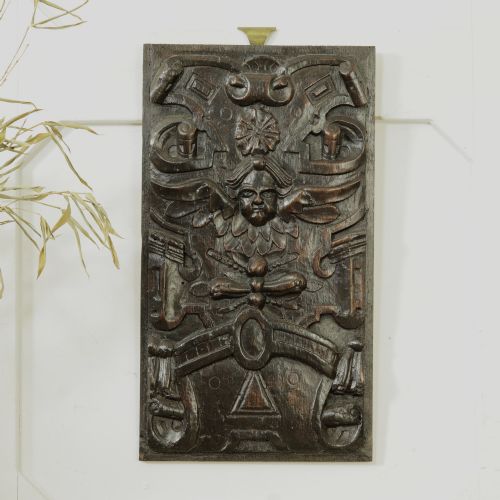
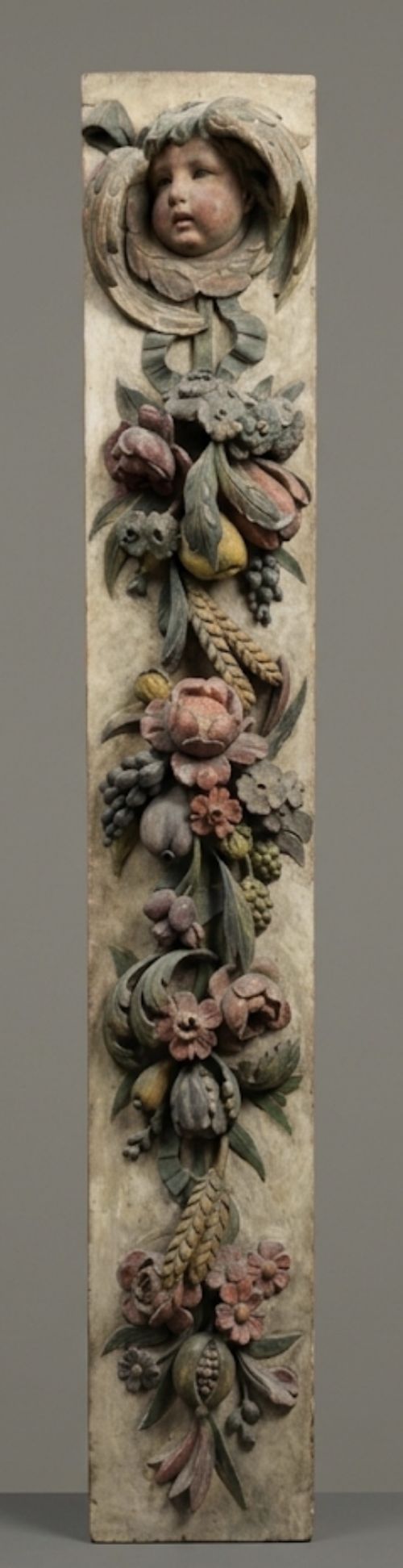
Carved wooden examples utilise timber such as oak, chestnut, fruitwood and timber framing, shaped with gouges and chisels to create deep pictorial or architectural relief. Some wooden panels retain traces of polychrome pigment, gilt wood or surface finishing.
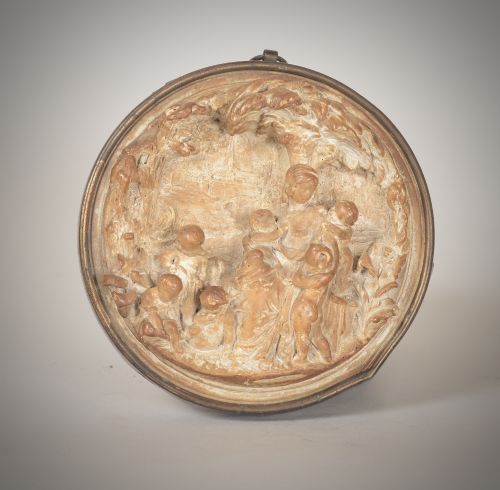
Metal and ceramic pieces rely on casting and moulding techniques, utilising bronze, copper, silver plating, terracotta, earthenware and plaster. Makers also carved materials such as stone, ivory and marble to achieve high-relief profiles and detailed figurative compositions.
Materials range widely across listings, encompassing carved oak, bronze, copper, terracotta, earthenware, plaster, ivory and marble.
What varies in quality
Quality rests upon the crispness of the modelling and the depth of the carving, distinguishing a fluid, master hand from a mechanical or generic production. The sensitivity of facial expressions, drapery folds and anatomical proportions dictates the artistic merit of figurative and portrait plaques.
Material selection and preservation also separate pieces, as well-aged patination on bronze and untouched surfaces on historic oak panels elevate the object. The sophistication of the composition, whether an intricate architectural diorama or a finely chased copper charger, marks the superior tier.
Eugene Canneel·Clement Messier·Mainfroy·Ernst Wahliss
The Relief Wall Plaque Glossary
- Relief
- A sculptural technique where figures or designs project from a flat background. High relief displays forms standing far out from the backing, whereas low relief keeps them shallow.
- Grand Tour
- A cultural journey undertaken by wealthy young Europeans in the eighteenth and nineteenth centuries. Travellers collected small artworks, including plaster and ivory portrait plaques, as mementos.
- Polychrome
- Decorated in multiple colours. Historic carved wooden panels and plaster plaques occasionally retain their original painted surfaces.
- Gothic Revival
- An architectural and decorative style drawing inspiration from medieval forms. Pieces often feature pointed arches, tracery and portraits of historical monarchs.
- Terracotta
- Fired clay used for sculptural relief plaques. This material allows artists to model expressive details before baking and glazing.
Relief Wall Plaque: Frequently Asked Questions
How do I hang a heavy wooden or bronze plaque?
Heavy plaques require secure wall fixings, such as sturdy picture wire attached to robust brackets or direct screw mounts into wall studs. Metal and carved wooden pieces carry significant weight and need professional wall anchors to ensure safety.
Check the reverse of the panel for existing hanging loops or channels before installation. Distributing the weight evenly prevents stress on the historic timber or metalwork.
Were these always meant for indoor display?
Most relief wall plaques were created for domestic interiors, private studies or ecclesiastical settings. Architectural fragments and stone carvings repurposed as wall art originated from exterior facades or furniture elements.
Displaying these objects indoors protects delicate materials like plaster, ivory and polychrome wood from moisture and temperature fluctuations. Keeping them away from direct sunlight preserves original pigments and finishes.
How should I clean an antique metal wall plaque?
Dust bronze and copper plaques gently with a dry, soft-bristled brush to remove surface particles. Avoid aggressive cleaning agents or metal polishes that strip away historical patination.
Preserving the aged surface maintains both the aesthetic character and the historical integrity of the piece. Consult a specialist conservator if deeper cleaning is required.
What is the difference between a panel and a plaque?
Panels generally originate as architectural elements, cabinet doors or furniture friezes, often carved from oak or chestnut. Plaques are typically self-contained sculptural works designed specifically for wall mounting.
Over time, many panels and tabletop fragments transition into wall art. Both categories offer similar sculptural qualities despite their distinct origins.