




Antique Marble Panel
These antique marble panel pieces range from carved Italian reliefs to inlaid pietra dura plaques, bringing enduring stone craftsmanship directly into your rooms.
Antique Marble Panel
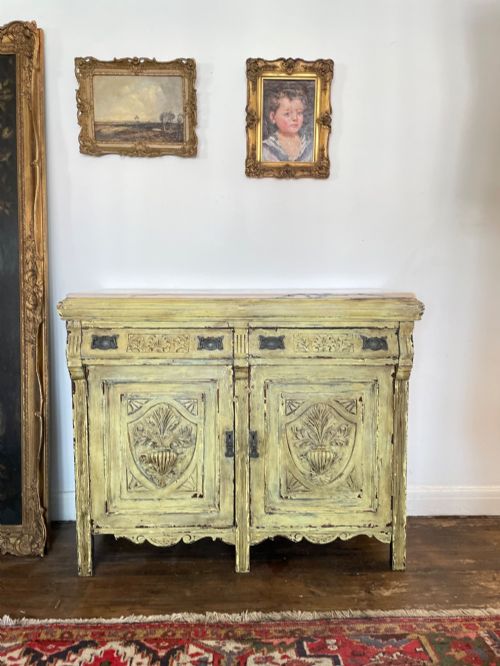
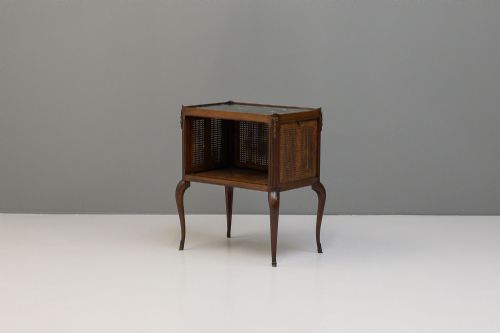
An antique marble panel represents a diverse group of items spanning wall plaques, memorial stones, relief sculptures, and inset surfaces found on cabinets and tables. When searching for an antique marble panel, buyers encounter both standalone artworks intended for wall display and structural slabs integrated into French or Italian furniture.
The materials and origins stretch across nineteenth-century European workshops, featuring Italian pietra dura works, Derbyshire Ashford pieces, and French cabinet tops. These objects take the form of flat decorative plaques, cartouche shapes, and deep sculptural reliefs depicting figures, animals, and architectural motifs.
Materials and execution
The construction relies on hard stone cutting, precision inlay, and sculptural carving executed in white marble, Sienna marble, and Welsh slate. Artisans combined contrasting mineral specimens to build up pictorial scenes, securing thin stone sections into supportive bases of wood or slate.
Surface finishing involved meticulous hand polishing to bring out the natural veining and varied colours of the stone. Relief carvings were chiselled directly from solid blocks, while pietra dura works utilised tightly fitted micro-mosaics and inlaid stone sections.
The selection includes nineteenth-century Italian and French examples, incorporating materials such as white marble, Sienna marble, and Welsh slate alongside wooden furniture mounts.
Evaluating craftsmanship and stone
Quality rests primarily on the precision of the stone cutting and the artistic merit of the composition. Pieces featuring intricate pietra dura work or deep sculptural relief demonstrate superior workshop skill compared to simpler geometric slabs.
Kasper Hendrik Roskam
The Antique Marble Panel Glossary
- Pietra dura
- An Italian technique of inlaying cut and fitted polished coloured stones to create pictorial images. This method produces durable works with smooth, flush surfaces.
- Relief sculpture
- A sculptural technique where figures or designs project from a flat background. These pieces are carved directly out of solid marble or slate.
- Micro-mosaic
- A decorative art form using tiny coloured glass or stone tesserae to form highly detailed miniature pictures. Such panels often appeared in nineteenth-century souvenirs.
- Ashford marble
- A Derbyshire decorative stone formed from dark limestone and inlaid with coloured minerals in floral or geometric patterns. It gained prominence during the nineteenth century.
- Cartouche
- An ornamental tablet or panel frame, often with a curved or scroll-like outline. This shape frequently houses central pictorial or mosaic panels.
Antique Marble Panel: Frequently Asked Questions
How do I hang a heavy marble wall panel safely?
Wall panels require sturdy fixing brackets anchored directly into solid masonry or wall studs to support the substantial weight of the stone.
Consult a professional installer to ensure the hanging hardware matches the specific weight and dimensions of your particular marble piece.
How do I clean an antique marble panel?
Dust the surface gently with a soft, dry cloth to remove everyday particles without scratching the polished stone. Avoid harsh chemical cleaners, acidic substances, or excess water that can penetrate unsealed areas.
For stubborn grime, use a damp cloth with mild soap, followed immediately by thorough drying with a clean towel.
What is the difference between pietra dura and micro-mosaic?
Pietra dura utilises precision-cut slices of natural coloured stone fitted together to form pictorial designs. Micro-mosaic employs tiny individual pieces of glass or stone tesserae assembled in cement to create detailed miniature images.
Both techniques appeared frequently on nineteenth-century decorative panels and tabletop surfaces.