




Relief Carved Bronze
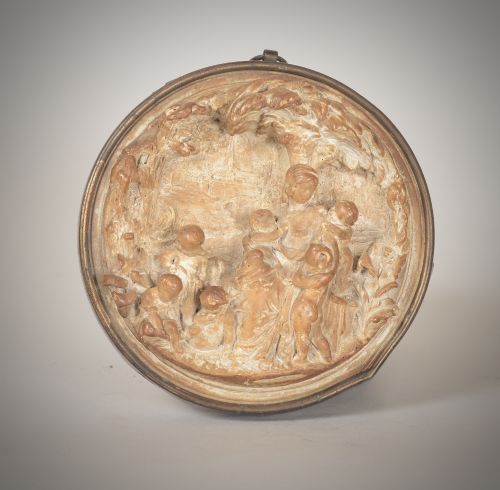
Relief carved bronze brings rich three-dimensional texture to metalwork, offering striking display pieces that anchor a room.
Relief Carved Bronze
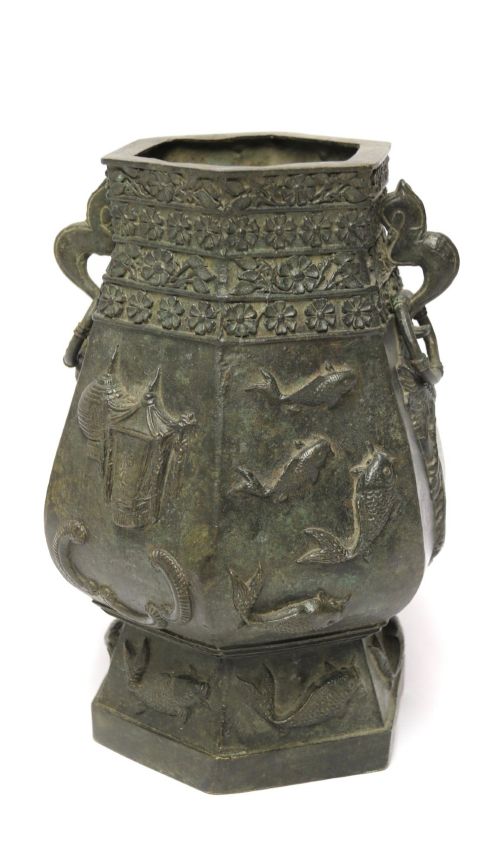
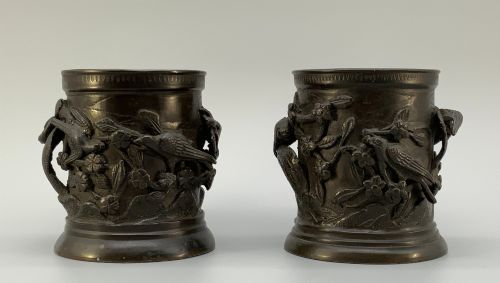
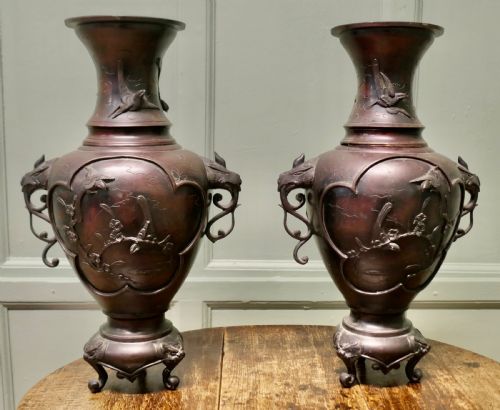
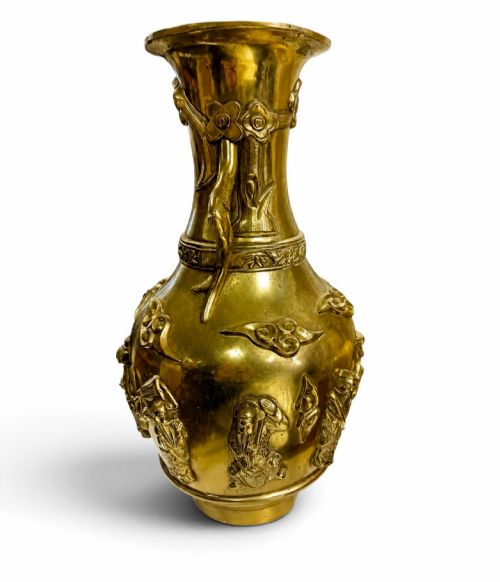
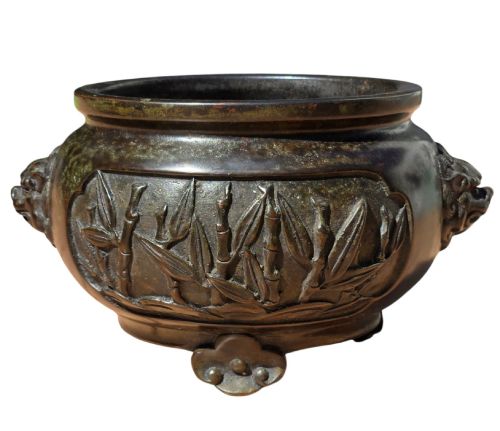
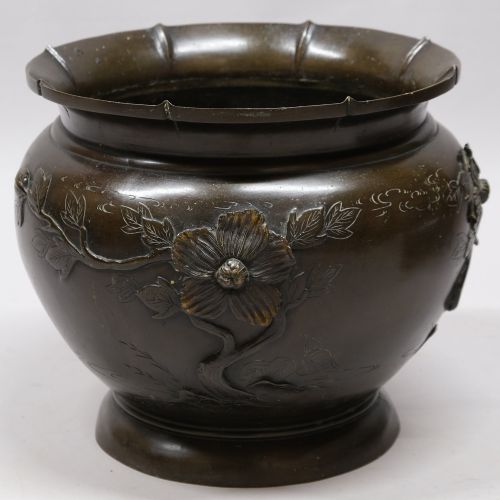
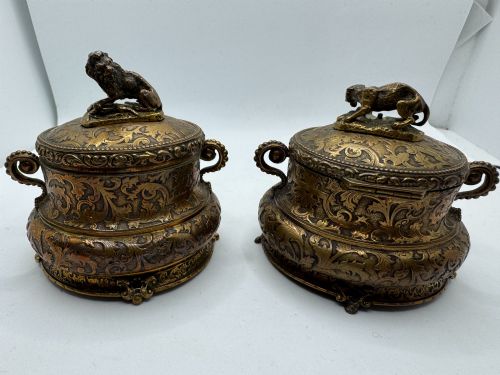
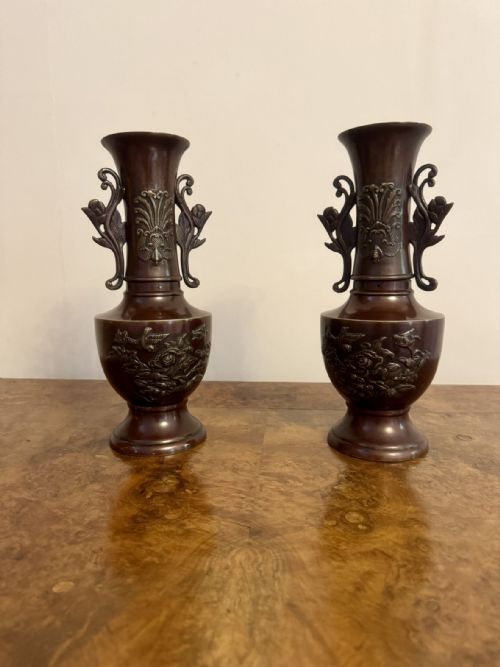
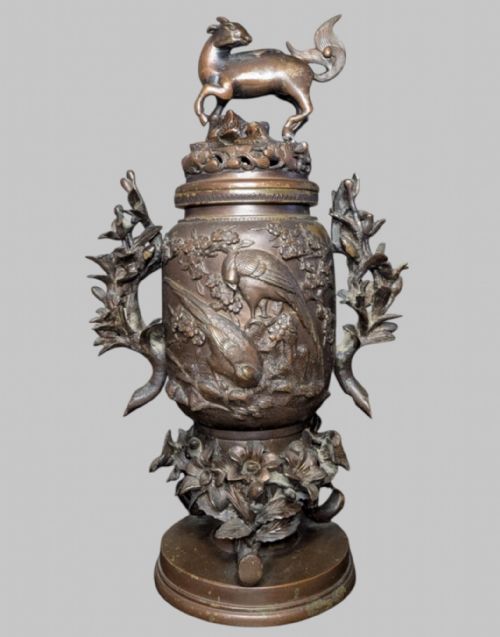
Relief carved bronze encompasses decorative vases, jardinieres, and urns originating from 19th-century Japanese Meiji and Chinese Export traditions. These heavy vessels display raised metallic ornament across their surfaces, utilising patinated bronze and occasional enamel highlights.
The objects span Victorian periods alongside Eastern eras such as the Edo and Qing dynasties, reflecting cross-cultural aesthetic exchanges during the late 19th century. Buyers frequently encounter Japanese Meiji period baluster vases and large Chinese bronze planters among these listings.
Forms range from intimate posy vases to substantial jardinieres weighing multiple kilograms. Each piece serves primarily as a decorative vessel, utilising traditional casting and carving methods to create depth.
How these pieces were made
Artisans formed these objects primarily using bronze and patinated bronze, occasionally incorporating brass and enamel for colour variation. The metal was cast before craftsmen applied intricate relief carving directly onto the surface.
Techniques relied on traditional foundry methods native to 19th-century Japanese and Chinese workshops. Surface finishes were achieved through chemical patination, creating dark tones that emphasise the raised motifs.
Relief Carved Bronze Retail Price Guide 2026
Typical asking prices for relief carved bronze among the pieces listed under this phrase on Sellingantiques today, from the lower quarter to the upper quarter. They describe what is for sale here now, not the wider market.
Some heavy bronze pairs scale over three kilograms, proving that 19th-century artisans took weight seriously.
What varies in quality
Quality reveals itself in the crispness and depth of the relief carving across the bronze surface. Superior examples demonstrate meticulous hand-finishing where every raised detail remains sharp and well-defined.
The weight, scale, and overall compositional balance separate standard production vessels from exceptionally large or finely worked display pieces. Integrated enamel details and sophisticated patination further elevate the status of individual items.
The Relief Carved Bronze Glossary
- Jardiniere
- A large decorative pot or planter designed to hold growing plants. These heavy vessels often feature substantial bronze casting and detailed relief work.
- Patinated bronze
- Bronze that has undergone chemical treatment to produce a specific surface colour or aged finish. This process highlights the raised areas of relief carvings.
- Baluster
- An architectural term describing a vase with a rounded body tapering to a narrow neck. This classic silhouette provides an ideal canvas for surface carving.
- Enamel
- Vitrified glass material fused to metal surfaces for decoration. It adds bright colour contrast against dark patinated bronze.
Relief Carved Bronze: Frequently Asked Questions
What is relief carved bronze?
Relief carved bronze refers to metal vessels featuring designs that project outward from the background surface. Artisans cast and carved these pieces during the 19th century in Asian and European workshops.
These items primarily take the form of vases, urns, and jardinieres designed for ornamental display. The technique creates a tactile, three-dimensional effect across the bronze.
Where do these pieces come from?
The listings show origins spanning Japanese Meiji period workshops and Chinese export traditions. Many pieces reflect late 19th-century aesthetic exchanges.
Victorian era collectors eagerly acquired these imported works for British homes. They represent a distinct period of cross-cultural artistic production.
How heavy are bronze vases?
These vessels are substantial, with larger pairs weighing several kilograms. The solid bronze construction ensures they remain stable when displayed.
Buyers should account for this notable weight when selecting display locations. The heavy metal content reflects traditional manufacturing standards.
How do I clean patinated bronze?
Patinated bronze requires gentle dusting with a soft, dry cloth to protect the chemical finish. Avoid using metal polishes or abrasive cleaners that strip the patina.
Preserving the original surface maintains the historical integrity of the piece. Regular maintenance simply involves keeping the carved details free from dust.