



Regional Rustic Dining Chairs
Regional rustic dining chairs bring honest country craftsmanship and tactile vernacular charm directly to the modern interior.
Regional Rustic Dining Chairs
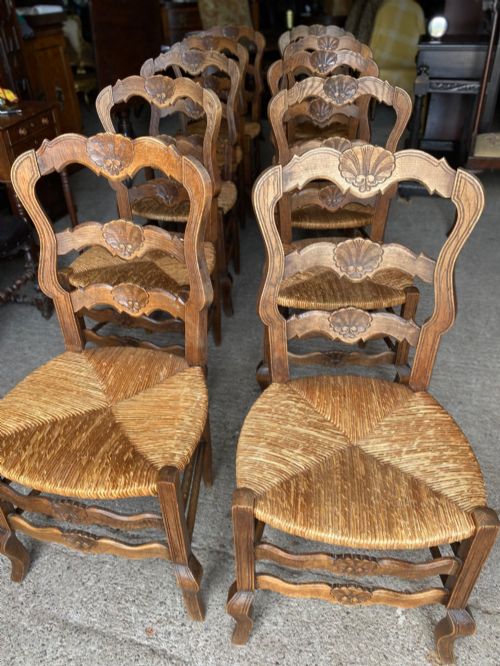
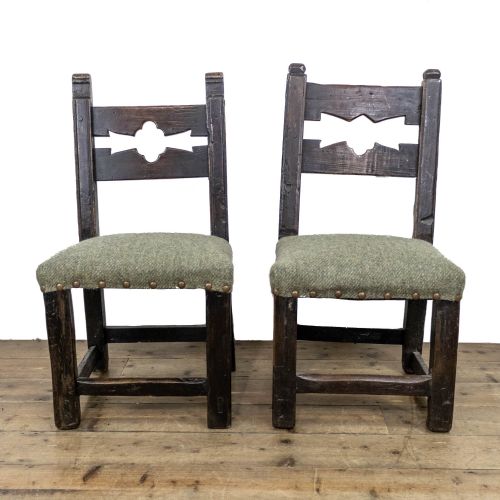
Buyers meet a diverse array of configurations on this page, including sets of farmhouse kitchen chairs, ladder backs, spindlebacks, and Windsor stick backs. Armchairs, side chairs, and elbow seats appear alongside smaller sets and individual hall chairs.
The aesthetic is defined by unpretentious utility, often incorporating rush seating, turned wooden components, and regional idioms unique to places like Shropshire, Yorkshire, Sussex, and Lancashire.
How They Were Made
Local makers utilised accessible regional timbers, predominantly combining robust ash and elm for frames, alongside beech and oak. Seat construction frequently employed woven rush or solid timber planks.
Joinery relied on traditional methods suited to rural workshops, such as pegged joints, turned spindles, and stick-back construction. Some examples display historic painted finishes applied directly to the wood.
What Varies in Quality
Quality rests on the integrity of the regional construction and the survival of original surfaces, such as early paint or patinated timber. Cohesion within assembled sets determines their visual balance around a table.
Finer examples display deliberate proportions and crisp turning on ladder backs or spindlebacks, whereas simpler utility chairs prioritize sturdy practicality over decorative refinement.
The Regional Rustic Dining Chairs Glossary
- Vernacular
- Everyday objects built by local craftspeople using regional traditions rather than high-style metropolitan designs. This approach dictates the honest character of country seating.
- Windsor
- A chair style featuring a solid wooden seat into which the legs and stick-back spindles are directly tenoned. These pieces often incorporate a bowed top rail.
- Spindleback
- A chair back constructed from a series of thin, turned vertical wooden rods. This lighter framing method appeared frequently in Lancashire and other rural workshops.
- Rush
- Dried marsh grass twisted into cords and woven tightly to form a durable seat base. It provides a textured contrast to the wooden frame.
- Ladder back
- A chair back featuring multiple horizontal wooden slats or rails between the vertical rear posts. This regional form became a staple of farmhouse dining.
Regional Rustic Dining Chairs: Frequently Asked Questions
How do I mix regional rustic dining chairs?
Mixing different regional styles, such as pairing ladder backs with Windsor stick backs, creates an authentic country interior. Focus on matching seat heights and similar timber tones to maintain visual harmony around the table.
Embrace slight variations in turnings and proportions as evidence of independent local workshops. A cohesive palette of materials like elm and ash ties disparate country chairs together effectively.
Are rush seats durable for daily dining?
Woven rush seats offer surprising strength and flexibility for everyday use. Generations of rural families relied on this traditional material for daily dining without issue.
Protect the weave by avoiding excessive moisture and placing cushions if heavy daily wear is expected. Natural rush ages gracefully with use, developing a rich amber patina over the decades.
How do I identify different regional chair types?
Regional styles often reveal themselves through specific framing details, such as the curved comb-backs of Windsor chairs or the stacked horizontal slats of ladder backs. Local preferences dictated whether makers used spindlebacks or solid splats.
Provenance markers sometimes appear in the choice of timber, with northern workshops frequently favouring ash and elm. Comparing the turning style of legs and stretchers helps distinguish between traditions like Lancashire and Yorkshire work.
Can I use armchairs at the table ends?
Placing regional armchairs or elbow seats at the head of a dining table creates a traditional focal point. Ensure the arm height clears the underside of your table surface before arranging them.
These larger seats offer a comfortable alternative to standard side chairs during long meals. Their sturdier proportions balance the simpler forms running along the table sides.