

Regional Country Chair
A regional country chair brings tactile honesty and sturdy local craftsmanship into a room.
Regional Country Chair
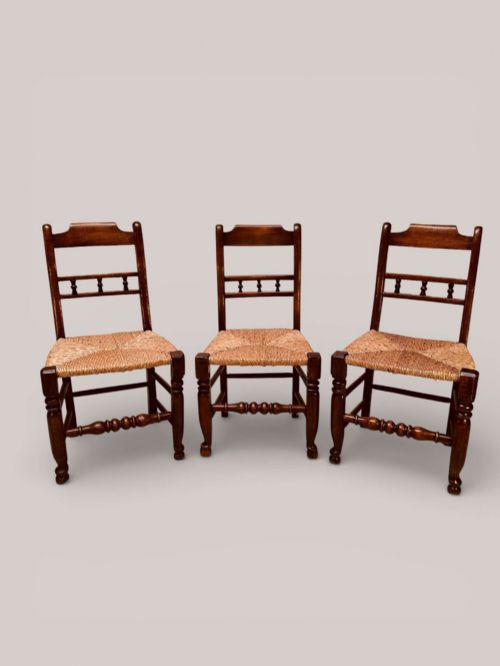
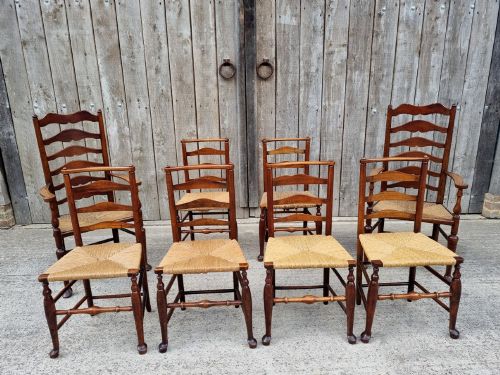
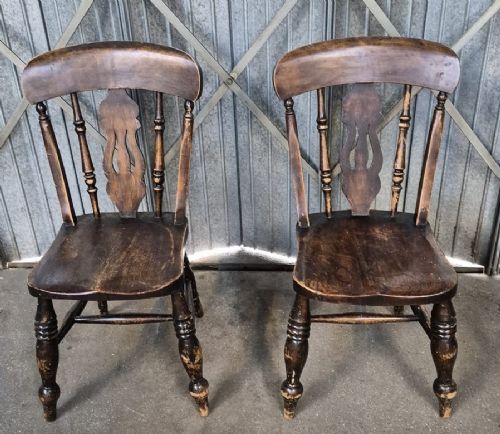
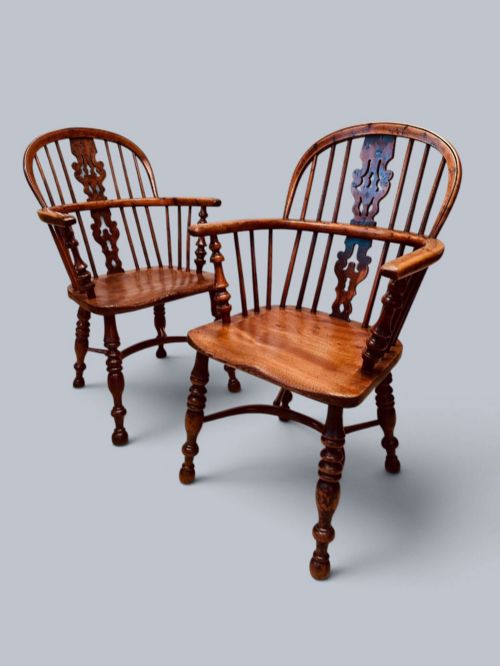
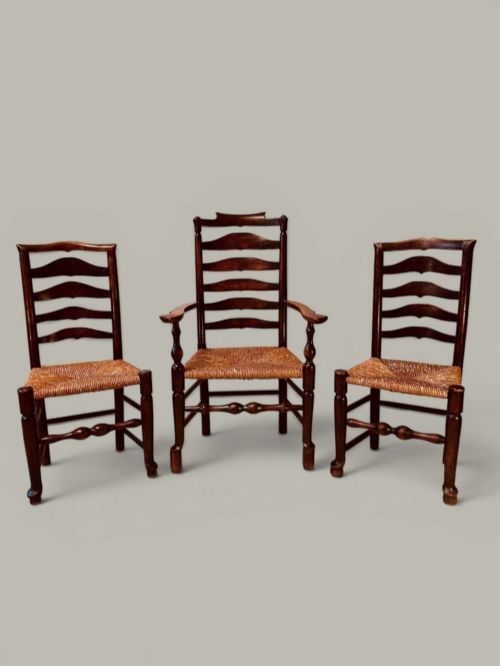
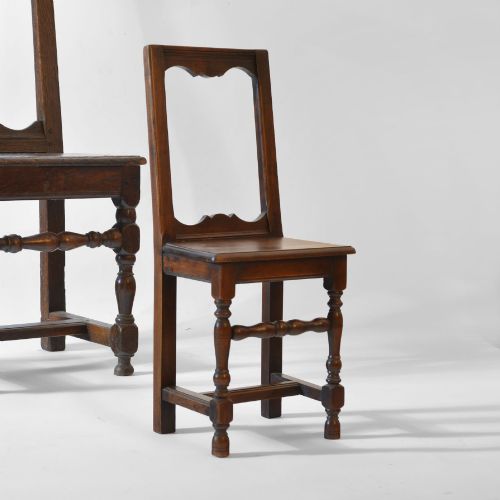
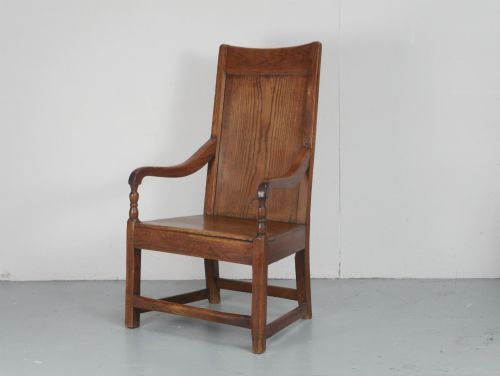
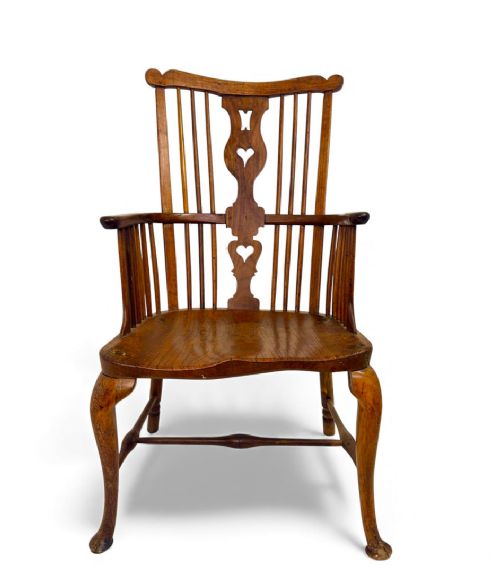
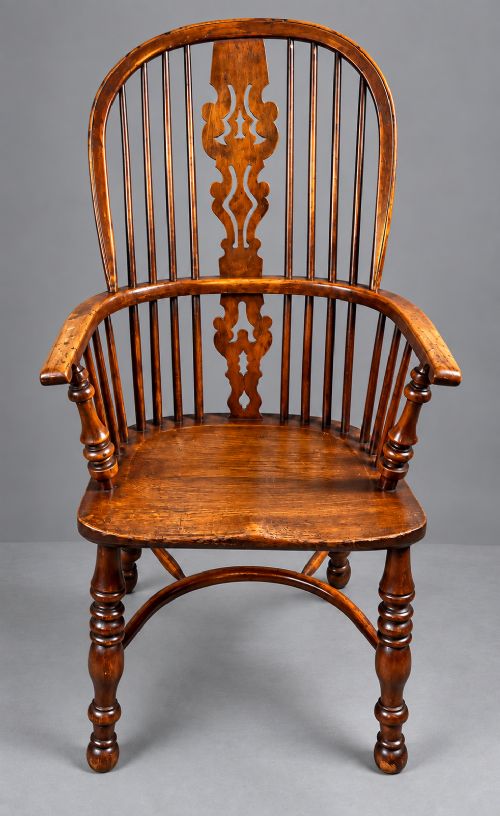
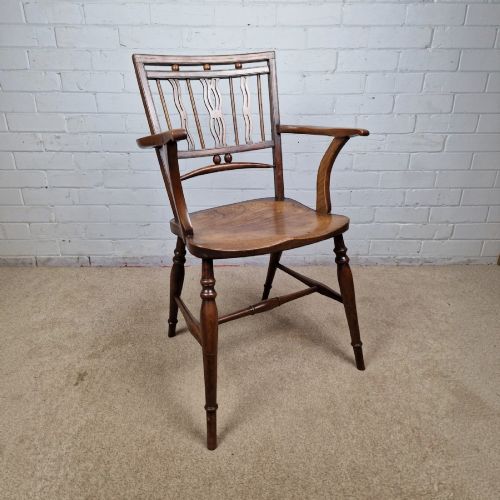
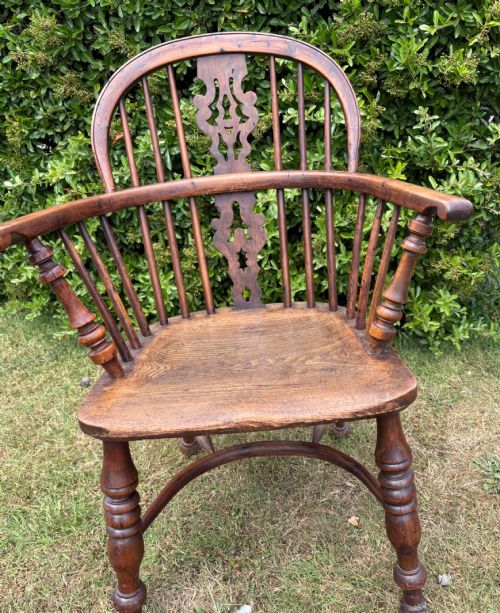
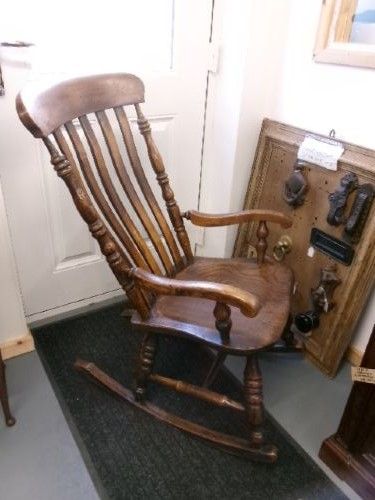
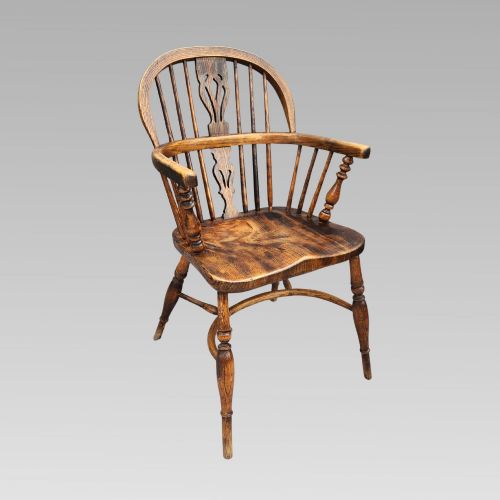
A regional country chair embodies the vernacular woodworking traditions of Britain, spanning from seventeenth-century oak wainscot forms to nineteenth-century Windsor and ladder-back dining sets. When searching for a regional country chair, buyers encounter diverse local iterations including Thames Valley wheelbacks, Mendlesham armchairs, and Yorkshire farmhouse rockers.
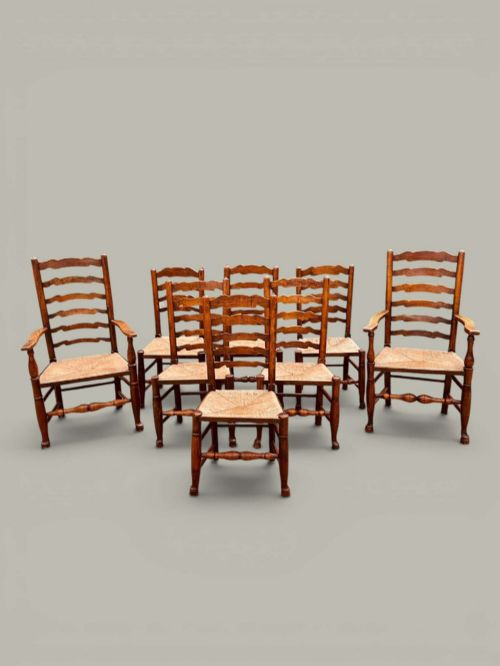
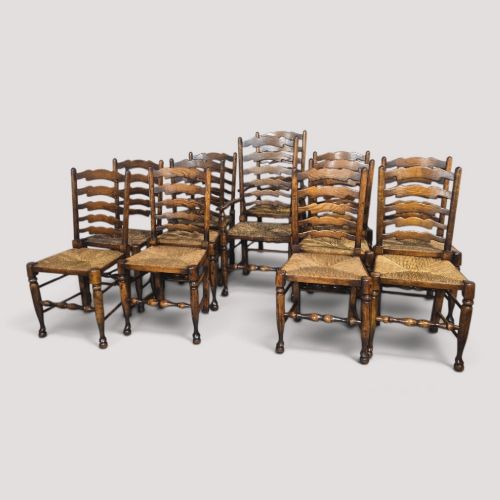
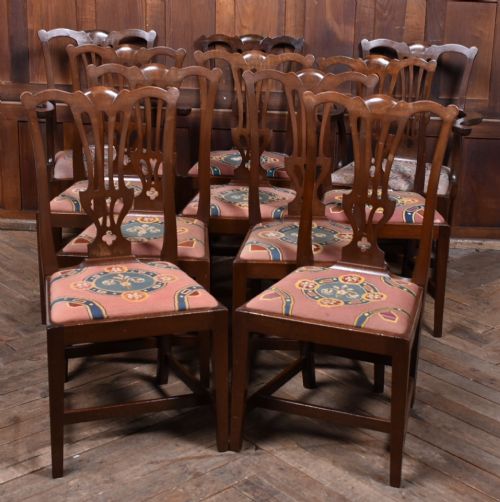
Makers shaped these utilitarian seats using locally available timber such as elm, ash, yew, and fruitwood, often combining woods within a single piece like a yew bow and an elm seat. Forms range from children's lambing chairs and low-back Windsors to sets of Lancashire or French dining chairs.
The selection on this page demonstrates broad chronological depth, stretching from the late seventeenth century through the Georgian and Regency eras into the Victorian and Edwardian periods. Regional variations define the stock, highlighting specific districts like the West Country, East Anglia, and Worksop.
Materials and construction methods
Cabinet makers and bodgers built regional country chairs by matching specific timbers to structural demands, pairing tough ash or beech for spindles and legs with dense, figured yew or carved oak for arms and crest rails. Elm provided a stable, split-resistant material for carved solid seats and dished Windsor bases.
Techniques relied on traditional joinery such as wedged through-tenons, steam bending for hoop backs, and rush or solid timber seating. Artisans shaped components using drawknives and pole lathes, securing joints with simple pegged or wedged construction rather than metal fasteners.
Regional Country Chair Retail Price Guide 2026
Typical asking prices for regional country chair among the pieces listed under this phrase on Sellingantiques today, from the lower quarter to the upper quarter. They describe what is for sale here now, not the wider market.
The listings here span eight distinct periods, running from the 17th century through Edwardian production.
Qualities that distinguish the best examples
Quality in a regional country chair rests upon the harmony of proportions, the integrity of the original timber patina, and the retention of crisp turned details on spindles and legs. Sophisticated comb-back or bow-back profiles, combined with substantial burr yew or rich fruitwood grain, elevate specific regional pieces.
The degree of original surface wear and the absence of extensive structural replacement separate honest vernacular seating from heavily restored examples. Markers of superior workshop output include stamped maker attributions and complex regional bracing, such as crinoline stretchers.
Gabbitass Worksop·John Brand of Sleaford·Duncan McKellar of Fenwick·Wheelers of Arncroach·John Moss Worksop
The Regional Country Chair Glossary
- Windsor chair
- A chair built with a solid wooden seat into which the legs and back spindles are direct-inserted rather than connected to a framed chassis.
- Wainscot chair
- An early seventeenth-century heavy wooden armchair constructed with panelled backboards and turned supports.
- Lambing chair
- A high-backed vernacular seat traditionally featuring solid sides or wings to shield the sitter from draughts near a hearth.
- Spindle back
- A chair back constructed from a series of turned vertical wooden rods secured between a top rail and the seat.
- Rush seat
- A woven seating surface made from dried marsh grasses twisted into cords and hand-woven around the chair rails.
Regional Country Chair: Frequently Asked Questions
What defines a regional country chair?
A regional country chair is a vernacular seating piece constructed outside major metropolitan centres, utilising local timber traditions and distinct local joinery styles.
These pieces reflect the specific needs of rural households, farmhouses, and regional workshops across Britain over several centuries.
Where were these chairs made?
These chairs originated in rural workshops across various British districts, including the Thames Valley, Yorkshire, East Anglia, and the West Country.
Specific towns and local makers developed distinct stylistic markers that allowed contemporary users to identify their geographical origin.
How do I care for antique wood?
Maintain antique wooden chairs by keeping them away from direct heat sources and rapid humidity fluctuations that can cause timber to split.
Apply traditional beeswax periodically to nourish the surface and preserve the historic patina without damaging the finish.