
Regency Wooden Pedestal
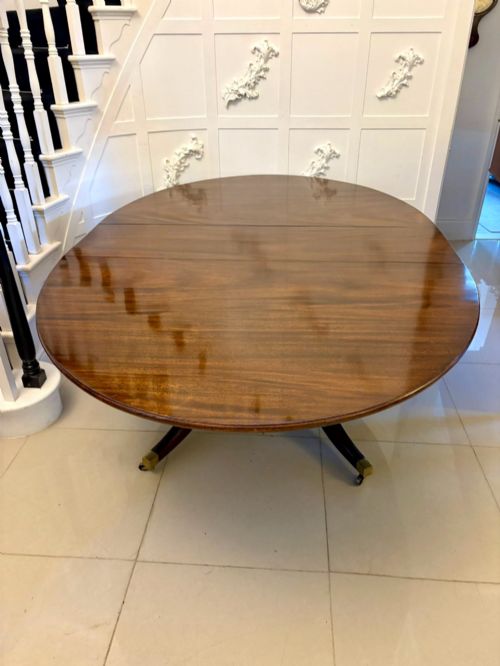
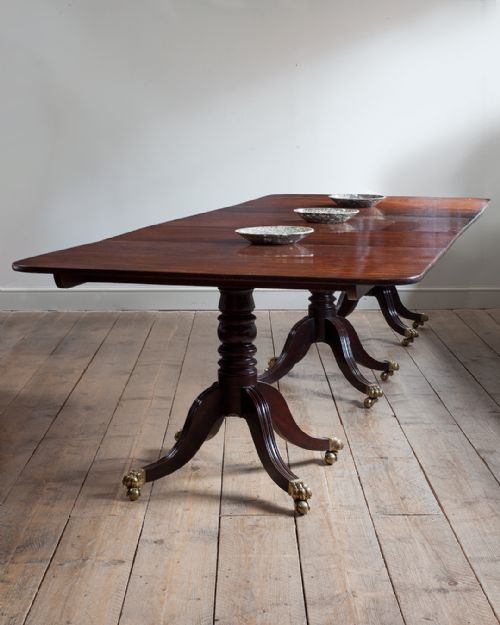
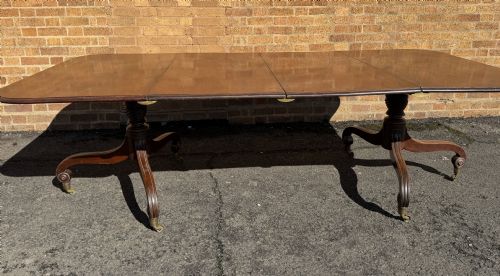
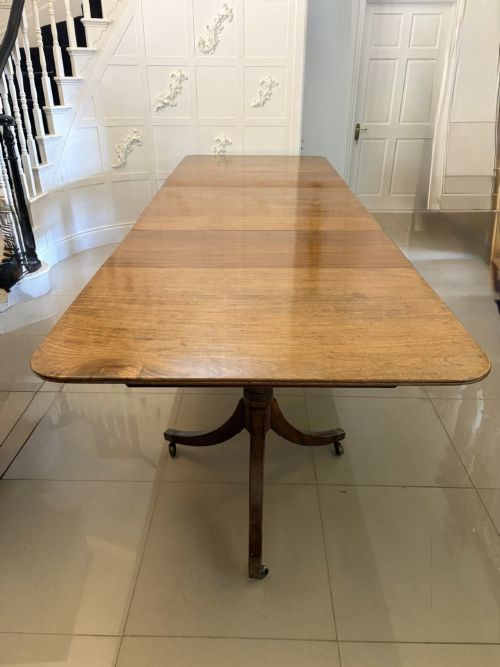
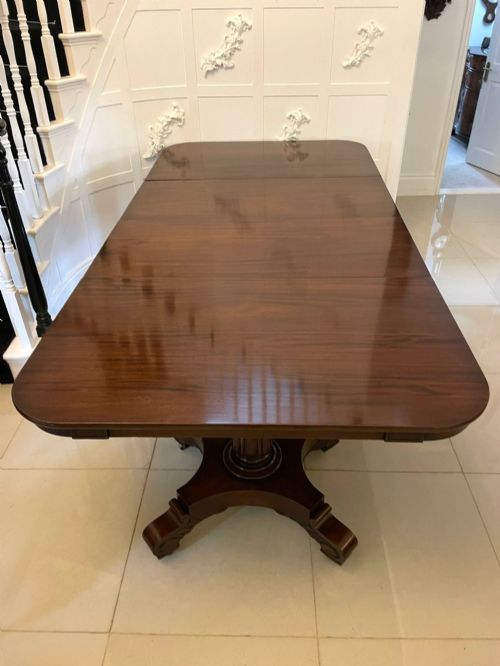
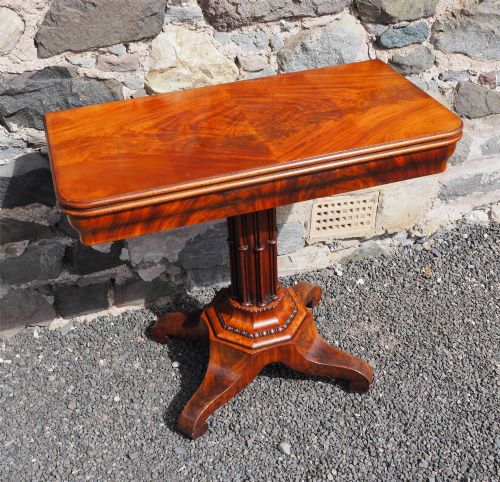
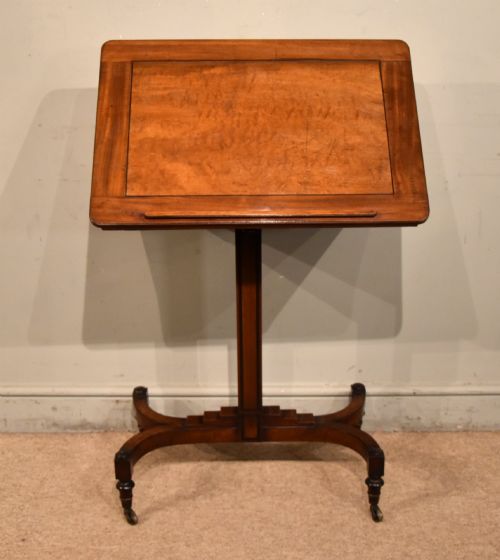
A regency wooden pedestal supports an interior with classical proportion, taking the form of extending dining tables and occasional stands shaped from rich timber.

Regency Wooden Pedestal
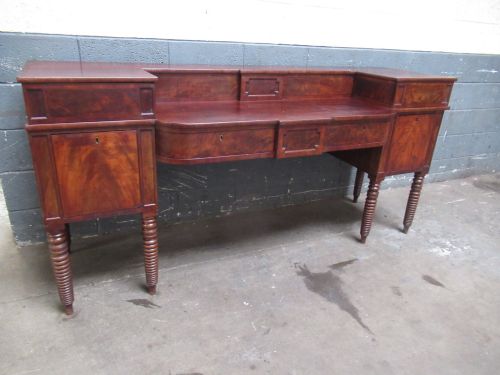
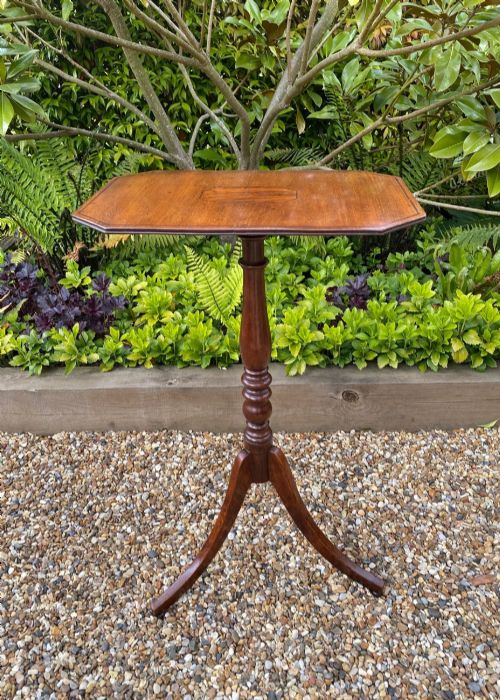
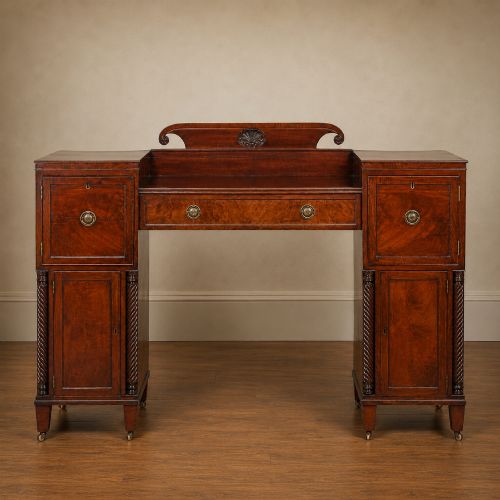
When searching for a regency wooden pedestal, a buyer encounters a range of functional furniture centred primarily upon dining tables supported by pillar bases, alongside smaller wine tables, torchere stands, and sideboards. These pieces span the nineteenth century, the Georgian era, and later revival periods, bringing distinct architectural dignity to a room.
Materials and construction
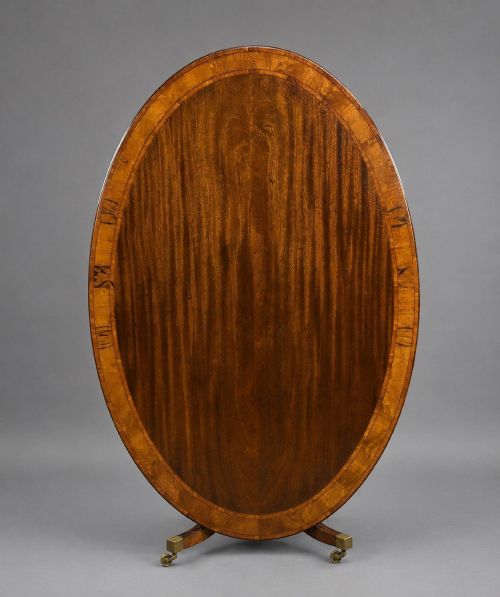
Cabinet makers relied predominantly on solid mahogany and flame mahogany veneer, often enhanced by secondary timbers such as rosewood, oak, walnut, cherry, and fruitwood. Surfaces display meticulous wood inlay and polished finishes that accentuate the natural grain of the timber.
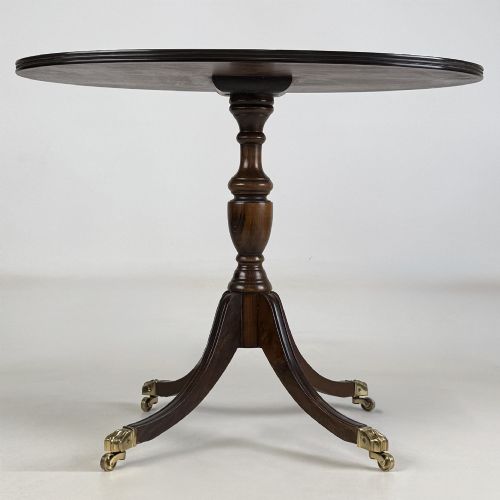
Structural stability was achieved through turned or pillar pedestals branching into splayed legs, frequently fitted with brass castors to allow smooth movement for large dining tables and library pieces.
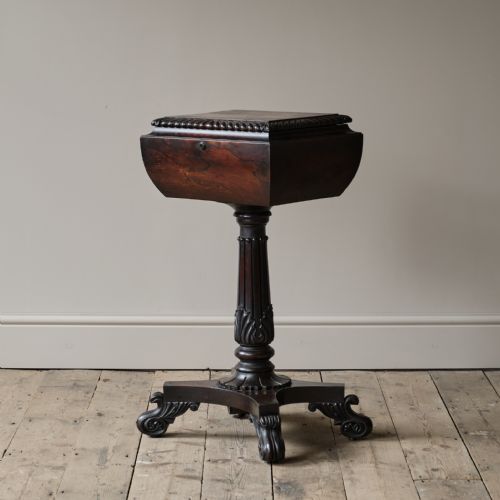
A sarcophagus-shaped teapoy awaits inside the collection, ready to hold your finest leaves.
Assessing the standard
The distinction between standard examples and the finest pieces lies in the selection of figured mahogany veneers and the crispness of the turned or carved pillar supports. Superior tables demonstrate seamless integration of extending leaves and robust pedestal junctions that maintain stability under heavy daily use.
Proportion and execution set exceptional pieces apart, where brass fittings, subtle inlay work, and balanced column design reflect the skill of the original workshop rather than mass production.
Holland & Sons·Whytock & Reid
The Regency Wooden Pedestal Glossary
- Pedestal
- A central column or pillar supporting a tabletop, sideboard, or stand. It often divides into multiple splayed legs for stability.
- Flame mahogany
- A veneer cut from timber where the branch meets the trunk, producing a distinctive flickering flame pattern. This material was favoured for high-status surfaces.
- Tilt-top action
- A mechanism allowing the tabletop to pivot to a vertical position when not in use. This clever design saved valuable floor space in period homes.
- Torchere
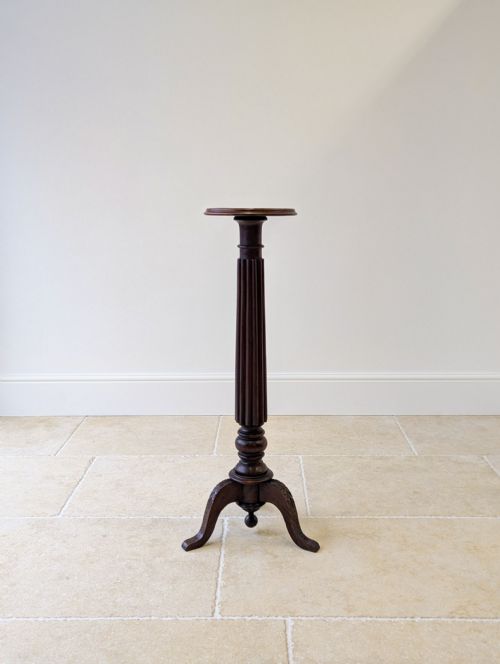
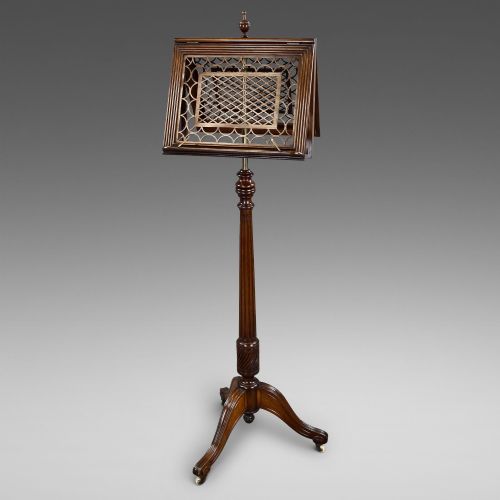
- A tall, slender stand designed to hold a candle or lamp. These elevated pieces showcase intricate turning and sturdy pedestal bases.
- Teapoy
- A small box on a pillar stand used for storing tea leaves. Inside, they typically feature small compartments and mixing bowls.
Regency Wooden Pedestal: Frequently Asked Questions
How do I care for a mahogany pedestal table?
Keep wooden surfaces away from direct heat sources and strong sunlight to prevent the timber and veneer from drying out or fading over time. Regular dusting with a soft, dry cloth maintains the polished finish.
Apply a quality beeswax periodically to nourish the wood and protect the grain. Avoid placing damp items directly onto antique tabletops without protective mats.
Can an extending dining table fit a modern room?
Many twin and triple pillar tables include removable leaves that let you adjust the overall length to suit your dining space. This versatility makes them practical for both daily family use and larger dinner parties.
Check the minimum and maximum lengths listed to ensure proper clearance around the table for chairs and movement.
What is the difference between Regency and Regency Revival?
Original Regency pieces were made during the early nineteenth century and reflect the classical architectural influences of that specific era. They carry the patina and construction methods of their original period.
Regency Revival pieces were manufactured later, often during the Edwardian period or the twentieth century, copying the earlier styles using traditional techniques and mature timbers.
Where were smaller pedestal stands used?
Wine tables, torchere stands, and occasional tables served specific functions around the drawing room and parlour. They held candles, books, or drinks close to seating areas.
Their compact pillar bases allowed them to be tucked into corners or beside chairs without obstructing movement in smaller rooms.