

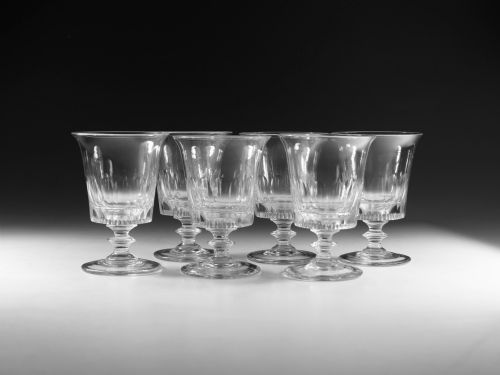
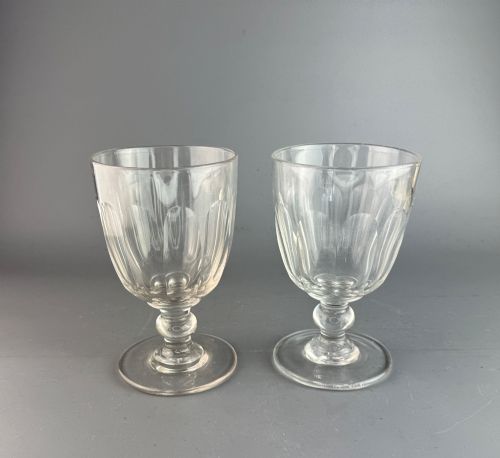
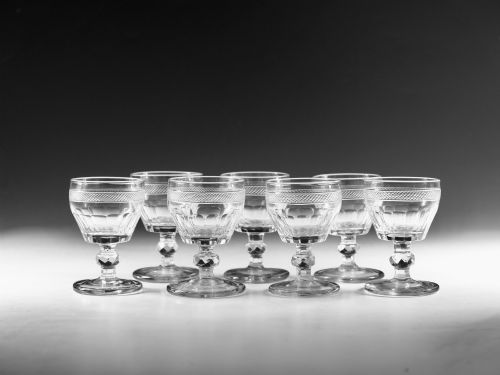

Regency Wine Goblet
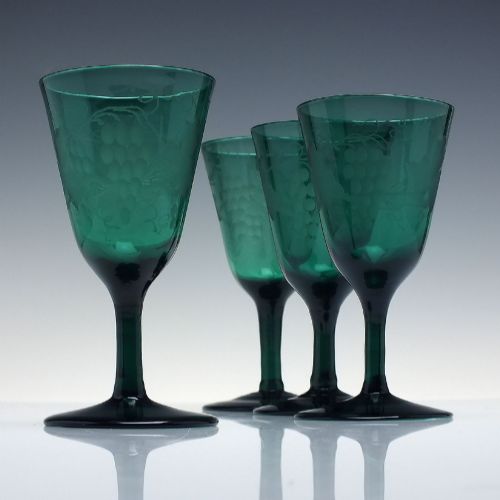
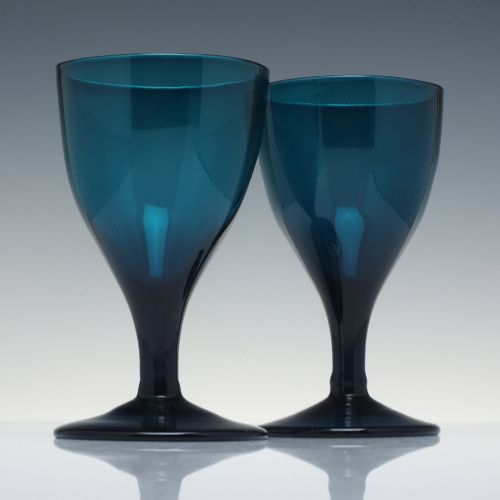
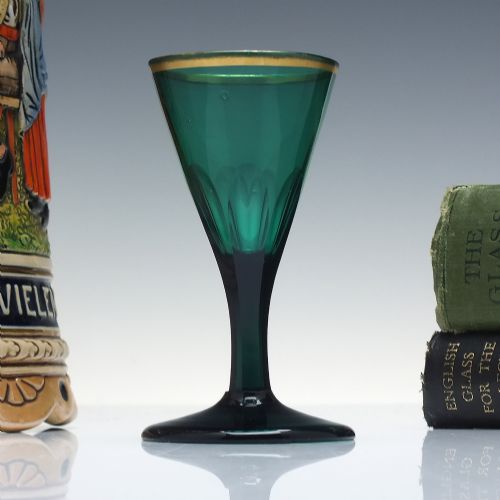
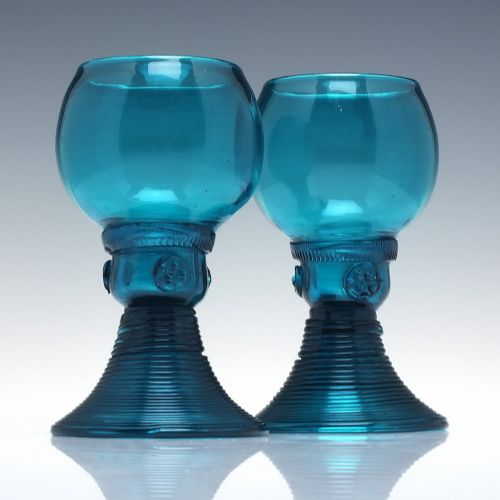
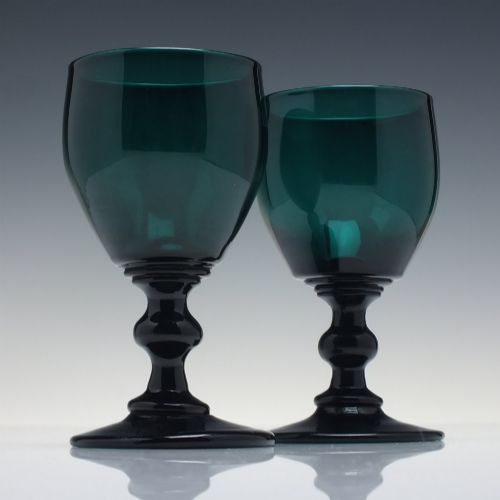
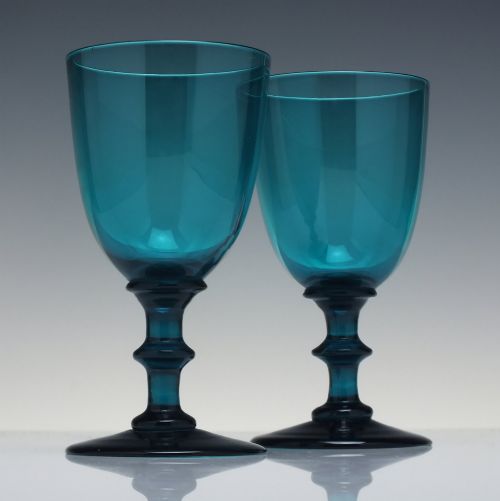
A regency wine goblet brings heavy lead glass, deep emerald or peacock blue hues, and faceted cutting straight to the dining table.
Regency Wine Goblet
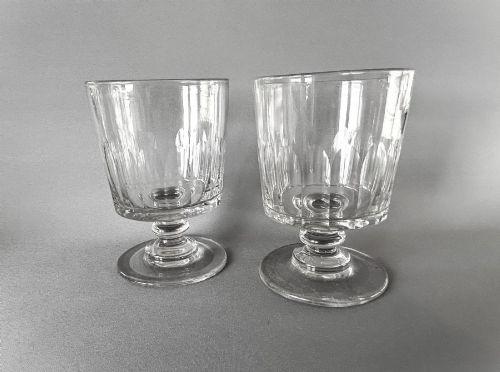
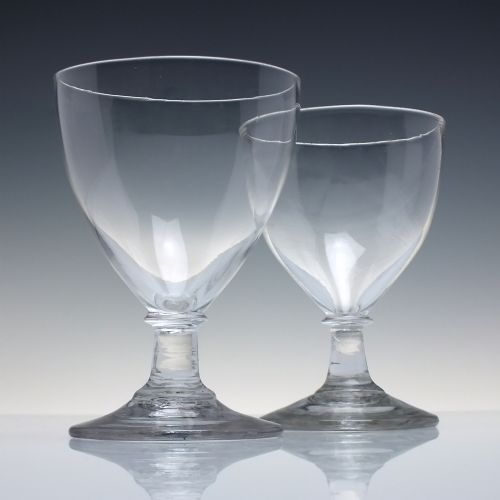
A regency wine goblet sits among drinking vessels spanning the Georgian, Regency, and Victorian eras, often taking the form of rummers, port glasses, or dram glasses. Buyers seeking a regency wine goblet will encounter stemware and larger bowls shaped as ovoid or bucket profiles.
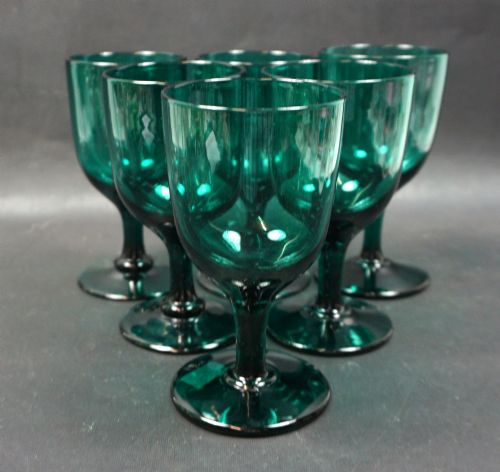
The material palette shifts from clear lead glass and lead crystal to deeply saturated coloured glass in peacock blue, emerald green, and turquoise. These pieces originate from English and Anglo-Irish workshops dating from around eighteen hundred to eighteen thirty.
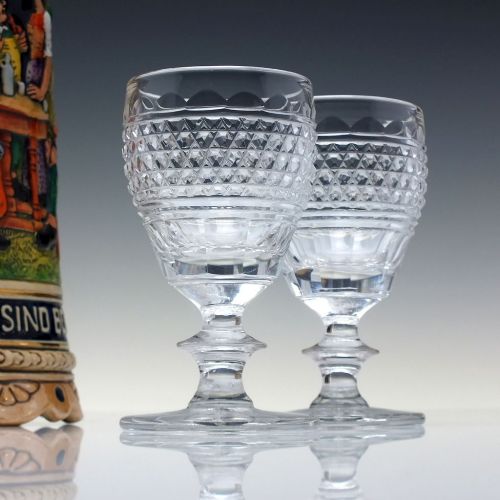
The selection ranges from matched sets of six to pairs and individual examples featuring engraved decoration or hobnail cutting. Such vessels served specific duties for wine, rum, sherry, and port during the early nineteenth century.
Materials and construction
Makers utilised heavy lead glass and flint glass, shaped by hand-blowing to form robust drinking vessels with substantial weight. This foundational material allowed artisans to achieve clarity or take rich metallic oxides for strong colour.
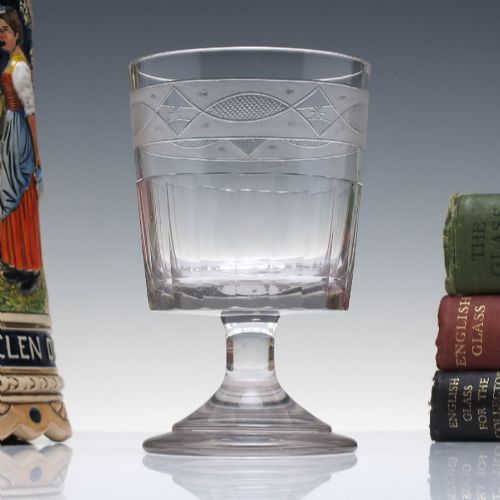
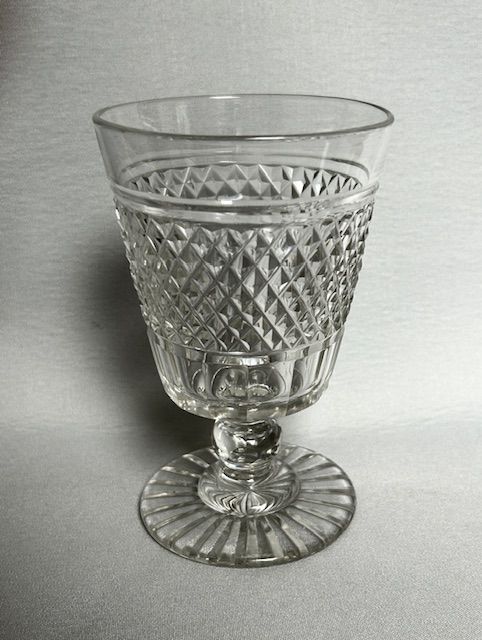
Cut glass techniques introduced sharp facets and geometric patterns such as hobnail cutting across the bowl exteriors. Engraved motifs completed the surface treatment on many pieces, contrasting against smooth curved bucket bowls.
Regency Wine Goblet Retail Price Guide 2026
Typical asking prices for regency wine goblet among the pieces listed under this phrase on Sellingantiques today, from the lower quarter to the upper quarter. They describe what is for sale here now, not the wider market.
Listings feature lead glass and coloured glass items spanning the Georgian, Regency, and Victorian eras, including rummers, port glasses, and dram glasses.
Judging quality in early glass
Colour saturation defines the visual power of tinted vessels, where deep emerald, turquoise, and peacock blue tones create strong contrast against clear metal. The depth of the hue directly affects how light passes through the glass walls.
Execution of cut work and engraving separates standard vessels from finer examples, with crisp facets and balanced proportions showing skilled handcraft. The thickness of the metal and the stability of the foot also dictate the structural integrity of the piece.
The Regency Wine Goblet Glossary
- Lead glass
- A heavy, durable glass containing lead oxide that increases brilliance and weight. This material forms the base of most quality stemware from the period.
- Rummer
- A large, sturdy drinking glass with a short stem and a capacious bowl. These vessels often feature heavy cut decoration around the lower half.
- Hobnail cut
- A raised geometric pattern resembling the head of a hobnail boot, created by cutting intersecting grooves into the glass surface. It provides both texture and grip.
- Bucket bowl
- A straight-sided glass bowl that flares slightly outward toward the rim, resembling the profile of a bucket. This shape is common on rummers and wine glasses.
- Flint glass
- An early term for clear lead glass prized for its refractive properties and clarity. It allows engraved and cut details to catch the light.
Regency Wine Goblet: Frequently Asked Questions
What is a regency wine goblet used for?
These vessels served various alcoholic drinks at the dining table, including fortified wines, port, sherry, and rum. Their robust construction suited communal toasts and daily dining.
Larger versions functioned as rummers for heavier spirits, while smaller dram glasses held potent measures. Their solid weight made them practical for frequent use.
How do I date a regency wine goblet?
Dating relies on combining stylistic traits, bowl shapes, and manufacturing techniques recorded across the Georgian and Regency eras. Pontil marks on the underside and the weight of the lead glass offer key clues.
Coloured glass variants in peacock blue and emerald green frequently point to production around eighteen hundred to eighteen twenty. Cut patterns and engraving styles shift subtly between the late Georgian and early Victorian periods.
Are coloured glass goblets authentic?
Authentic period examples utilise rich metallic oxides mixed into the glass batch during melting to achieve deep emerald green and peacock blue tones. These colours permeate the entire wall of the vessel rather than sitting as a surface flash.
Makers in England and Ireland produced these saturated hues consistently throughout the early nineteenth century. Examining the base under magnification helps confirm the age of the glass metal.