



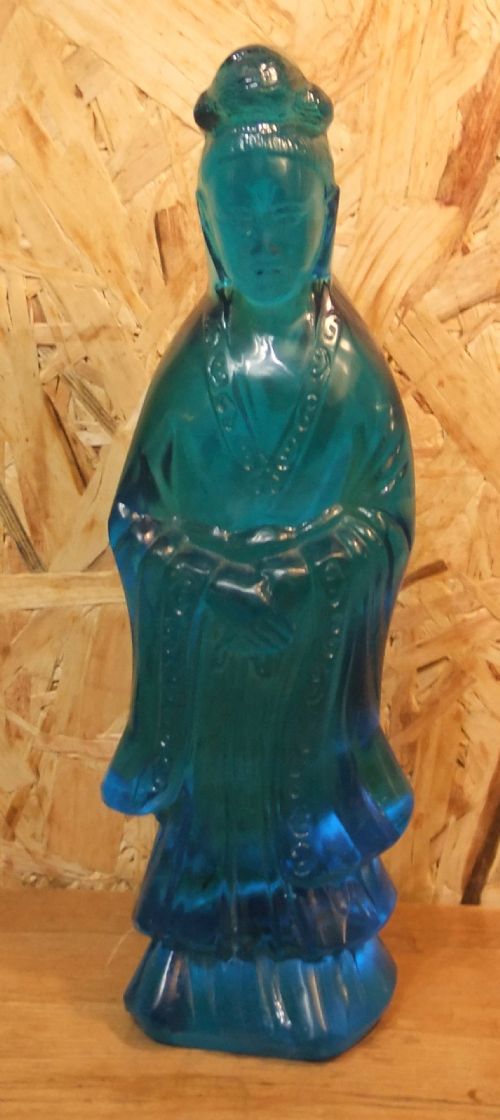


Turquoise Blue Glass
These vibrant examples of turquoise blue glass combine rich colour with striking forms across centuries of decorative arts production.
Turquoise Blue Glass
Turquoise blue glass items encompass a diverse range of decorative and functional objects spanning the Georgian, Victorian, and later periods. Collectors search for these pieces to add a distinct splash of saturated colour and period character to interiors.
How they were made
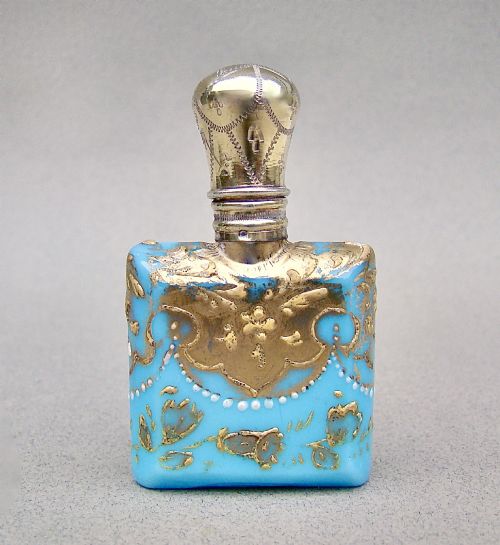
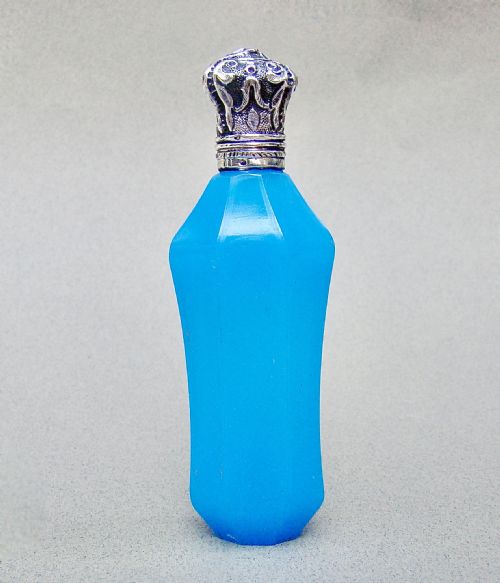
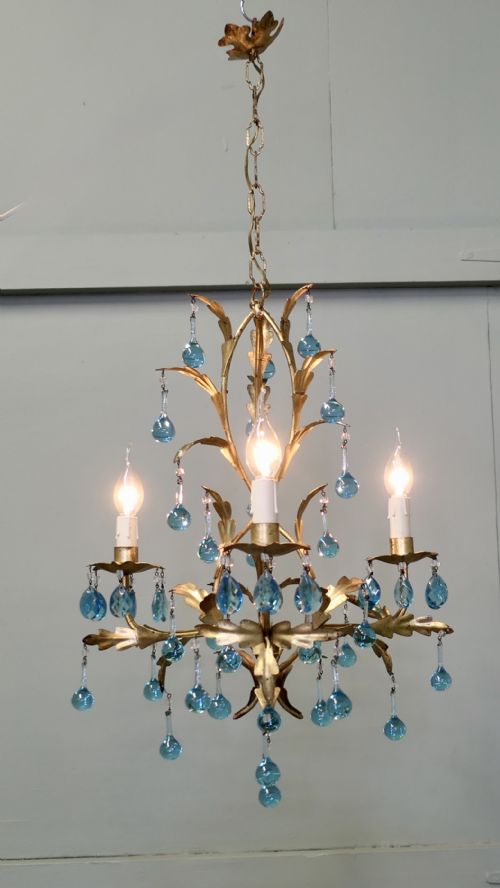
Makers utilised traditional techniques involving blown glass, lead glass, and opaline glass to achieve deep, opaque, or translucent turquoise tones. Many examples incorporate additional embellishments such as silver mounts, gold leaf, and brass components.
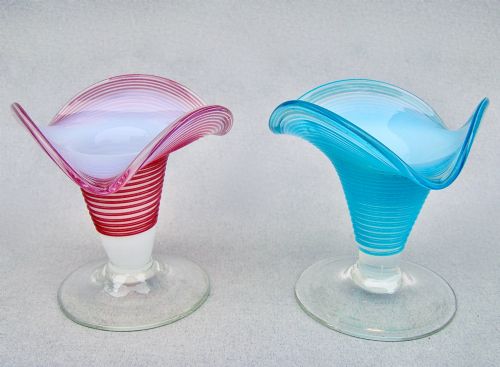
Specialised methods like triple casing allowed artisans to layer different glass colours together before cutting or shaping the final vessel.
Turquoise Blue Glass Retail Price Guide 2026
Typical asking prices for turquoise blue glass among the pieces listed under this phrase on Sellingantiques today, from the lower quarter to the upper quarter. They describe what is for sale here now, not the wider market.
Listings feature items from the Georgian, Victorian, and Edwardian periods, utilising materials such as opaline glass, lead glass, silver, and gold leaf.
What varies in quality
The distinction between standard production pieces and finer examples rests on the depth of the turquoise colour and the precision of the glassblowing technique. Weight, clarity, and the integration of precious metal mounts also signal higher craftsmanship.
Complexity of form, such as multi-layered casing or hand-applied gilding, elevates certain items above simpler utilitarian vessels.
The Turquoise Blue Glass Glossary
- Opaline Glass
- A type of semi-opaque glass popular in the nineteenth century that displays a delicate pastel or vibrant turquoise appearance. It was frequently utilised for decorative tableware and vanity items.
- Lead Glass
- Heavy glass containing lead oxide, which increases brilliance and workability for cutting. It produces a clearer ring when struck compared to standard soda-lime glass.
- Cased Glass
- Glass made by fusing two or more layers of different colours together while molten. This technique allowed artisans to cut through the outer layer to reveal contrasting colours beneath.
- Gold Leaf
- Extremely thin sheets of beaten gold applied to the surface of glass for decoration. It often appears on Victorian and Bohemian luxury wares.
Turquoise Blue Glass: Frequently Asked Questions
How do I clean antique turquoise glass?
Wash the item gently by hand in lukewarm water using a mild, non-abrasive detergent. Avoid soaking pieces with silver mounts or gold leaf decoration to preserve the metal and surface finishes.
Dry thoroughly with a soft, lint-free cloth to prevent water spots and maintain the polished lustre of the glass.
How can I tell a Victorian piece from a Georgian one?
Georgian glassware often exhibits heavier pontil marks and simpler, robust proportions typical of early nineteenth-century production. Victorian examples frequently display more ornate styling, including opaline finishes and metal mountings.
Comparing the specific manufacturing style and weight helps place an item within its correct period.
What causes the different shades of blue?
Glassmakers added various metallic oxides, such as copper or cobalt, to the molten batch to achieve turquoise and blue hues. Variations in the chemical recipe and melting temperature resulted in the wide spectrum of colours seen today.
Even slight differences in the manufacturing environment produced distinct regional colour palettes.