



Regency Wine Furniture
Regency wine furniture gathers the side tables, wine coolers and cellarettes designed for formal dining rooms and parlours during the early nineteenth century.
Regency Wine Furniture
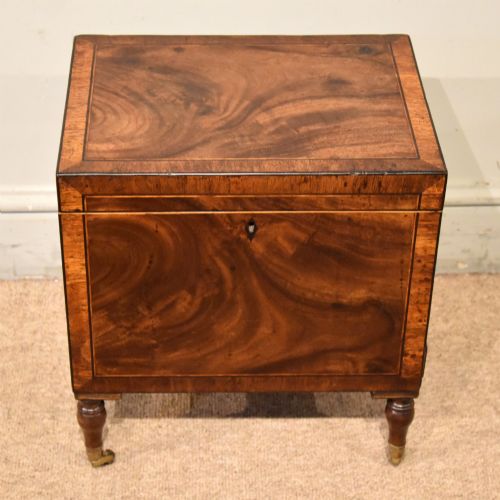
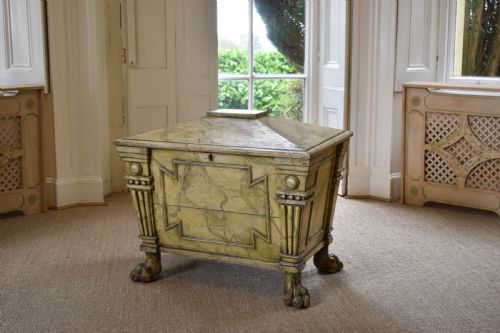
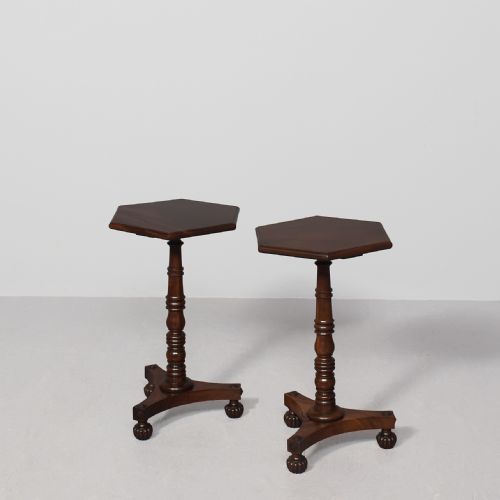
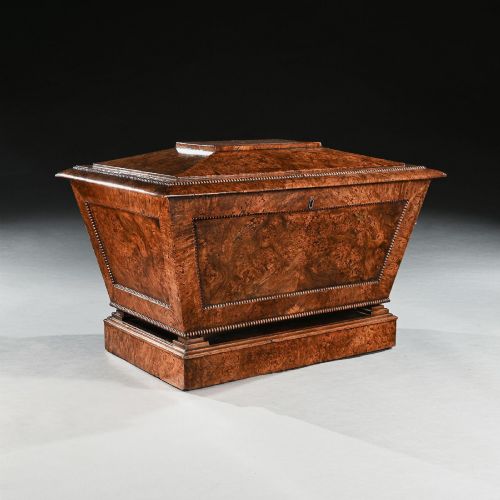
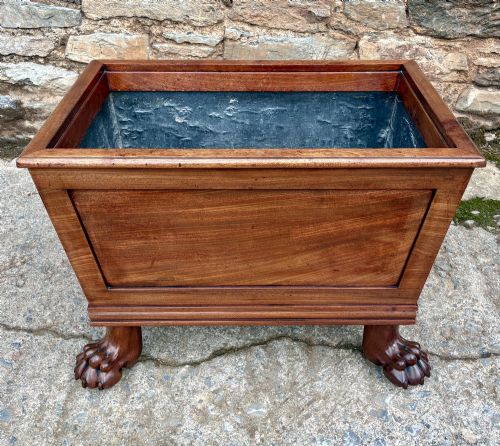
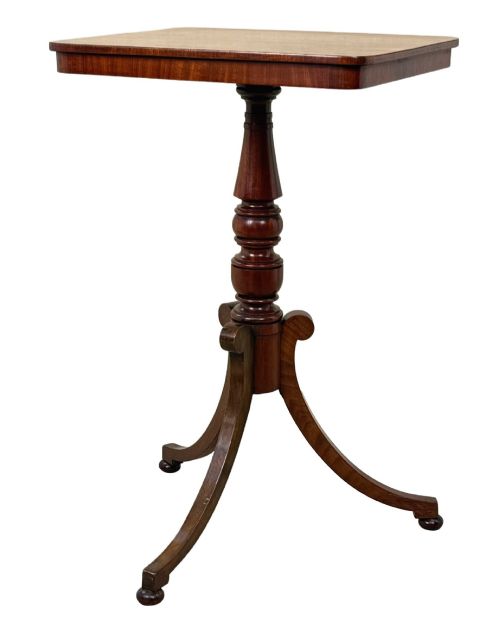
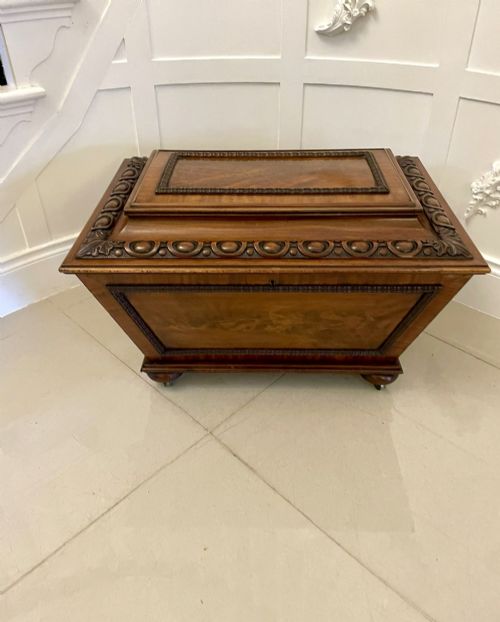
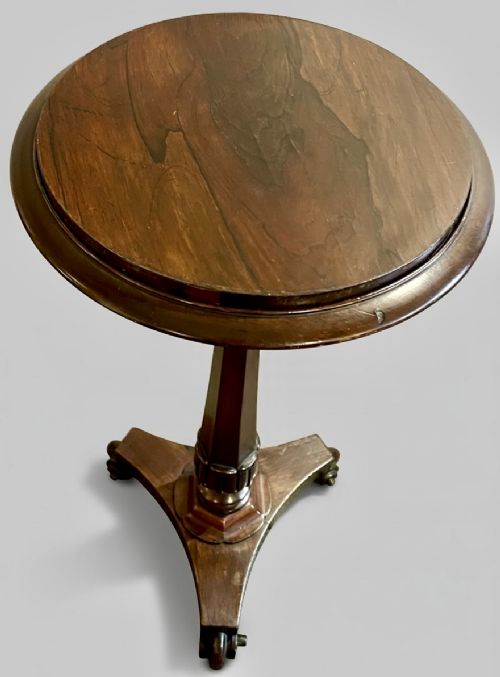
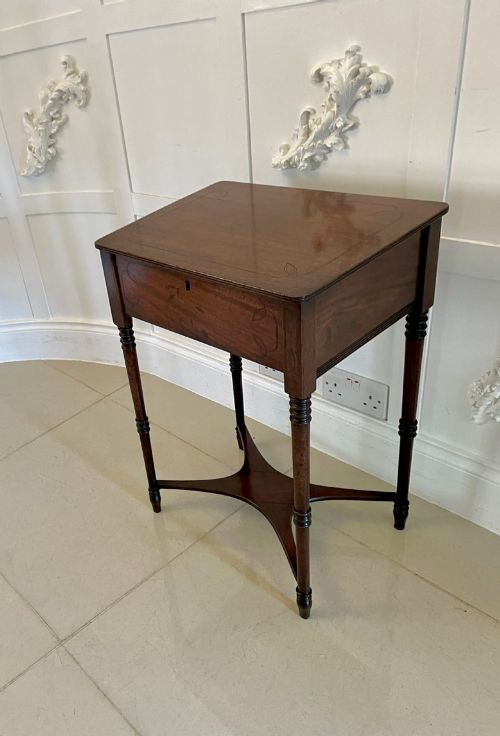
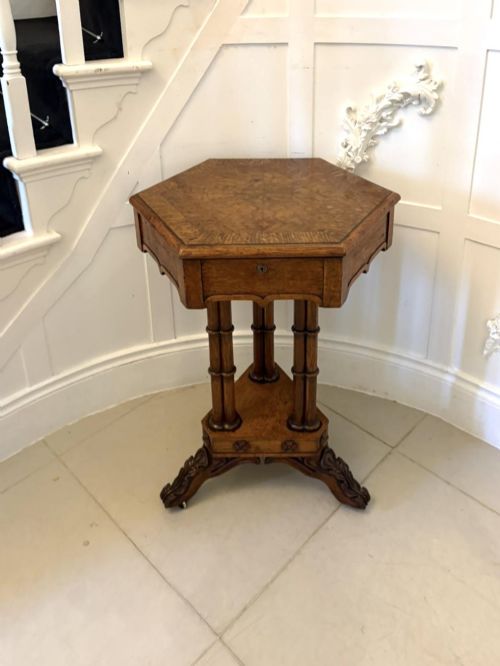
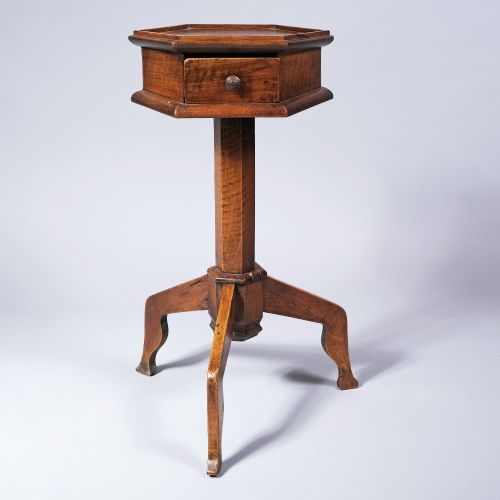
Regency wine furniture principally comprises cellarettes, wine coolers and wine tables designed to serve bottles and decanters in the dining room. The pieces you meet most often on this page are mahogany cellarettes of sarcophagus or box form alongside occasional and tripod wine tables.
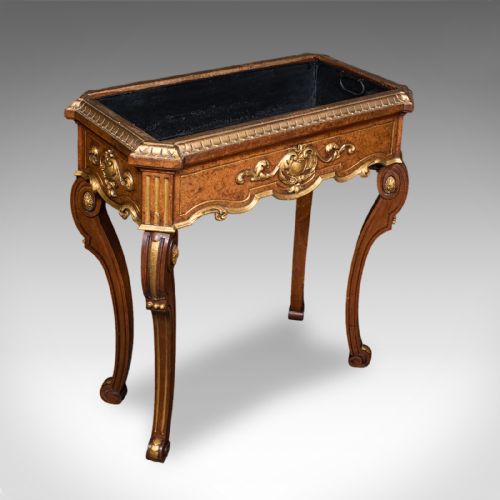
Origins span English, Irish and Scottish workshops of the nineteenth century, alongside occasional examples influenced by continental styles such as Dutch Empire and French Rococo Revival. Makers employed substantial timbers to construct functional storage boxes and stable stands intended for heavy service.
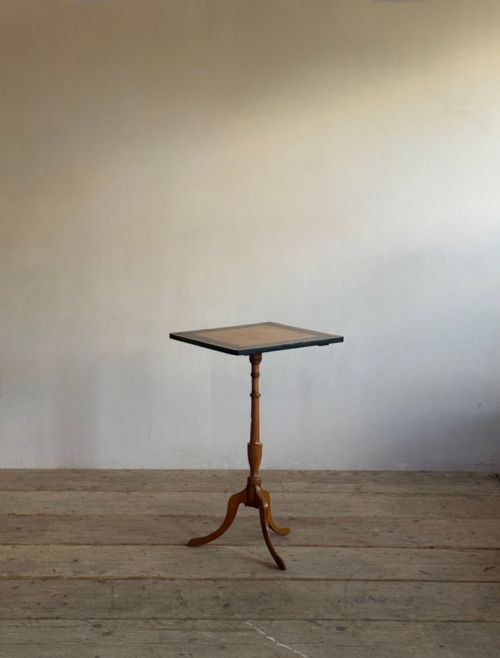
The assortment includes occasional tables, side tables and lamp tables often utilised alongside primary dining arrangements for bottle placement. These pieces reflect the formal hospitality customs of the Georgian and Regency eras through dedicated compartments and robust tripod bases.
Materials and Technique
Construction relies heavily upon solid and veneered mahogany, augmented by figured rosewood, walnut, pollard oak and yew wood. Cabinetmakers selected these dense hardwoods for their strength and figured grain patterns, which responded well to turning, carving and polishing.
Metal components such as brass handles, castors and inlaid banding appear frequently on cellarettes and tables to reinforce corners and facilitate movement. Secondary techniques include penwork decoration, leather table inserts and inlaid compass roses executed in contrasting timbers.
Regency Wine Furniture Retail Price Guide 2026
Typical asking prices for regency wine furniture among the pieces listed under this phrase on Sellingantiques today, from the lower quarter to the upper quarter. They describe what is for sale here now, not the wider market.
Some cellarettes doubled as domestic strongboxes, hiding liquid refreshment behind formidable locks to outwit thirsty household staff.
Design and Execution
Quality separates ordinary utility pieces from exceptional items through the choice of timber and the precision of cabinetwork. Figured mahogany, pollard oak and rosewood display distinct grain movement and depth that elevate the visual presence of a cellarette or table.
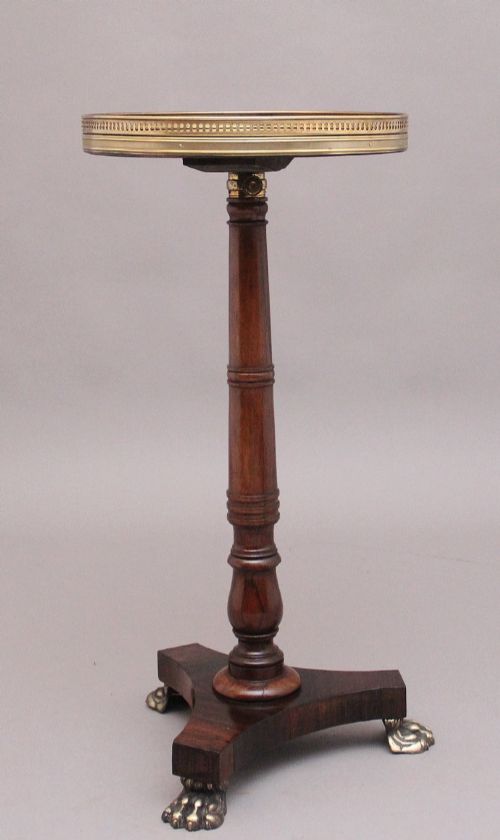
Carved details such as paw feet, scrolling supports and brass inlay demonstrate the skill of the workshop. Superior pieces maintain crispness in their mouldings and structural integrity in their hinged lids and interior wine divisions.
Gillows·Gillingtons·James Mein of Kelso
The Regency Wine Furniture Glossary
- Cellarette
- A dedicated storage box or chest designed to hold wine bottles and decanters safely beneath a lockable lid. They frequently feature lead lining and internal divisions for individual bottles.
- Wine Cooler
- A freestanding container or basin utilised for chilling wine bottles with ice or water during dining. Examples often take sarcophagus or bucket shapes supported on paw feet or pedestals.
- Tripod Table
- A small occasional table supported on a central pillar above three spread legs. This form allows the top to tilt when not in use.
- Sarcophagus
- A monumental architectural shape resembling an ancient stone coffin with tapered sides and a domed lid. Cabinetmakers adapted this profile for large mahogany wine coolers and cellarettes.
- Occasional Table
- A light movable table intended for specific utility beside seating or within a dining interior. They appear in circular, octagonal and rectangular formats.
Regency Wine Furniture: Frequently Asked Questions
What is a wine furniture cellarette?
A cellarette is a secure wooden box or chest built to store wine bottles and decanters within the dining room. They often include internal partitions to keep bottles separate.
Many examples from this period feature lead linings that originally held ice or water to cool the contents before service.
How do wine tables differ from side tables?
Wine tables typically feature small circular or octagonal tops supported on a single central pedestal with tripod legs. They were made specifically to hold glasses or individual bottles near guests.
Side tables offer larger rectangular surfaces and four legs, serving broader functions in hallways or dining perimeters.
Which woods were used for Regency wine pieces?
Makers relied principally upon mahogany, rosewood and walnut for their rich colour and heavy density. Pollard oak and yew wood also appear on select pieces to provide striking figured surfaces.
Brass mounts, leather inserts and inlaid timbers frequently accent these primary woods.
How do I identify a Regency period piece?
Regency pieces often display classical architectural motifs such as paw feet, reeded columns and bold brass hardware. The proportions remain balanced and draw inspiration from Greek and Roman design.
Construction methods typically show hand-cut dovetails and solid timber framing consistent with early nineteenth-century workshop practices.