


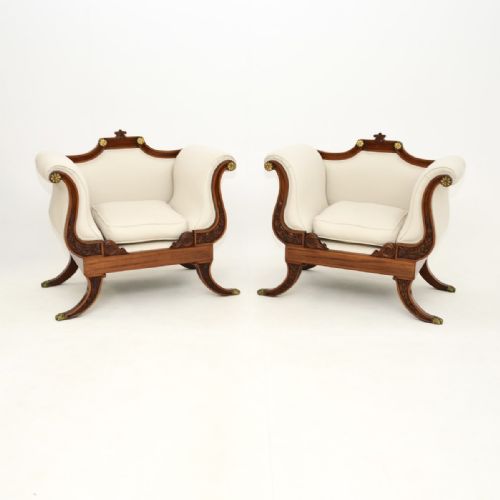


Regency Upholstered Lounge
These pieces for regency upholstered lounge searches bring together substantial timber frames and deep seating designed for formal drawing rooms.
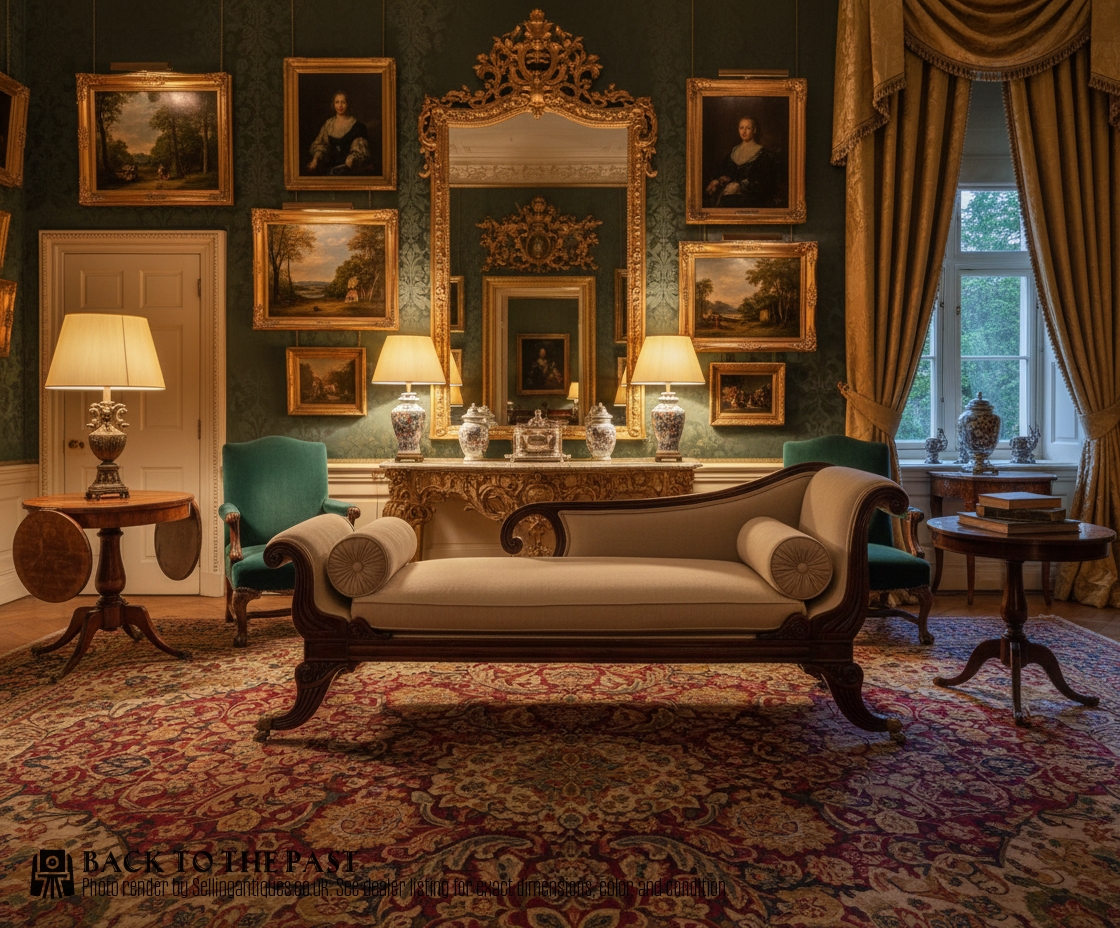
Regency Upholstered Lounge
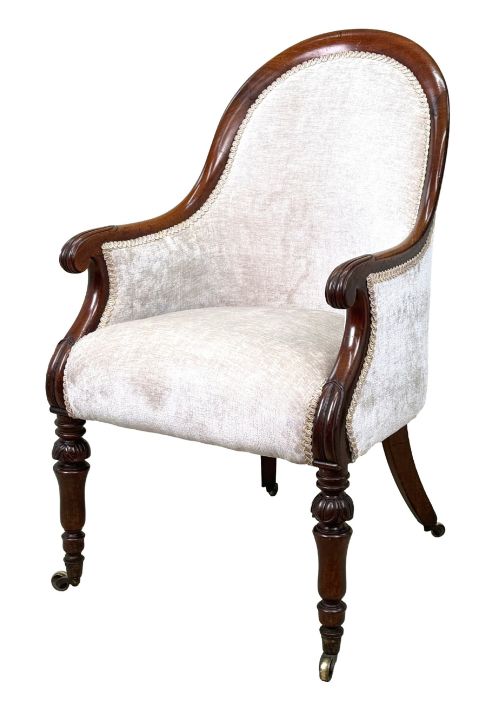
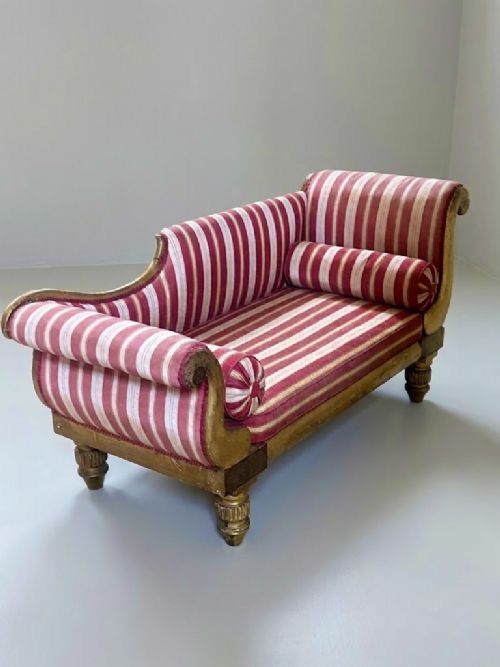
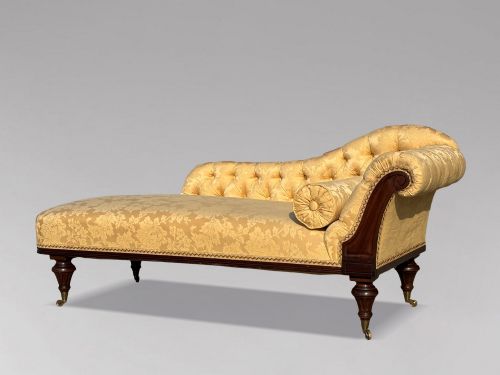
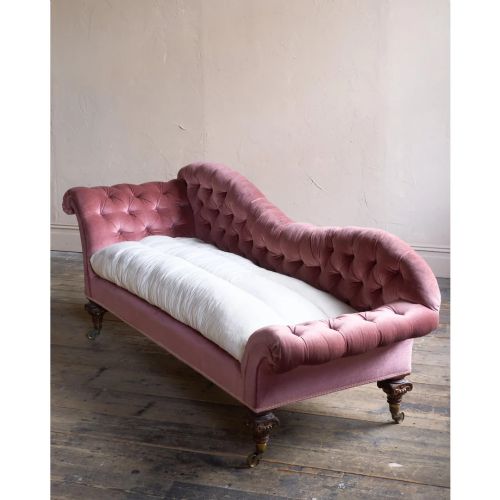
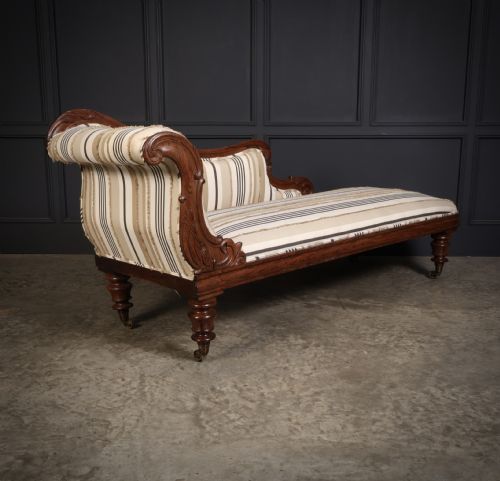
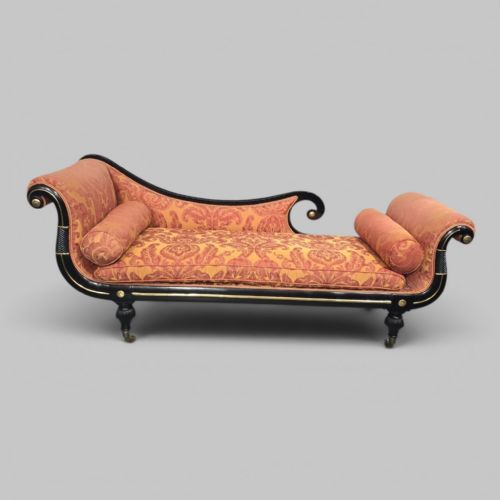
A regency upholstered lounge encompasses library armchairs, chaise longues, daybeds, and large sofas spanning the nineteenth century alongside later revivals. Buyers encounter nineteenth century pieces alongside twentieth century revivals such as sheraton revival or regency style productions.
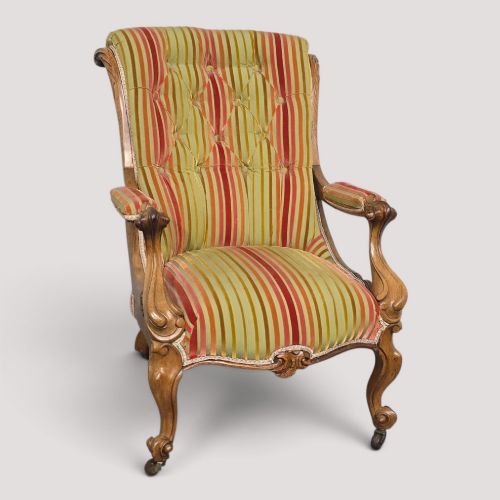
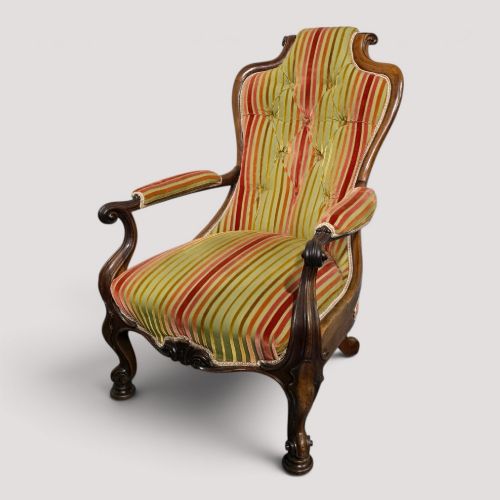
The selection ranges from mahogany library armchairs and rosewood daybeds to giltwood sofas upholstered in silk or velvet. Chaise longues and settees feature prominently among the forms recorded in the evidence.
Materials and Technique
Frames rely upon timbers such as mahogany, rosewood, satinwood, and giltwood, paired with structural brass mounts. Woodworkers shaped solid and veneered timbers into curved armrests, scroll details, and ionic column legs.
Upholstery incorporates fabrics, velvet, and textile coverings over sprung or padded seat foundations. Show frames display exposed polished wood alongside fully upholstered seating surfaces.
Regency Upholstered Lounge Retail Price Guide 2026
Typical asking prices for regency upholstered lounge among the pieces listed under this phrase on Sellingantiques today, from the lower quarter to the upper quarter. They describe what is for sale here now, not the wider market.
Listings span the nineteenth century, nineteen ten, and nineteen twenty, featuring mahogany, rosewood, brass, and giltwood materials.
Evaluating Construction
Quality rests in the crispness of the timber carving and the architectural proportion of structural elements like lyre arms or scroll ends. Heavier rosewood and mahogany frames with integrated brass detailing represent the upper tier of execution.
Finer examples show disciplined joinery in the show frames and sophisticated turning or reeding on the legs. Later revivals vary according to the fidelity with which they copy original nineteenth century proportions.
The Regency Upholstered Lounge Glossary
- Bergere
- An enclosed upholstered armchair with wooden show frames, often featuring cane panels or upholstered sides.
- Chaise Longue
- An elongated seating form combining a chair and a footstool for reclining, common in nineteenth century drawing rooms.
- Giltwood
- Timber treated with gold leaf or gilt finish, standard on formal decorative seating of the period.
- Show Frame
- A structural wooden wooden framework left exposed around the upholstered elements of a sofa or armchair.
- Simulated Rosewood
- Painted or stained timber mimicking the grain and deep colour of genuine rosewood.
Regency Upholstered Lounge: Frequently Asked Questions
How do I identify a genuine piece?
Examine the timber framing beneath the fabric and look at the turning on the legs. Nineteenth century pieces show hand-cut joinery and period specific secondary woods.
Compare the proportions against documented examples from the era. Makers often utilised dense mahogany or rosewood combined with traditional joinery methods.
Where should I place a chaise longue?
These long seating forms suit large drawing rooms or spacious libraries where they can float away from walls. Their asymmetric design works well as a statement piece in a primary reception space.
Ensure adequate floor clearance around the scrolled ends and leg mounts. They anchor a room effectively when paired with complementary armchairs.
What is a library armchair?
A library armchair provides sturdy seating with padded armrests designed for reading rooms. These chairs often feature open arms or enclosed bergere sides for comfort.
Built from robust timbers like mahogany or rosewood, they endure heavy daily use. Their substantial frames support upright seating postures.
How do revivals differ from originals?
Revival pieces date from later periods like the early twentieth century while copying earlier nineteenth century aesthetics. They utilise similar forms such as giltwood frames or scroll arms but lack original period patina.
Check construction details and secondary framing to establish the exact age. Both original and revival items offer distinct decorative qualities.