


Antique Recamier Lounge
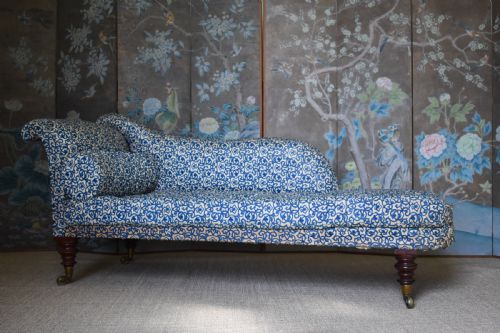
An antique recamier lounge offers the ultimate reclining posture, uniting classical elegance with the comfort of a daybed.
Antique Recamier Lounge
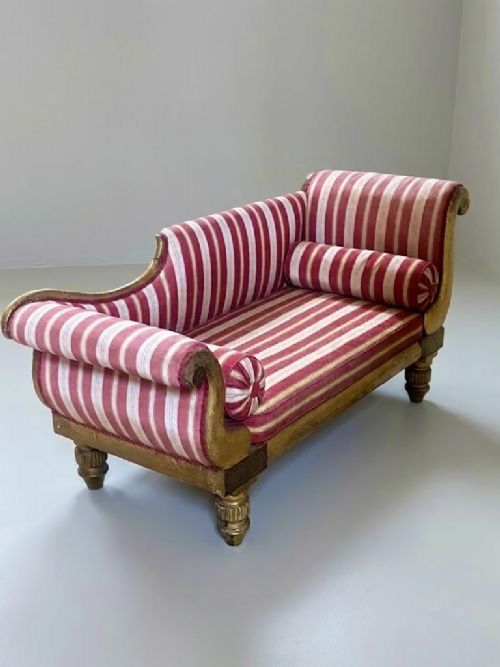
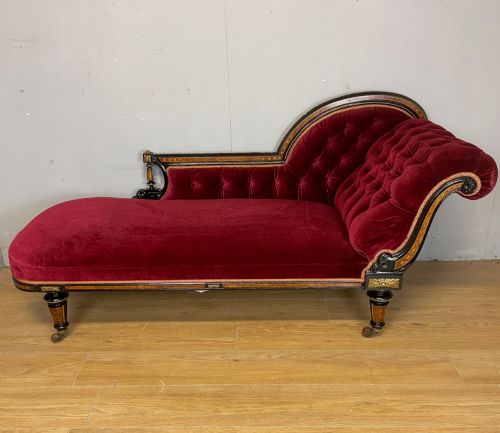
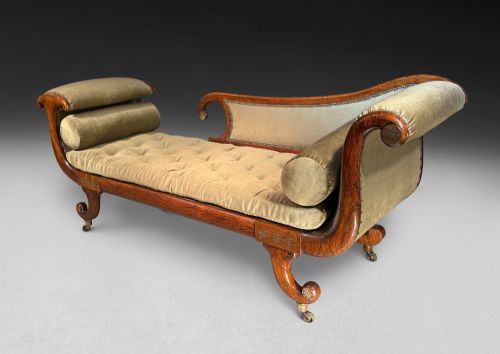
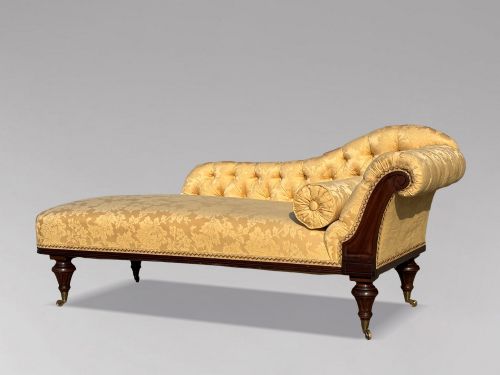
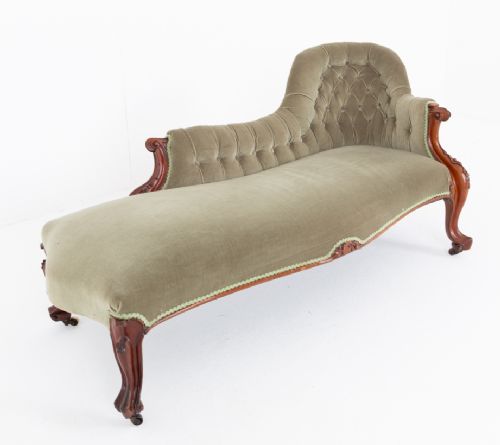
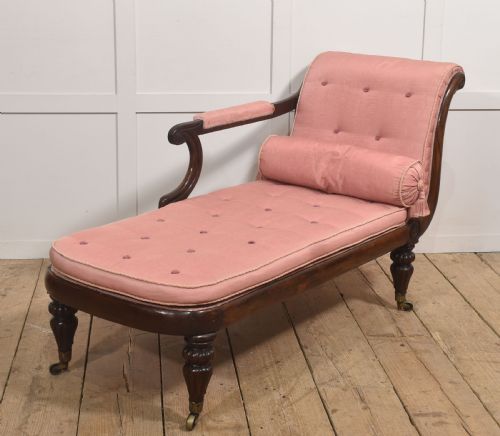
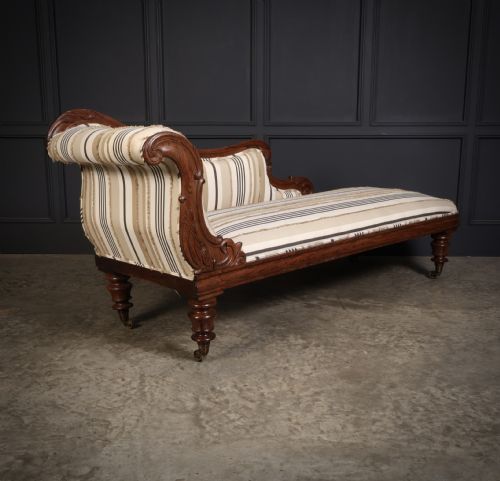
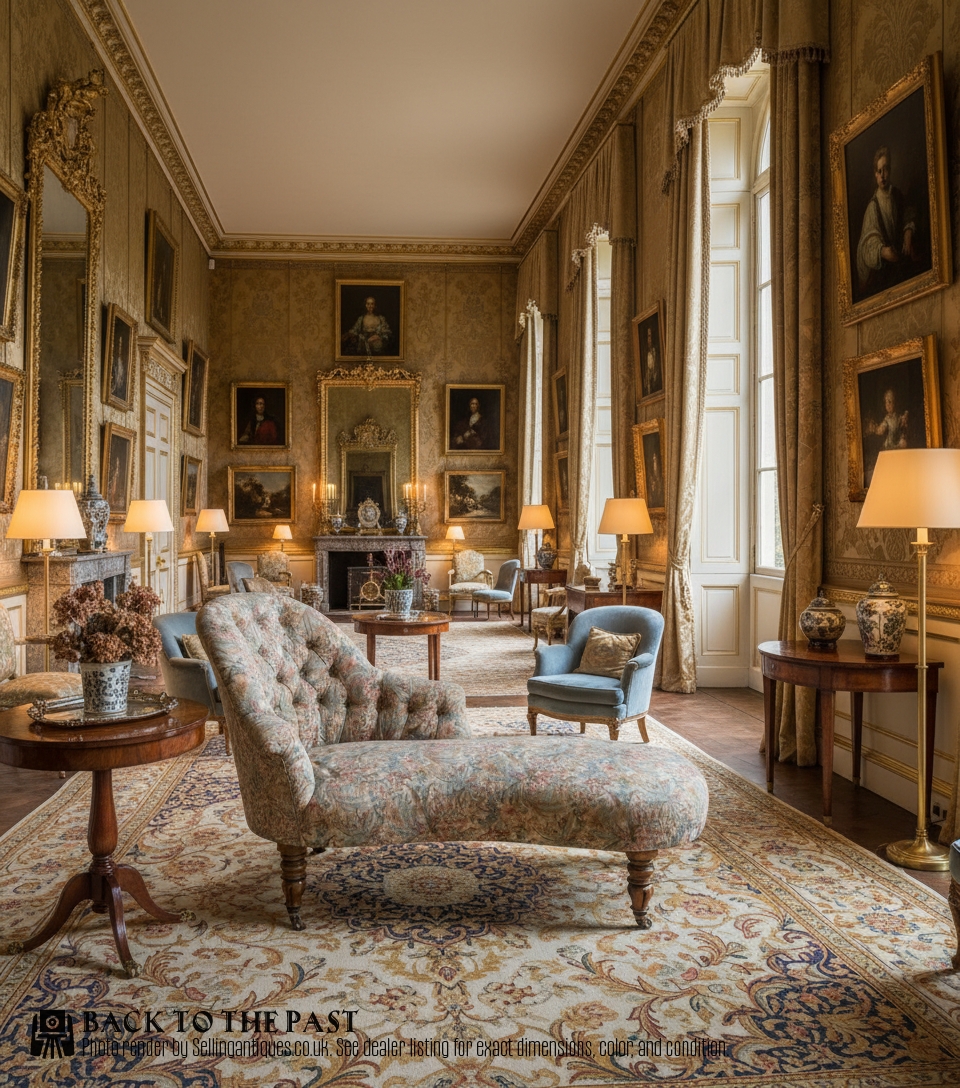
When searching for an antique recamier lounge, you are looking at nineteenth-century daybeds and chaise longues designed for reclining in the parlour or drawing room. These seating forms draw inspiration from classical French daybeds named after Madame Récamier, though British cabinet makers adapted them into substantial sofas with a single raised end.
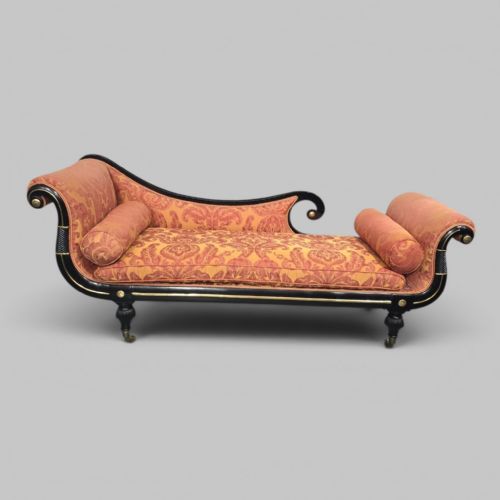
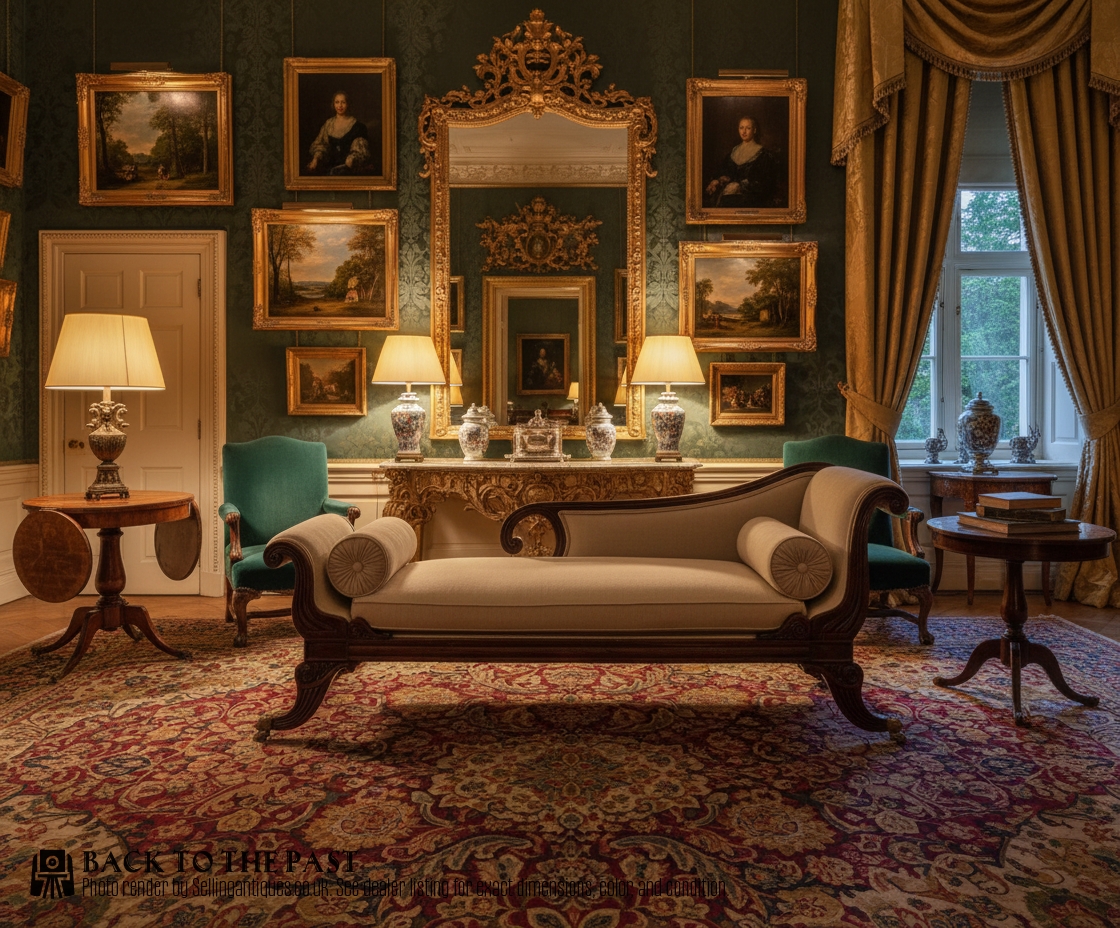
The versions you are most likely to meet on this page span the Regency, William IV, and Victorian periods. They appear in forms ranging from solid mahogany frames with scrolled backs to ebonised wood models decorated with ormolu.
Makers produced these lounges primarily as statement pieces for formal rooms where ladies could rest without retiring to the bedroom. They bridge the gap between a sofa and a bed, providing an elongated seat supported by elaborate show-wood frames.
How they were made
Cabinet makers constructed the structural frames of these lounges using dense timbers such as mahogany, walnut, and rosewood, alongside simulated rosewood and ebonised wood. Workshops also utilised brass inlay, ormolu mounts, and inlaid walnut panels to enrich the exposed wooden surfaces.
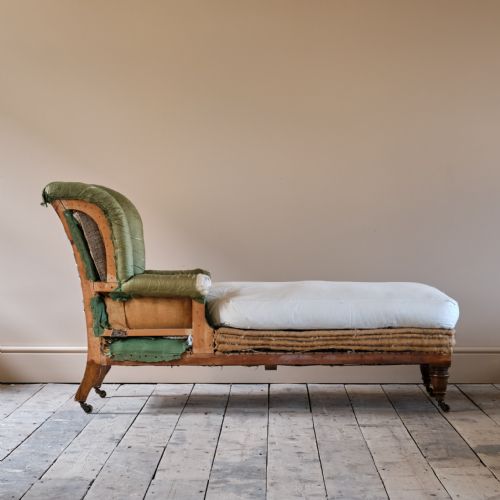
Upholstery techniques involved traditional stuffing and springing finished with textiles like velvet, silk, damask, fabric, cane seating, and leather. Frames frequently displayed carved details, piecrust edges, or giltwood highlights to match the prevailing Regency and Victorian aesthetics.
Listings feature rosewood, mahogany, walnut, and ebonised wood alongside brass, velvet, and leather across the nineteenth century.
What varies in quality
The distinction between standard and exceptional pieces rests upon the choice of timber and the precision of the cabinet work. Dense grain in solid rosewood or mahogany indicates superior raw materials compared to simpler secondary woods.
Refinement in the carved woodwork, decorative brass inlays, and ormolu mounts separates ordinary examples from pieces attributed to notable makers. The integration of the scroll end with the main body dictates the structural harmony of the design.
Holland and Sons·Willian Trotter·Gillows
The Antique Recamier Lounge Glossary
- Ormolu
- Gilded bronze mounts applied to furniture for decorative effect. This technique was frequently utilised on nineteenth-century pieces to add metallic contrast against dark woods.
- Ebonised
- Wood treated to resemble ebony through staining or painting. This dark finish appears commonly on nineteenth-century frames.
- Giltwood
- Timber coated with a thin layer of gold leaf. It provides a bright decorative surface on formal Regency seating.
- Damask
- A reversible figured fabric traditionally woven on a jacquard loom. It supplies a patterned textile finish for upholstered daybeds.
- Caning
- Woven rattan material used for seating panels. It offers a light, breathable alternative to fully padded upholstery.
Antique Recamier Lounge: Frequently Asked Questions
What is an antique recamier lounge?
An antique recamier lounge is a nineteenth-century daybed or chaise longue featuring a raised headrest and an elongated seat designed for reclining.
These pieces combine the functions of a sofa and a bed, originating from neoclassical French designs popularised during the Regency and Victorian eras.
How do you use a recamier lounge?
You place a recamier lounge in a drawing room, bedroom, or large hallway as both a seating option and a decorative focal point.
They are intended for resting in a semi-reclined position during the day rather than for full night-time sleeping.
How do you identify a Regency chaise longue?
Regency chaise longues are characterised by classical architectural lines, scroll ends, and decorative elements like brass inlay or simulated rosewood.
Cabinet makers working in this style drew heavily on Greek and Roman forms, often using solid mahogany or rosewood.
What woods were used for Victorian daybeds?
Victorian daybeds were constructed primarily from walnut, mahogany, and rosewood, alongside ebonised wood and simpler secondary timbers.
Craftsmen selected these dense hardwoods to support the substantial weight of the frames and the carved scroll ends.