
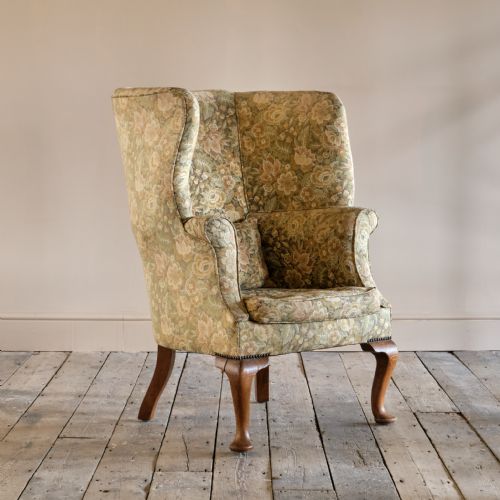

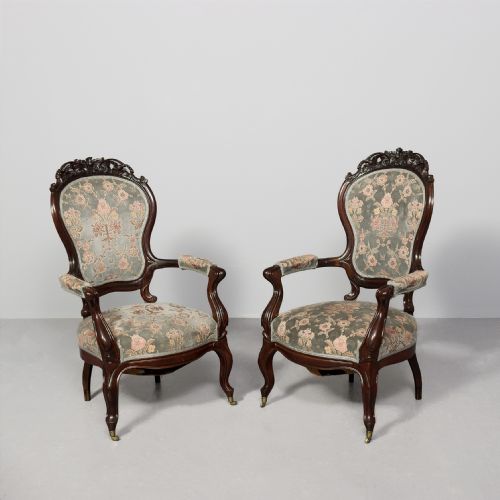

Floral Lounge Chair
These floral lounge chair options bring comfortable seating into a room through traditional English country house and Victorian forms.
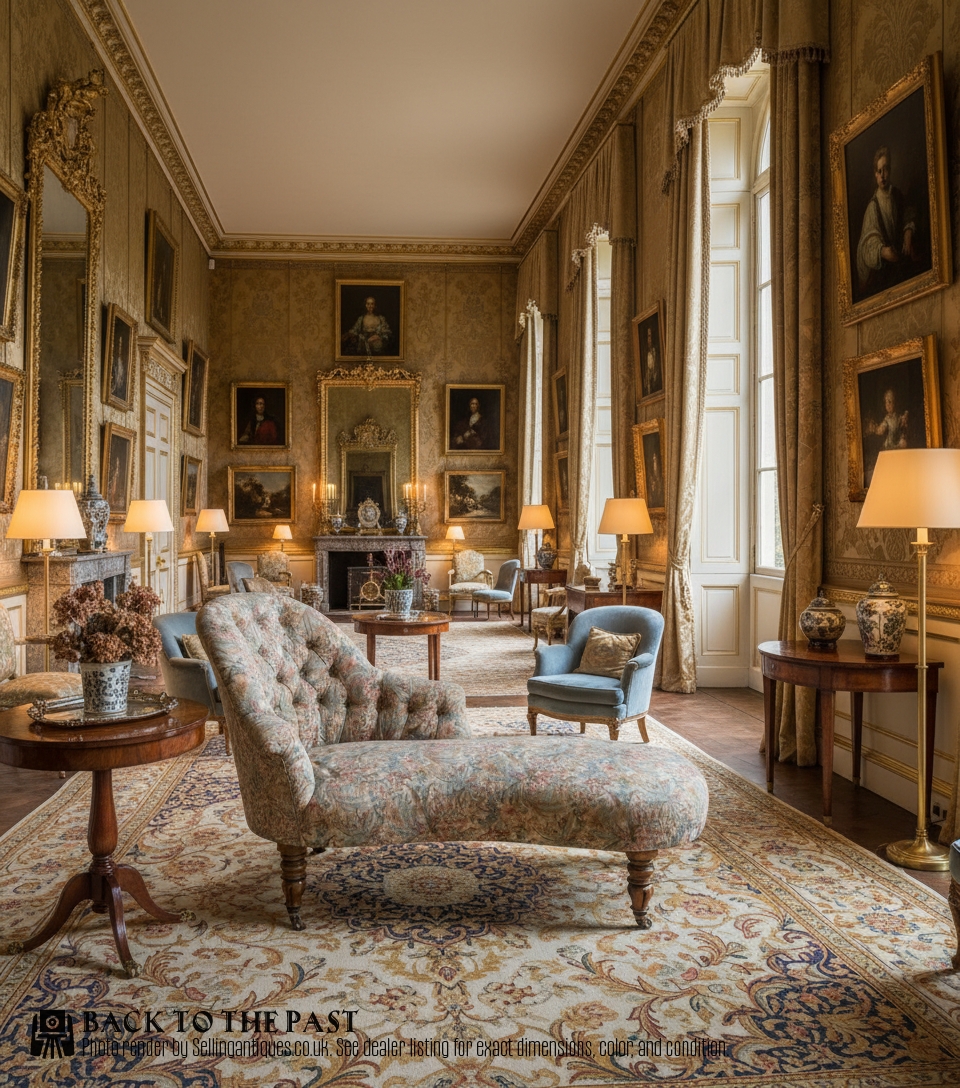
Floral Lounge Chair
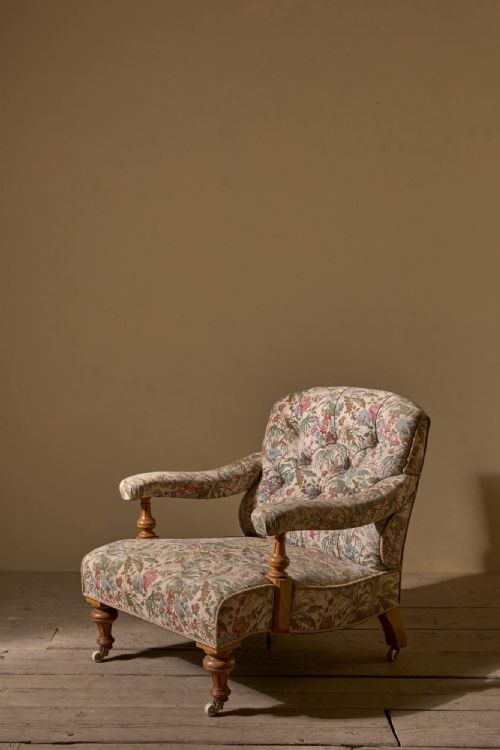
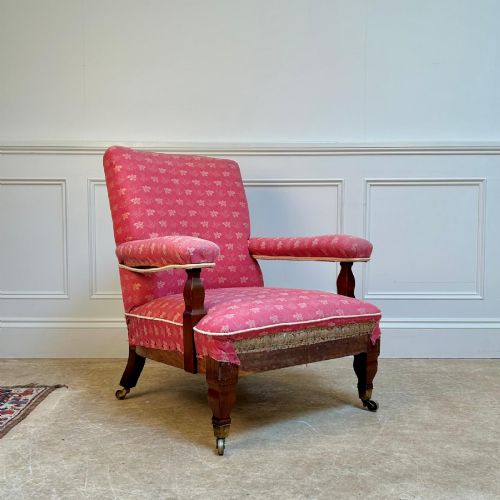
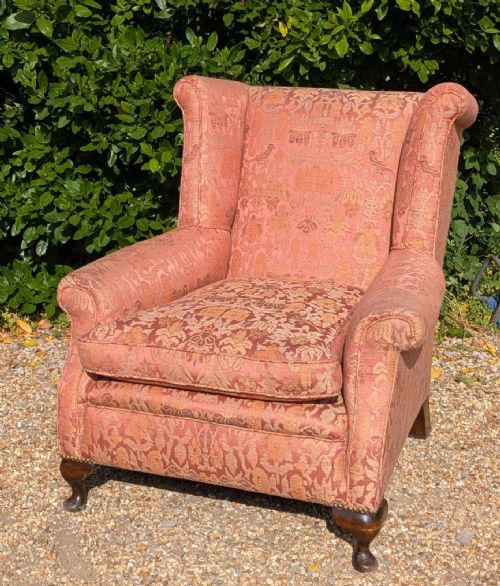
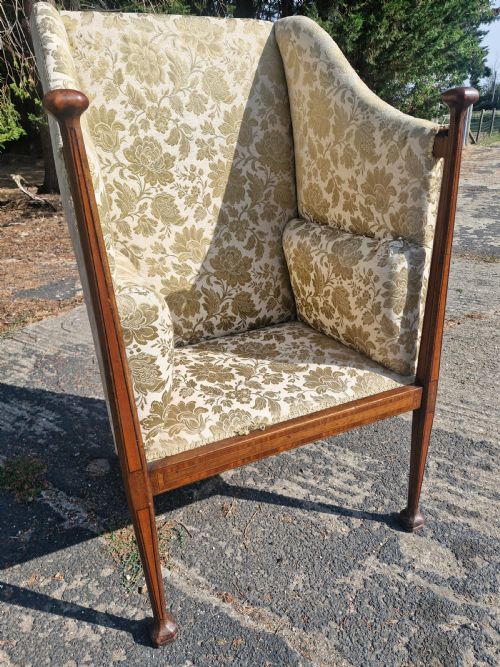
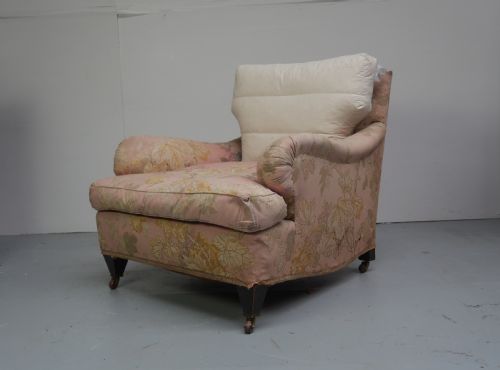
A floral lounge chair provides relaxed seating through deep seats, wingbacks, and open armchairs originating from the nineteenth and early twentieth centuries. These pieces carry traditional upholstery, often paired with mahogany, walnut, or hardwood frames reflecting Victorian, Edwardian, and Regency tastes.
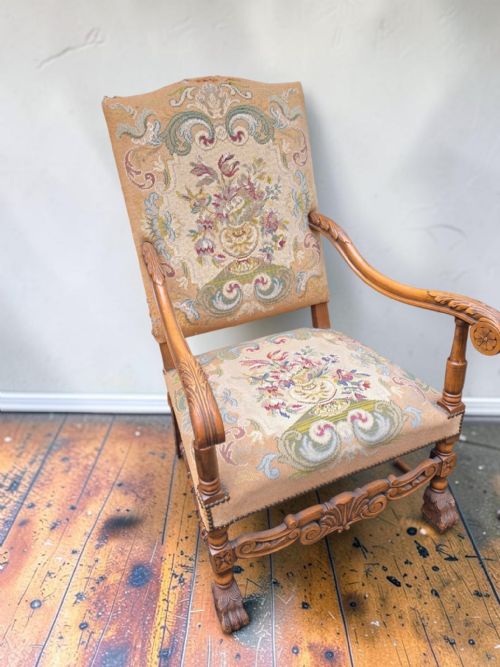
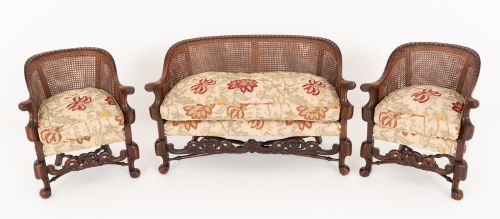
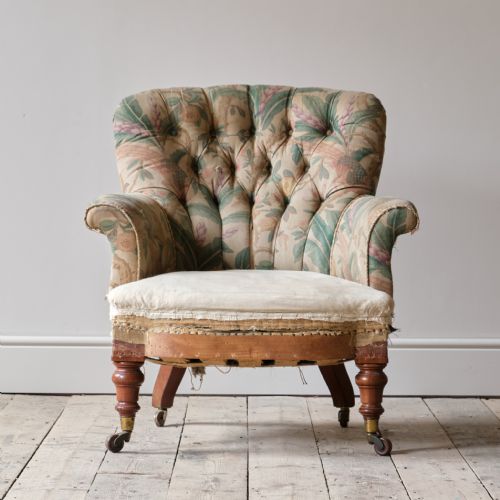
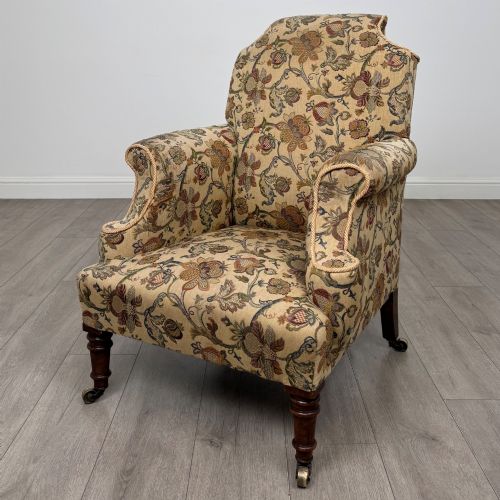
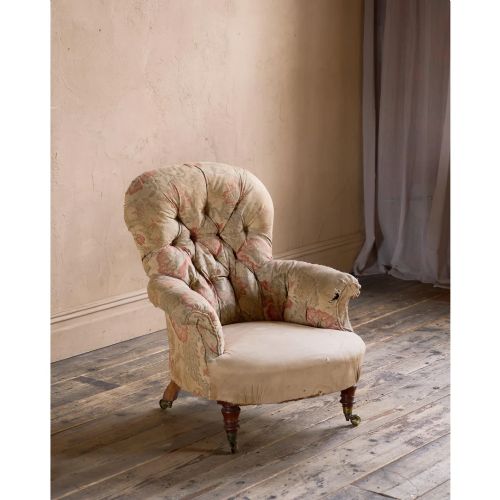
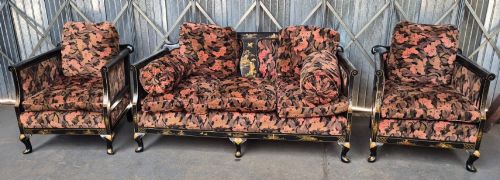
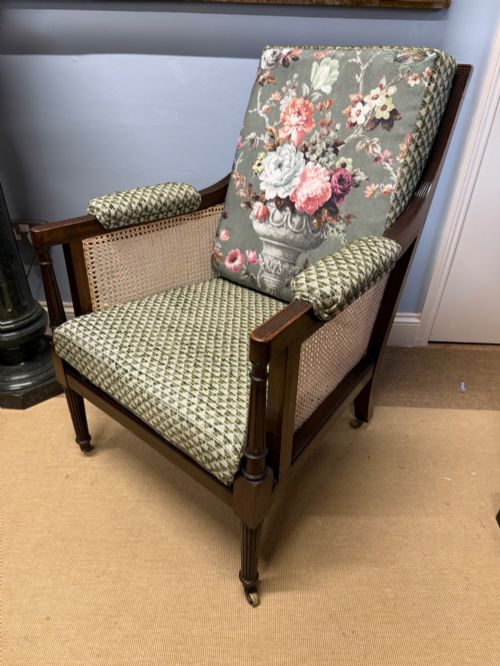
The selections available here lean heavily towards country house armchairs, spoon backs, and bergere suites upholstered in textile, velvet, and tapestry. Buyers will frequently encounter generous proportions designed for comfort, spanning from simple nineteenth-century framework to decorative Edwardian suites.
How they were made
Frames rely on sturdy timbers including mahogany, walnut, and hardwood, shaped with carved details or turned legs. Brass fittings and iron internal framing occasionally support the structure beneath the upholstery.
Upholstery techniques involve traditional textile coverings, velvet, and tapestry, frequently packed with feather fillings or button-backed padding for support. Wood surfaces display polished finishes that highlight the natural grain of the timber.
Some nineteenth-century armchairs hide feather-filled cushions designed for deep country house relaxation.
What varies in quality
The integrity of the underlying hardwood frame and the skill of the original joinery set finer examples apart from simpler production. Carved details on the wooden arms and legs show the hand of the maker more clearly in superior pieces.
The choice of covering fabric and the retention of supportive fillings dictate the overall comfort and visual weight of the seating. Pieces carrying maker attributions or distinct stylistic traits from notable workshops command greater attention.
George Jack For Morris·Holland and Sons·Howard and Sons
The Floral Lounge Chair Glossary
- Bergere
- An enclosed upholstered armchair with wooden framing around the sides and back. The frame is often partially filled with cane or tightly stretched fabric.
- Spoon back
- A Victorian chair design featuring an oval padded backrest that curves inward to resemble the bowl of a spoon. This shape provides ergonomic support for the spine.
- Wingback
- An armchair with high side panels attached to the backrest designed to shield the sitter from draughts. Early versions were heavily padded for domestic comfort.
Floral Lounge Chair: Frequently Asked Questions
How do I identify a Victorian armchair?
Victorian armchairs are typically characterised by dark wood frames such as mahogany or walnut, deep button-backed upholstery, and turned or cabriole legs. Their proportions are generally generous and built for formal drawing rooms or studies.
Later Victorian pieces often incorporate sprung seats and heavier padding compared to their Regency predecessors, leaning into comfort alongside decorative carved details.
What is a country house armchair?
A country house armchair is a deep-seated, heavily cushioned piece designed primarily for comfort rather than formal display. They often feature loose feather-filled cushions and relaxed upholstery.
These chairs were built to be used daily in large libraries and sitting rooms, resulting in an inviting silhouette that prioritises physical ease.
How should I care for antique upholstery?
Protect antique textiles and velvets from direct sunlight to prevent the colours from fading over time. Regular gentle vacuuming with a soft brush attachment helps remove dust from the crevices.
Avoid placing these chairs near direct heat sources to keep the wooden frames from drying out and cracking.
Can I use these chairs in a modern room?
Traditional armchairs work well as statement seating within contemporary spaces, adding texture and historical contrast. Their classic silhouettes anchor minimal or modern interiors effectively.
Pairing an antique armchair with clean-lined modern furniture creates a balanced interior that highlights the craftsmanship of the older piece.