


William IV Daybed
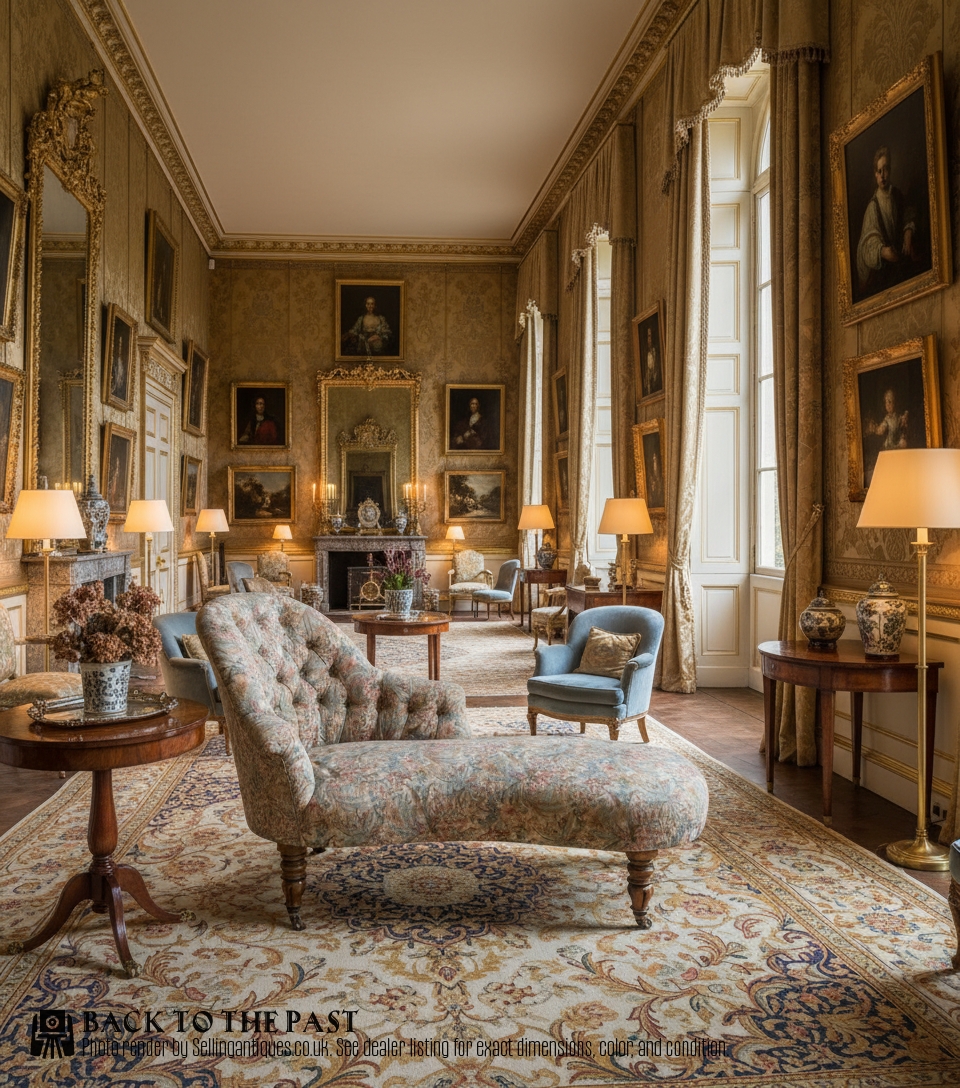
A william iv daybed brings solid timber frames and scrolling ends to a room, offering a place to recline that anchors a classical interior scheme.
William IV Daybed
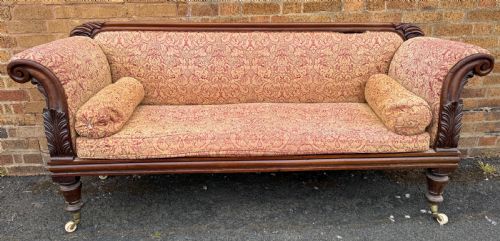
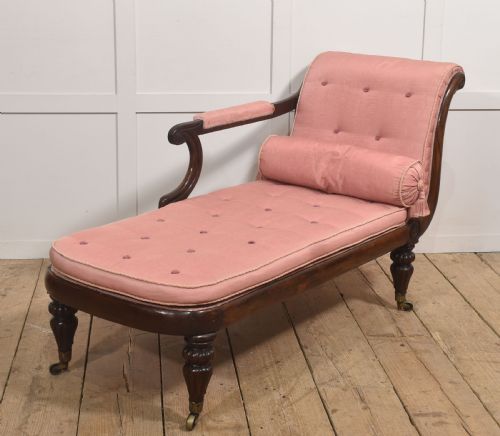
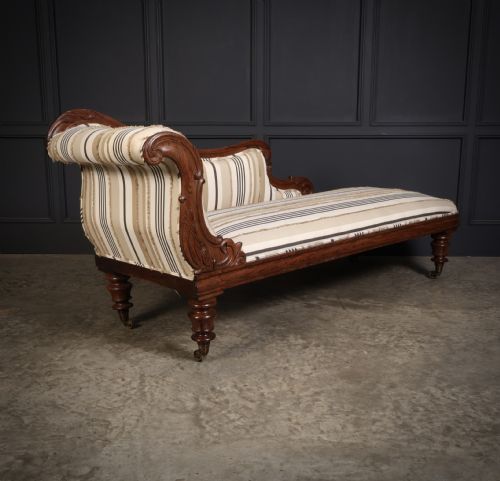
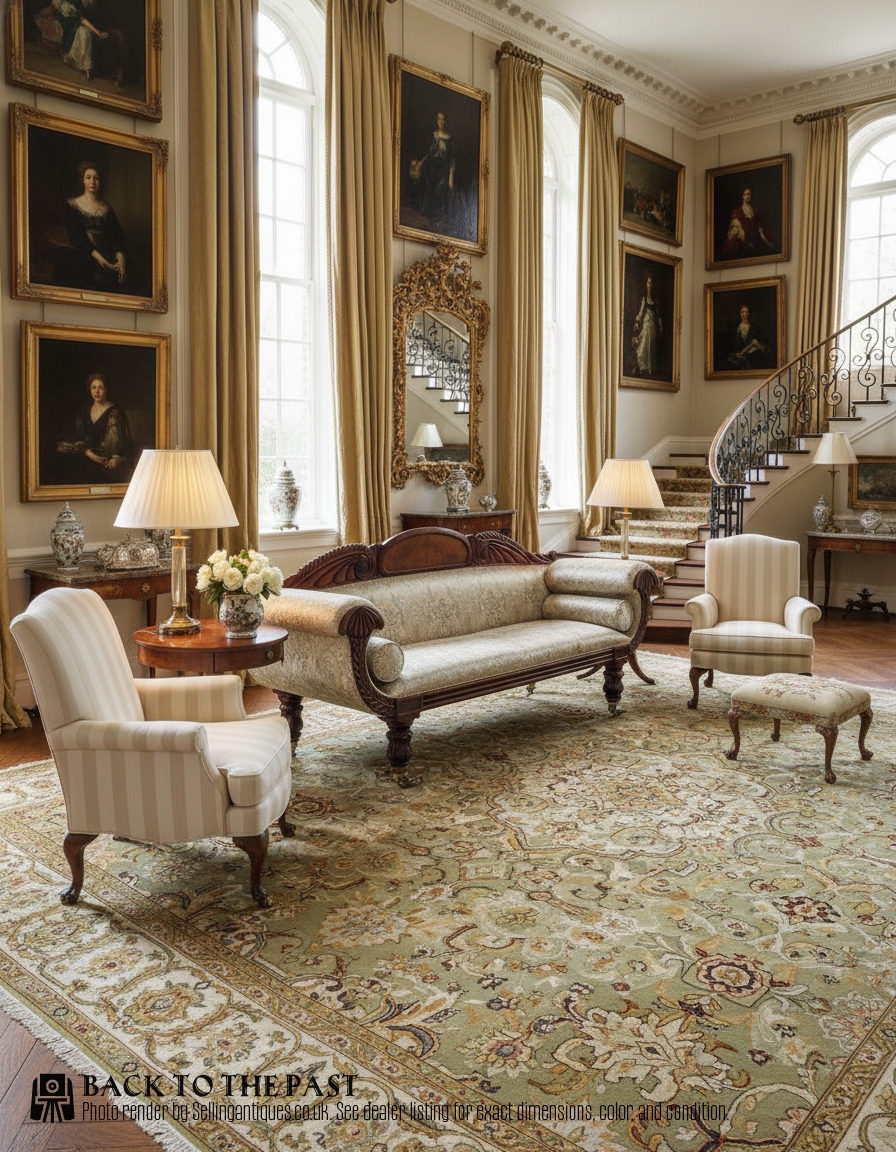
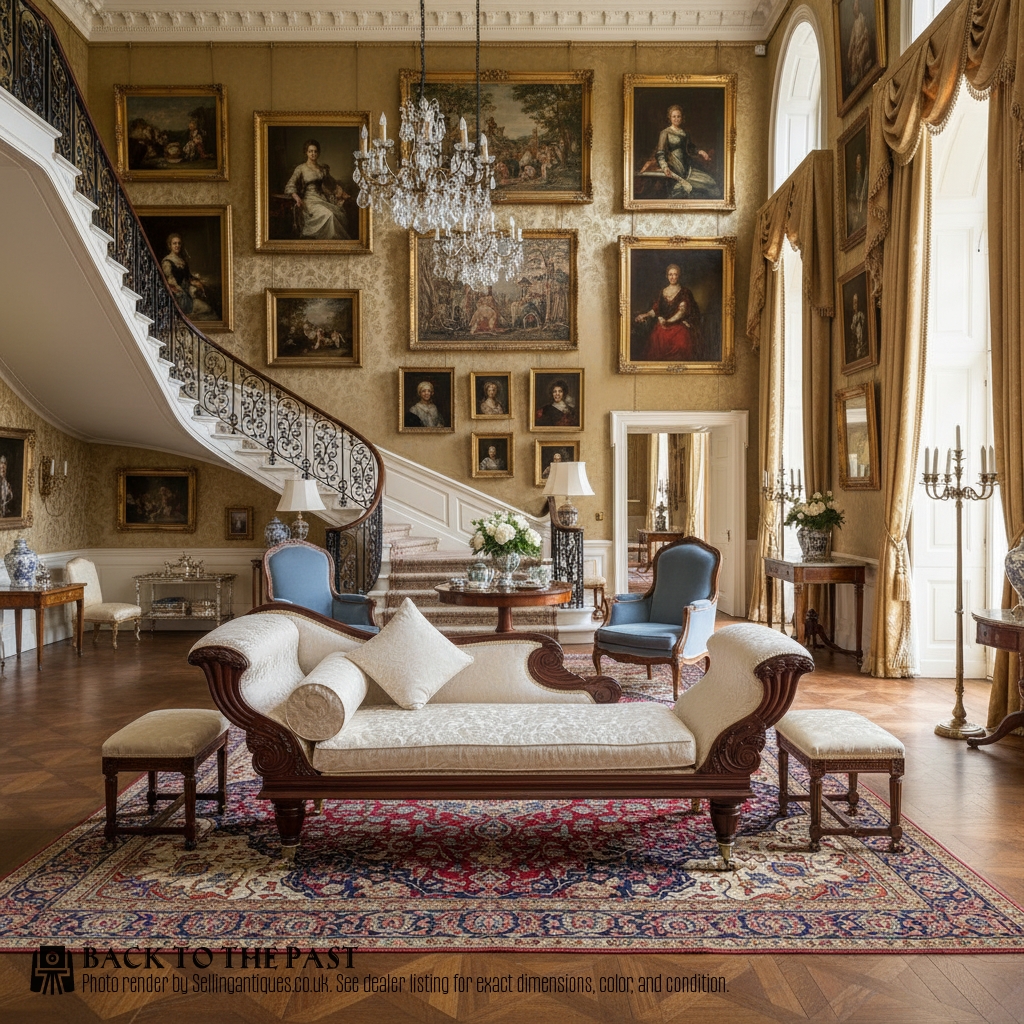
A william iv daybed typically appears as a chaise longue, a scroll-end sofa, or a double-ended settee hailing from the nineteenth century. These pieces combine heavy timber frames with low reclining ends designed for daytime rest.
The versions most commonly met on this page span the 19th century and often display grand regency or early victorian design influences. They function primarily as statement seating in libraries, drawing rooms, and large hallways.
Makers of the period produced both single-ended récamiers and double-ended settees, giving buyers a choice of asymmetrical scroll arms or balanced, symmetrical ends. The wood choice heavily dictates the visual weight of the piece within a room.
Materials and construction
Frames are constructed predominantly from dense hardwoods such as mahogany and rosewood, which allowed cabinetmakers to carve robust scroll arms and decorative mouldings. These timbers provide the structural integrity required to support lengthy upholstered beds.
Upholstery relies on traditional fabrics including damask, leather, and various heavy upholstery textiles stretched over padded foundations. Brass castors frequently finish the feet, allowing these heavy timber frameworks to move across flooring.
William IV Daybed Retail Price Guide 2026
Typical asking prices for william iv daybed among the pieces listed under this phrase on Sellingantiques today, from the lower quarter to the upper quarter. They describe what is for sale here now, not the wider market.
Many pieces include hidden brass castors designed to help Victorian servants glide a heavy rosewood frame across the parlour rug without complaint.
Judging quality and proportion
Superior examples of a william iv daybed display crisply carved scrollwork and tightly grained timbers like figured mahogany or rosewood. The harmony of the proportion between the show wood frame and the upholstered length separates standard pieces from exceptional ones.
The integrity of the joinery at the joints of the scroll ends dictates the long-term stability of the daybed. Higher quality pieces maintain rigid frames without movement in the arms, even after decades of use.
The William IV Daybed Glossary
- Chaise longue
- An upholstered chair that is long enough to support the legs, functioning as a hybrid between a chair and a daybed.
- Scroll end
- A sweeping, curved wooden terminal on a sofa or daybed that rolls outward at the arm or head.
- Double-ended settee
- A sofa featuring matching raised ends on both sides, allowing a person to recline facing either direction.
- Récamier
- A type of daybed with two raised ends, typically featuring one end higher than the other or matching scroll profiles.
- Damask
- A reversible figured fabric traditionally woven from silk, wool, or linen, often utilised for formal upholstery.
William IV Daybed: Frequently Asked Questions
How do I style a daybed in a modern room?
Position the daybed against a main wall or floating within a large room to showcase the timber grain and scroll-end silhouette from all angles.
Keep surrounding furniture lower in profile to let the architectural lines of the nineteenth-century frame command attention.
How should I care for the mahogany frame?
Dust the timber regularly with a dry, soft cloth and keep the piece away from direct sunlight and heat sources to prevent the wood from drying out.
Apply a traditional beeswax polish sparingly when the wood appears dull, rubbing it gently into the grain.
Are these daybeds comfortable for daily lounging?
These daybeds offer firm support due to their period padding and heavy timber construction, making them well-suited for reading or resting in a semi-recumbent posture.
Their primary function historically was daytime relaxation rather than deep sleeping.