



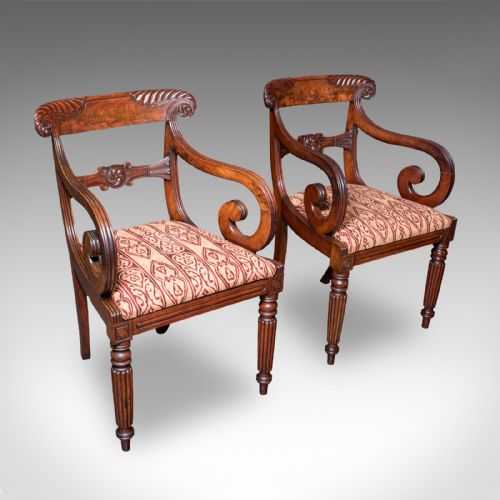
Traditional English Seating
Traditional English seating brings together centuries of vernacular woodwork and upholstered comfort, from Windsor armchairs to deep country house sofas.
Traditional English Seating
Traditional English seating encompasses a broad spectrum of domestic and garden forms, spanning dining chairs, armchairs, stools, benches, and sofas. When exploring traditional English seating, buyers encounter diverse regional and stylistic expressions shaped by domestic life from the Georgian era through to the twentieth century.
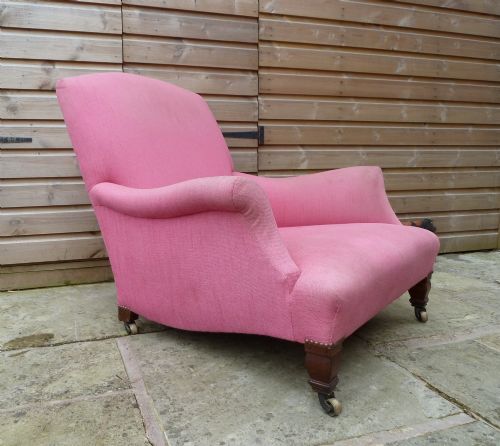
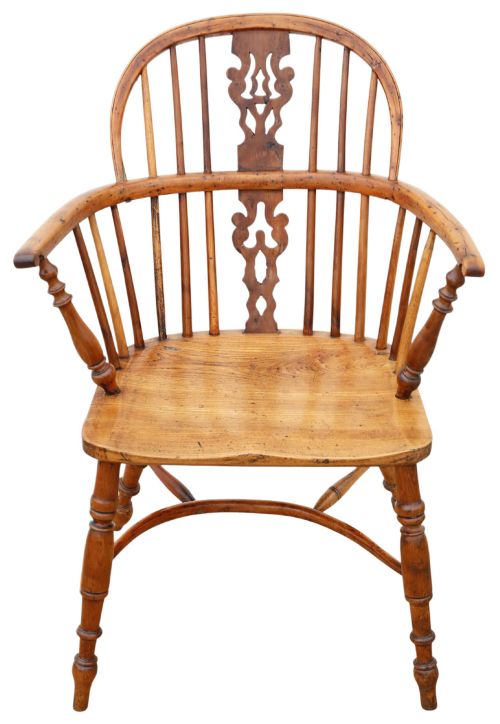
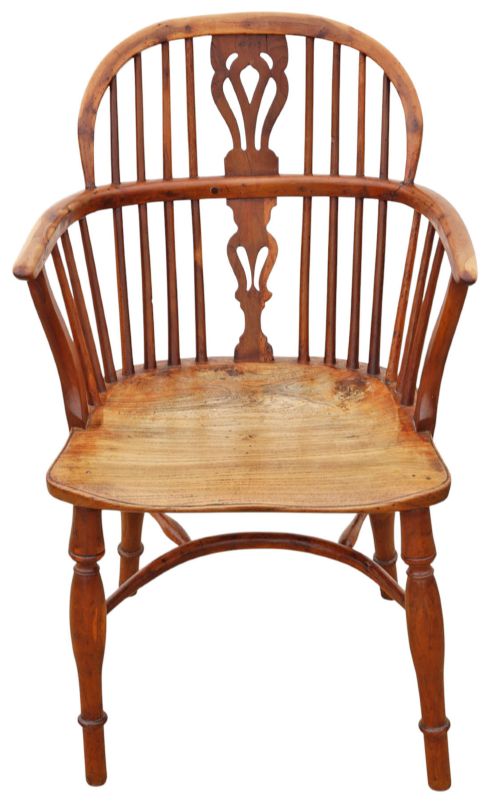
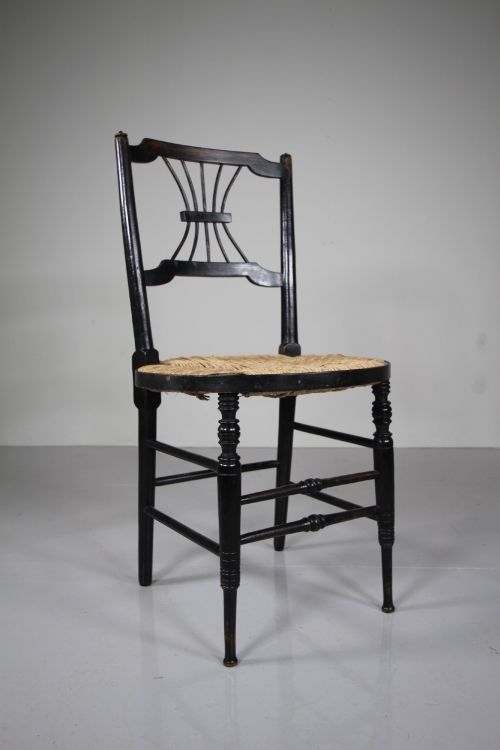
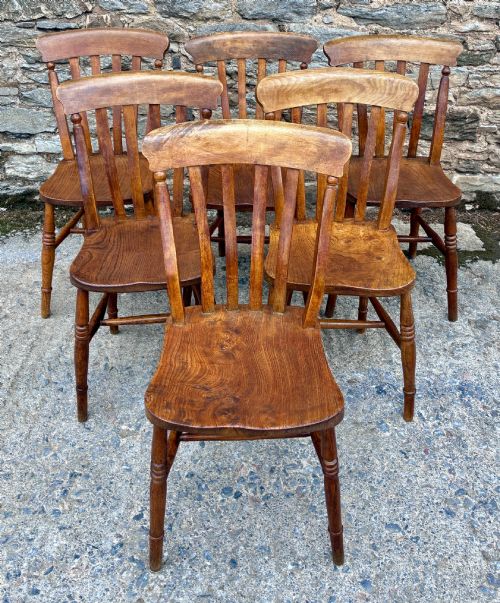
The selection leans heavily toward classic wooden forms like Windsor armchairs and ladder-back dining chairs, alongside upholstered library and morning room seating. Pieces originate across the nineteenth and early twentieth centuries, drawing on Georgian, Victorian, and Edwardian design traditions.
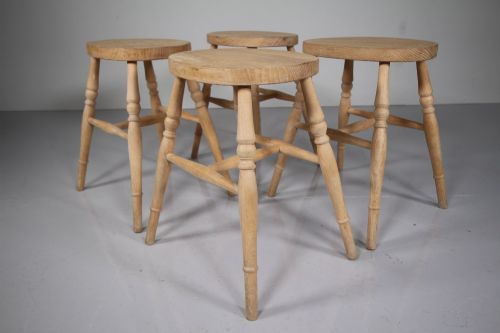
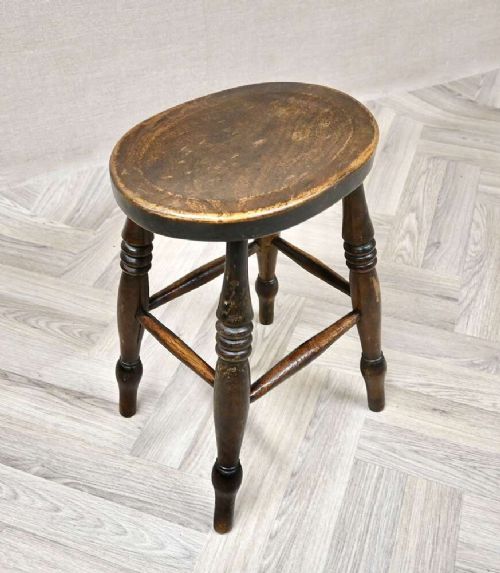
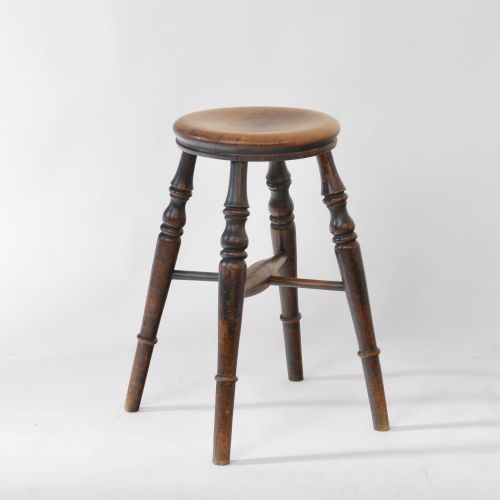
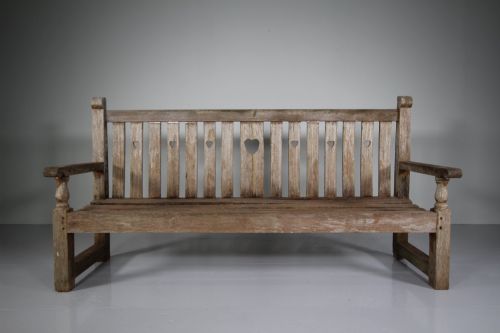
Country vernacular pieces feature prominently, utilising native timbers shaped by local tradition. Formal dining sets and library chairs sit alongside kitchen stools and garden benches, reflecting the varied social spaces these seats once occupied.
Materials and construction
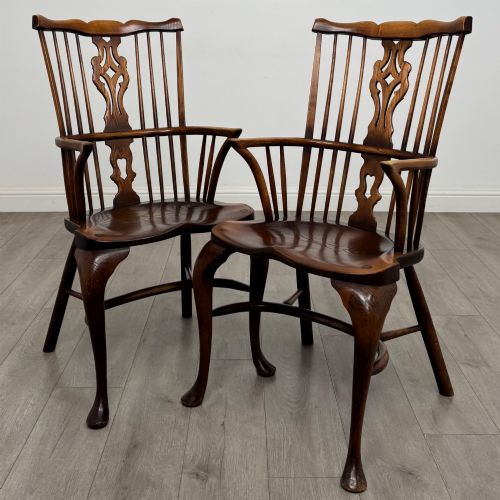
Makers utilised native hardwoods such as ash, elm, oak, mahogany, walnut, and yew, often combining timbers within a single piece, as seen in traditional Windsor chairs pairing elm seats with ash or yew spindles. Joinery relies on traditional methods including mortise and tenon joints, steam-bending, and turned components.
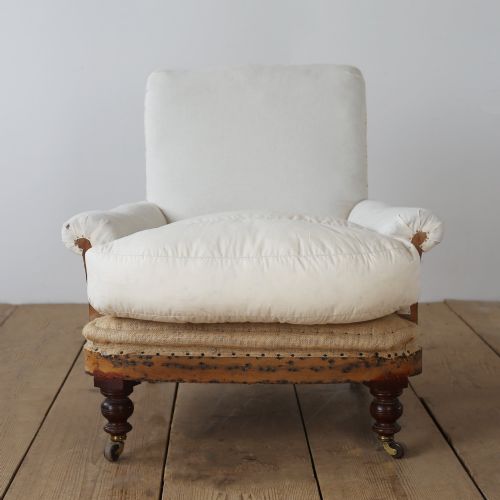
Upholstered forms incorporate supportive webbing, springs, and stuffing covered in calico, linen, or patterned fabric. Garden furniture makes use of durable hardwoods like teak, built to withstand outdoor exposure while retaining structural integrity.
A kitchen stool once stood beside a tavern fire, enduring countless spilled ales and muddy boots before finding peace in a quiet hallway.
Assessing quality
Quality rests in the integrity of the timber selection, the crispness of turned details, and the survival of an honest, undisturbed surface finish or patina. Grain configuration and timber matching reveal the care taken by the maker during construction.
Structural stability and the retention of original components distinguish superior examples from heavily restored ones. In upholstered items, the depth of comfort and the quality of internal stuffing and traditional fabric coverings mark the upper tier of execution.
Howard and Sons·William Morris·Philip Clissett·Maple and Co·Hampton and Sons
The Traditional English Seating Glossary
- Windsor chair
- A wooden chair built with a heavy solid seat into which the legs and back spindles are tenoned directly. This form developed deep regional variations across English shires.
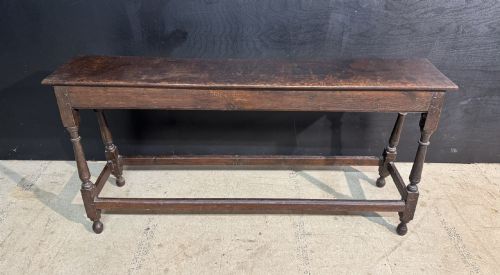
- Joint stool
- A low wooden seat constructed with mortise and tenon joints pegged together rather than turned legs. These sturdy pieces served varied domestic functions in earlier centuries.
- Patina
- The surface sheen and colour developed over decades of handling, exposure, and polishing. A good patina indicates age and continuous use.
- Elbow chair
- An armchair designed with lower arms, historically used in dining rooms or studies. They offer side support without the full enclosure of a deep armchair.
- Spindle back
- A chair back constructed with a series of slender turned vertical wooden rods. This method provided lightweight strength for kitchen and vernacular seating.
Traditional English Seating: Frequently Asked Questions
What is a joint stool?
A joint stool is an early form of domestic seating held together by pegged mortise and tenon joinery rather than turned legs. They were built for heavy daily use around the household.
These sturdy wooden pieces often double as small side tables or stands in contemporary interiors.
Where were country armchairs used?
Country armchairs served in farmhouse kitchens, taverns, and country house morning rooms. Their robust timber frames were built to withstand generations of daily domestic wear.
Today, they bring warmth and texture when placed beside modern upholstery in a living room.
How do I care for antique wooden seats?
Antique wooden seating requires stable indoor humidity levels away from direct heat sources and sunlight. Occasional application of appropriate wax maintains the protective finish.
Avoid aggressive cleaning products that strip away the accumulated surface patina built up over decades.