


Regency Style Brass Table
These pieces take the classical lines of the Regency style and bring them to life through polished brass, mahogany, and rosewood.
Regency Style Brass Table
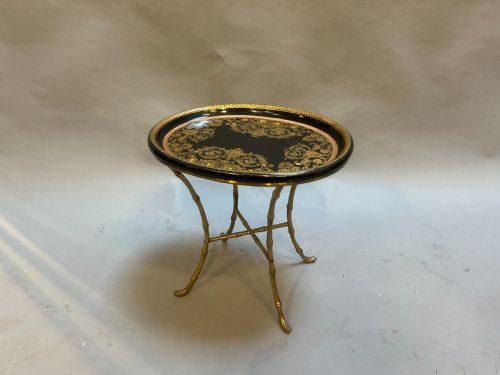
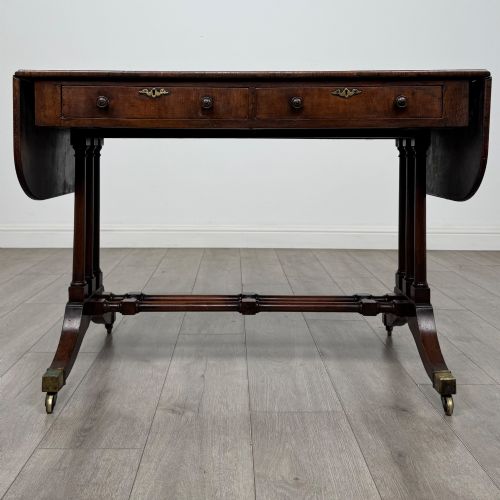
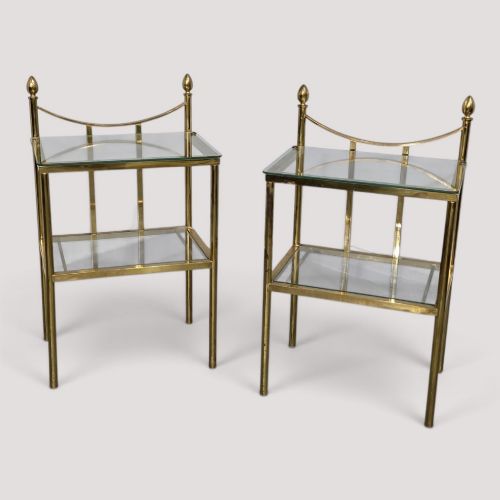
A regency style brass table brings together the classical elegance of the Regency period with durable metal accents, offering both decorative presence and daily function. When searching for this form, buyers encounter an array of occasional tables, etageres, lamp tables, and coffee tables that incorporate brass trim, inlay, or framing.
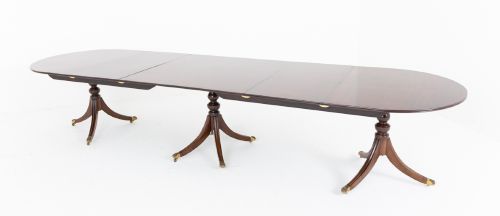
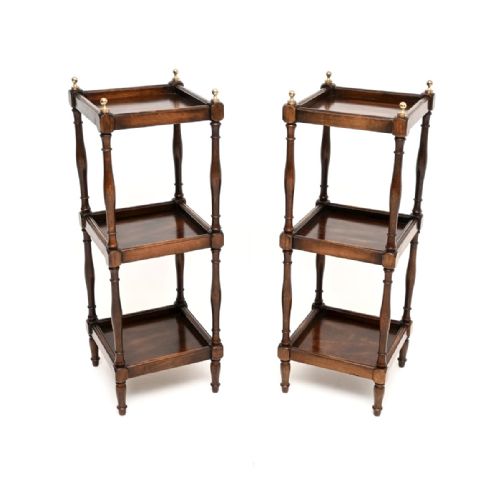
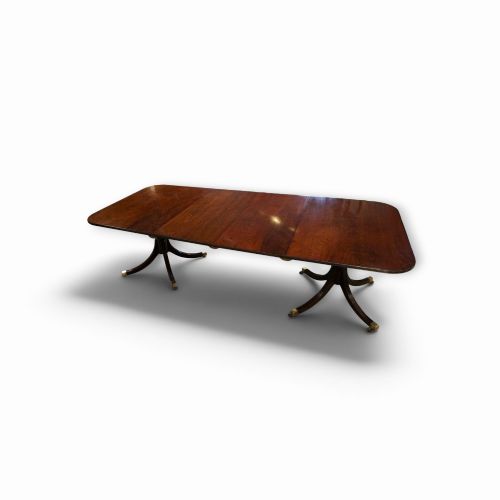
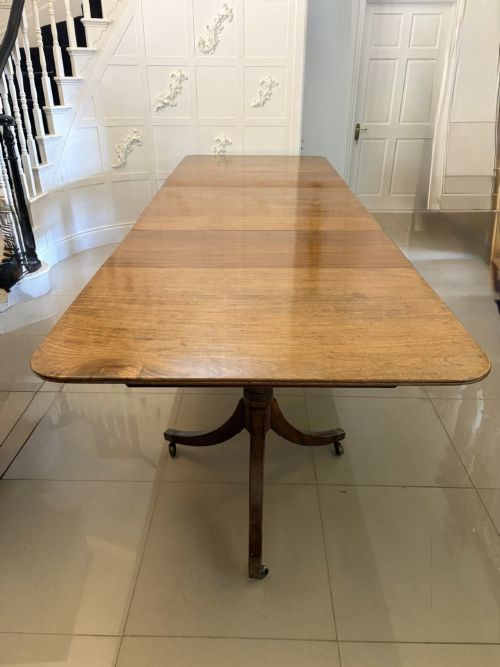
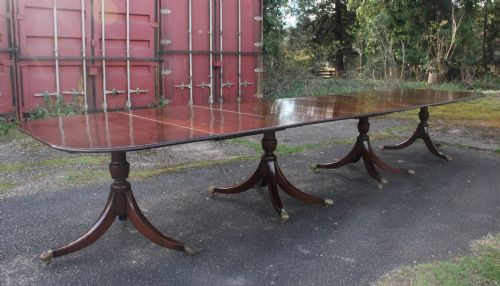
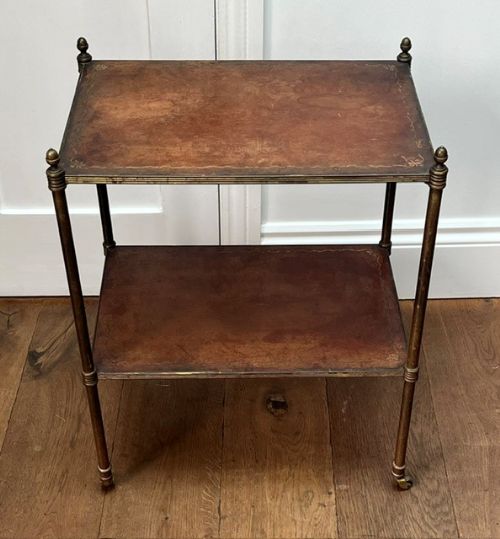
The selection on this page ranges from early nineteenth-century originals to later revivals from the twentieth century, with mahogany and rosewood frequently forming the primary timber base. Smaller two-tier etageres and lamp tables appear alongside larger dining tables, demonstrating how makers adapted these classic proportions for diverse domestic spaces.
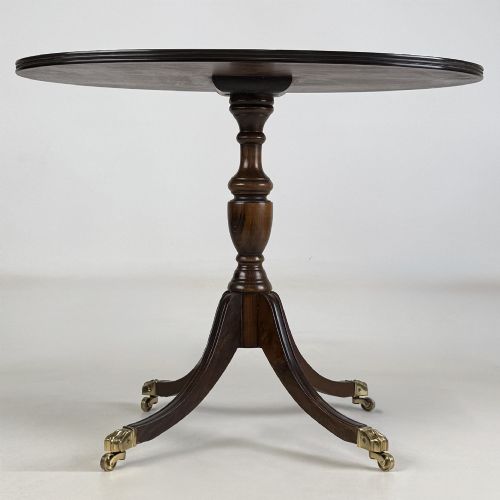
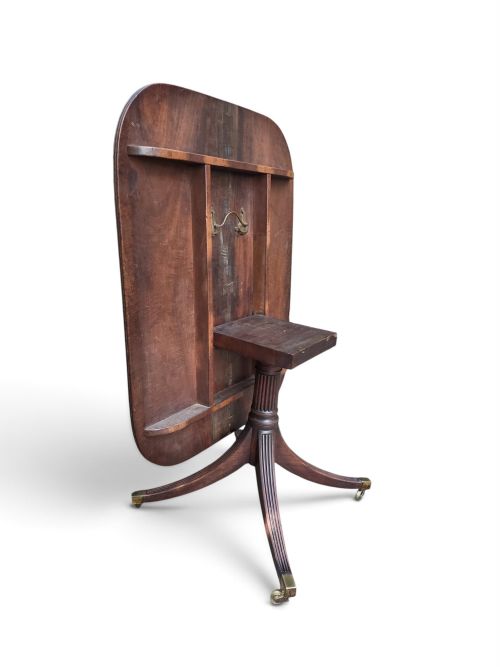
Many pieces display the characteristic influence of Sheraton and George III design idioms, utilising brass castors, handles, and gallery rails to accentuate the dark grain of the wood. Whether examining a compact occasional table or a larger library piece, the integration of brass remains a defining characteristic.
Materials and construction
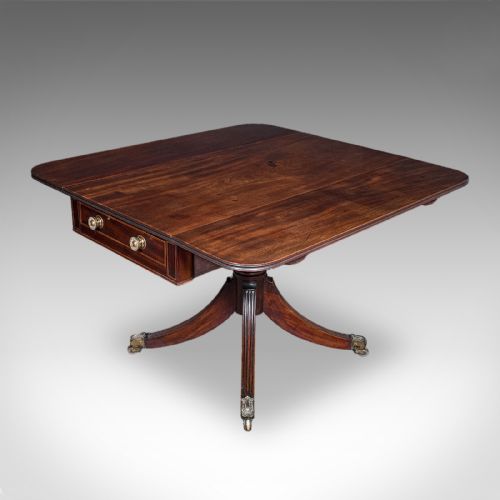
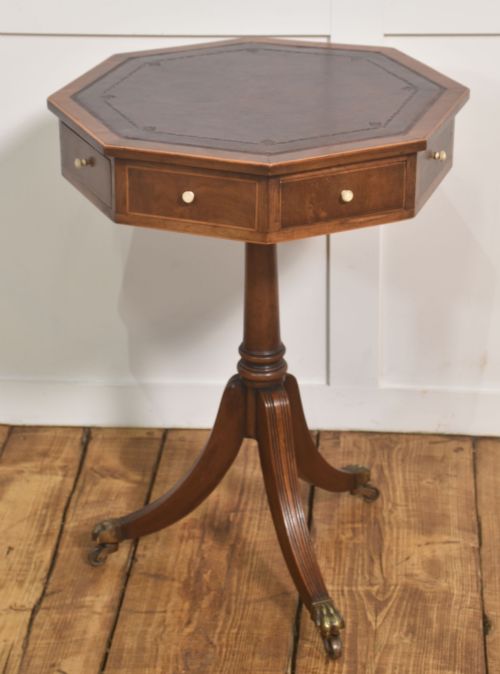
Makers built these tables using dense hardwoods like mahogany, rosewood, and burr oak, often applying finely figured veneers to expansive surfaces such as drum table tops and Pembroke leaves. Cabinetmakers utilised solid timbers for structural supports, pedestals, and reeded legs, ensuring stability for extending dining tables and heavy writing desks.
Brass elements were cast, chased, and applied as gallery rails, inlaid stringing, feet, and column mounts, sometimes complemented by gilt bronze or ormolu details. Leather inserts with gold tooling frequently adorned the tops of desks and library tables, providing a contrasting texture to the polished timber and metalwork.
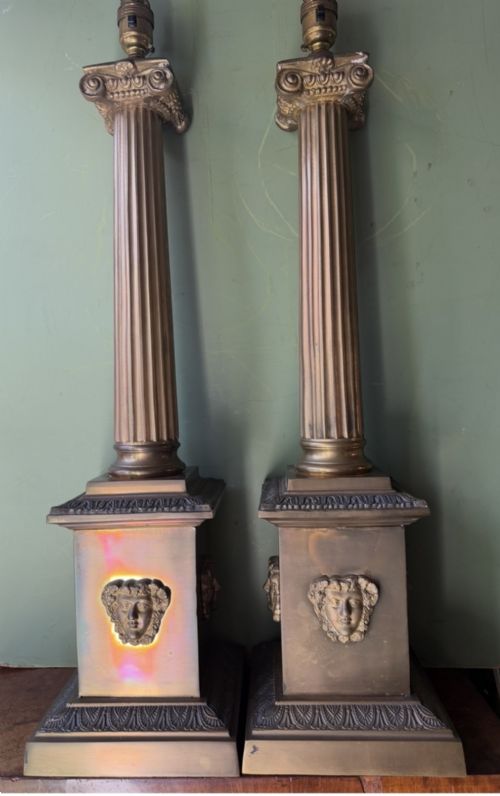
Ram heads and finely chased ormolu details occasionally peer out from table lamps, proving that furniture makers loved a touch of theatrical theatre.
Markers of distinction
The refinement of the brass casting and the precision of the brass inlay set finer examples apart from standard production pieces. Crisp chasing on ormolu mounts and tightly fitted metal stringing indicate a higher tier of craftsmanship during both the original period and subsequent revivals.
Timber selection and veneer matching heavily influence the overall character of a piece, with figured mahogany and rich rosewood displaying superior depth of grain. Robust pillar mechanisms on extending dining tables and solid weight in etageres and lamp tables further distinguish superior workshop output.
George Bullock·Mallett of London·Whytock & Reid·Gillows
The Regency Style Brass Table Glossary
- Ormolu
- Gilded bronze applied as decorative mounts, feet, or fittings on furniture and lighting. This technique creates a rich metallic contrast against dark timbers.
- Etagere
- A set of open shelves used for displaying objects or serving as a small side table. These multi-tiered pieces often incorporate brass frames and glass surfaces.
- Drum Table
- A circular library or occasional table with a deep frieze containing drawers, typically supported on a central pillar and tripod legs. They often feature leather-lined tops and brass hardware.
- Pembroke Table
- A small drop-leaf table with hinged flaps on either side, designed for versatile placement. They frequently rest on slender legs with brass castors.
- Reeded Legs
- Rounded parallel mouldings carved into table legs to create a textured, fluted effect. This decorative detail is common in Regency and revival furniture.
Regency Style Brass Table: Frequently Asked Questions
How do I identify a true period piece?
Examine the construction methods, timber ageing, and hand-cut joinery beneath the surface, which differ from twentieth-century revival techniques. Original pieces from the nineteenth century show distinct wear patterns and tool marks consistent with period workshop practices.
Compare the secondary woods used inside drawers and beneath table tops with documented examples from the same era. Hardware such as brass locks and castors should match the manufacturing standards of the stated period.
Where should I place a two-tier brass etagere?
These versatile two-tier pieces function well beside seating areas as lamp tables or within smaller rooms where vertical storage is beneficial. Their open metal and glass or wood construction keeps visual weight minimal in compact spaces.
Avoid placing them in areas exposed to direct sunlight or dampness to protect the polished brass and timber veneers. Regular dusting with a dry cloth helps maintain the finish of the metal and wood components.
What is the difference between Regency and Regency Revival?
Regency pieces were manufactured during the early nineteenth century under the Regency style and George IV era. These items carry the authentic age, wear, and construction characteristics of that specific timeframe.
Regency Revival pieces were constructed later, particularly around 1900 to 1930, when cabinetmakers recreated those classical proportions. Revival pieces utilise similar brass accents and mahogany timbers but possess newer internal joinery and secondary woods.
How do I care for the brass and mahogany surfaces?
Clean the timber surfaces using a soft cloth and apply appropriate furniture wax sparingly to nourish the grain. Avoid silicone-based sprays that can damage antique polishes over time.
Polish the brass elements gently with a specialised metal cleaner only when necessary, taking care to shield adjacent wood and leather. Regular maintenance prevents tarnish build-up while preserving the original patina of the metalwork.