
Brass Table with Castors
A brass table with castors brings the mobility and elegance of nineteenth-century craftsmanship directly into a modern interior.
Brass Table with Castors
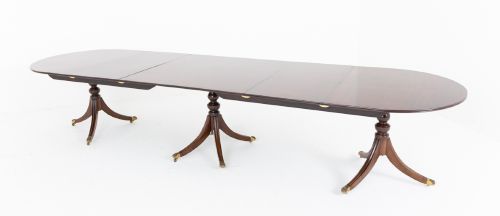
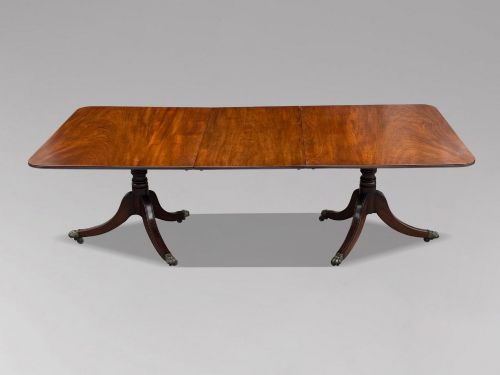
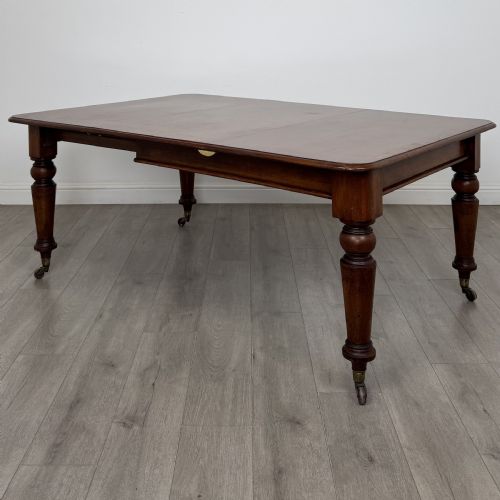
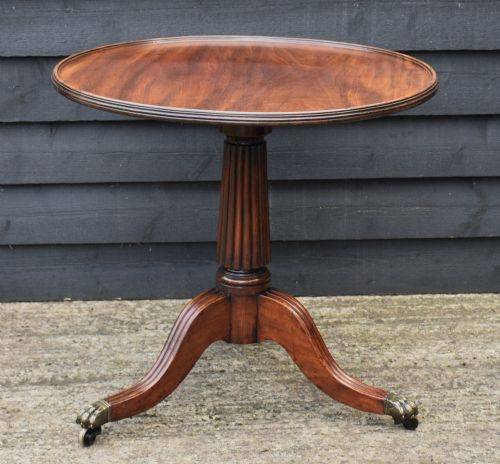
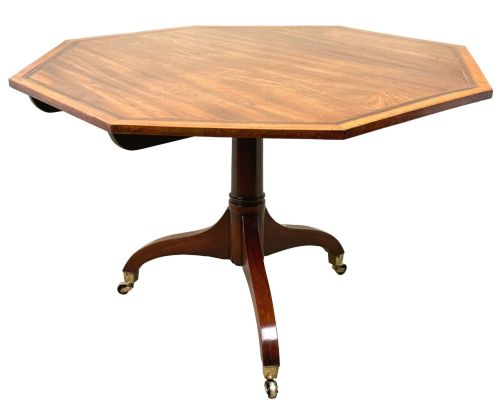
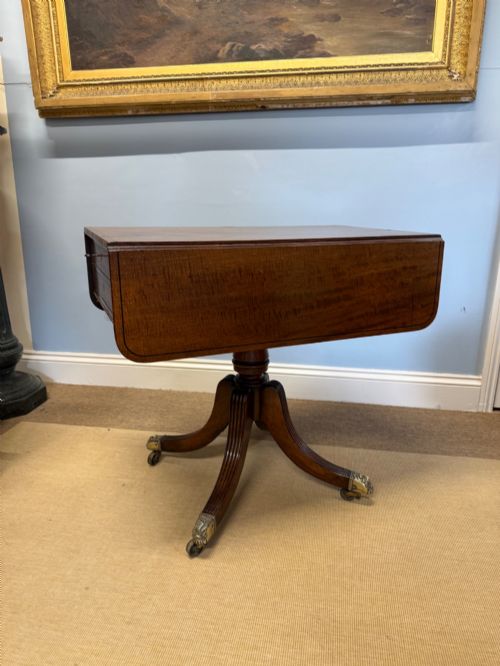
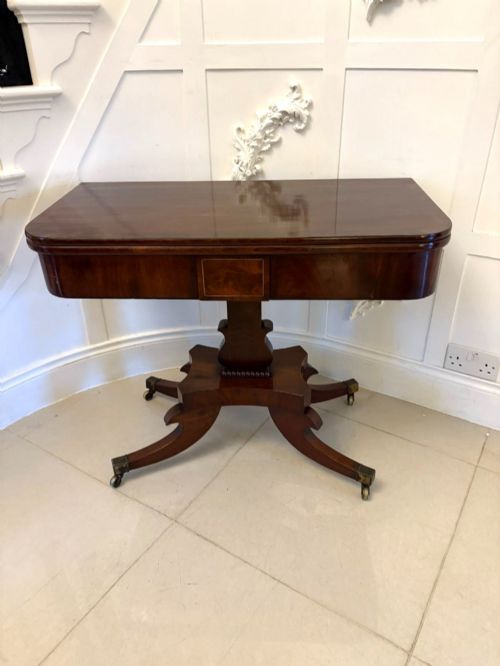
A brass table with castors encompasses a wide variety of domestic furniture designed for flexibility, appearing in forms from large dining tables to small writing desks and sofa tables. The evidence shows these pieces originating across the Georgian, Regency, Victorian, and Edwardian periods, utilising timber frames fitted with metal wheels to allow easy movement across carpets and wooden floors.
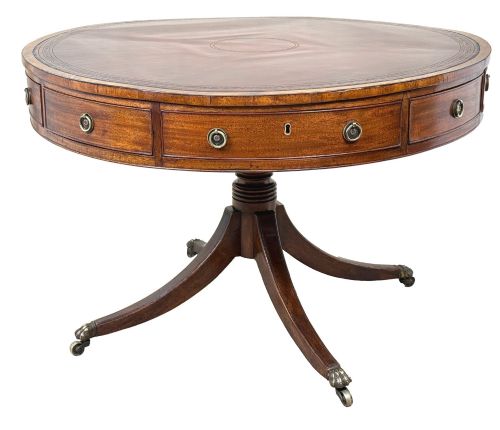
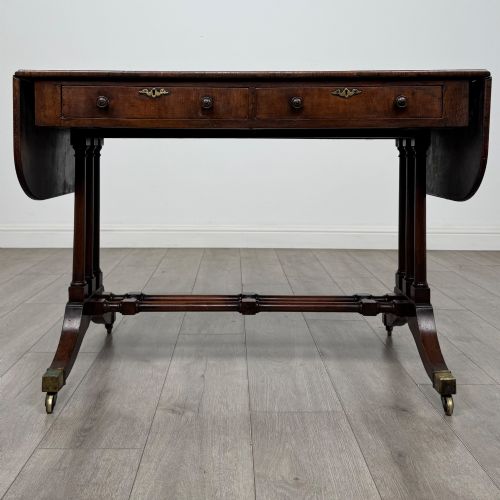
Sofa tables, Pembroke tables, and occasional tables dominate the selection, alongside larger pedestal dining tables and library writing desks. Mahogany and rosewood form the primary bodies of these pieces, frequently ornamented with satinwood banding, inlay, or leather writing surfaces while retaining functional undercarriage wheels.
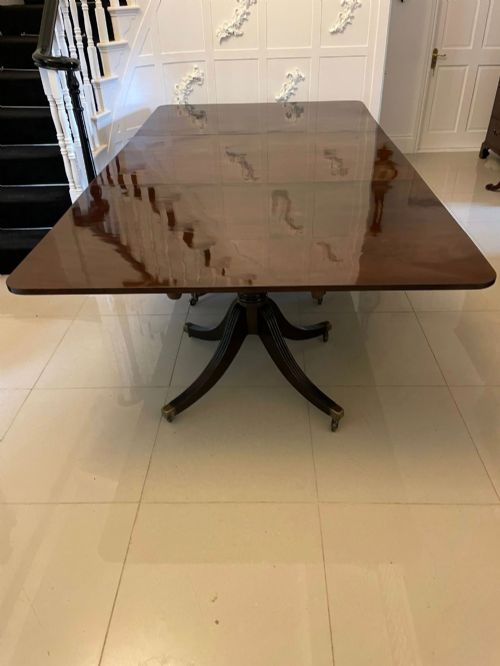
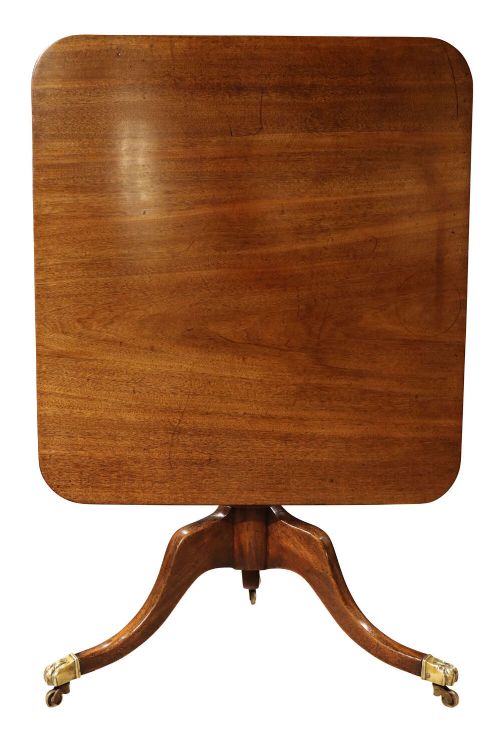
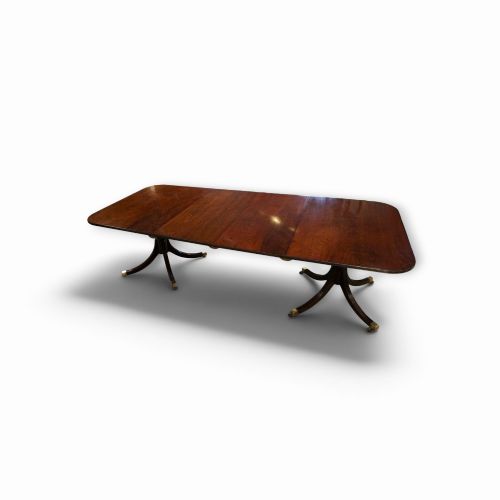
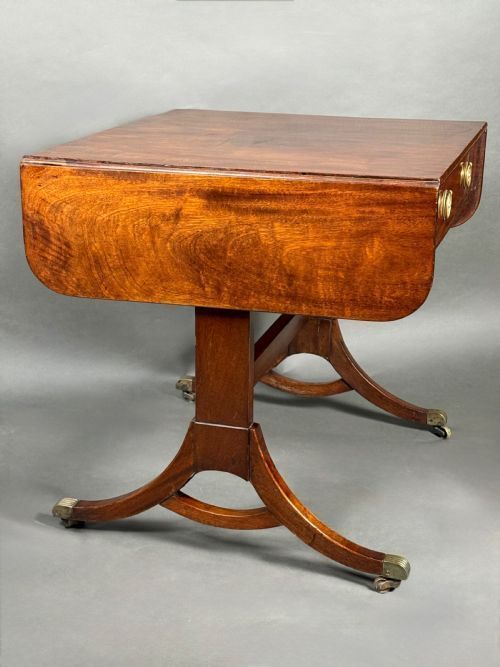
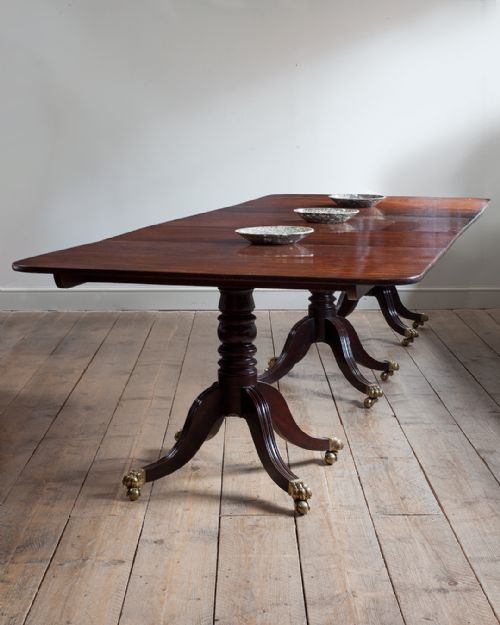
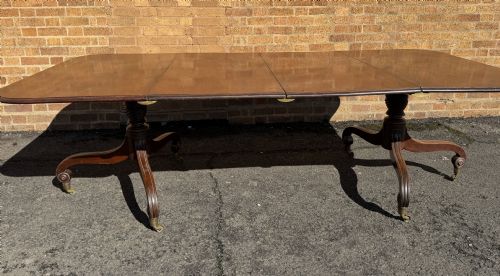
The Regency period heavily influences the surviving pieces, displaying characteristic brass sabots, paw feet, and turned columns that elevate utilitarian furniture into ornamental focal points. Buyers will encounter both smaller occasional pieces meant for light daily use and substantial multi-pedestal dining furniture built for grander rooms.
Materials and Construction
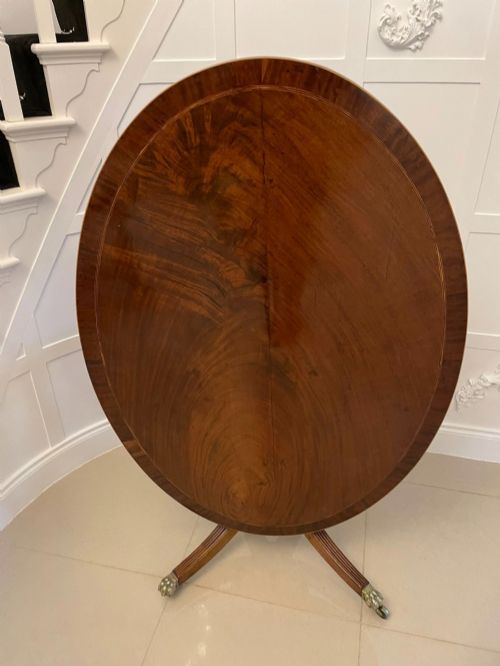
Makers built these tables primarily using dense hardwoods such as mahogany, rosewood, and golden oak, often incorporating secondary timbers for internal framing and drawer construction. Timber surfaces frequently received decorative treatments including satinwood inlay, ebony stringing, or cross-banding to contrast the grain of the primary wood.
Cast metal components anchor the base of the design, utilising brass for castors, paw feet, sabots, and handles. These metal elements were cast and turned to match the proportions of the table legs, whether supporting a single central column with splayed feet or tapered, reeded supports on multi-legged dining tables.
Mahogany and rosewood dominate the timber selections across the recorded inventory, frequently accented with satinwood inlay.
Distinctions in Standard
Quality separates pieces through the crispness of the timber selection, such as flame mahogany or highly figured rosewood, paired with the precision of inlaid banding and cross-banding. Superior examples display harmonious proportions, particularly in smaller sofa or work tables where delicate drawer construction and balanced undercarriages matter.
The execution of the metalwork further distinguishes the tier of a piece, with finely detailed brass paw feet, heavy castors, and original hardware showing greater integrity than later replacements. The integration of secondary materials like tooled leather on writing desks or specialised mechanics for tilt-top dining tables also indicates a higher grade of original manufacture.
Mallett of London·Lamb of Manchester
The Brass Table with Castors Glossary
- Castor
- A small wheel mounted on a swivel at the base of a leg to permit smooth rolling movement. These metal attachments often terminate in decorative brass paws or cups.
- Sofa Table
- A rectangular table designed in the Regency and Victorian eras to stand before a sofa, featuring drop leaves on either side and usually two small drawers.
- Pembroke Table
- A small occasional table with hinged drop leaves on two opposing sides, popular for breakfast or writing.
- Cross-banding
- A border technique where thin strips of veneer are laid across the grain of the main surface, creating a contrasting frame around the tabletop.
Brass Table with Castors: Frequently Asked Questions
What rooms suit a brass table with castors?
These tables adapt easily to sitting rooms, studies, and dining spaces due to their inherent mobility. Their wheeled bases allow for quick rearrangement when hosting guests or altering room layouts.
Smaller occasional and sofa tables fit neatly beside seating, while larger pedestal dining variants anchor principal reception rooms.
How do I maintain the brass castors?
Keep the moving parts free of dust and household debris to ensure the wheels roll smoothly across flooring. Avoid harsh chemical cleaners on the metal surfaces to preserve the natural aged patina.
A soft cloth and gentle metal polish applied sparingly will maintain the lustre of the brass without harming adjacent wood.
Were these tables meant to be moved often?
The inclusion of metal wheels and castors specifically intended for mobility allowed domestic staff or residents to reposition furniture throughout the day. Writing desks, work tables, and serving tables moved easily to catch natural light or clear floor space.
This functional design remains practical for modern homes requiring flexible furniture arrangements.
How do I distinguish Regency from Victorian examples?
Regency pieces often display classical proportions, sabots, brass paw feet, and refined rosewood or mahogany veneers with delicate inlay. They reflect an aesthetic heavily inspired by neoclassical design and geometric restraint.
Victorian pieces tend to be heavier in construction, utilising denser flame mahogany, darker oak, and more robust turned columns suited to changing nineteenth-century tastes.