


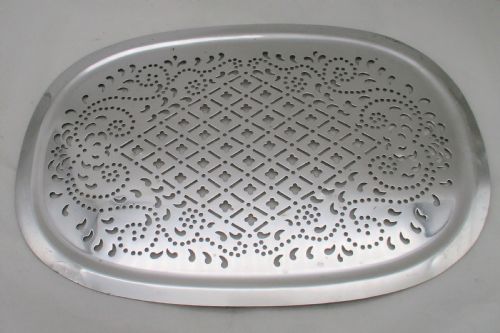


Regency Sheffield Plate Dish
Regency sheffield plate dish covers, tureens and serving vessels bring genuine Georgian elegance to the dining table through their distinctive fused metal construction.
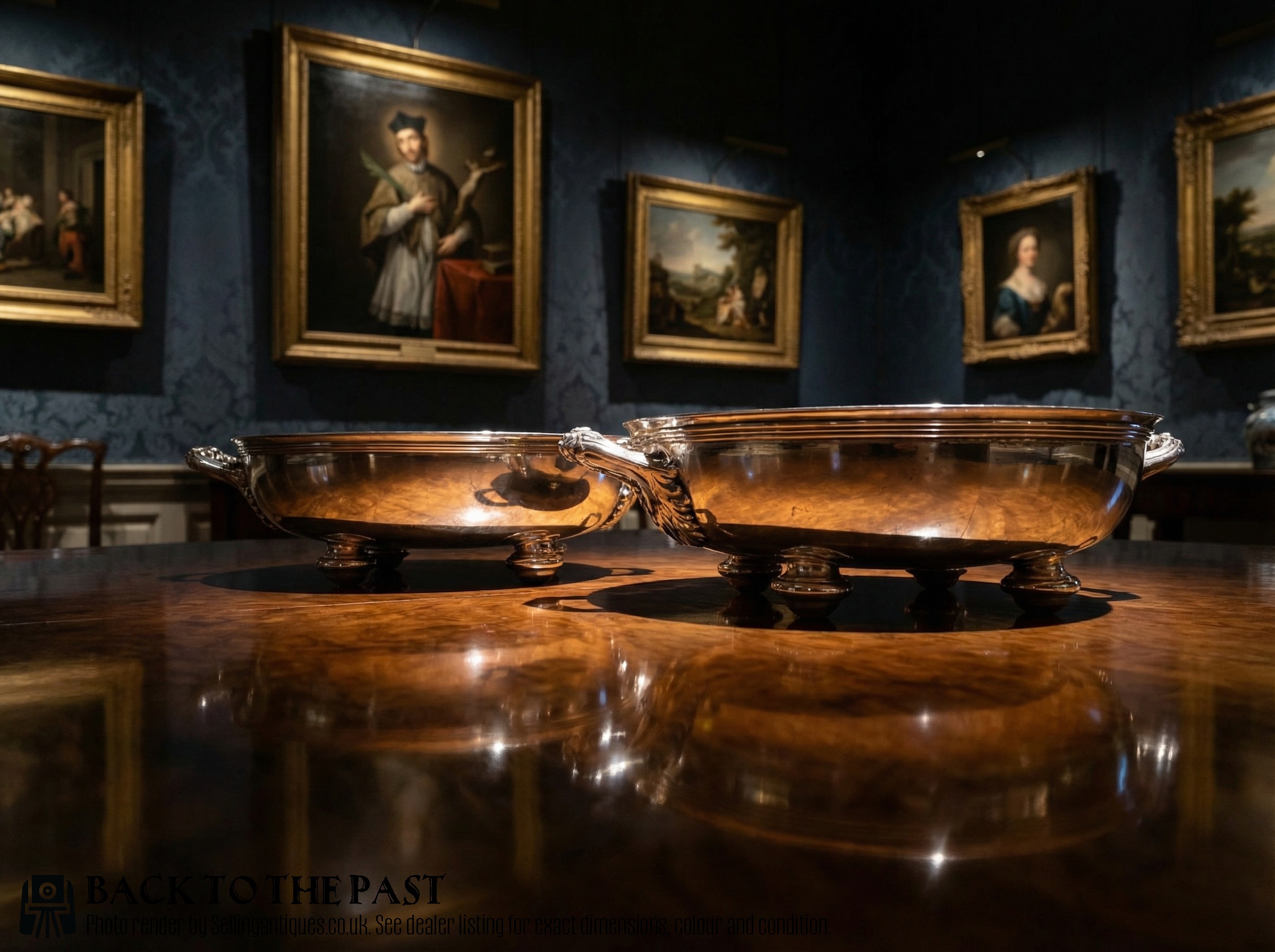
Regency Sheffield Plate Dish
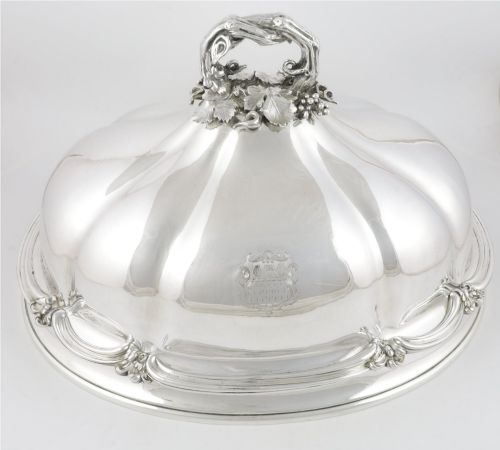
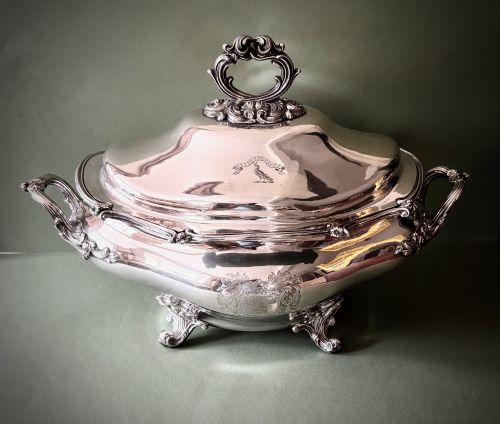
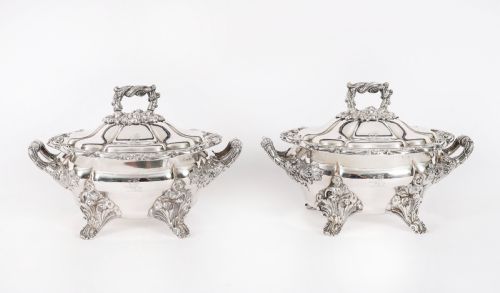
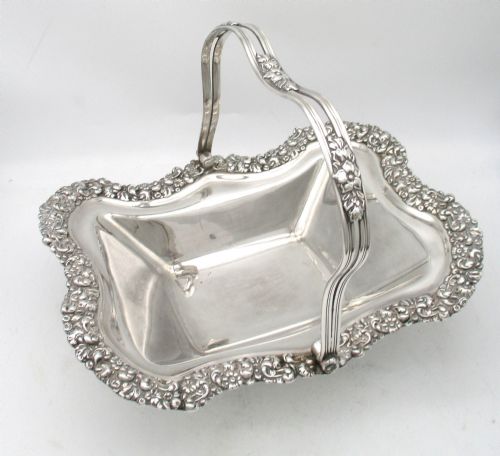
When searching for a regency sheffield plate dish, collectors encounter a variety of dining room serveware including warming dishes, sauce tureens, meat domes, and serving baskets. These pieces date principally from the Georgian and 19th Century periods, encompassing Regency and Early Victorian design aesthetics.
The items listed on this page span several functional categories for the table, featuring lidded entree dishes, knife trays, chamber candlesticks, and mazarine draining plates. Buyers find both individual items and matched pairs designed for formal dining.
Construction and materials
Old Sheffield plate is produced by fusing a thin sheet of silver to a thicker base metal core of copper, creating a durable material that predates modern electroplating. Makers then shaped this composite metal into decorative baskets, covers, and tureens.
Craftsmen often applied applied silver wirework, chased borders, and cast mounts to conceal the exposed edges of copper where the sheets met. This fusion method allows the underlying copper to occasionally show through with age, revealing the genuine layered structure.
The selection includes copper, silver, and old sheffield plate across Georgian, 19th Century, and Regency periods.
Assessing quality and craftsmanship
Quality in these pieces rests upon the crispness of chased detailing, the weight of the copper base, and the minimal loss of the fused silver layer over centuries of polishing. Well-preserved armorial crests and maker marks indicate workshop pride.
Proportion and structural integrity separate standard utility items from superior sculptural forms like large meat domes and wirework baskets. The survival of original handles, finials, and matching liners defines the desirability of the piece.
Roberts Cadman·Creswick·Walker Knowles·Boulton·Dan Holy
The Regency Sheffield Plate Dish Glossary
- Old Sheffield Plate
- A composite material made by thermally fusing silver and copper together before shaping. This technique creates a rich lustre distinct from later electroplated wares.
- Meat Dome
- A large domed cover placed over joints of meat to retain heat on the dining table. These substantial pieces often feature engraved armorial crests.
- Mazarine
- A pierced ceramic or metal plate insert designed for draining liquid from food. In old sheffield plate, these sit inside serving dishes.
- Wirework Basket
- A decorative vessel constructed from interwoven metal wires popular around eighteen hundred. They showcase intricate openwork craftsmanship.
- Warming Dish
- A specialised vessel featuring a compartment for hot water to keep food warm. These items are essential elements of Regency dining.
Regency Sheffield Plate Dish: Frequently Asked Questions
What is old sheffield plate?
Old sheffield plate is an early form of silver plating created by fusing a sheet of silver to a copper core under heat. This method produces a material with a deep, warm glow.
Unlike later nineteenth-century electroplate, old sheffield plate items reveal a subtle hint of copper along cut edges and wear points over time.
How do I clean these pieces?
Cleaning requires gentle silver polish and a soft cloth to avoid wearing through the thin fused silver layer to the copper beneath. Regular care preserves the historic finish.
Harsh chemical dips and abrasive cloths must be avoided entirely as they strip the original surface and diminish the value of the antique.
Were these used daily?
These serving dishes, tureens, and warming plates formed the backbone of formal dining tables in wealthy Georgian and Regency households. They kept food warm during long courses.
Servants brought these lidded vessels from the kitchen to the dining room to serve meats, sauces, and vegetables with theatrical presentation.
How do I spot a maker mark?
Maker marks on these items are usually stamped into the base or interior rim, often consisting of initials or symbols representing the silversmith. Not all pieces bear a stamp.
These tiny punches help attribute pieces to prominent workshops in Sheffield and Birmingham during the late eighteenth and early nineteenth centuries.