


Regency Profile Portrait
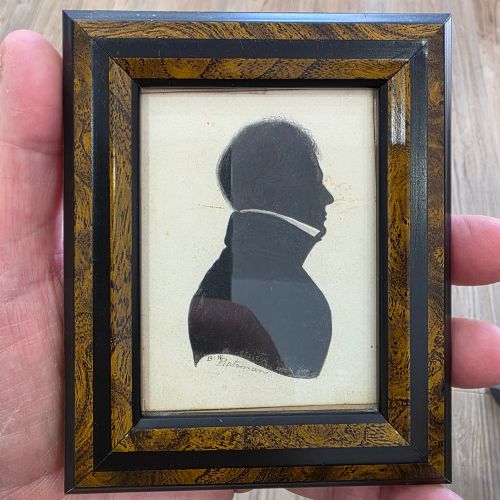
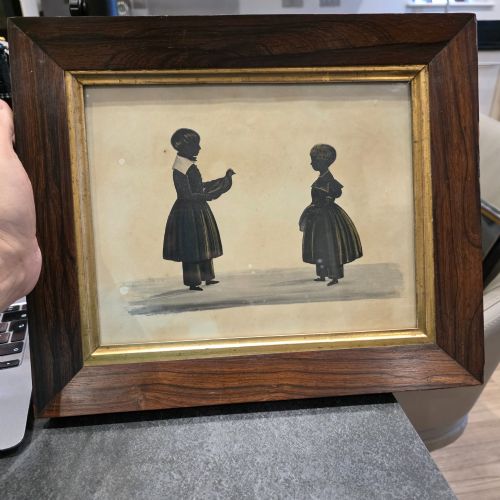
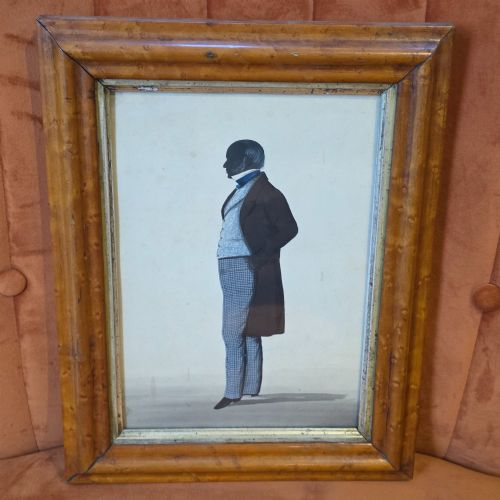
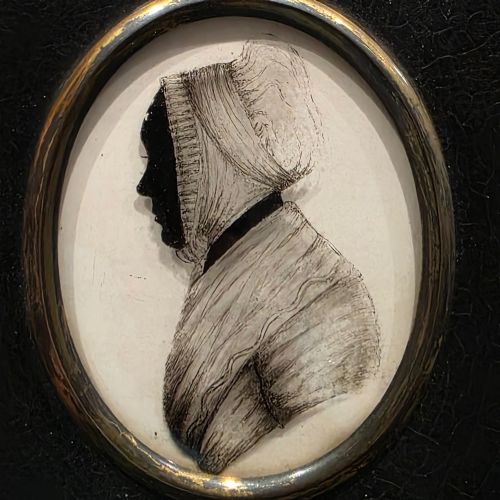
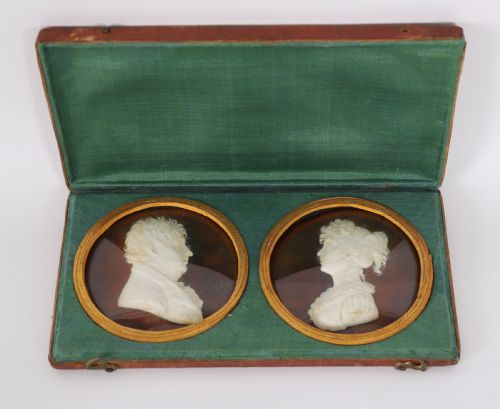
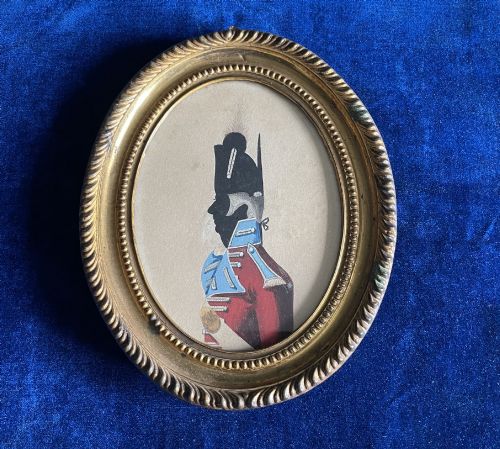
These pieces capture a likeness in strict outline, offering a direct encounter with Regency profile portrait sitters through paper, glass and wax.
Regency Profile Portrait
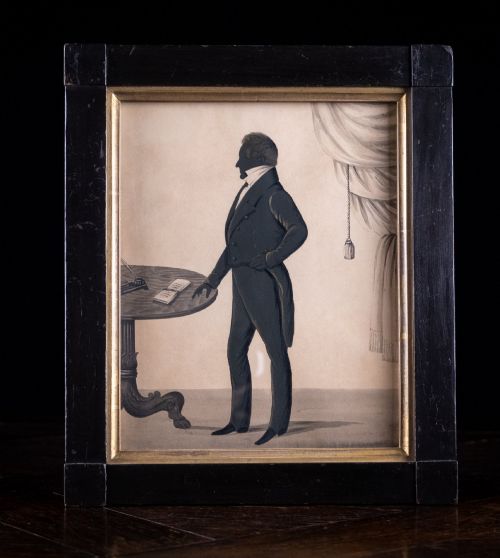
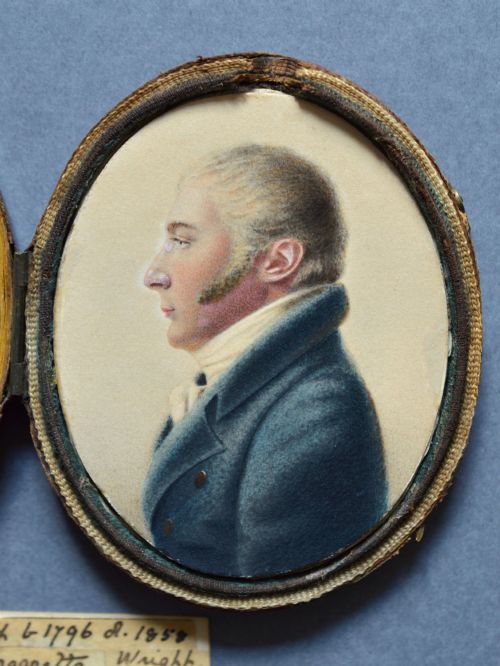
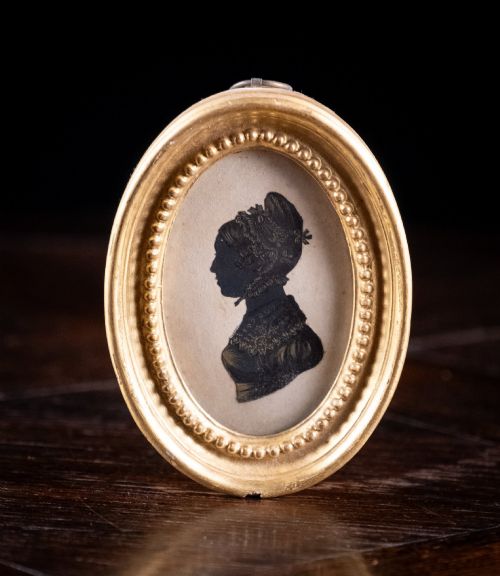
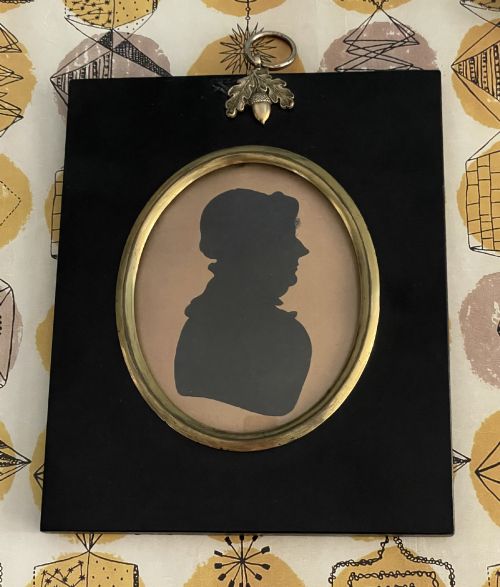
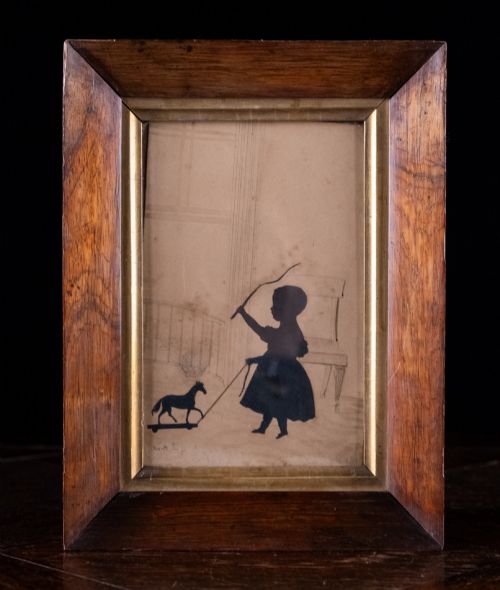
A regency profile portrait distills a likeness into a sharp outline, capturing sitters from the Georgian, Regency and early Victorian periods. These pieces appear most frequently as framed silhouette portraits, painted miniatures and wax reliefs.
Framed in ebonised wood, rosewood, maple or brass, the works survive from the late eighteenth century into the nineteenth century. Buyers encounter single likenesses alongside pairs and small sets representing family groups.
How They Were Made
Artists created these works using paper, ink and watercolour, often cutting profiles by hand before mounting them against pale backgrounds. Others painted directly onto glass with fine black pigment, sometimes adding gold leaf highlights to enhance costume details.
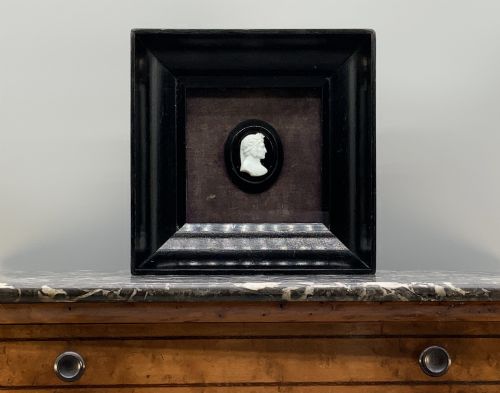
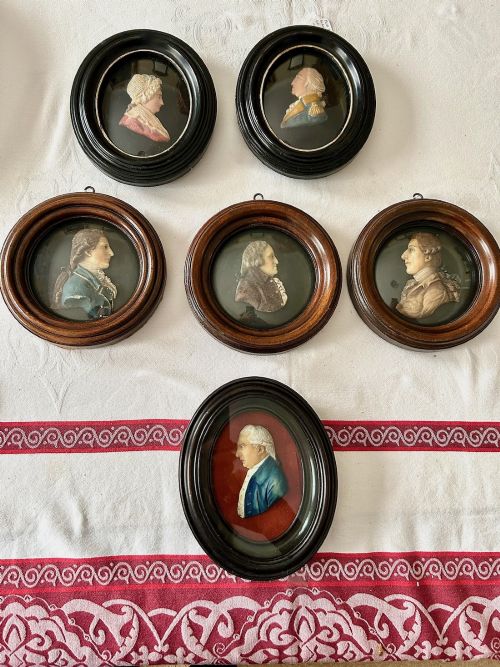
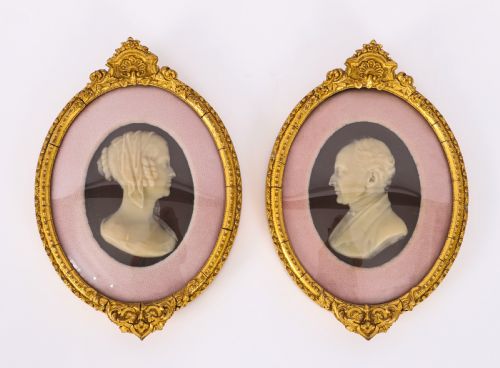
Relief works employed tinted wax pressed into moulds or sculpted by hand, set within deep frames. Carved ivory and hardstone intaglios offered another method for capturing three-dimensional profiles in miniature scale.
Frames utilised native and exotic timbers such as ebonised wood, rosewood and maple, frequently fitted with brass hangers and protective glass. The combination of delicate paper cutting, reverse painting on glass and gilt embellishment defined the technical execution of the period.
Regency Profile Portrait Retail Price Guide 2026
Typical asking prices for regency profile portrait among the pieces listed under this phrase on Sellingantiques today, from the lower quarter to the upper quarter. They describe what is for sale here now, not the wider market.
The selection spans the 18th Century, Regency, 1800, Georgian, 1850 and Victorian periods.
What Varies in Quality
The precision of the cutting or brushwork determines the success of the likeness, separating hurried studio outputs from skilled portraiture. Fine bronzed highlights and careful attention to hair and costume details elevate the visual depth of flat silhouettes.
Materials contribute significantly to the distinction between pieces, with reverse glass painting and layered wax reliefs demanding advanced technical control. The original framing, particularly turned maple or rosewood housing with intact brass fittings, preserves the integrity of the object.
Bateman·Frith·James Sharples·George Atkinson·Thomas John Horsley·James Gillespie·Augustin Edouart·John Miers·J. Deacon·Archibald Skirving·John Smith of Edinburgh
The Regency Profile Portrait Glossary
- Silhouette
- A portrait rendered as a solid shape, usually in profile and coloured black, derived from shadow tracing. The form gained immense popularity during the late Georgian and Regency eras.
- Reverse painting on glass
- A technique where the artist paints the portrait on the rear side of the glass panel, allowing the viewer to observe the finished work through the front surface. This method protected the pigment from dust and abrasion.
- Intaglio
- A gem or stone carved so that the design sinks below the surface, allowing the piece to create a raised impression when pressed into wax. These were frequently mounted in rings or worn as seals.
- Wax relief
- A three-dimensional portrait modelled or pressed in coloured wax, often capturing skin tones and attire with high realism. They were typically mounted on dark velvet within protective wooden frames.
Regency Profile Portrait: Frequently Asked Questions
How do I identify a period silhouette?
Examine the framing materials and the style of the clothing depicted, such as high-waisted Regency gowns or elaborate neckerchieves. Early pieces often feature hand-cut paper mounted on card with handwritten maker labels on the reverse.
Paper ageing, handwritten signatures and early glass types further help distinguish authentic nineteenth-century examples from later reproductions.
Where should I hang these portraits?
These small artworks suit intimate spaces, narrow wall panels or gallery arrangements alongside other framed miniatures and silhouettes. Grouping several frames together creates a striking display inspired by nineteenth-century parlour decoration.
Keep them away from direct sunlight to protect delicate watercolours, paper cutouts and tinted wax reliefs from fading.
How do I care for antique glass profiles?
Clean the exterior glass gently using a dry microfibre cloth, avoiding any liquid cleaners that might seep behind the frame and damage the paper or paint within. Secure hanging wire and sturdy wall hooks ensure the safety of heavy frames containing glass or marble.
Stable room temperatures prevent condensation from forming inside sealed frames, which can harm delicate painted surfaces.
What is a hollow-cut silhouette?
A hollow-cut silhouette is created by cutting the profile out of a sheet of white paper, which is then laid over a dark backing fabric or paper so the likeness appears in relief through the empty space. Artists frequently added ink details around the collar and hair after cutting.
This technique allowed makers to produce consistent likenesses quickly during the early nineteenth century.