



Early 19th Century Silhouette
An early 19th century silhouette captures a crisp profile in ink, cut paper, or reverse glass painting, offering an intimate glimpse into Regency and Georgian life.
Early 19th Century Silhouette
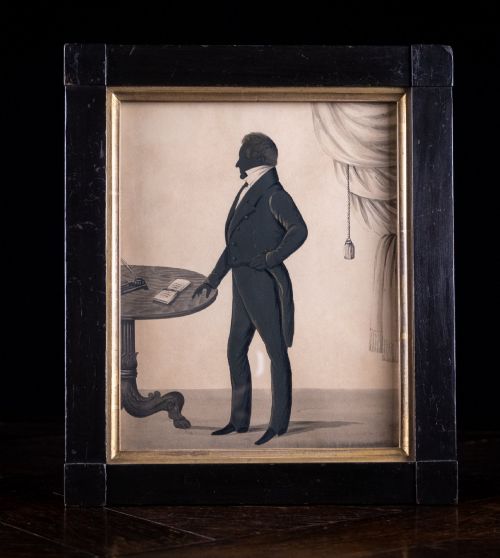
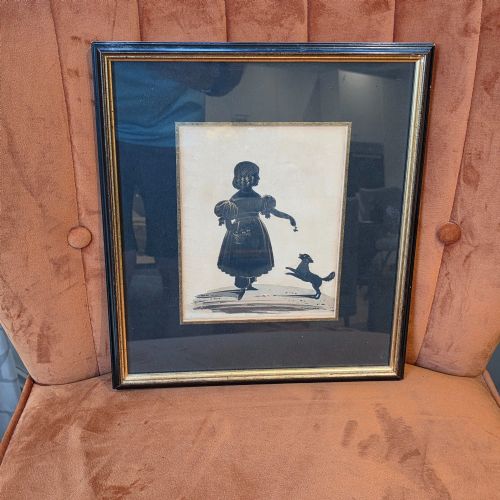
An early 19th century silhouette presents a human profile, most frequently encountered as a bust of a gentleman or lady, though full-length figures and family groups also appear. These framed wall artworks bridge the gap between portrait miniatures and larger paintings, capturing likenesses through stark contrast and delicate line work.
The pieces on this page span the Regency, Georgian, and early Victorian periods, utilising formats that range from simple paper cut-outs to sophisticated painted miniatures. Collectors find works depicting specific named sitters alongside anonymous portraits, each reflecting the portraiture fashions of the 1800s.
Materials and construction
Artists relied primarily on paper, ink, and glass, often mounting cut paper against a contrasting background or painting directly onto glass using reverse painting techniques. Papier-mache and rosewood frames frequently housed these works, fitted with brass hangers or bezels.
Detail was frequently added by hand using gold leaf or watercolour highlights to accentuate lace collars, bonnets, hair, and buttons. These embellishments transformed a simple black profile into a richly detailed miniature portrait.
Early 19th Century Silhouette Retail Price Guide 2026
Typical asking prices for early 19th century silhouette among the pieces listed under this phrase on Sellingantiques today, from the lower quarter to the upper quarter. They describe what is for sale here now, not the wider market.
One recorded Victorian girl holds a tiny painted bird, proving that even solemn silhouettes occasionally demanded a feathered companion.
Judging quality and execution
Quality rests in the precision of the cutting or brushwork, where master profile cutters achieved an immediate, lifelike likeness without preliminary sketching. The finesse of the added gilt highlights and the preservation of the original glass and frame further separate standard studio work from finer examples.
The presence of period inscriptions, artist signatures, or original backing papers elevates a piece by providing verifiable provenance and connecting the sitter directly to a documented practitioner of the craft.
William James Hubard·J. Deacon·Skeolan·Bateman
The Early 19th Century Silhouette Glossary
- Silhouette
- A portrait represented as a solid shape of a single colour, usually black, showing the profile of a subject. This art form gained immense popularity during the Georgian and Regency eras before the advent of photography.
- Reverse painting on glass
- A technique where the artist paints the image on the reverse side of a glass panel so it is viewed through the front. This method imparts a deep, glossy sheen to early 19th century portraits.
- Gilt highlight
- Details added to a dark profile using gold paint or leaf to denote clothing texture, jewellery, or hair. This technique is typical of finer Regency period silhouettes.
- Bust
- A portrait sculpture or painting representing a person's head, shoulders, and chest. In silhouette work, this remains the most common framing format for individual sitters.
Early 19th Century Silhouette: Frequently Asked Questions
How do I hang a silhouette?
These framed pieces are generally lightweight and suited for small wall spaces where they can be grouped together. Hang them away from direct sunlight to protect the fragile paper, ink, and watercolour elements from fading.
Ensure you use appropriate picture hooks that match the original brass rings or hanging loops attached to the rosewood or papier-mache frames.
Are these portraits signed?
Some pieces bear artist signatures, handwritten inscriptions verso, or trade labels from galleries on the backing boards. Named sitters and dated works occasionally appear, though many profiles remain anonymous.
Signatures or studio stamps significantly enhance the historical context of the portrait.
How do I tell Regency from Victorian pieces?
Regency and Georgian profiles often feature distinct costume details such as high-waisted dresses, bonnets, or high collars, executed with fine gilt detailing on paper or glass. Victorian examples tend to show different hairstyles and clothing fashions appropriate to the later decades of the 19th century.
Framing materials and backing papers also provide helpful clues for dating an individual artwork.
What is a hollow-cut silhouette?
A hollow-cut is created by cutting the profile out of a sheet of white or pale paper, which is then laid over a dark background fabric or paper so the likeness appears in relief. This technique was popular for producing quick likenesses during the early 19th century.
Many examples include subtle pencil shading or watercolour work around the cut edges to add depth.