

Antique Framed Silhouettes
These antique framed silhouettes capture profiles in ink, paper and glass, offering a direct, intimate gaze from the eighteenth and nineteenth centuries.
Antique Framed Silhouettes
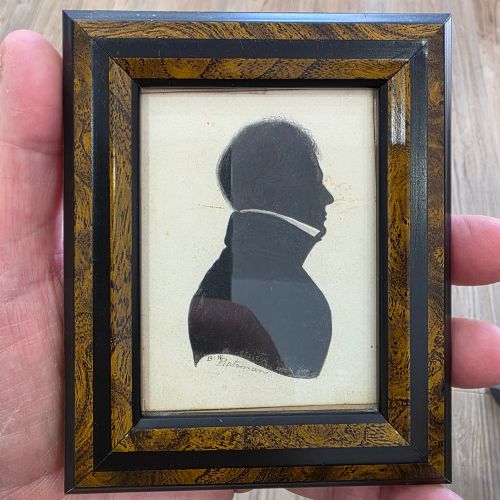
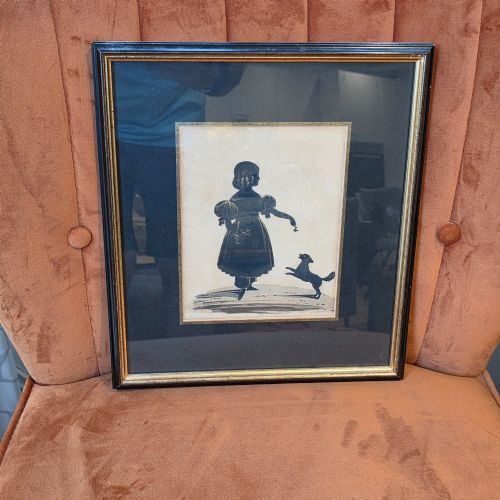
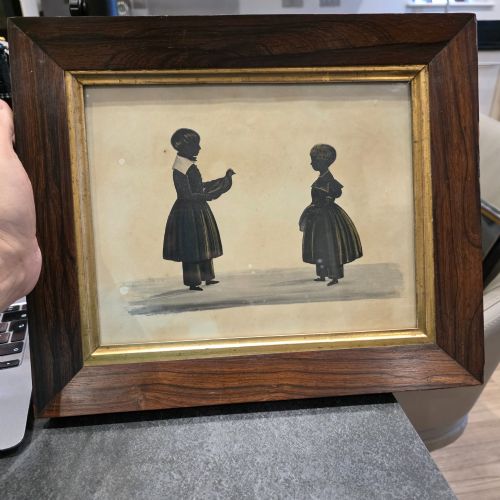
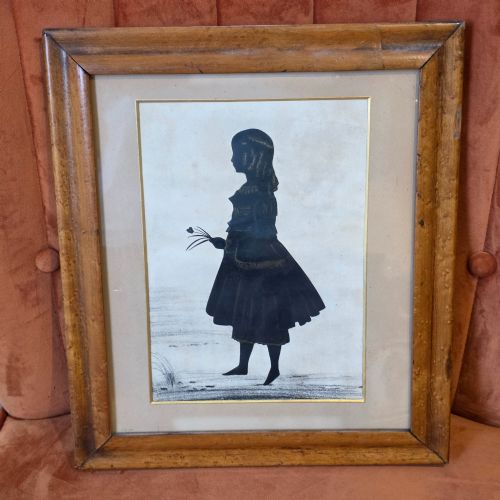
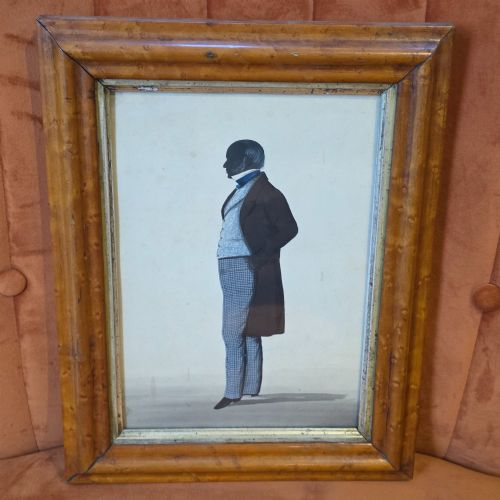
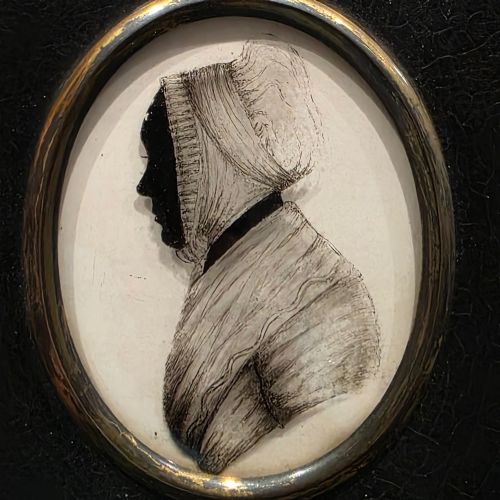
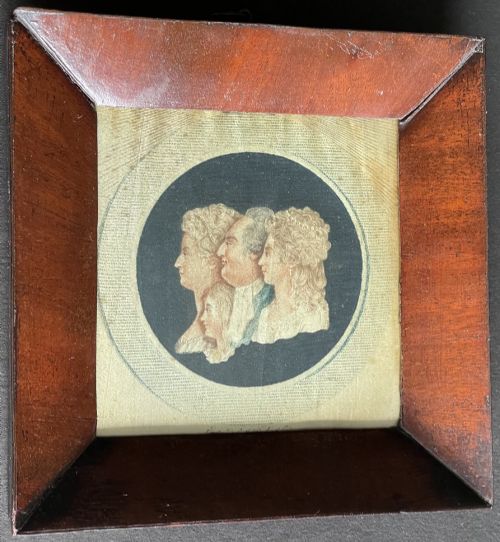
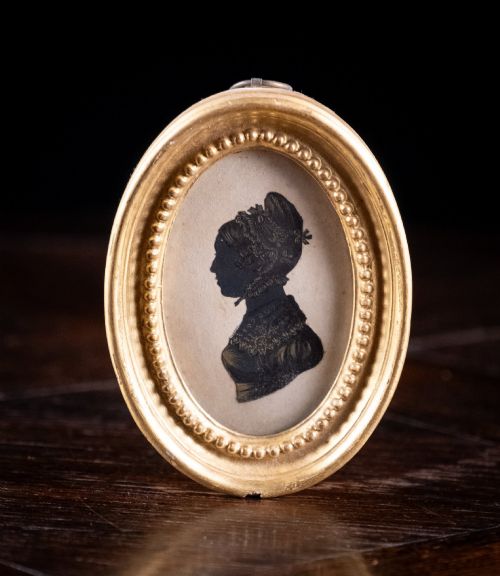
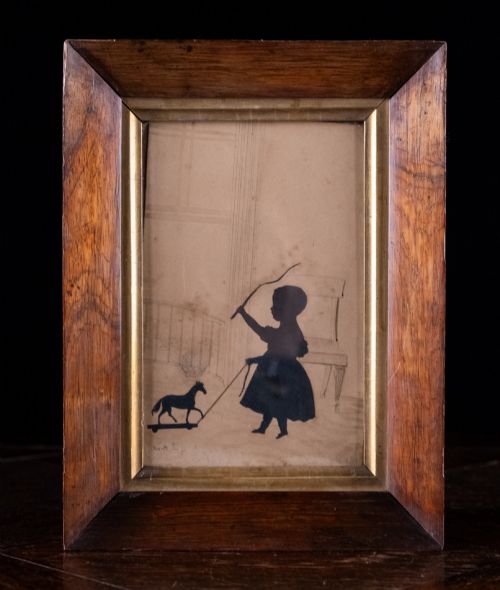
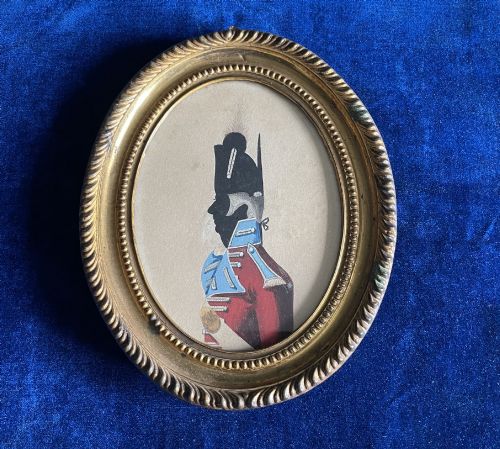
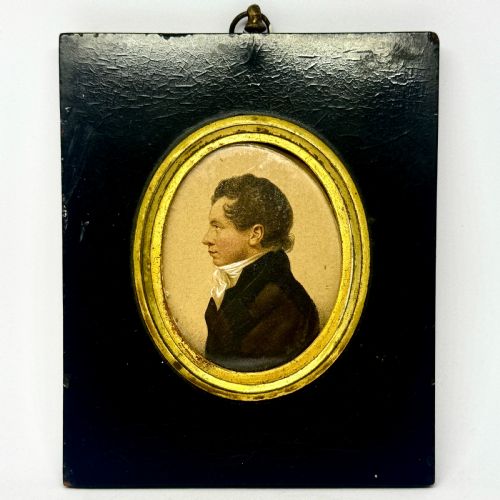
When you search for antique framed silhouettes, you encounter profile portraits created through cutting, painting, or reverse painting on glass. These works record the likenesses of gentlemen, ladies, children, and families from Georgian, Regency, and Victorian eras.
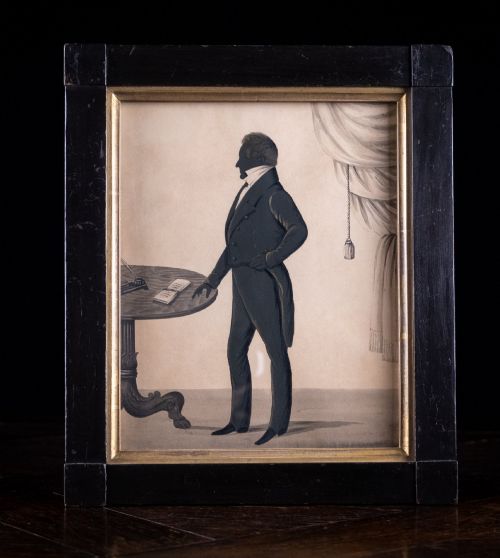
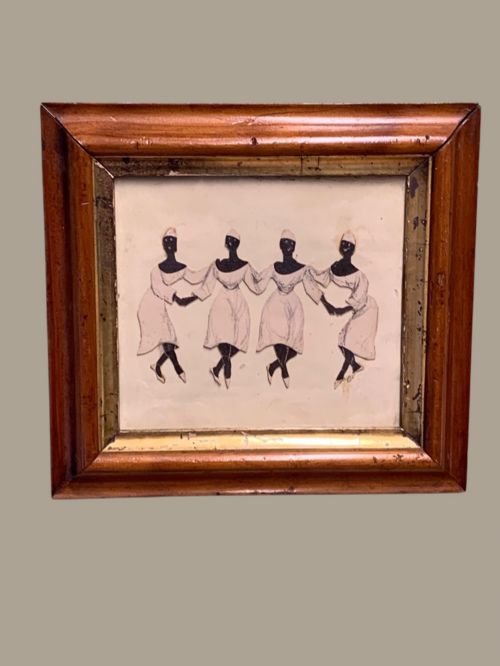
The pieces on this page range from simple bust portraits to full-length studies and conversation pieces. Subjects often appear alongside horses, dogs, or decorative motifs rendered in watercolour and gold leaf.
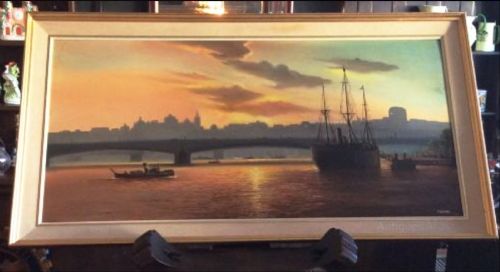
Formats span from small miniature portraits intended for personal wear or desk placement to large wall art and framed pictures. Many examples bear signatures or attribution to notable profile artists of their time.
Materials and construction methods
Artists created these profile portraits using cut paper, ink, and watercolour, frequently mounting them against plain backgrounds or embellishing them with gold leaf highlights. Some makers painted directly on glass using reverse glass techniques to achieve a sharp, glossy finish.
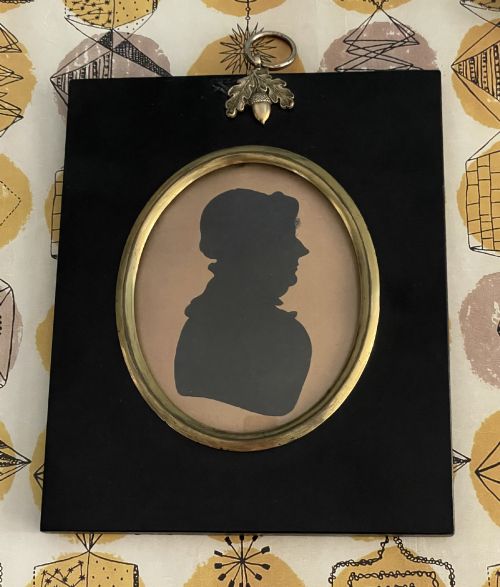
Substrates include paper, plaster, and glass, housed within ebonised wood or rosewood frames that preserve the fragile works. Many frames incorporate brass bezels or hanging rings suited to nineteenth-century domestic display.
Listings feature eighteenth and nineteenth-century works utilising paper, glass, ebonised wood, and gold leaf.
Distinctions in quality and execution
The precision of the cutting or brushwork dictates the distinction between standard artisan output and superior portraiture. Finer examples display delicate detailing in lace, hair, and costume, often enhanced by meticulous gilding or subtle watercolour shading.
Original framing and well-documented provenance elevate certain pieces, particularly when works remain in contemporary ebonised timber housings with intact backboards and maker labels.
William James Hubard·Augustin Edouart·John Miers·Frederick Frith·George Atkinson·J. Deacon
The Antique Framed Silhouettes Glossary
- Silhouette
- A solid profile portrait, typically filled in with a dark colour such as black, contrasted against a lighter background. The form derives its name from Étienne de Silhouette, an eighteenth-century French finance minister.
- Reverse painting on glass
- A technique where the artist paints the image on the reverse side of a glass panel so the finished picture is viewed through the transparent front. This method imparts a distinctive glossy depth to the profile.
- Ebonised wood
- Timber treated with a finish that simulates ebony wood, commonly utilised for nineteenth-century picture frames. It provides a dark, contrasting border that accentuates light profiles.
- Plaster profile
- A three-dimensional bust moulded in plaster, often associated with the Leeds profile artist John Miers. These pieces present a tactile, slightly raised likeness compared to flat paper cuttings.
- Conversation piece
- An informal group portrait depicting family members or associates engaged in a common activity. In silhouette art, these works show multiple figures interacting within a single framed composition.
Antique Framed Silhouettes: Frequently Asked Questions
How do I date an antique silhouette?
Costume, hair styling, and framing materials offer the primary clues for dating a profile. Regency dress and distinctive sideburns, for instance, point to the early nineteenth century.
Maker stamps on the reverse or contemporary handwritten notes on the backing paper also help establish a precise period.
Were silhouettes painted or cut?
Makers employed both methods depending on their training and preference. Some artists specialised in freehand paper cutting using scissors, while others painted profiles directly onto paper, plaster, or glass using black ink and watercolour.
Many fine examples combine cut paper silhouettes with delicate gold leaf highlights painted by hand.
Who was John Miers?
John Miers is one of the most celebrated profile artists of the Georgian era, known for his work on plaster, ivory, and paper. He operated a prominent London studio and stamped the backs of his frames with trade labels.
His pieces are collected for their exceptional accuracy and fine detail.
How should I hang framed silhouettes?
Protect these pieces from direct sunlight to prevent the fading of paper, ink, and watercolour pigments. Hang them on interior walls away from moisture and extreme temperature fluctuations.
Group several smaller portraits together to create a traditional gallery wall display.