


Victorian Cut Paper Art
Victorian cut paper art captures delicate silhouettes and portraits framed in wood and glass, offering a glimpse into nineteenth-century portraiture.
Victorian Cut Paper Art
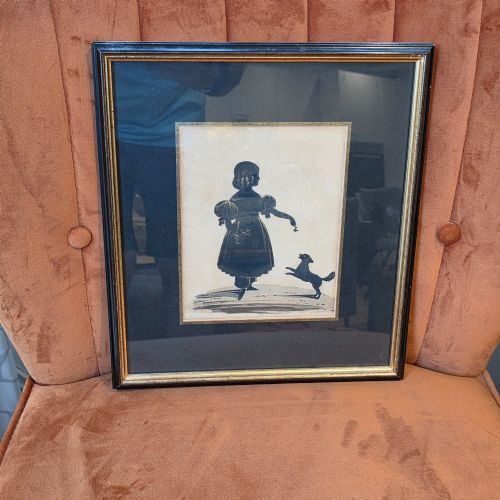
When you search for victorian cut paper art, you are looking at nineteenth-century framed silhouette portraits and wall art created through precise hand-cutting techniques. The pieces on this page mostly span the nineteenth century, including Regency and Victorian eras, presenting figures, children, and animals.
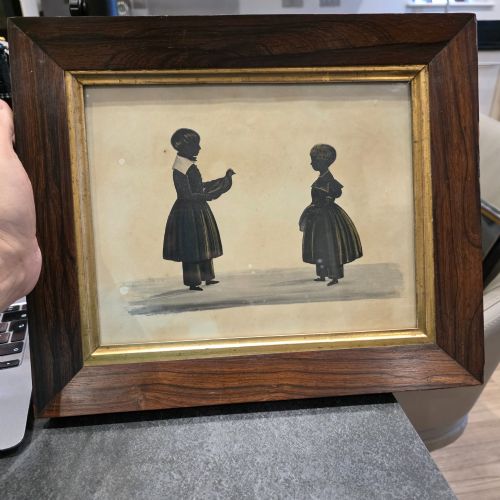
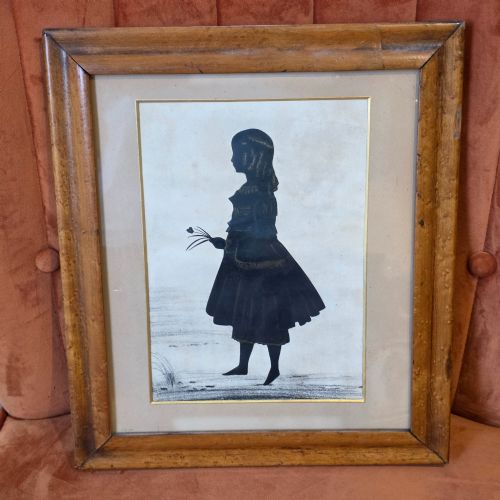
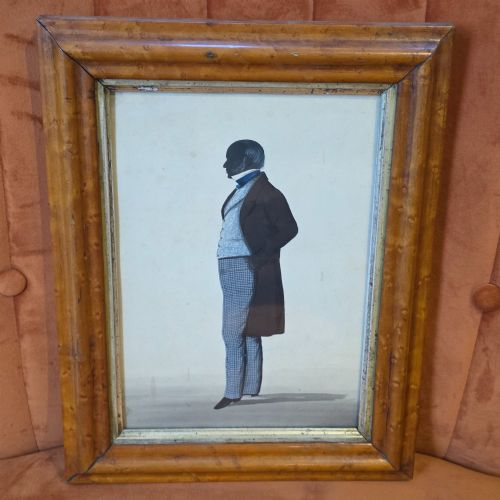
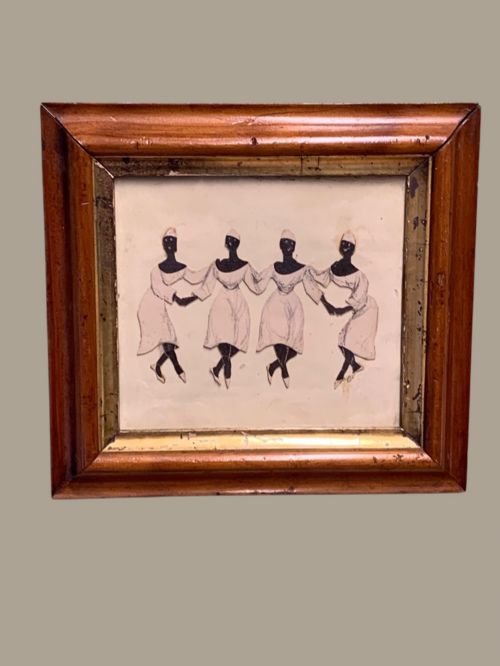
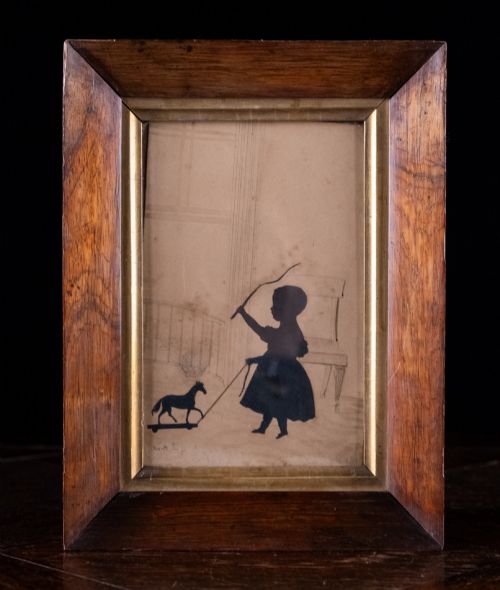
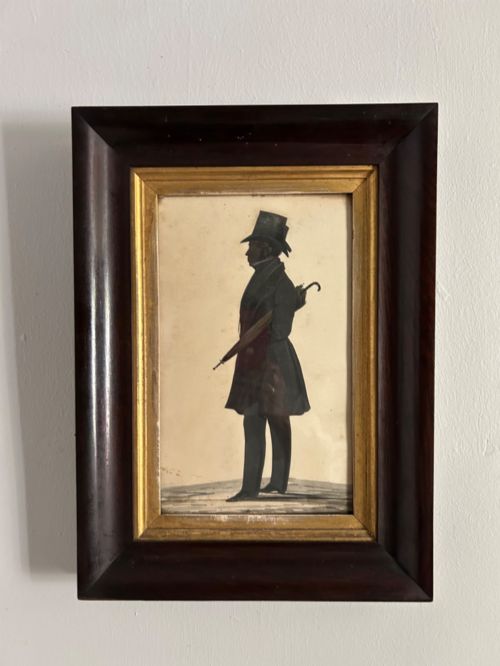
You will encounter framed artwork ranging from individual gentlemen and ladies to conversation pieces involving multiple people and animals. The forms include full-length silhouette portraits, collage work, and detailed compositions enhanced with watercolour and ink.
Materials and methods
The makers utilised simple yet effective materials, primarily paper mounted within wood frames behind glass, sometimes incorporating brass, gilt, and gold leaf highlights. Ink and watercolour frequently complement the hand-cut paper to add depth and detail to the clothing or setting of the subjects.
The technique relies entirely on hand-cutting the paper with scissors or a knife to create crisp profiles and intricate shapes. Artists then secured these delicate paper cuttings onto contrasting backgrounds, often protecting them within rosewood or simple wooden frames.
What separates the best from the rest
The distinction in quality rests on the precision of the hand-cutting and the complexity of the composition. Full-length portraits showing fine details in attire and posture command greater attention than simple head profiles.
The inclusion of secondary elements, such as watercoloured backgrounds, animals, or multiple figures in a conversation piece, elevates the work. Additionally, the condition of the paper and the originality of the frame and glass contribute significantly to the standing of a piece.
Hubard Gallery London·William James Hubard·Augustin Edouart·Frederick Frith·Royal Victoria Gallery
The Victorian Cut Paper Art Glossary
- Conversation piece
- An artwork depicting a group of figures engaged in a conversation or shared activity. These scenes often include multiple people, children, or animals within a single framed composition.
- Collage work
- An artistic technique where various materials, including cut paper, are glued to a surface. This method creates layered wall art with added texture and depth.
- Gold leaf
- A very thin sheet of beaten gold applied to frames or details within the artwork. It provides a bright, reflective accent to the dark paper silhouettes.
- Full-length
- A portrait format displaying the entire figure of the subject from head to toe. These pieces require greater skill in cutting and paper manipulation than bust-length portraits.
Victorian Cut Paper Art: Frequently Asked Questions
How do I hang silhouette art?
Hang these framed pieces away from direct sunlight to protect the paper and watercolours from fading over time. Use sturdy picture hooks suited to the weight of the wood and glass frames.
Group smaller silhouettes together on a wall to create a balanced display, keeping them at eye level for optimal viewing.
What subjects appear in these works?
The subjects include individual gentlemen, ladies, and children, frequently posed in full-length profiles. Some compositions feature animals, horses, and multiple figures in conversation pieces.
Artists also recorded specific individuals, family groups, and children with pets, capturing the appearance of nineteenth-century society.
How do I date a silhouette?
Examine the framing materials, the style of the clothing worn by the subjects, and any written inscriptions on the back of the piece. Rosewood frames and specific handwritten dates provide clear clues to the period.
Comparing the cutting style and signature to known nineteenth-century practitioners also helps determine the approximate decade of creation.
Are these pieces hand cut?
The works recorded here are hand-cut paper silhouettes created using scissors or fine blades. This manual technique produces sharp edges and distinct individual characteristics unique to each artist.
Close inspection reveals the subtle irregularities typical of skilled manual cutting rather than mechanical reproduction.
Can I clean the glass?
Clean the exterior glass gently with a soft cloth and a minimal amount of glass cleaner applied to the cloth rather than the frame. Prevent any moisture from seeping under the edge of the glass into the paper.
Avoid opening the frame yourself, as old paper and delicate adhesives require professional preservation care.