


19th Century Paper Cut Art
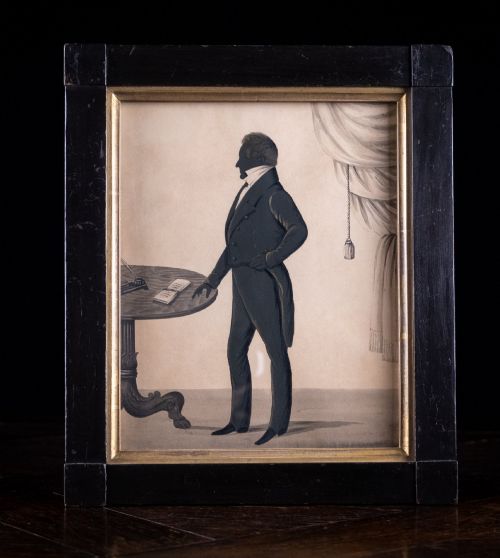
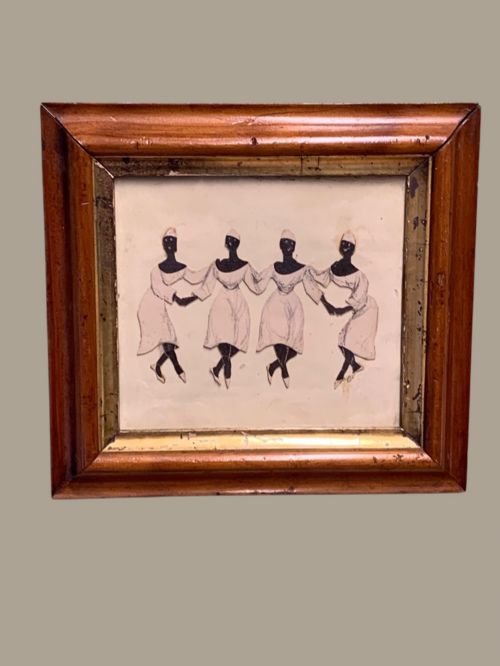
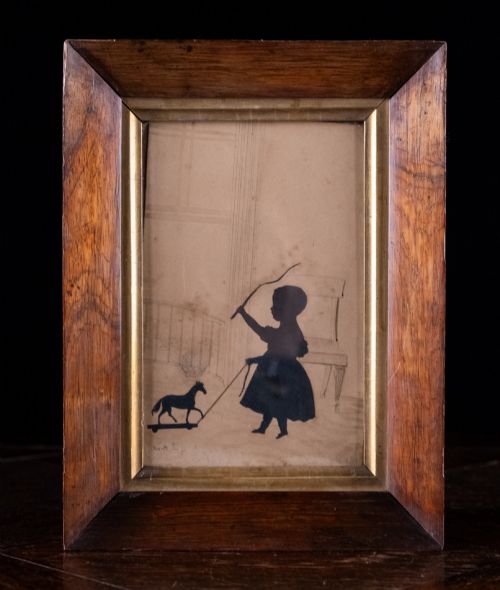
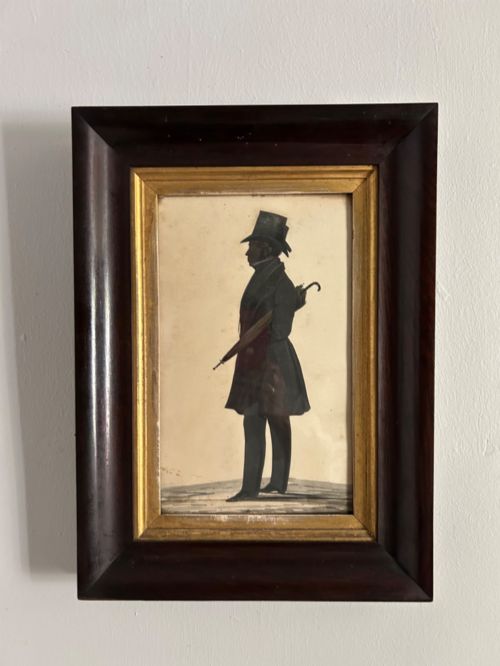
These 19th century paper cut art pieces capture the delicate craft of silhouette cutting and paper collage, offering collectors a direct window into domestic portraiture.
19th Century Paper Cut Art
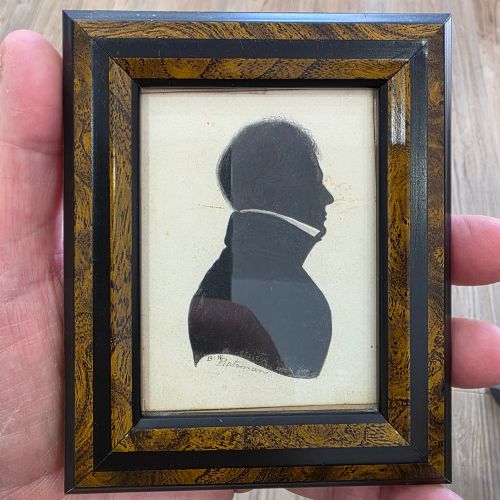
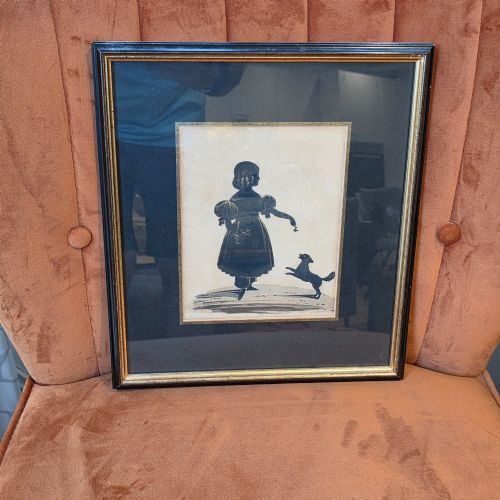
When you search for 19th century paper cut art, you enter a world of finely snipped profiles, intricate botanical pictures, and lively conversation pieces. The works here span the Regency, William IV, and Victorian eras, recording the likenesses of gentlemen, ladies, children, and animals through the medium of black paper.
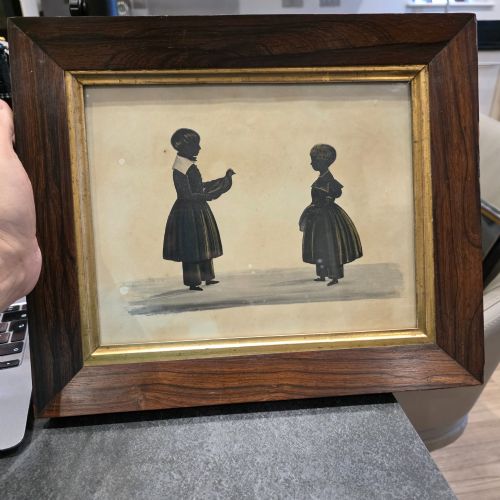
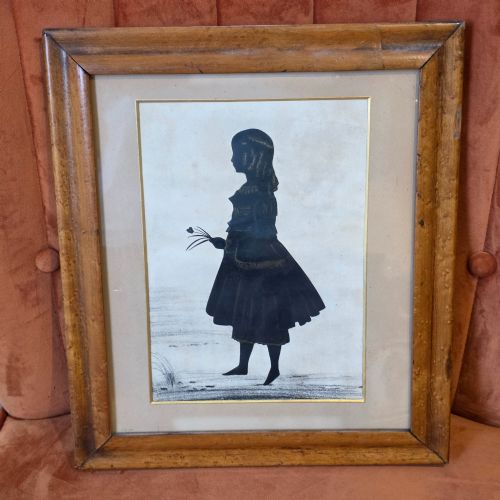
You will most frequently meet framed silhouette portraits, both single and in pairs, alongside multi-figure conversation pieces and collage works. These range from modest head-and-shoulder studies to large, full-length portraits heightened with watercolour and gold leaf.
The selection also includes botanical compositions such as cut paper pictures of flowers, demonstrating that these artisans worked beyond pure portraiture. Makers utilised glass, wood, rosewood, and brass frames to house these fragile works, preserving them across the decades.
How they were made
Artists created these works by freehand cutting black paper with fine scissors or blades, often without preparatory drawing. They then mounted the delicate paper cutouts onto contrasting white or tinted backgrounds.
Finished works were secured behind protective glass within timber frames, sometimes utilising rosewood or ebony with brass fittings to protect the paper from dust and moisture.
Listings feature paper cut art from the Regency, Victorian, and William IV periods, executed in paper, glass, wood, ink, gold leaf, and rosewood.
What varies in quality
The crispness of the scissor work dictates the primary tier of quality, where confident, fluid lines separate master cutters from amateurs. Superior pieces display intricate detail in costume, hair, and accessories without jagged edges or tearing in the paper.
The use of secondary mediums elevates certain works, particularly when artists applied skilled watercolour washes or delicate gold leaf detailing rather than relying solely on plain black paper. The presence of contemporary framing, such as original rosewood or ebony surrounds with brass accents, also marks a higher standard of presentation.
Attribution and provenance heavily influence distinction within this field, as works linked to documented studios or named cutters command greater interest. The complexity of the composition, such as multi-figure conversation pieces involving children and animals, requires a higher level of spatial arrangement than a simple bust profile.
William James Hubard·Augustin Edouart·Bateman·Skeolan·Alfred Darbyshire
The 19th Century Paper Cut Art Glossary
- Silhouette
- A portrait blocked in solid black, usually in profile, derived from the shadow cast by a subject or cut freehand from paper. This technique formed the foundation of portraiture before the widespread adoption of photography.
- Conversation piece
- An informal group portrait depicting family members or groups engaged in a shared activity. These scenes often incorporate multiple cut paper figures within a single framed landscape or interior.
- Hollow-cut
- A silhouette technique where the profile is cut out from a white sheet of paper, which is then laid over a dark background fabric or paper to reveal the image. This method leaves the surrounding paper intact.
- Hubard Gallery
- A prominent silhouette studio operating during the nineteenth century, associated with the cutter William James Hubard. Works bearing this origin often reflect high commercial standards of portrait cutting.
- Gilt highlights
- Fine touches of gold paint or gold leaf applied to paper silhouettes to emphasise jewellery, buttons, or costume details. This embellishment adds depth and contrast to the flat black paper.
19th Century Paper Cut Art: Frequently Asked Questions
How do I identify a period silhouette?
Look closely at the costume details, hair styling, and framing materials, as these change distinctly from the Regency period through to the late Victorian era. Regency and George III pieces often feature high-waisted dresses or stock neckwear, while Victorian examples show fuller skirts and elaborate facial hair.
The style of mounting and the type of timber used in the frame also offer strong clues to the decade of creation. Examining the paper stock and any handwritten inscriptions on the reverse will frequently confirm the timeline.
What is a conversation piece silhouette?
A conversation piece is a complex artwork showing multiple people, and sometimes animals, interacting in a domestic or outdoor setting. Instead of a single bust portrait, these compositions tell a story through the arrangement of several cut paper figures.
Artists assembled these scenes to capture family life or social gatherings with notable detail. They demand considerable skill from the cutter to maintain correct scale and interaction between the subjects.
Are these works painted or cut?
Most pieces are primarily cut from black paper using specialised scissors or small blades. However, artists frequently combined cutting with other mediums to add depth and realism to the portraits.
It is common to find ink shading, watercolour washes, and gold leaf highlights applied directly to the paper cutouts. Some works also incorporate hollow-cut techniques where the silhouette is shaped from the mount itself.
How should I display paper cut art?
Display these works away from direct sunlight to prevent the black paper from fading and the white backgrounds from yellowing over time. Consistent indoor humidity helps protect both the antique paper and the original timber frames.
Ensure the pieces remain securely sealed behind their protective glass to keep dust and atmospheric moisture away from the delicate cutouts. Professional framing using acid-free backing materials will safeguard the paper for future years.