
Regency Porcelain China
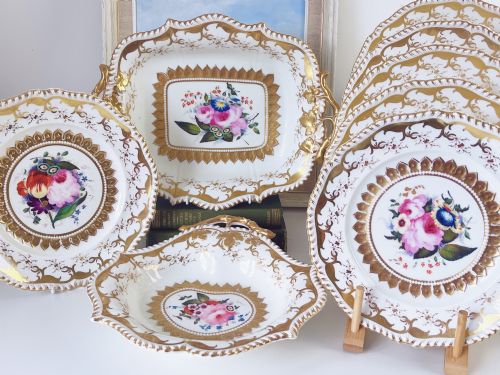
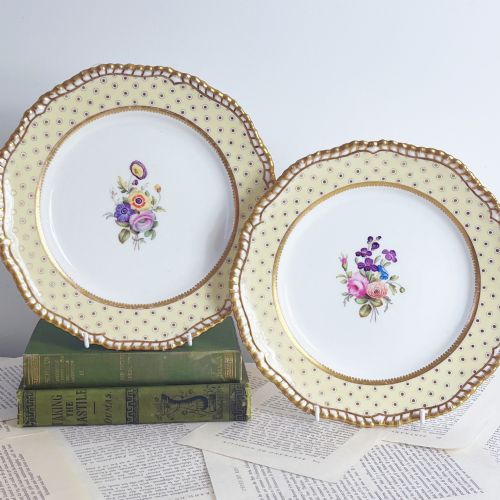
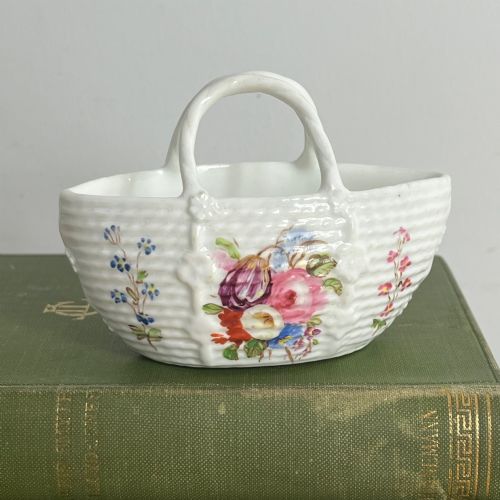
These pieces of regency porcelain china bring crisp neoclassical forms and rich handpainted floral motifs straight from the early nineteenth century into modern rooms.
Regency Porcelain China
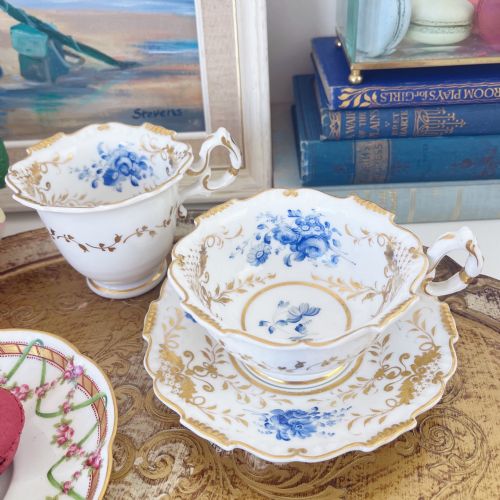
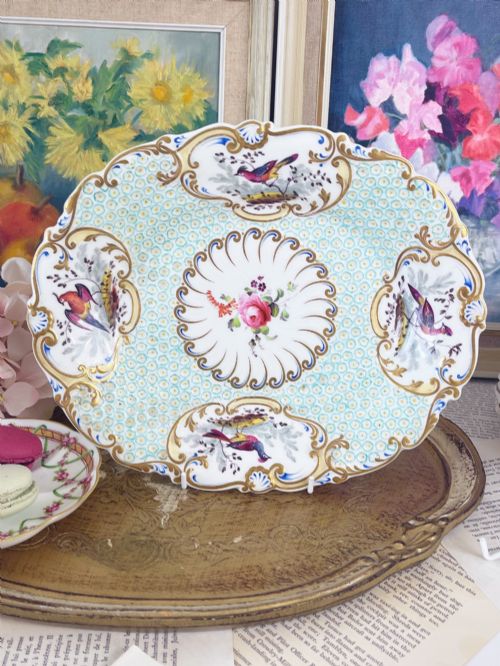
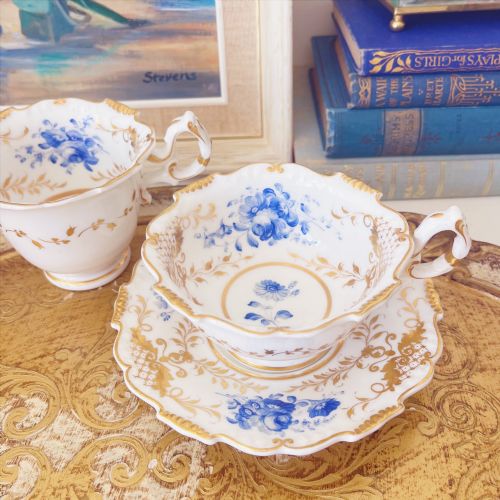
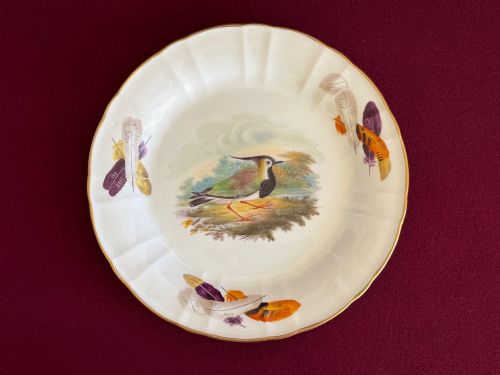
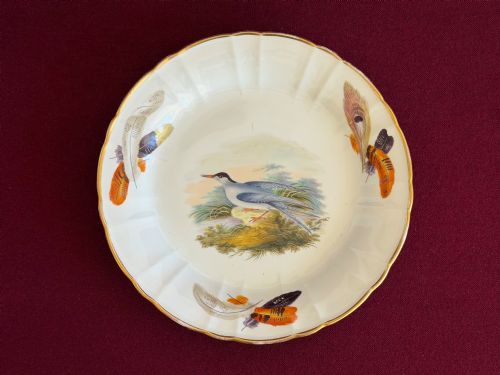
When you search for regency porcelain china, you enter a sphere of refined domestic ceramics spanning the Georgian and nineteenth century periods. The offerings here cluster heavily around tea services, cabinet plates, and decorative trios produced during the height of the Regency style.
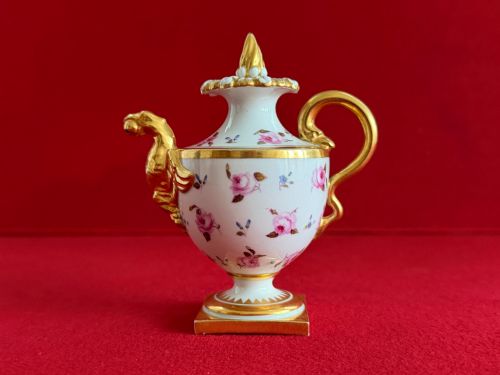
The objects take many functional and decorative shapes, ranging from inkstands and spill vases to dessert services and chocolate cups. These items reflect the domestic routines and social entertaining of wealthy households during the early eighteen hundreds.
Most examples originate from celebrated English factories and workshops operating between eighteen hundred and eighteen thirty. Pieces emerge in distinct regional styles, showcasing the output of Staffordshire potteries alongside Worcester porcelain manufactories.
Materials and manufacture
Potters relied primarily on fine porcelain, bone china, ironstone, and earthenware bodies to form the base of each vessel. These ceramic compositions provided the smooth, durable surfaces necessary for intricate enamel work and detailed gilding.
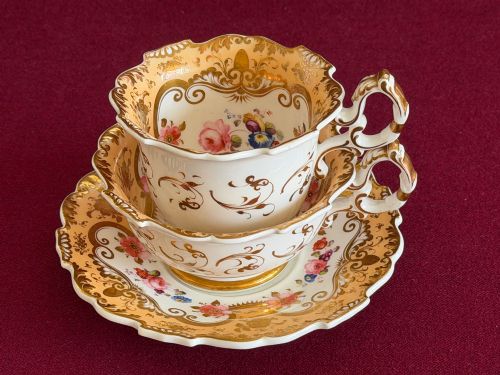
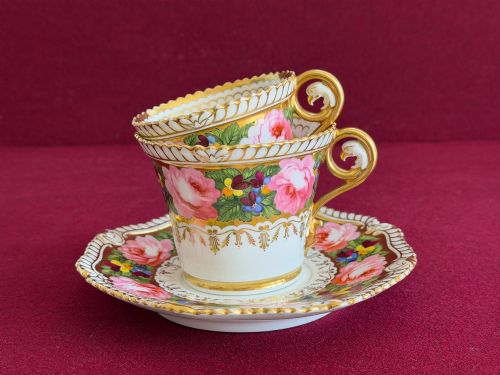
Makers applied rich embellishments using gold leaf, gilt, and vibrant handpainted enamel colours to accentuate the moulded contours. Transfer printing also appears on select wares, introducing intricate blue and white patterns across domestic tea and children's services.
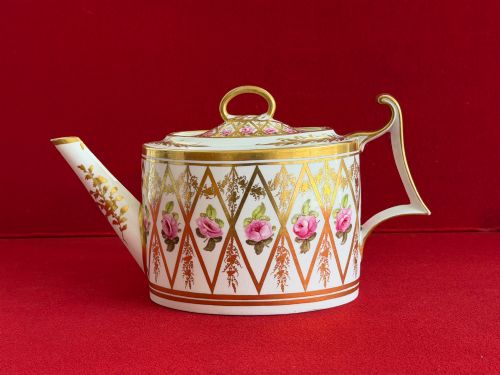
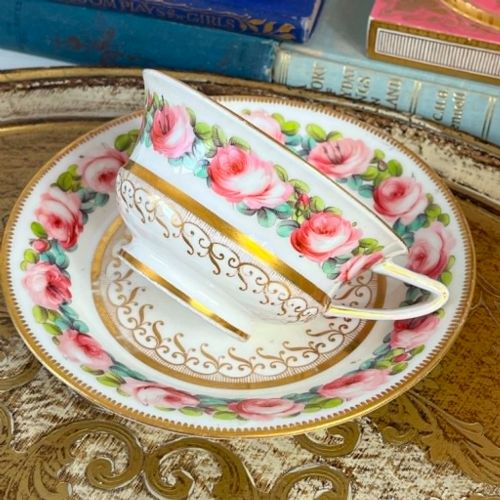
Bright pink cabbage roses bloom forever across early nineteenth century teacups, untouched by frost or caterpillars.
Judging quality in early ceramics
Quality rests significantly on the precision and artistry of the handpainted decoration, particularly in floral sprays, birds, and topographical scenes. Finer pieces display exceptional brushwork and secure enamel adherence that distinguish master ceramic painters from standard factory production.
The crispness of the porcelain moulding and the richness of the gilding dictate upper tiers of craftsmanship. Well-preserved gilding and unblemished glaze surfaces separate premier cabinet pieces from everyday utilitarian wares.
Grainger Lee And Co·Flight Barr And Barr·H And R Daniel·Chamberlain Worcester·John Davenport
The Regency Porcelain China Glossary
- Bone china
- A type of soft-paste porcelain containing bone ash, developed to increase durability and whiteness.
- Cabinet plate
- A decorative ceramic plate intended for display in a cabinet rather than for daily dining use.
- Trio
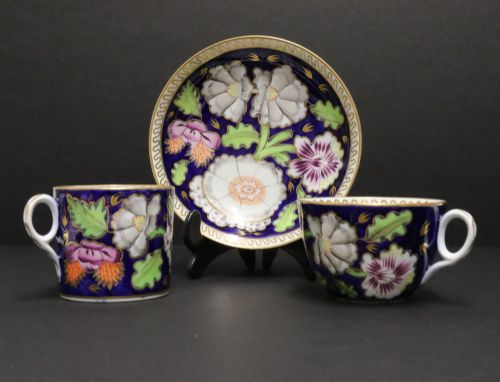
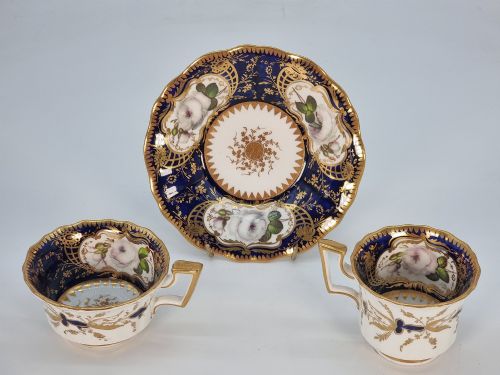
- A matched matching set comprising a teacup, coffee cup, and saucer designed for polite social hospitality.
- Imari palette
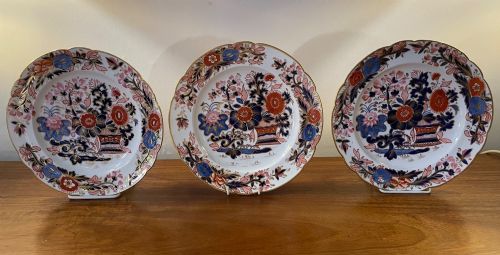
- A decorative colour scheme featuring underglaze blue, iron red, and gilt, inspired by Japanese export wares.
- Ironstone
- A dense, durable type of earthenware patented to withstand heavy household use while mimicking true porcelain.
Regency Porcelain China: Frequently Asked Questions
Were these items used daily?
Many tea and coffee trios served functional roles during formal morning and evening social rituals. Wealthy households utilised fine porcelain services to display status and taste.
Other objects, such as spill vases and cabinet plates, functioned primarily as decorative ornaments within nineteenth century drawing rooms. Their survival in domestic settings highlights how carefully owners preserved them.
How do I identify a period piece?
Examine the base for factory patterns, handwritten numbers, or maker marks associated with early nineteenth century potteries. The weight and translucency of the porcelain body also offer clear clues to its age.
Stylistic cues such as neoclassical shapes and specific enamel palettes point directly to the Georgian and Regency eras. Comparing decorative motifs with known factory patterns helps confirm the decade of production.
What makes ironstone different from porcelain?
Ironstone is a heavy, robust earthenware developed to provide a sturdy alternative to delicate porcelain. It resists chipping more effectively while offering a smooth white surface for colourful enamel patterns.
True porcelain remains more translucent and rings clearly when tapped gently. Ironstone provides a thicker, more opaque body suited for utilitarian vessels and large serving dishes.